


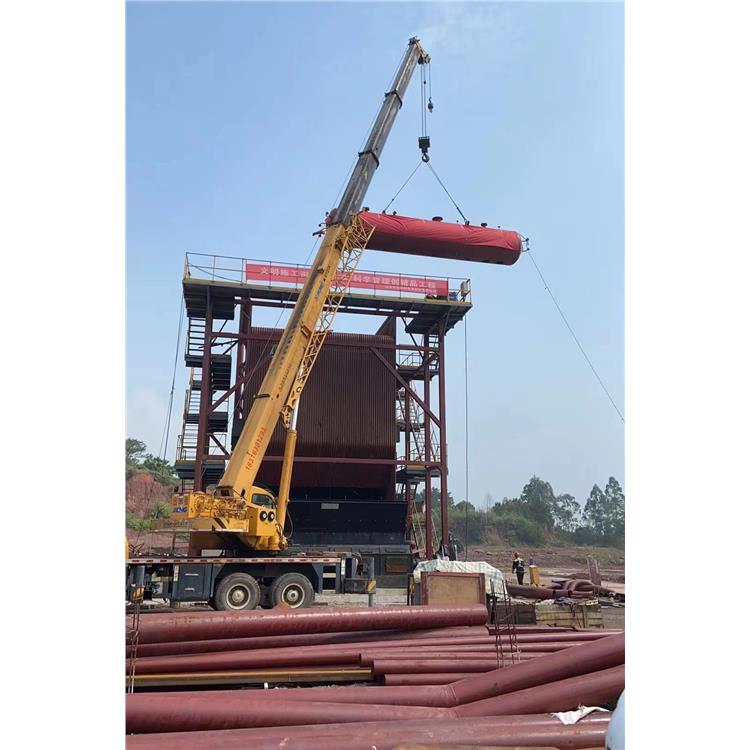
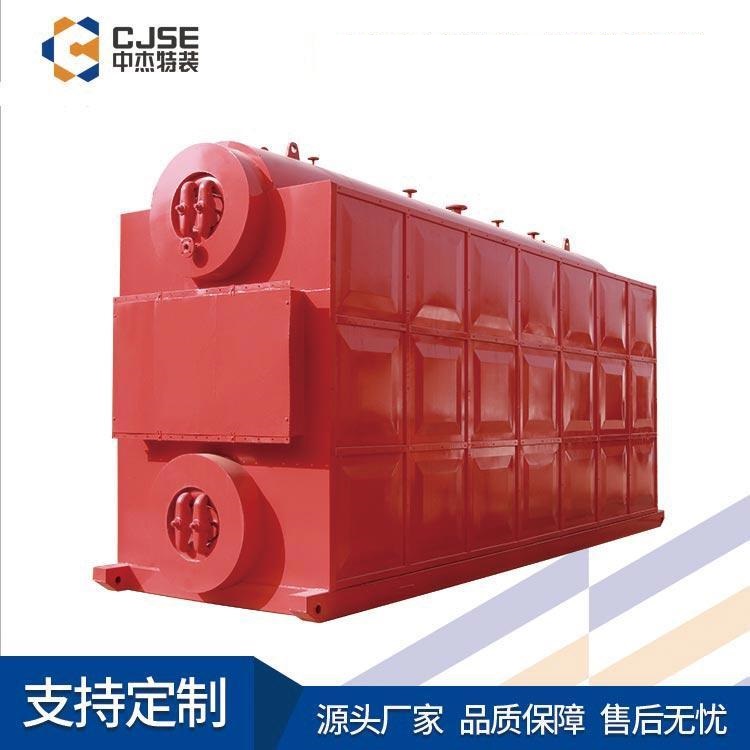
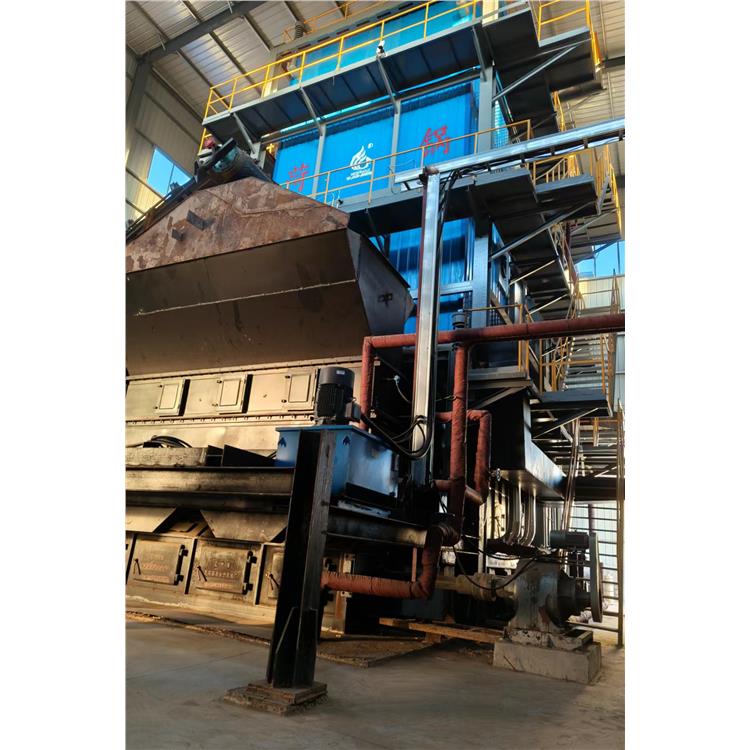
Shandong Zhongjie Special Equipment's main products include: fuel (gas) boilers, organic heat carrier boilers, biomass boilers, waste heat recovery boilers, and other boiler products; vacuum insulation cryogenic pressure vessels such as LNG tanks, oxygen/nitrogen/argon tanks, and CO2 tanks; pressure vessel products such as denitrification engineering equipment, heat storage and energy storage equipment, and complete chemical equipment; central air conditioning and HVAC equipment such as ground (water) source heat pumps, air source units, water-cooled screw units, and air-cooled modular units. Planned products include large-scale energy centers, LNG transport vehicles, LNG tank containers, and other green energy equipment.
Chain biomass boiler is a common type of biomass boiler, with its working principle and process as follows:
Fuel Supply: Biomass fuels (such as wood chips, straw, etc.) are transported to the combustion chamber of the chain boiler via the feeding system.
The combustion process: Fuel is ignited in the combustion chamber while the chain boiler's chain system begins to operate. The fuel is gradually pushed forward by the chain movement, simultaneously burning in the combustion chamber. During combustion, the fuel is thoroughly mixed with air, and the heat energy produced is transferred to the boiler's water or other working substance.
Flue Gas Emission: The smoke produced by combustion is channeled through the flue system of the combustion chamber and released into the chimney. During the flue gas emission process, the smoke can be treated with flue gas purification equipment to reduce the particulate matter and gas pollutants released.
Heat Recovery: The heat generated by combustion is transferred to water or other working fluids through a boiler's heat exchanger, raising their temperature. Post-recovery, the hot water or steam can be used for heating, hot water supply, or other industrial processes.
Control System: Chain biomass chain boilers are typically equipped with an automatic control system that monitors and adjusts parameters such as temperature, pressure, and fuel supply during the combustion process. The control system can automatically adjust according to actual needs to ensure the safe operation and performance of the boiler.
Overall, the biomass chain grate boiler gradually feeds biomass fuel into the combustion chamber through a chain system for burning. The heat energy is transferred to water or other working fluids via a heat exchanger, achieving heat recovery and utilization. This boiler boasts high combustion efficiency and strong fuel adaptability, and is widely used in heating, industrial heating, and other fields.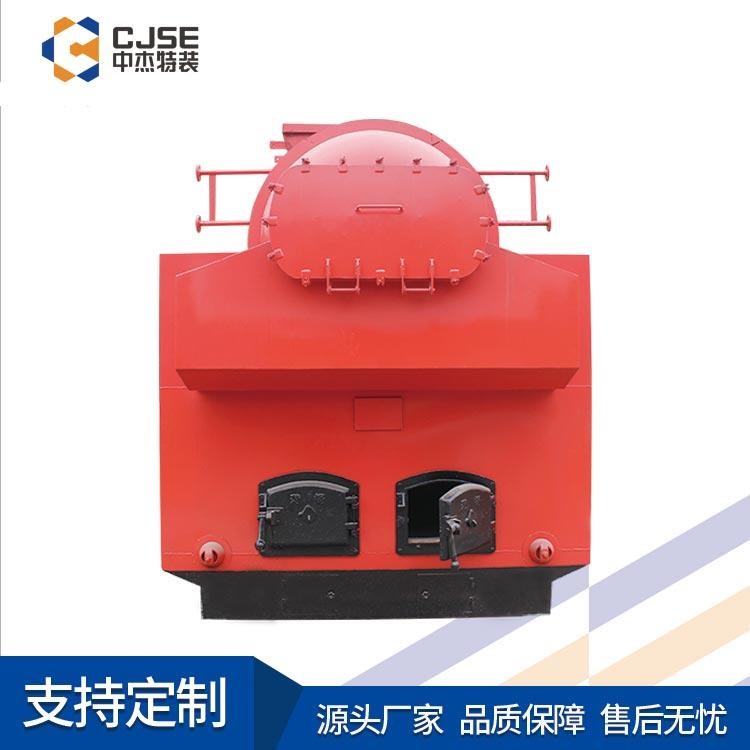
As a renewable energy boiler, biomass boilers offer several advantages:
Eco-friendly Energy-saving: Biomass boilers utilize biomass fuels such as wood chips, straw, and rice husks, which are renewable. Compared to traditional fossil fuels, these fuels offer lower carbon emissions and environmental friendliness. The combustion process of biomass boilers produces relatively fewer emissions, causing less environmental impact. Moreover, through optimized combustion processes and heat recovery, biomass boilers can achieve high energy utilization efficiency, saving energy.
Diverse fuel options: Biomass boilers are suitable for various biomass fuels such as wood chips, straw, and husks, offering strong fuel adaptability. This allows biomass boilers to be widely used in different regions and industries. Additionally, the supply of biomass fuel is relatively stable, unaffected by factors like international oil price fluctuations.
Flexible operating modes: Biomass boilers can be adjusted to meet actual demand
When an abnormal condition occurs in the biomass boiler operation, the following handling methods can be adopted:
Check fuel supply: Inspect the biomass supply system to ensure proper fuel supply. Examine fuel storage containers, conveyance systems, and feed devices to eliminate issues of insufficient fuel supply or blockages.
Inspect the combustion system: Check the combustion system, including the ignition device, burner, and combustion chamber. Ensure the burner operates properly and the combustion within the combustion chamber is stable. Clean the burner and combustion chamber to remove carbon deposits and debris.
Inspect smoke emissions: Check the smoke emission system, including chimneys and smoke purification equipment. Ensure smooth emissions and proper operation of the purification equipment. Clean the chimneys and smoke purification equipment, remove blockages and accumulated dust.
Inspect Water Circulation System: Check the water circulation system, including pumps, tanks, pipes, and valves. Ensure normal water circulation with stable water pressure and level. Clean the pumps and pipes to eliminate blockages and leaks.
Inspect Control Systems: Verify the control systems, including temperature, pressure, and flow control. Ensure that control parameters are set correctly and that sensors and actuators are functioning properly. Adjust control parameters to ensure stable boiler operation.
Inspect Safety Devices: Check the safety devices, including pressure gauges, temperature gauges, safety valves, and alarms. Ensure that the safety equipment is sensitive and reliable, and promptly triggers alarms and protective measures.
Seek assistance: If the aforementioned solutions do not resolve the issue, it is advisable to promptly seek help from a boiler maintenance and repair expert. They can conduct a more thorough troubleshooting and repair, ensuring the normal operation of the biomass boiler.
When dealing with abnormal operation of biomass boilers, safety is paramount. Always adhere to relevant operational procedures and safety protocols. Identify and address issues promptly.
Biomass fuel boilers may encounter the following issues during use:
Fuel quality inconsistency: The quality of biomass fuel is affected by factors such as raw material source, processing methods, and storage conditions, leading to inconsistent fuel quality. Inconsistent fuel quality may impact combustion efficiency and the stable operation of boilers.
Ash handling issue: Biomass fuel combustion generates a large amount of ash, including waste, ash content, and unburned materials. The handling and disposal of ash may pose environmental pollution and cost issues.
High-Temperature Corrosion: Ash and elements like chlorine in biomass fuels tend to cause corrosion at high temperatures, damaging the metal components of boilers. Measures should be taken to protect and treat against high-temperature corrosion issues.
Low combustion efficiency: Biomass fuel has different combustion characteristics from traditional fossil fuels, which may result in lower combustion efficiency. It is necessary to optimize the combustion system and control strategies to enhance combustion efficiency and reduce energy waste.
Gas emissions from combustion: The combustion of biomass fuel produces certain gas emissions, such as carbon dioxide, nitrogen oxides, and particulates. These emissions have an impact on the environment and air quality, necessitating appropriate control measures.
Transport and Storage Costs: The transportation and storage costs for biomass fuels are high, particularly for areas far from the source of supply. This may increase the operational costs for biomass fuel boilers.
In summary, biomass fuel boilers face issues such as inconsistent fuel quality, ash and slag disposal, and high temperatures.
Our company attaches great importance to technological innovation and R&D design. We possess 1 municipal-level enterprise technology center in Heze City, equipped with non-destructive testing, physical and chemical testing, welding testing, hydrostatic testing, and other testing facilities. We have over 600 types of equipment, including CNC machine tools, X-ray flaw detectors, digital ultrasonic flaw detectors, mechanical property testing machines, chemical analyzers, spectrometers, tensile testing machines, plasma welding machines, and more. Our key products and technologies, such as thermal pressure vessel welding, biomass boiler emission reduction, and waste heat recovery, have successively been selected for multiple Shandong Provincial Department of Industry and Information Technology science and technology innovation projects, Shandong Provincial key projects, and Heze City innovative and excellent projects. We have accumulated a total of 27 authorized utility models, 16 authorized inventions, participated in drafting 2 standards, 2 industry standards, and registered 15 trademarks. The technical team, in collaboration with Professor Yajiang Li from Shandong University, has developed deep cryogenic container processing technology using the international plasma arc + filler wire tungsten inert gas arc welding (PAW-GTAW) technology. After the provincial-level scientific and technological achievement evaluation, the technology level has reached an international standard in the field of deep cryogenic container manufacturing. Choose Zhongjie Special Equipment, and let's create brilliance together!
Shantou Customized Biomass Boiler, On-site Installation
