


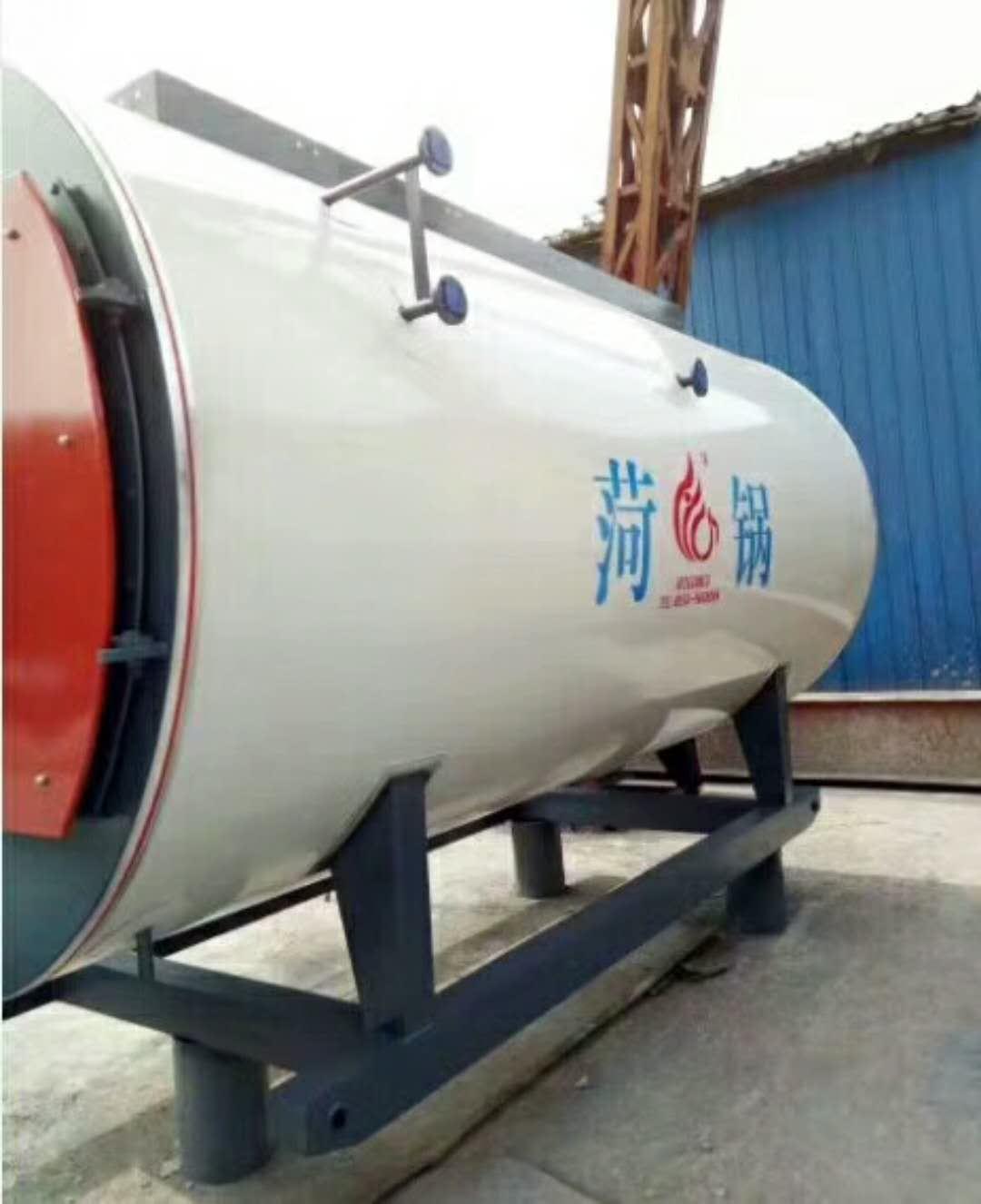
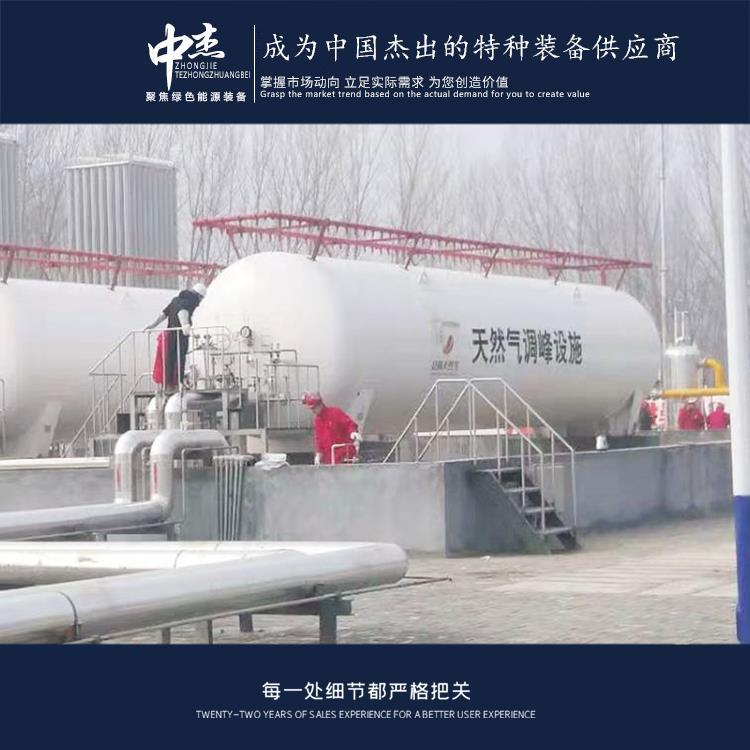
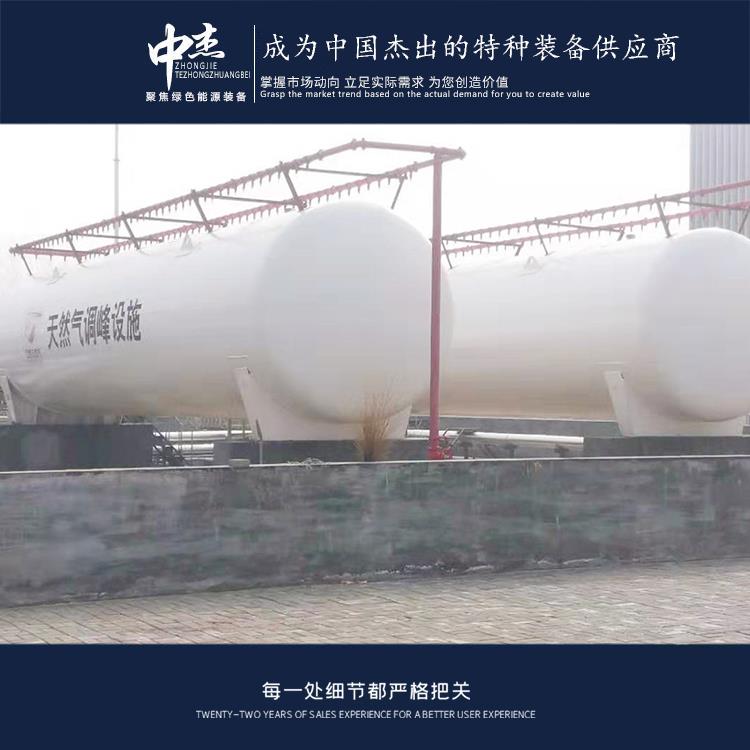
Shandong Zhongjie Special Equipment Co., Ltd. specializes in the following products: fuel (gas) boilers, organic heat carrier boilers, biomass boilers, waste heat recovery boilers, and other boiler products; vacuum insulation cryogenic pressure vessels such as LNG tanks, oxygen/nitrogen/argon tanks, and CO2 tanks; pressure vessel products including denitrification engineering equipment, heat storage and energy storage equipment, and complete chemical equipment sets; central air conditioning and ventilation equipment such as ground (water) source heat pumps, air source units, water-cooled screw units, and air-cooled modular units. Planned products include large-scale energy centers, LNG transport vehicles, LNG tank containers, and other green energy equipment.
The low-temperature storage tank boasts several advantages:
Storage: Low-temperature storage tanks can maintain liquid cryogenic materials (such as liquid nitrogen, liquid oxygen, etc.) at low temperatures, preserving their liquid state. Compared to gas storage, liquid storage significantly increases storage density and saves space.
Long-Term Storage: Low-temperature storage tanks can store low-temperature materials for extended periods, extending their service life. By controlling the temperature inside the tank and the performance of the insulation, evaporation and oxidation of the liquid material can be slowed down, maintaining its stability and purity.
Safety: Low-temperature storage tanks feature excellent safety performance. The tanks are made with special materials and structural design, capable of withstanding low temperatures and high pressures. Additionally, the tanks are equipped with safety devices such as pressure relief valves and level alarms, ensuring safe operation and use.
Wide Range of Applications: Low-temperature storage tanks are extensively used in various fields. They can be used for storing liquid oxygen and providing oxygen supply; in industrial applications, they are suitable for storing liquefied natural gas (LNG) and other process gases like liquid nitrogen; in scientific research, they are used for storing low-temperature experimental samples.
Environmental Protection and Energy Conservation: Low-temperature storage tanks enable effective storage and utilization of low-temperature substances, reducing energy waste and environmental pollution. During the storage and transportation of liquid substances, energy loss is minimal, improving energy utilization efficiency.
In summary, low-temperature storage tanks offer advantages such as storage, long-term storage, safety, multi-field applications, and environmental protection and energy saving. This makes low-temperature storage tanks an essential equipment for storing and supplying low-temperature materials, playing a crucial role in various industries.
Possible reasons for increased liquid loss in liquid nitrogen tanks may include:
Evaporation Loss: Liquid nitrogen is a low-temperature liquid with a boiling point of -196 degrees Celsius. Even under good insulation conditions, evaporation of liquid nitrogen occurs. Therefore, the main cause of liquid loss in liquid nitrogen tanks is evaporation. If the insulation layer of the tank is damaged or the insulation performance is poor, evaporation loss will increase.
Leakage: Leaks in liquid nitrogen storage tanks can also lead to increased liquid loss. Leaks may occur at the interfaces, valves, pipelines, and other parts of the tank. Leaks can be caused by equipment aging, material fatigue, improper operation, and other reasons.
Improper Operation: Incorrect operation and maintenance may also lead to increased liquid nitrogen loss in the storage tank. For example, frequently opening the tank's lid, keeping the lid open for extended periods, and not repairing leaks in a timely manner.
Environmental Factors: Environmental factors can also affect the liquid nitrogen tank's liquid loss. For instance, high-temperature environments can decrease the tank's insulation performance, thereby increasing evaporation loss.
To minimize liquid nitrogen tank liquid loss, the following measures can be taken:
Ensure the tank's insulation is intact and perform regular inspections and maintenance.
Regularly inspect the tank's interfaces, valves, pipes, and other parts to ensure their sealing performance is good and prevent leaks.
Strictly control the frequency and duration of tank openings to prevent unnecessary liquid evaporation.
Avoid using liquid nitrogen tanks in high-temperature environments, or take measures to maintain a low-temperature state around the tank.
It should be noted that liquid nitrogen tank liquid loss is inevitable, but through reasonable operation and maintenance, it can be reduced to a minimum.
Protection tips for liquid nitrogen tanks include the following:
Wear protective gear: When operating liquid nitrogen tanks, it is mandatory to wear appropriate protective gear, including gloves, protective suits, and non-slip shoes. This gear protects the skin from the low temperature of liquid nitrogen and other hazards.
Avoid direct contact: Liquid nitrogen is extremely cold and can cause frostbite. Therefore, it is crucial to avoid direct contact with liquid nitrogen, especially with the skin. Use tools or utensils for handling to prevent direct hand contact with liquid nitrogen.
Note Ventilation: In the operation area of the liquid nitrogen tank, proper ventilation must be ensured to expel gases produced by the evaporation of liquid nitrogen. Maintain air circulation to avoid excessive oxygen concentration, and reduce the risk of fire and explosion.
Prevent Leaks: Regularly inspect the liquid nitrogen storage tank for leaks and equip with leak detection and alarm systems. In case of a leak, take immediate action to control and repair it. Avoid potential hazards to personnel and the environment caused by liquid nitrogen leaks.
Fire Prevention Measures: Nitrogen liquid has a low boiling and freezing point, which is prone to causing fires. To prevent and contain fires, fireproof walls and fire-retardant coatings should be installed around nitrogen liquid storage tanks.
Electrostatic Protection: Electrostatic buildup in liquid nitrogen tanks can cause sparks, increasing the risk of fire. Measures such as using electrostatic conductive materials and anti-static equipment are taken to reduce the accumulation and release of static electricity.
Regular Inspections and Maintenance: Conduct regular checks on the condition of liquid nitrogen storage tanks and associated equipment, including valves, pipes, pressure gauges, etc. Ensure that the equipment is in perfect condition, and promptly repair or replace any damaged parts.
Waste Gas Treatment: Liquid nitrogen tanks will produce waste gas during operation, and appropriate waste gas treatment must be implemented.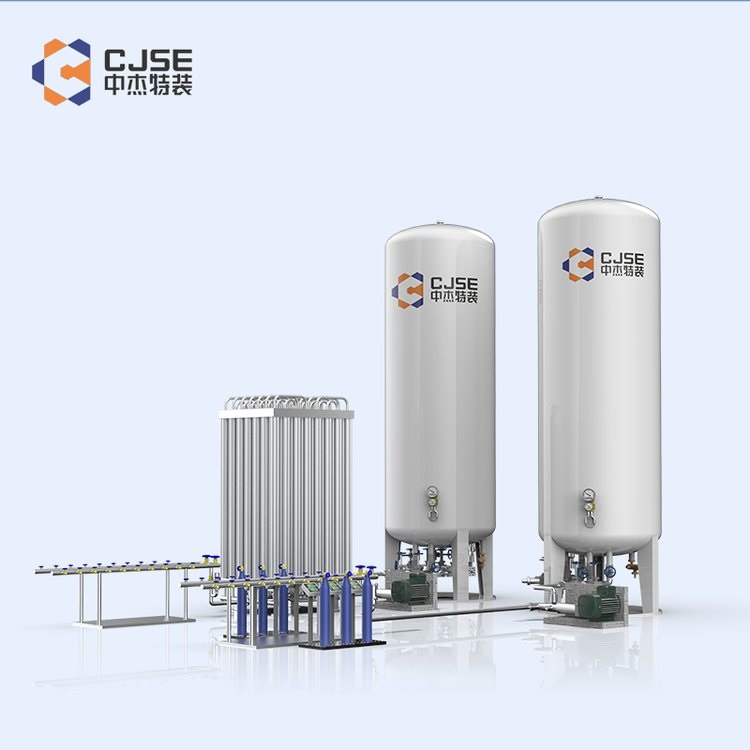
Oxygen storage tanks and liquid oxygen storage tanks are equipment used for storing oxygen, but they have some distinctions: Storage form: Oxygen storage tanks are typically used for storing gaseous oxygen, while liquid oxygen storage tanks are for storing liquid oxygen. Oxygen is in a gaseous state at room temperature but can be cooled to a liquid state at low temperatures for more efficient storage and use. Storage pressure: Oxygen storage tanks usually store high-pressure oxygen, with pressures around 200-300 bar. Liquid oxygen storage tanks store liquid oxygen at lower pressures, generally around 2-5 bar. Storage capacity: Oxygen storage tanks usually have smaller capacities, suitable for personal or small-scale use. Liquid oxygen storage tanks have larger capacities, suitable for industrial or large-scale use. Storage method: Oxygen storage tanks store oxygen in a gaseous form, utilizing compressed gas storage. Liquid oxygen storage tanks store oxygen in a liquid form, converting it to a liquid state by cooling it below its boiling point. Safety requirements: Due to the high oxidizing nature of liquid oxygen, liquid oxygen storage tanks require more stringent safety standards in design and use. They typically need to have good thermal insulation, leak control, and fire prevention measures to ensure safe operation. It should be noted that the specific design and specifications of oxygen storage tanks and liquid oxygen storage tanks may vary depending on different regions, applications, and locations. When using these tanks, it is essential to follow applicable regulations, standards, and safety guidelines, and to cooperate with local regulatory bodies and personnel to ensure the tanks' safety and reliability.
Our company highly values technological innovation and R&D design, boasting 1 municipal-level enterprise technology center in Heze City. We have established testing facilities for non-destructive testing, physical and chemical testing, welding testing, hydrostatic testing, and more. We are equipped with over 600 pieces of various equipment, including CNC machine tools, X-ray flaw detectors, digital ultrasonic flaw detectors, mechanical property testing machines, chemical analyzers, spectrometers, tensile testing machines, plasma welding machines, and more. The key products we have developed, such as welding for temperature and pressure vessels, emissions reduction in biomass boilers, and waste heat utilization, have successively been shortlisted for multiple Shandong Provincial Department of Industry and Information Technology science and technology innovation projects, Shandong Provincial key projects, and Heze City innovation and excellence projects. We have cumulatively obtained 27 authorized utility model patents, 16 authorized invention patents, participated in drafting 2 standards, 2 industry standards, and registered 15 trademarks. The technical team of our company, in collaboration with Professor Yajiang Li of Shandong University, has jointly developed deep cryogenic container processing technology, utilizing the international plasma arc + filler wire tungsten inert gas arc welding (PAW-GTAW) technology. After provincial-level scientific and technological achievement identification, the technology level has reached an international standard in the field of deep cryogenic container manufacturing. Choose Zhongjie Special Equipment, and let's create brilliance together!
Anhui Low-Temperature Liquid Argon Storage Tank - Over 20 Years of Experience for Added Confidence
