


Shandong Zhongjie Special Equipment (formerly Heze Boiler Factory Co., Ltd.) was established in 2001, located at No. 2218 Jinnan Road, Development Zone, Heze City, with a registered capital of 50 million yuan and total assets of 500 million yuan. The company has 7 business centers: boilers, deep-freeze containers, pressure vessels, central air conditioning, engineering installation, international trade, and Internet of Things. It has three factory sites on Jinnan Road, East Changjiang Road, and Bohai Road, covering a total of 200,000 square meters, with the main workshop spanning 83,000 square meters. It currently employs 710 staff, including 247 engineers and technicians, and 82 intermediate-level technicians. In December 2016, it was recognized as a "High-tech Enterprise" by the Science and Technology Department. In June 2021, it was identified as a "Specialized and New Enterprise in Shandong Province" by the Ministry of Industry and Information Technology. In June 2022, it was recognized as a "Gazelle Enterprise in Shandong Province" and in August 2022, as a "Specialized and New Small Giant Enterprise" by the Ministry of Industry and Information Technology.
To reduce the heat loss of a gas boiler, the following measures can be taken:
- Enhance insulation: Insulate the outer shell and pipes of the gas boiler to minimize heat loss. Use insulating materials like rock wool or glass wool to wrap the boiler and pipes.
- Install a heat recovery system: Fit a heat recovery unit in the flue of the gas boiler to capture the residual heat in the flue gases. This can improve thermal efficiency and reduce heat loss.
- Control the combustion process: Properly control the combustion process to ensure complete, stable, and efficient combustion. Adjust the parameters of the burner, such as air flow and gas supply, to enhance combustion efficiency and reduce heat loss.
- Clean the heat exchanger: Regularly clean the heat exchanger of the gas boiler to remove dirt and sediment from the surface. This maintains the heat exchange efficiency and reduces heat loss.
- Control the exhaust gas temperature: Reasonably control the exhaust gas temperature of the gas boiler to avoid excessive temperatures that lead to significant heat loss. Adjust burner parameters and flue design to achieve this.
- Regular inspection and maintenance: Conduct regular inspections and maintenance on the gas boiler to ensure proper operation. This includes checking the combustion system, water level control, and safety valves, and promptly repairing or replacing damaged parts.
- Make use of waste heat: Utilize the waste heat generated by the gas boiler for other processes requiring heat, such as water heating and heating systems. By using waste heat, reduce energy waste and improve energy utilization efficiency.
- Through these measures, heat loss of the gas boiler can be effectively reduced, energy utilization efficiency can be improved, and energy consumption can be minimized.
Steam boilers produce a certain amount of wastewater during operation, which requires drainage treatment. Here are the general steps for steam boiler drainage: Preparation: Before draining, ensure the steam boiler is turned off and the pressure inside has been reduced to a safe level. Open the Drain Valve: Locate the appropriate drain valve according to the design of the steam boiler and open it. The drain valve is typically found on the bottom or near the bottom of the boiler's drain pipe. Discharge Wastewater: Once the drain valve is open, wastewater will flow out of the drain pipe. Depending on the situation, you can use a drain pump or gravity to expel the wastewater. Observe the Wastewater: During the drainage process, observe the wastewater's color, turbidity, and odor to determine if there are any abnormalities, such as sediments, impurities, or odors. Close the Drain Valve: After the wastewater has been discharged or the predetermined drainage target has been met, close the drain valve. Clean the Drain System: Regularly clean the drain system to prevent blockages or accumulation of debris, ensuring the drain system remains clear. Note that the specific steps and frequency of steam boiler drainage may vary depending on the model, usage conditions, and operational requirements. Therefore, when performing steam boiler drainage operations, it's advisable to refer to the boiler's operation manual or consult with experts to ensure correct and safe procedures.
The key to maintaining a hot water boiler is regular maintenance and inspections. Here are some common maintenance steps and precautions:
* Clean the burner and flue: Regularly clean the burner and flue to remove soot and dirt, maintaining combustion and heat exchange efficiency. Use cleaning tools and equipment as per the operation manual.
* Check water level and pressure: Regularly inspect the water level and pressure of the hot water boiler to ensure safe operation. Refill water and adjust pressure to avoid issues caused by low or high water levels.
* Test water quality: Regularly conduct water quality tests to check for hardness, alkalinity, oxygen content, and other indicators. Take appropriate water treatment measures based on test results, such as descaling and replenishing missing chemicals, to prevent scale and corrosion damage to the boiler.
* Inspect safety devices: Regularly check the safety devices of the hot water boiler, including safety valves, pressure switches, and water level controllers, to ensure proper functioning and safe operation.
* Check the electrical system: Regularly inspect the boiler's electrical system, including power connections, controllers, and sensors, to ensure the proper operation of electrical equipment and avoid electrical failures.
* Regularly drain: Regularly drain the wastewater and impurities from the boiler to avoid their impact on the boiler. Develop a reasonable drainage plan based on the boiler's usage and water quality conditions.
* Keep records and monitor: Record the boiler's operating parameters, maintenance records, and fault situations, and regularly monitor and analyze them to identify and address issues promptly.
* Train operators: Ensure that operators are adequately trained.
When selecting a thermal oil furnace for the rubber industry, pay attention to the following aspects:
- Temperature requirements: Determine the required working temperature range based on the process needs of the rubber industry. Ensure the thermal oil furnace can stably provide the necessary working temperature.
- Heat load: Calculate the required heat load based on the production scale and process requirements of the rubber industry. Ensure the heat load of the thermal oil furnace meets the industry's needs.
- Thermal efficiency: The thermal efficiency of the thermal oil furnace directly impacts energy consumption and operating costs. Consider the thermal efficiency and choose energy-saving products when selecting a thermal oil furnace.
- Safety: The safety of the thermal oil furnace is crucial. Choose a furnace with comprehensive safety protection devices and an automatic control system to ensure safe and reliable operation.
- Maintenance: Proper maintenance is vital for extending the lifespan and ensuring normal operation of the thermal oil furnace. Consider the ease and cost of maintenance when selecting a thermal oil furnace.
- Manufacturer's reputation: Choose a thermal oil furnace manufacturer with a good reputation and extensive experience to ensure product quality and reliable after-sales service.
- Cost-effectiveness: Consider the price, energy consumption, and maintenance costs of the thermal oil furnace when selecting a product with good cost-effectiveness.
- It is recommended to consult and communicate with heating equipment suppliers or engineers when purchasing a thermal oil furnace, select based on specific needs, and follow relevant industry standards and regulations.
Zhongjie Special Equipment upholds the grand vision of "realizing employees' dreams, creating value for customers, and striving for the prosperity and strength of our motherland," and is dedicated to the development of the green energy equipment industry. We offer society high-quality products and services at competitive prices!
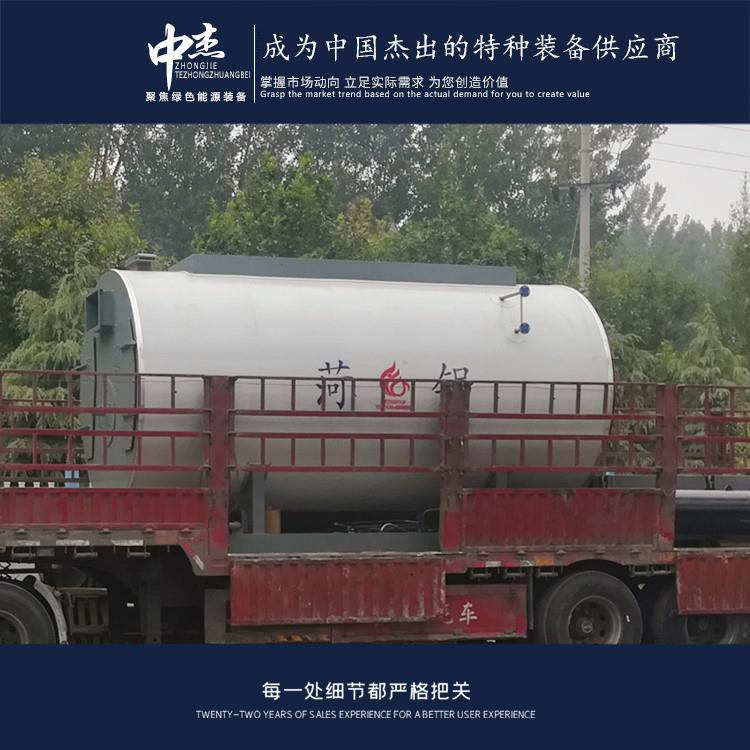
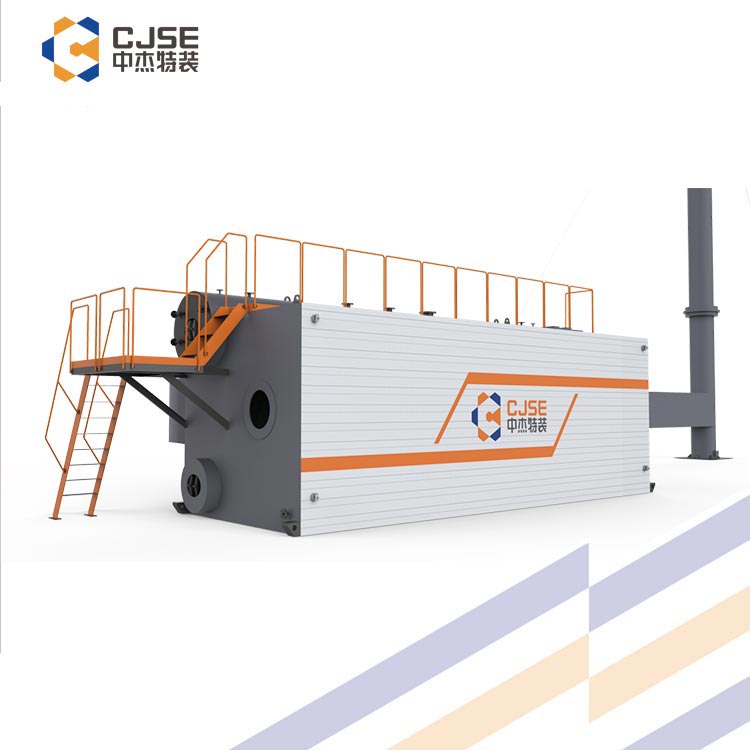
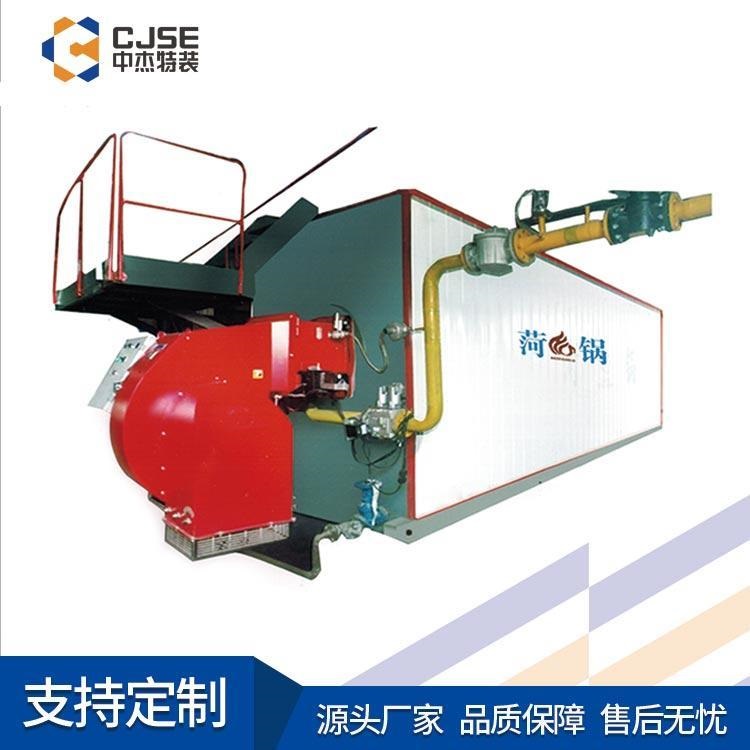
25-ton gas boiler in Suzhou, customizable as required
