


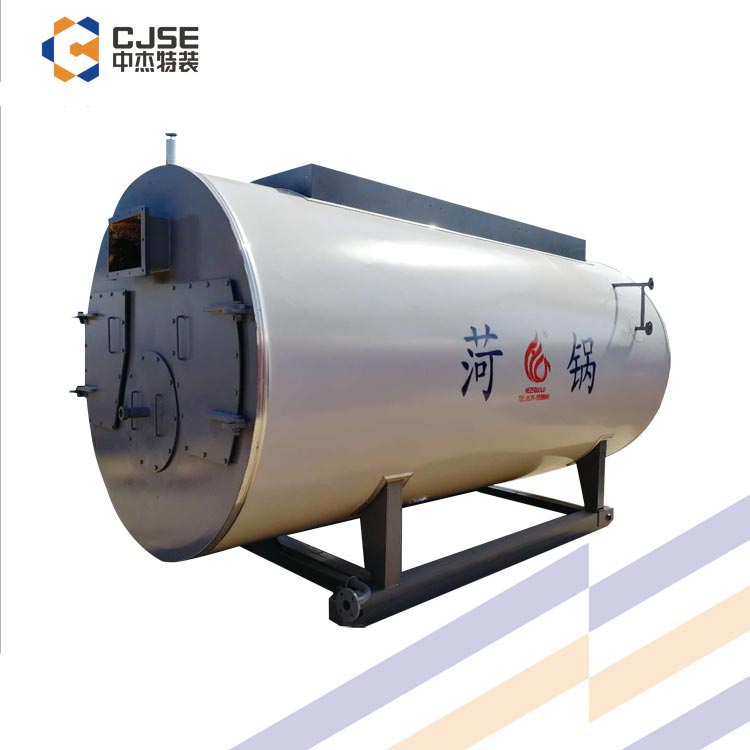
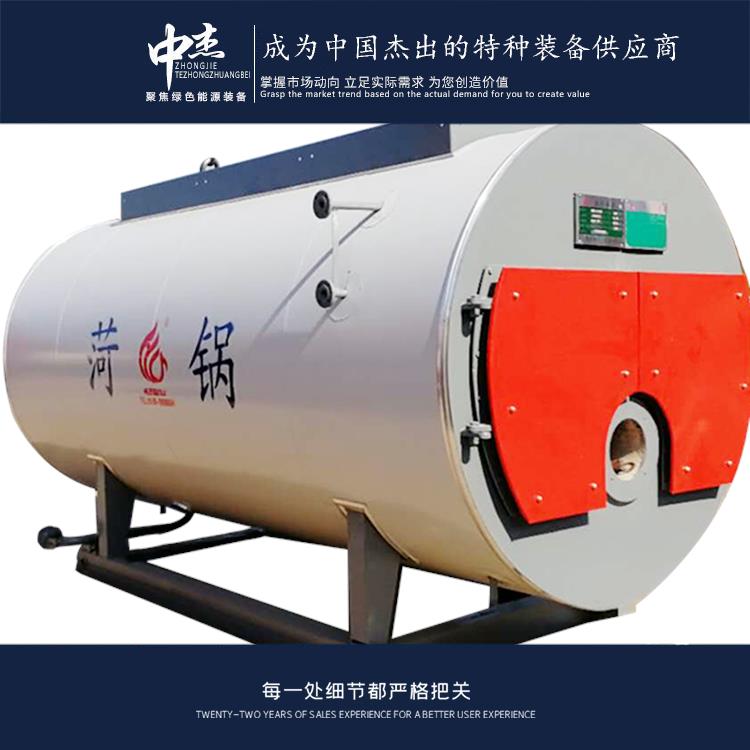
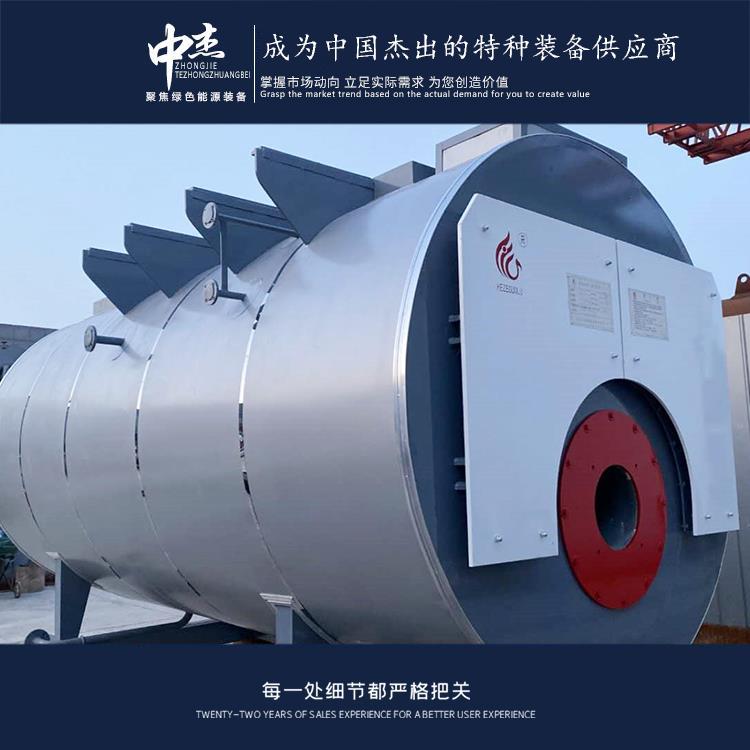
Shandong Zhongjie Special Equipment (formerly Heze Boiler Factory Co., Ltd.) holds an A-grade boiler manufacturing license, A2-grade pressure vessel manufacturing license, A2-grade pressure vessel design license, B-grade boiler installation license, and GB2/Class and GC2/Class pressure pipeline installation licenses, as well as equipment and machinery installation contracting qualifications. It is a member of the China Boiler and Water Treatment Association, the China Chemical Equipment Association, and the director unit of the Shandong Equipment Manufacturing Association. The company has also passed certifications for the ISO9001 Quality Management System, ISO14001 Environmental Management System, OHSAS18001 Occupational Health and Safety Management System, and the U.S. ASME/U2 certification.
Yes, durable thermal oil boilers typically have a longer service life. Here are some reasons: Material Quality: Thermal oil boilers are made with high-quality materials such as heat-resistant and corrosion-resistant steel and alloys. These materials can withstand high temperatures and pressures, offering good durability and corrosion resistance, thereby extending the boiler's lifespan. Design and Manufacturing: Long-lasting thermal oil boilers usually employ sound design and manufacturing processes. Reasonable structural design and precise manufacturing techniques reduce stress concentration and thermal stress, enhancing the boiler's stability and durability. Regular Maintenance: Regular maintenance of thermal oil boilers is crucial for extending their service life. Regularly cleaning and inspecting the boiler's internal pipes, flues, and burners, and promptly replacing worn-out parts, can minimize malfunctions and damage, and prolong the boiler's lifespan. Proper Operation and Management: Correct operation and management are also vital factors in ensuring the longevity of thermal oil boilers. Operators should follow the operation manual and procedures, avoid overloading and improper operation, ensuring the boiler operates safely and stably. It's important to note that even durable thermal oil boilers require regular inspections and maintenance to ensure proper operation and extend their lifespan. Moreover, the boiler's lifespan is also affected by factors such as the operating environment, load conditions, and operating methods. Therefore, proper use and maintenance are key to ensuring the longevity of thermal oil boilers.
After the hot water boiler is shut down, here are some common maintenance measures:
1. Clean the boiler: After shutdown, the boiler should be cleaned first. Dust, dirt, and sediments inside the boiler can be washed with appropriate cleaning tools and detergents. Pay special attention to cleaning the combustion chamber, flue, and heat exchanger, among other critical areas.
2. Drain the water: Empty the water from the boiler to prevent the accumulation of scale and corrosive substances. Open the drain valve and let the water out until the interior of the boiler is completely drained.
3. Corrosion protection: Before shutdown, apply corrosion protection to prevent internal metal corrosion in the boiler. Use suitable corrosion inhibitors or coatings and apply them to the key areas of the boiler.
4. Inspection and maintenance: During shutdown, regularly inspect the various components and connections of the boiler to ensure there are no loose, damaged, or leaking issues. If problems are found, repair or replace them promptly.
5. Keep dry: After shutdown, maintain the dryness inside the boiler. Open the ventilation and exhaust ports of the boiler to ensure air circulation, preventing dampness and the growth of mold.
6. Regular inspection: Regularly check the condition of the boiler to ensure there are no abnormalities. Develop a corresponding inspection plan based on the boiler's usage and requirements, such as a comprehensive check every quarter or year.
7. Pre-startup preparation: Before restarting the boiler, prepare accordingly. This includes cleaning the boiler, checking the connections of equipment and pipelines, and inspecting the fuel supply.
A thermal oil heater is a device that uses thermal oil as a heat medium, transferring heat energy generated by combustion or electric heating to the equipment or process that requires heating. The working principle of a thermal oil heater involves heating the thermal oil to a certain temperature and then circulating it through a pump to the heated equipment or process, transferring the heat energy to the heated object. The thermal oil exchanges heat with the heated object in the heat exchanger, raising the temperature of the object while cooling down the thermal oil, which then returns to the furnace for reheating in a continuous cycle. The heat transfer process of the thermal oil heater primarily relies on the thermal conductivity of the thermal oil. It has a high thermal conductivity, enabling it to quickly transfer heat energy to the heated object, achieving an effective heating effect. Additionally, thermal oil boasts high thermal stability, allowing it to operate stably at high temperatures without decomposition or oxidation. Thermal oil heaters typically consist of the furnace body, combustion system, flue gas system, heat exchanger, circulating pump, and control system. The furnace body is the main part of the thermal oil heater, used to contain the thermal oil and the combustion system. The combustion system is responsible for burning fuel to produce heat energy and heat the thermal oil. The flue gas system is used to exhaust the combustion by-products. The heat exchanger is the equipment where the thermal oil exchanges heat with the heated object. The circulating pump is in charge of circulating the thermal oil back to the furnace for reheating. The control system monitors and controls the operation of the thermal oil heater to ensure safe and stable operation. Thermal oil heaters offer advantages such as high temperature control accuracy, fast heating speed, low energy consumption, and easy operation, and are widely used in industries like chemical processing, textile, food processing, papermaking, and some specialized heating processes.
Regular inspections of industrial boilers are crucial for ensuring safe operation, improving efficiency, and extending their lifespan. Here are the key benefits of regular industrial boiler inspections:
Safety Assurance: Industrial boilers are high-temperature, high-pressure equipment. Without regular inspections, safety hazards may exist. Regular inspections can identify and rectify potential issues within the boiler, such as combustion system failures, water level control malfunctions, and safety valve failures, ensuring safe boiler operation.
Efficiency Enhancement: Regular inspections can detect dirt and deposits inside the boiler, maintaining the cleanliness of heat exchangers and thermal conductivity efficiency, thereby improving the boiler's thermal and energy efficiency. This helps reduce energy consumption and operating costs.
Extended Lifespan: Regular inspections can promptly identify and address corrosion, wear, and fatigue issues within the boiler, preventing further damage and failures, and extending the boiler's lifespan. Regular maintenance can also prevent and reduce boiler damage and failures.
Legal and Regulatory Requirements: Many regions have established laws, regulations, and standards for boiler safety management, requiring regular inspections and maintenance of industrial boilers. Regular inspections are a critical aspect of complying with legal and regulatory requirements.
Insurance Requirements: Some insurance companies have specific requirements for the insurance of industrial boilers, mandating regular inspections and maintenance. Regular inspections can meet insurance company requirements and protect the insurance rights of the enterprise.
In summary, regular inspections of industrial boilers are important for ensuring safety, improving efficiency, extending lifespan, complying with legal and regulatory requirements, and meeting insurance requirements. Regular inspections should be conducted by qualified institutions or personnel, following relevant laws, regulations, and standards. Timely inspections and maintenance can ensure the safe operation of industrial boilers.
Zhongjie Special Equipment upholds the grand vision of "realizing employees' dreams, creating value for customers, and striving for the prosperity and strength of our motherland," and is dedicated to the development of the green energy equipment industry. We offer society high-quality products and services at competitive prices!
Suzhou 50-ton gas boiler - Economical and practical
