


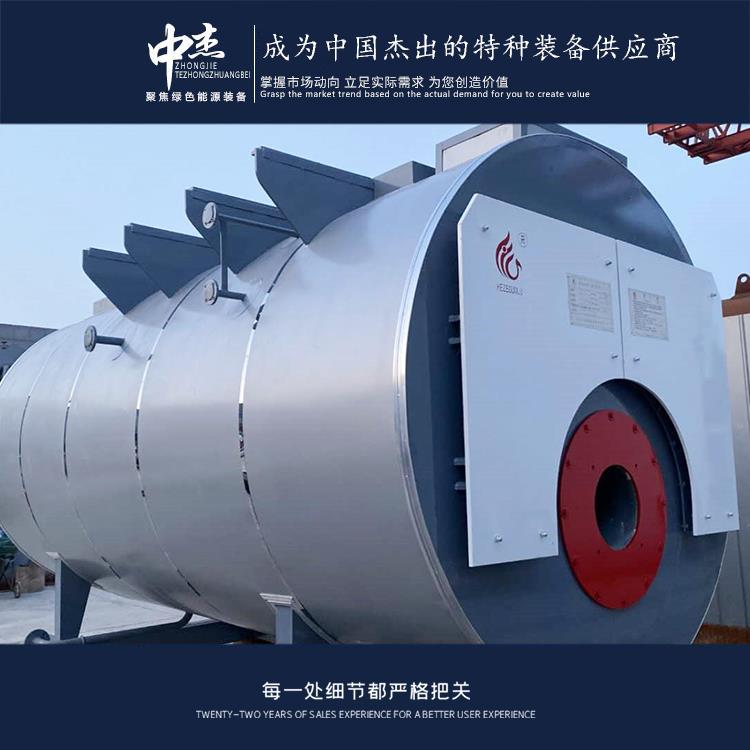
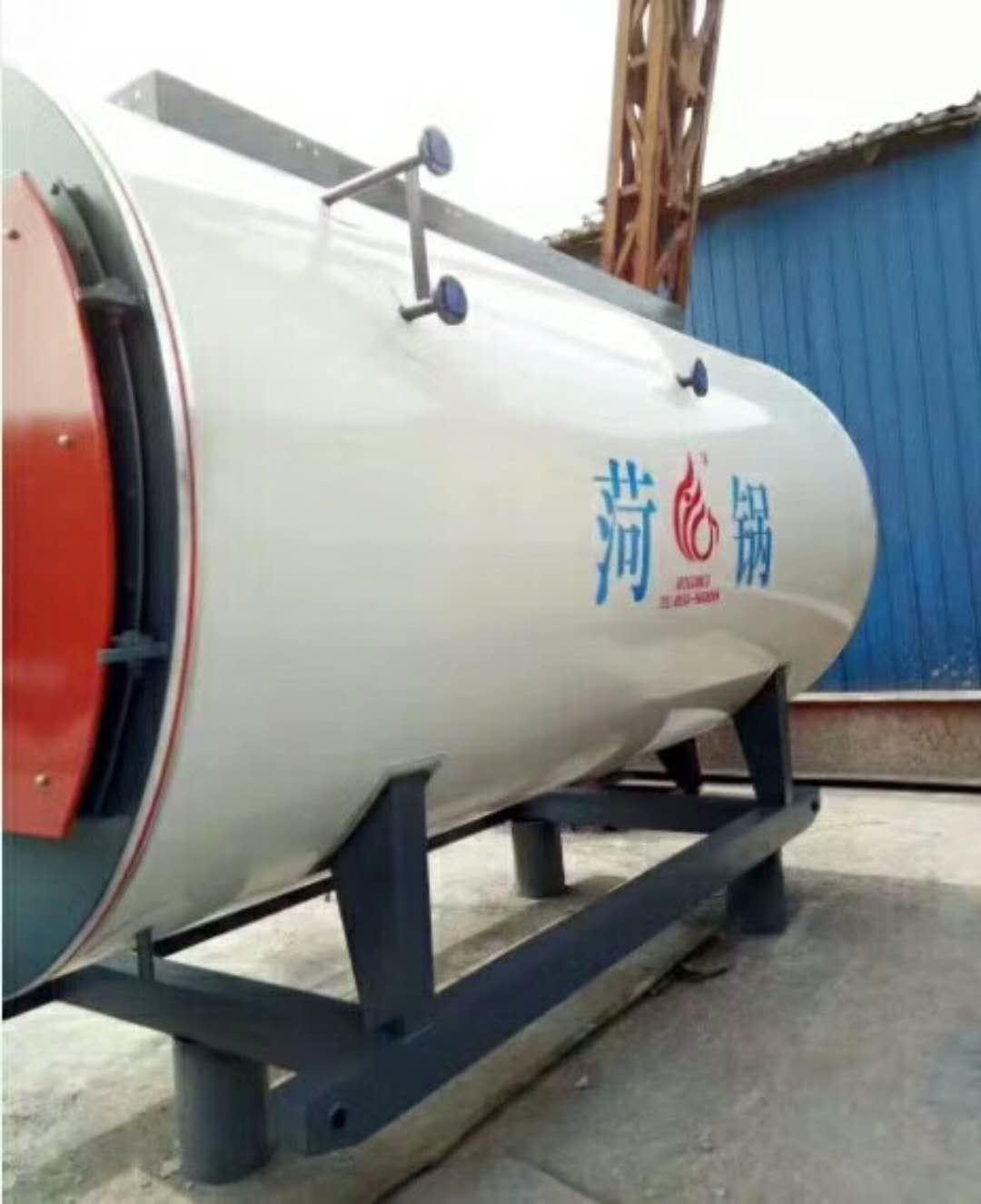
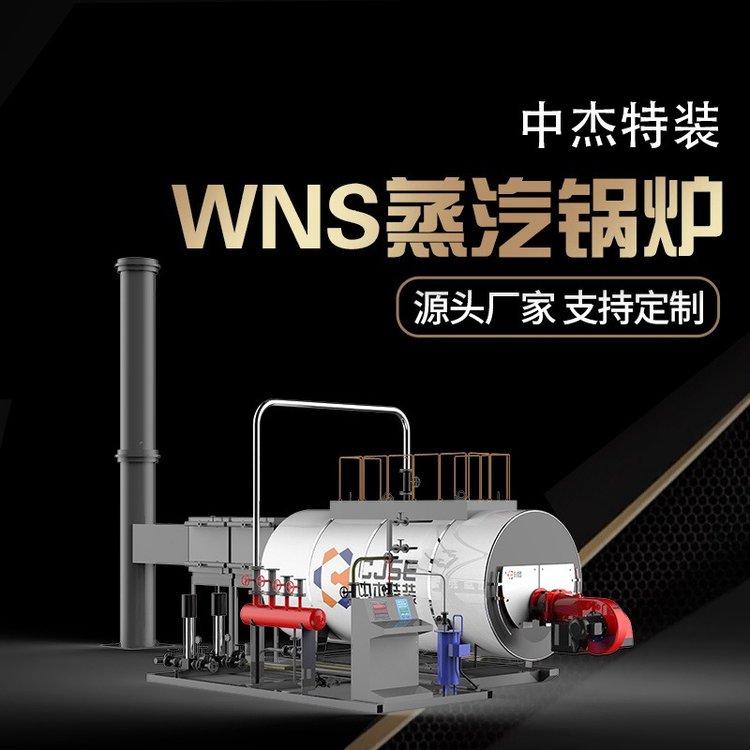
Shandong Zhongjie Special Equipment (formerly Heze Boiler Factory Co., Ltd.) holds an A-grade boiler manufacturing license, an A2-grade pressure vessel manufacturing license, an A2-grade pressure vessel design license, a B-grade boiler installation license, and GB2/Class, GC2/Class pressure pipeline installation licenses, as well as a mechanical and electrical equipment installation contracting qualification. It is a member of the China Boiler and Water Treatment Association, the China Chemical Equipment Association, and the council member of the Shandong Equipment Manufacturing Association. The company has also passed certifications for the ISO9001 Quality Management System, ISO14001 Environmental Management System, OHSAS18001 Occupational Health and Safety Management System, and the American ASME/U2 certification.
The main benefits of installing expansion grooves in a heat-conducting oil furnace are as follows:
- Alleviate thermal expansion and contraction: During operation, temperature changes in the heat-conducting oil furnace can cause thermal expansion and contraction of the oil. The expansion grooves provide space for the oil to expand, mitigating the impact of thermal expansion and contraction on equipment and pipelines, and preventing stress concentration and equipment deformation caused by it.
- Protect equipment and pipelines: The expansion grooves can absorb the expansion and contraction of the heat-conducting oil, reducing impact and vibration on equipment and pipelines. This helps extend the service life of the equipment and pipelines, and reduces the frequency of maintenance and replacement.
- Reduce leakage risk: The expansion grooves provide a sealed space, reducing the risk of heat-conducting oil leakage. When the oil expands, excess oil can be accommodated through the expansion grooves, preventing leaks and environmental pollution.
- Facilitate maintenance and repair: The presence of expansion grooves makes it easier to maintain and repair the heat-conducting oil furnace system. When equipment or pipelines need to be repaired or replaced, the flow and stoppage of the heat-conducting oil can be controlled through the expansion grooves, reducing downtime and the difficulty of maintenance.
-In summary, the expansion grooves play a role in alleviating thermal expansion and contraction, protecting equipment and pipelines, reducing leakage risk, and facilitating maintenance and repair in the heat-conducting oil furnace system. They are an important design element that contributes to the safety and reliability of the heat-conducting oil furnace system.
WNS Low Nitrogen Condensing Hot Water Boilers offer the following advantages:
- Low Nitrogen Emissions: Equipped with low nitrogen combustion technology, these boilers significantly reduce NOx emissions through optimized combustion processes and burner design. This helps minimize environmental pollution.
- High Thermal Efficiency: Utilizing condensing technology, these boilers enhance energy utilization by recovering heat from flue gases, typically achieving a thermal efficiency of over 90%, surpassing that of traditional hot water boilers. This aids in energy conservation and cost reduction.
- Safety and Reliability: The boilers come with a robust control system and safety devices, ensuring excellent safety performance. They are equipped with multiple safety features such as overheat protection, overpressure protection, and water level protection, which automatically monitor and control the boiler's operation for safe operation.
- Versatility: Suitable for various applications including industrial, commercial, and residential settings, these boilers can accommodate different thermal load requirements and offer strong flexibility. They can also be integrated with other systems like solar hot water systems and ground source heat pump systems to further improve energy efficiency.
- Easy Operation and Maintenance: The WNS Low Nitrogen Condensing Hot Water Boilers are designed for easy operation and maintenance.
When a gas steam boiler experiences overpressure, the following immediate measures must be taken:
1. Shut off gas supply: First, immediately close the gas supply to cut off the source of gas supply, stopping the combustion process to prevent further increase in steam pressure.
2. Open the pressure relief device: Open the boiler's pressure relief device, typically a safety valve. The safety valve is a critical safety feature of the boiler that automatically opens when the internal pressure exceeds the set value, releasing the excess pressure steam to reduce the boiler pressure.
3. Reduce the burner load: If the overpressure is due to excessive burner load, reduce the burner load to decrease steam generation and thus lower the boiler pressure. Adjust the gas supply to the burner or the burner's control method to accommodate the current load requirements.
4. Inspection and maintenance: After an overpressure event, inspect and maintain the boiler to identify the cause of the overpressure and make the necessary repairs. Possible causes may include burner failure, control system issues, valve failure, etc. If necessary, consult a boiler maintenance technician for inspection and maintenance.
It is important to note that overpressure is a dangerous condition in boiler operation and must be addressed promptly. When dealing with overpressure, operators should remain calm and follow safety procedures to ensure their own safety. If unsure how to handle an overpressure situation, immediately contact a boiler maintenance technician or relevant technical support personnel for assistance.
The gas steam boiler's gas consumption over a year, for a 1-ton capacity, depends on various factors, including the efficiency of the boiler, load conditions, and operating hours. Generally, it can be estimated using the following formula: Gas Consumption (m) = Boiler Efficiency × Boiler Rated Thermal Power × Operating Hours. Here, the boiler efficiency refers to the boiler's thermal energy utilization efficiency, typically expressed as a percentage; the boiler rated thermal power is the boiler's rated thermal output, usually in kilowatts (kW); and the operating hours are the time the boiler is in operation, typically measured in hours. It's important to note that the boiler's efficiency and rated thermal power can be determined based on the specific model and parameters of the boiler, while the operating hours need to be estimated based on actual usage. Therefore, to accurately calculate the annual gas consumption of a 1-ton gas steam boiler, it is recommended to refer to the technical specifications and operating records of the boiler, or consult the boiler manufacturer or engineer.
Zhongjie Special Equipment upholds the grand vision of "realizing employees' dreams, creating customer value, and striving for the prosperity and strength of our motherland," and is dedicated to the development of the green energy equipment industry. We contribute to society with high-quality products and services at competitive prices!
Jinzhou 25-ton gas boiler, high cost-performance ratio
