


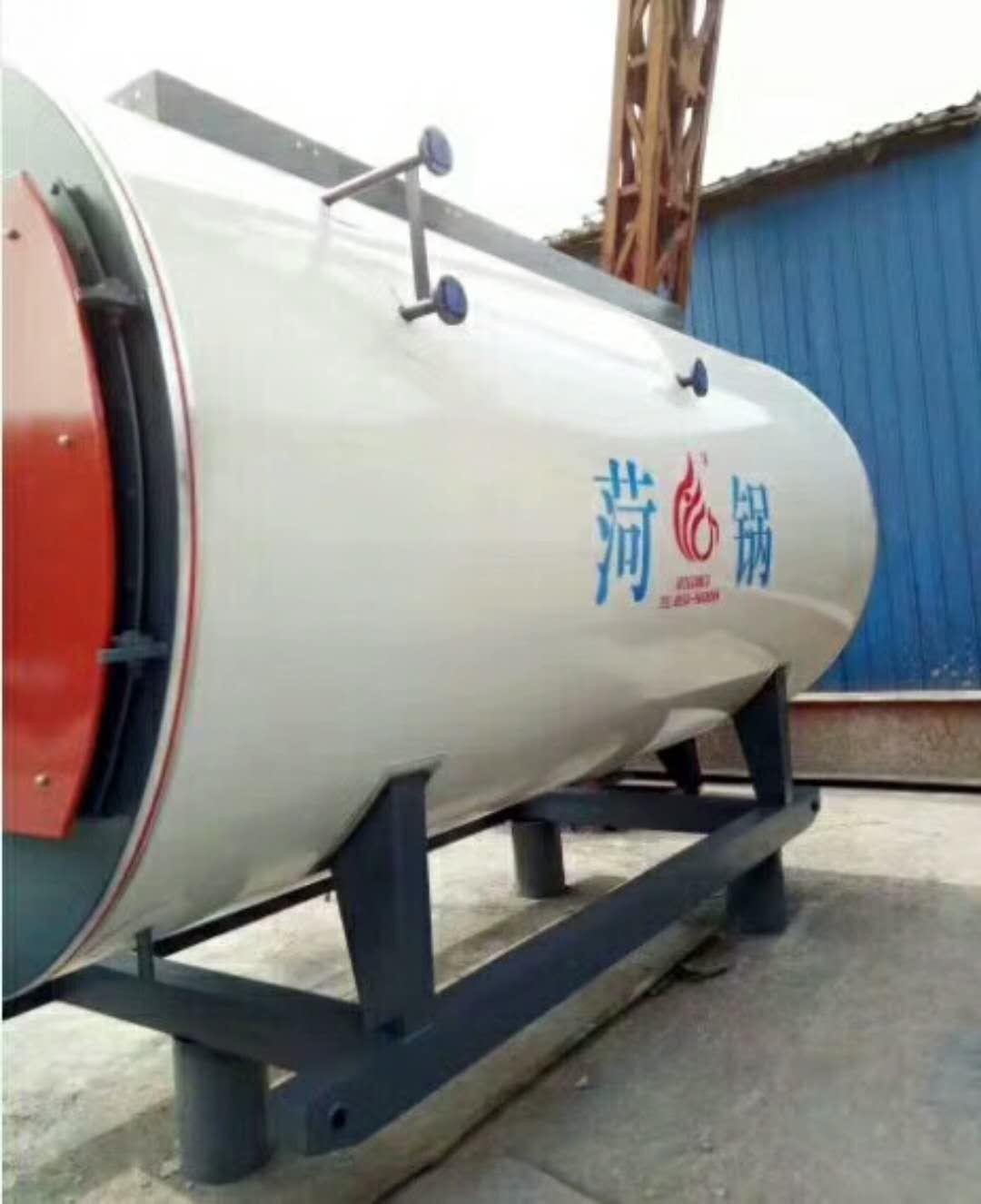
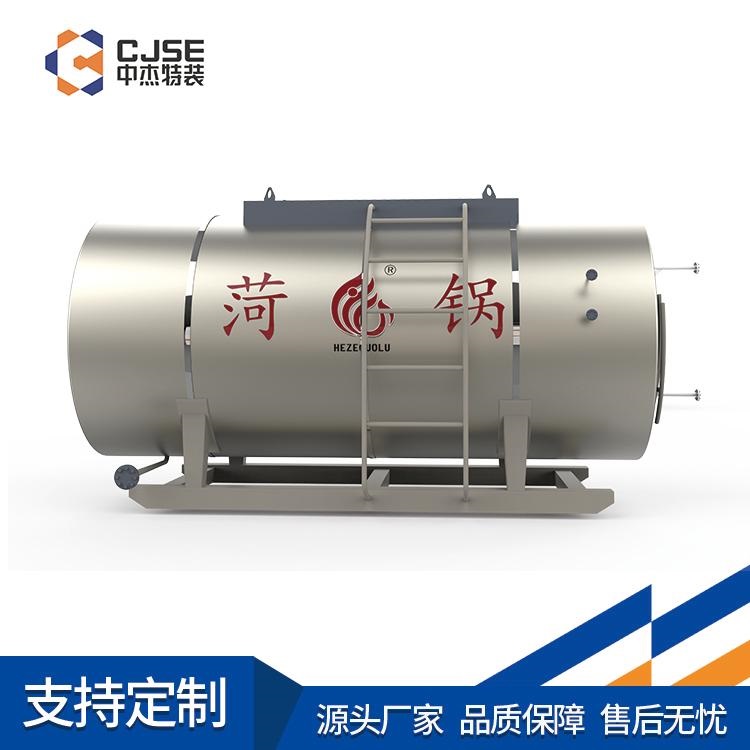
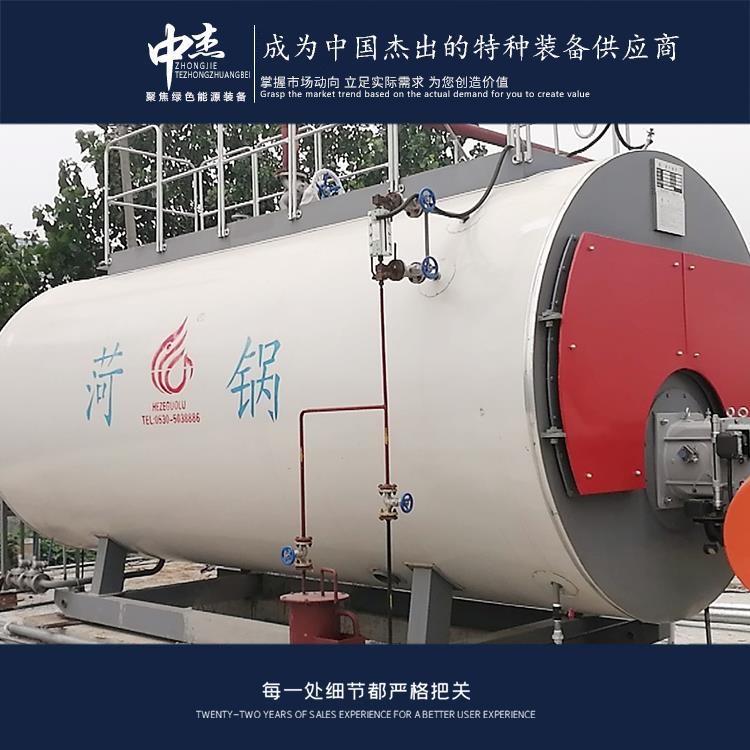
Shandong Zhongjie Special Equipment Co., Ltd. (formerly Heze Boiler Factory Co., Ltd.) holds an A-grade boiler manufacturing license, an A2-grade pressure vessel manufacturing license, an A2-grade pressure vessel design license, a B-grade boiler installation license, as well as GB2 and GC2 grade pressure pipeline installation licenses. The company also has the qualification for electromechanical equipment installation contracts. It is a member of the China Boiler and Water Treatment Association, the China Chemical Equipment Association, and a director unit of the Shandong Equipment Manufacturing Association. The company has passed the ISO9001 Quality Management System, ISO14001 Environmental Management System, OHSAS18001 Occupational Health and Safety Management System certifications, and the American ASME/U2 certification.
During the operation of a thermal oil furnace, several important matters should be noted:
- Temperature Control: Throughout the operation of the thermal oil furnace, close monitoring and control of the thermal oil temperature are necessary. Ensure the temperature remains within a safe range to avoid decomposition due to high temperatures or condensation and scaling due to low temperatures. Regularly inspect and calibrate the temperature sensors to ensure accurate temperature readings.
- Pressure Control: Maintain an appropriate working pressure during the operation of the thermal oil furnace. Excessive pressure can lead to equipment damage or leaks, while insufficient pressure can result in decreased heat transfer efficiency. Regularly inspect and maintain the pressure gauge and safety valve to ensure accurate and safe pressure control.
- Oil Quality and Cleanliness: The quality and cleanliness of the thermal oil are crucial for the normal operation of the furnace. Regularly inspect and replace the thermal oil to ensure it meets the required quality and performance standards. Regularly clean and maintain heat exchangers, burners, and flues to prevent the accumulation of dust and dirt, which can affect heat transfer efficiency.
- Regular Maintenance and Inspection: Regular maintenance and inspection of the thermal oil furnace are necessary to ensure proper operation and extend its service life. Regularly inspect and clean burners, flues, heat exchangers, and check and replace seals and valves. Inspect and calibrate safety devices to ensure equipment safety and reliability.
- Safe Operation: Strict adherence to operating procedures and safety protocols is required during the operation of the thermal oil furnace. Operators must possess relevant skills and knowledge.
Industrial boilers, during long-term operation, can develop scale and sedimentation, affecting heat exchange efficiency and the normal operation of the boiler. Here are some effective descaling methods:
1. Mechanical Cleaning: This method uses cleaning equipment and tools to wash away scale and sedimentation within the boiler using high-pressure water or mechanical brushes. It is suitable for lighter scale and sedimentation.
2. Chemical Cleaning: Utilizing chemical cleaning agents to dissolve scale and sedimentation through chemical reactions. Choose the appropriate cleaning agent based on the composition and properties of the scale, and operate according to the manufacturer's instructions. Chemical cleaning requires safe handling to avoid damage to equipment and the environment.
3. Acid Cleaning: Acid cleaning is a common descaling method suitable for some difficult-to-dissolve scale and sedimentation. Common acid cleaning agents include various types, and the appropriate agent and concentration should be selected based on the specific situation. Acid cleaning must be handled safely to avoid harm to equipment and personnel.
4. Alkaline Cleaning: Alkaline cleaning is a descaling method for certain types of scale, suitable for alkaline scale. Common alkaline cleaning agents include various types, and the appropriate agent and concentration should be selected based on the specific situation. Alkaline cleaning must be handled safely to avoid harm to equipment and personnel.
5. Physical Descaling: Physical descaling methods include ultrasonic cleaning and electro-descaling. Ultrasonic cleaning uses the vibration effect of ultrasound to shake the scale to pieces. Electro-descaling utilizes the principle of electrolysis to dissolve scale with the help of current. These physical descaling methods are suitable for some special cases and specific types of scale.
When choosing a descaling method, it is necessary to consider the specific conditions of the boiler.
Fuel and gas boiler combustion safety and explosion prevention are crucial. The following are some related safety measures:
Burner selection and adjustment: Choose burners that meet standard and regulatory requirements and ensure they are properly installed. The burner's parameters and adjustments should align with design requirements to ensure a stable and safe combustion process.
Fuel supply system: The fuel supply system of oil and gas boilers should have safe and reliable characteristics. Equipment such as fuel storage tanks, transmission pipelines, and filters should be inspected and maintained regularly to prevent leaks and blockages.
Combustion control system: The combustion control system of oil and gas boilers should have adequate control capabilities. The control system should be able to monitor and adjust combustion parameters such as fuel supply volume and combustion air volume to ensure a stable and safe combustion process.
Safety valves and pressure switches: Safety valves and pressure switches should be installed on oil and gas boilers to protect their safe operation. Safety valves can automatically open when exceeding the set pressure, releasing over-pressured gas or steam to prevent boiler explosions.
Gas leak detection: For gas boilers, gas leak detection devices should be installed. These devices can detect gas leaks in a timely manner and trigger alarms to prevent gas accumulation and explosions.
Regular inspections and maintenance: Regularly inspect and maintain fuel and gas boilers, including cleaning burners, checking the combustion system, and adjusting combustion parameters. Promptly repair or replace damaged parts to ensure the normal operation and safety performance of the equipment.
Training and operating procedures: Train operators to ensure they are equipped with the necessary knowledge and skills.
The gas steam boiler's annual gas consumption for a 1-ton unit depends on various factors, including the efficiency of the boiler, the load conditions, and the operating hours. Generally, it can be estimated using the following formula: Gas Consumption (m) = Boiler Efficiency × Rated Thermal Power × Operating Hours. Here, boiler efficiency refers to the boiler's thermal energy utilization efficiency, usually expressed as a percentage; rated thermal power is the boiler's rated thermal output, typically in kilowatts (kW); and operating hours are the duration the boiler operates, usually measured in hours. It's important to note that the efficiency and rated thermal power of the boiler can be determined based on the specific model and parameters, while the operating hours need to be estimated based on actual usage. Therefore, to accurately calculate the annual gas consumption for a 1-ton gas steam boiler, it is recommended to refer to the technical specifications and operating records of the boiler, or consult the boiler manufacturer or engineer.
Zhongjie Special Equipment upholds the grand vision of "realizing employees' dreams, creating value for customers, and striving for the prosperity and strength of our motherland," and is dedicated to the development of the green energy equipment industry. We contribute to society with high-quality, cost-effective products and services!
Puyang Gas-Fired Boiler Prices, Model and Parameter Table
