


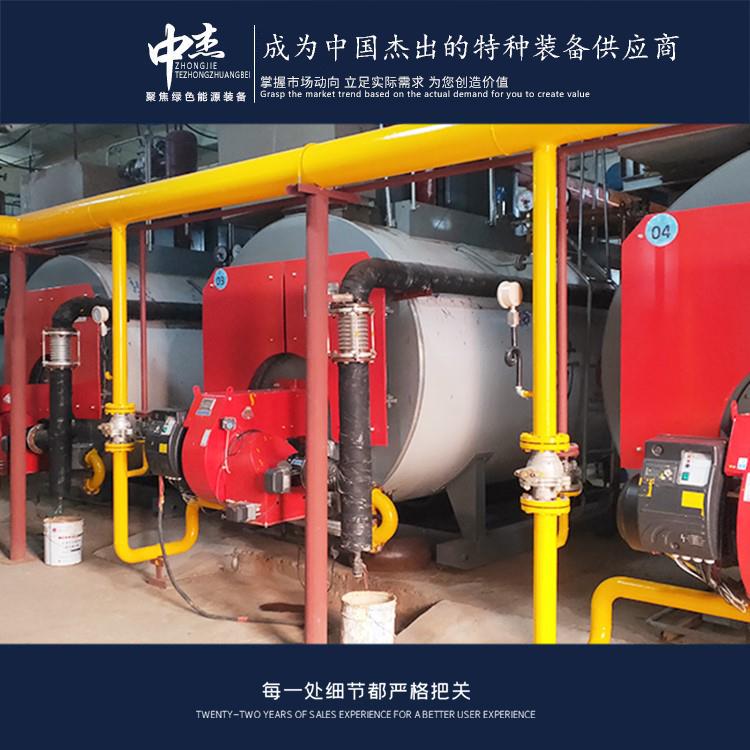
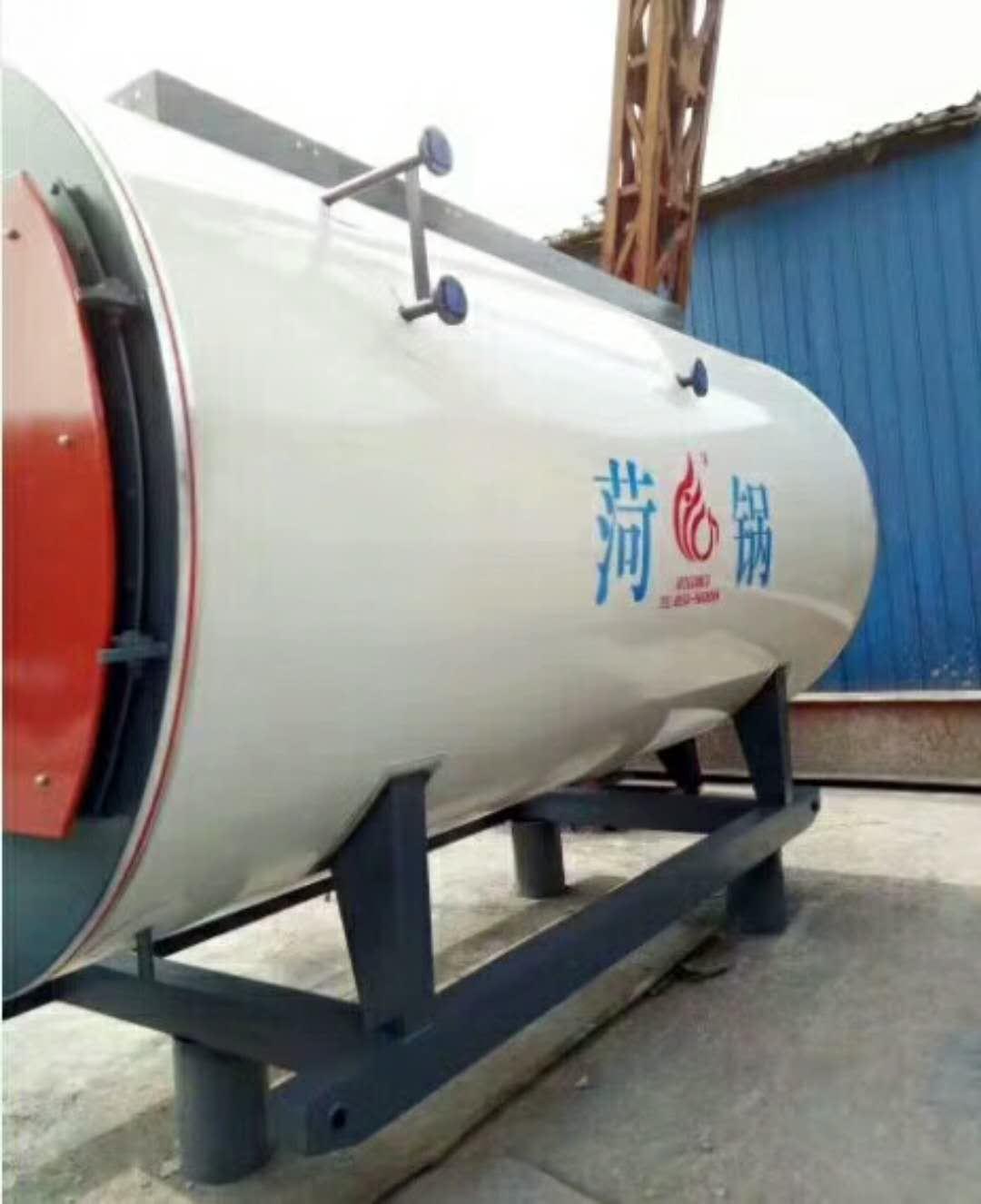
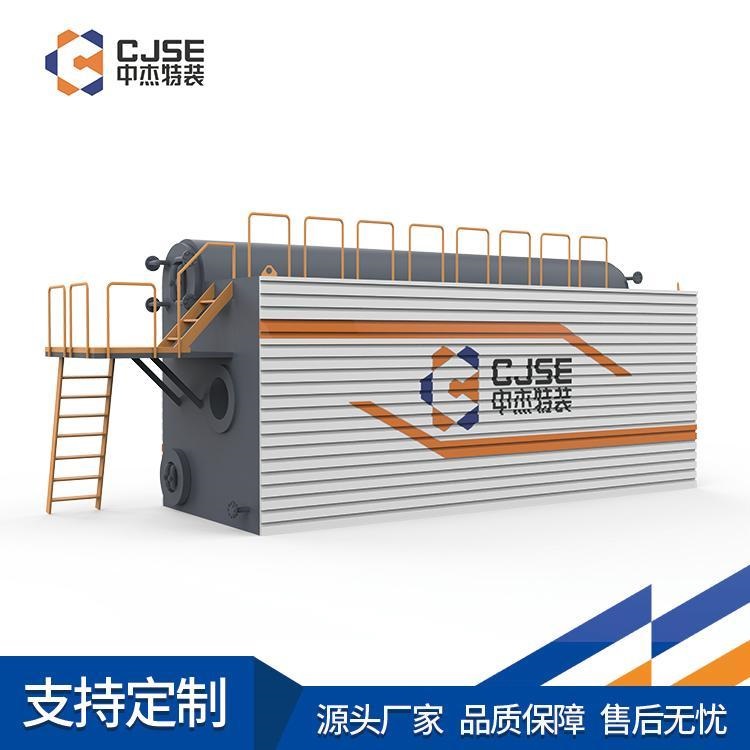
Shandong Zhongjie Special Equipment's main products include: fuel (gas) boilers, organic heat carrier boilers, biomass boilers, waste heat boilers, and other boiler products; vacuum insulation cryogenic pressure vessels such as LNG tanks, oxygen/nitrogen/argon tanks, and CO2 tanks; pressure vessel products such as denitrification engineering equipment, heat storage and energy storage equipment, and complete chemical equipment sets; central air conditioning and ventilation equipment such as ground (water) source heat pumps, air source units, water-cooled screw units, and air-cooled modular units. Planned products include large-scale energy centers, LNG transport vehicles, LNG tank containers, and other green energy equipment.
During the operation of a thermal oil furnace, several important matters should be noted:
- Temperature Control: Throughout the operation of the thermal oil furnace, close attention and control of the thermal oil temperature are required. Ensure the temperature remains within a safe range to avoid decomposition of the oil at high temperatures or condensation and scaling at low temperatures. Regularly inspect and calibrate the temperature sensors to ensure accurate temperature readings.
- Pressure Control: Maintain an appropriate working pressure during the operation of the thermal oil furnace. Excessive pressure can lead to equipment damage or leaks, while insufficient pressure can result in reduced heat transfer efficiency. Regularly inspect and maintain the pressure gauge and safety valve to ensure accurate and safe pressure control.
- Oil Quality and Cleanliness: The quality and cleanliness of the thermal oil are crucial for the normal operation of the furnace. Regularly inspect and replace the thermal oil to ensure it meets quality and performance requirements. Regularly clean and maintain heat exchangers, burners, and flues to prevent the accumulation of dust and dirt, which can affect heat transfer efficiency.
- Regular Maintenance and Inspection: Regular maintenance and inspections are necessary for the thermal oil furnace to ensure proper operation and extend its lifespan. Regularly inspect and clean burners, flues, and heat exchangers, check and replace seals and valves, inspect and calibrate safety devices, to ensure the equipment's safety and reliability.
- Safe Operation: Strict adherence to operational procedures and safety protocols is required during the operation of the thermal oil furnace. Operators must possess relevant skills and knowledge.
The management system for gas heat-conducting oil furnace equipment mainly includes the following aspects:
1. Equipment Safety Management System: Establish and improve the safety management system for gas heat-conducting oil furnace equipment, clarify responsibilities and authorities, and ensure safe operation of the equipment. This includes safe operation procedures, emergency response plans, equipment inspection and maintenance schedules, etc.
2. Equipment Maintenance Management System: Establish a maintenance management system for equipment, clarifying maintenance responsibilities and plans. This includes regular equipment inspections, maintenance, and repairs to ensure normal and safe operation of the equipment.
3. Equipment Operation Management System: Establish an equipment operation management system, clarifying operation procedures and requirements. This includes start-up, shutdown, adjustment, and monitoring processes to ensure equipment safety and operation.
4. Equipment Accident Management System: Establish an equipment accident management system, clarifying reporting, investigation, and handling procedures for accidents. This includes reporting requirements for equipment accidents, accountability, cause analysis, and improvement measures to reduce accidents and minimize losses.
5. Equipment Training and Assessment System: Establish a training and assessment system for equipment to ensure operators possess necessary skills and knowledge. This includes operation training, safety training, and technical training, with regular assessments and evaluations of operators.
6. Equipment Inventory and Record Management System: Establish an inventory and record management system for equipment, recording equipment operation, maintenance, and accident records. This includes inventory management, maintenance record filling and preservation, and accident record organization and analysis for equipment management and issue tracing.
The above are some basic contents of the management system for gas heat-conducting oil furnace equipment incidents. Specific management systems should be formulated and improved based on actual conditions. At the same time, relevant laws and regulations and standards must be adhered to, ensuring the safety and environmental performance of the equipment.
If a gas boiler gas leak is detected, immediate action is required to handle the situation:
1. Immediately shut off the gas supply: First, quickly close the gas supply valve to cut off the gas supply. This prevents further leakage and reduces safety risks.
2. Ventilate the area: Open windows and doors to ensure proper air circulation indoors and to expel any remaining gas. This lowers the indoor gas concentration, reducing the risk of explosion and poisoning.
3. Avoid open flames and electrical appliances: In the event of a gas leak, avoid using open flames and electrical equipment to prevent fires or electrical sparks that could cause an explosion.
4. Do not operate electrical switches: Do not operate electrical switches, including lights, TVs, computers, etc., to prevent sparks that could lead to accidents.
5. Contact the gas company or personnel: Promptly contact the local gas company or personnel to report the gas leak and request their inspection and repair.
6. Do not use a phone or make calls: In case of suspected gas leaks, do not use a phone or make calls to avoid static electricity that could cause an explosion.
7. Keep away from the leak area: Stay as far away from the leak area as possible to ensure your safety. Do not approach the gas boiler or the leak point to avoid injury.
Remember, handling a gas boiler gas leak is a dangerous task that requires caution. It is best handled by professionals to ensure safety.
To ensure proper safety procedures for industrial boilers, attention should be given to the following aspects:
- Adhere to laws and regulations: Understand and comply with relevant laws, regulations, and standards, including those governing boiler safety management and boiler operation and maintenance standards. Ensure compliance with legal requirements throughout the process.
- Establish a comprehensive management system: Develop a robust industrial boiler safety management system, clearly define responsibilities and authorities, and standardize operational procedures and safety measures. Create operational guidelines and emergency response plans to ensure orderly execution of safety procedures.
- Training and education: Provide training and education for personnel involved in industrial boiler safety procedures, enhancing their safety awareness and skill levels. This includes boiler operators, maintenance staff, and management personnel, all of whom should receive appropriate training.
- Regular inspections and maintenance: Conduct regular inspections and maintenance of industrial boilers to ensure proper operation and safety performance. This includes checking and maintaining key components such as the combustion system, water level control, safety valves, and pressure gauges.
- Safety equipment and facilities: Equip necessary safety equipment and facilities, such as safety valves, pressure gauges, water level indicators, and burners, ensuring their proper operation and effectiveness.
- Regular inspections and assessments: Conduct regular inspections and assessments of industrial boilers to ensure compliance with safety requirements. This includes periodic pressure tests, water quality inspections, and combustion efficiency evaluations.
- Safety records and documentation management: Establish a comprehensive system for safety records and documentation, recording the operation, maintenance, and accident records of industrial boilers. Ensure timely updates and preservation of relevant safety information.
- Regular drills and emergency response training: Organize regular safety drills and emergency response training to enhance the ability to respond to emergencies and improve efficiency in emergency handling.
These are some basic points for ensuring the proper handling of industrial boiler safety procedures; specific operations should be tailored to actual conditions and requirements.
Shandong Zhongjie Special Equipment, welcome customers to visit our factory for business discussions.
Ningbo Custom Gas Boiler, Model and Parameter Table
