


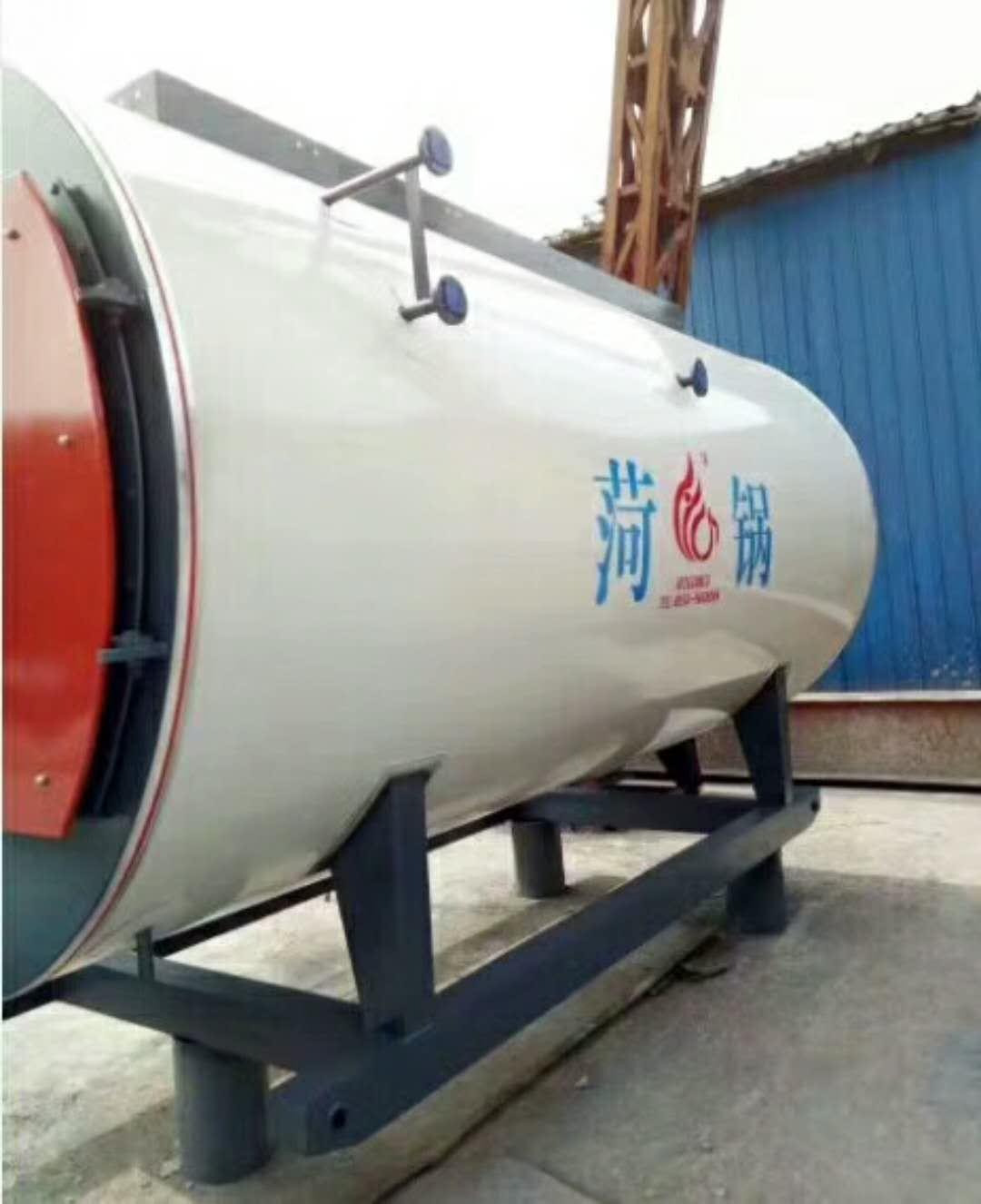
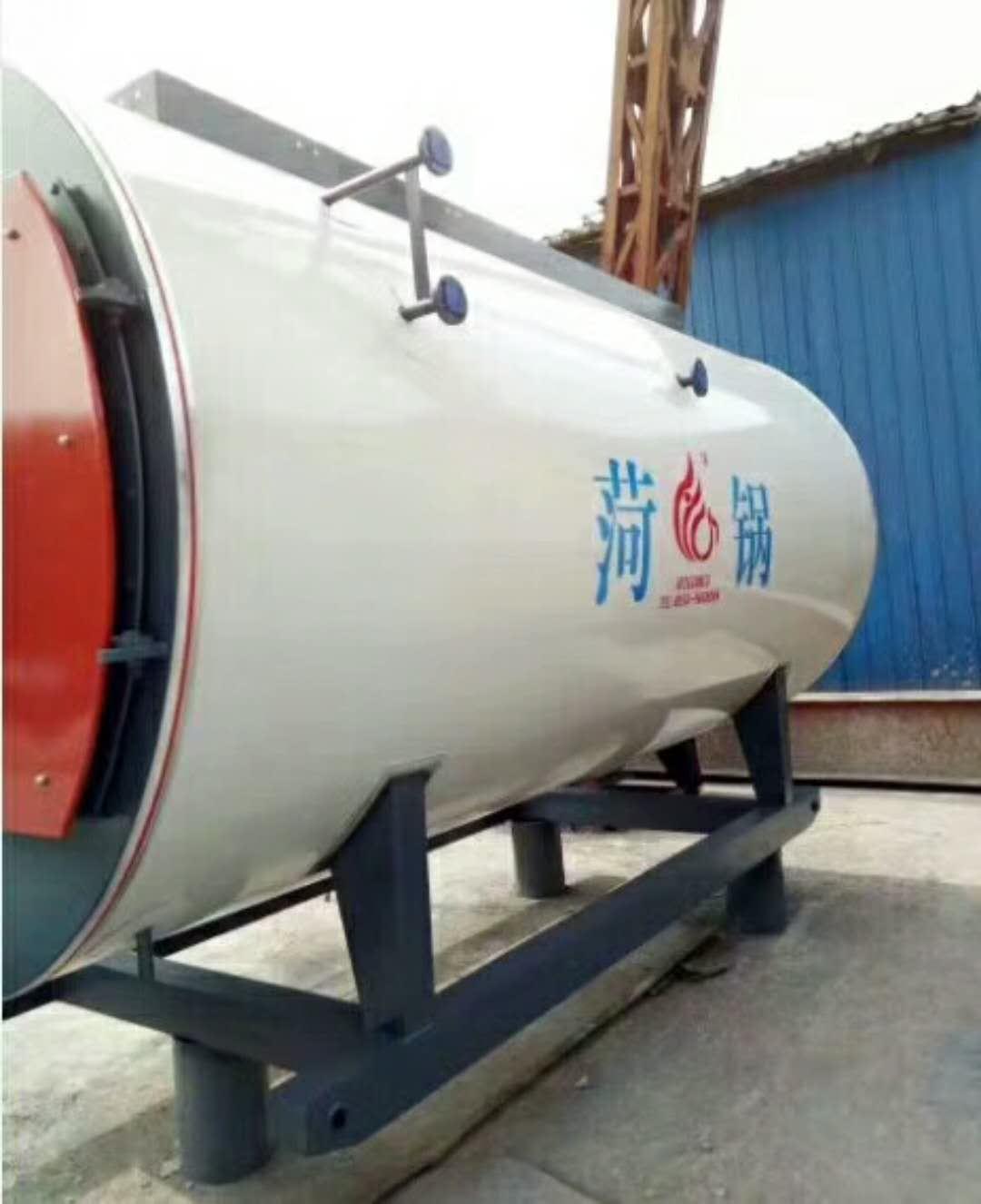
Shandong Zhongjie Special Equipment (formerly Heze Boiler Factory Co., Ltd.) holds an A-grade boiler manufacturing license, A2-grade pressure vessel manufacturing license, A2-grade pressure vessel design license, B-grade boiler installation license, and GB2/Class and GC2/Class pressure pipeline installation licenses, as well as mechanical and electrical equipment installation contracting qualifications. It is a member of the China Boiler and Water Treatment Association, the China Chemical Equipment Association, and a council member of the Shandong Equipment Manufacturing Association. The company has also passed the ISO9001 Quality Management System, ISO14001 Environmental Management System, OHSAS18001 Occupational Health and Safety Management System certifications, and the American ASME/U2 certification.
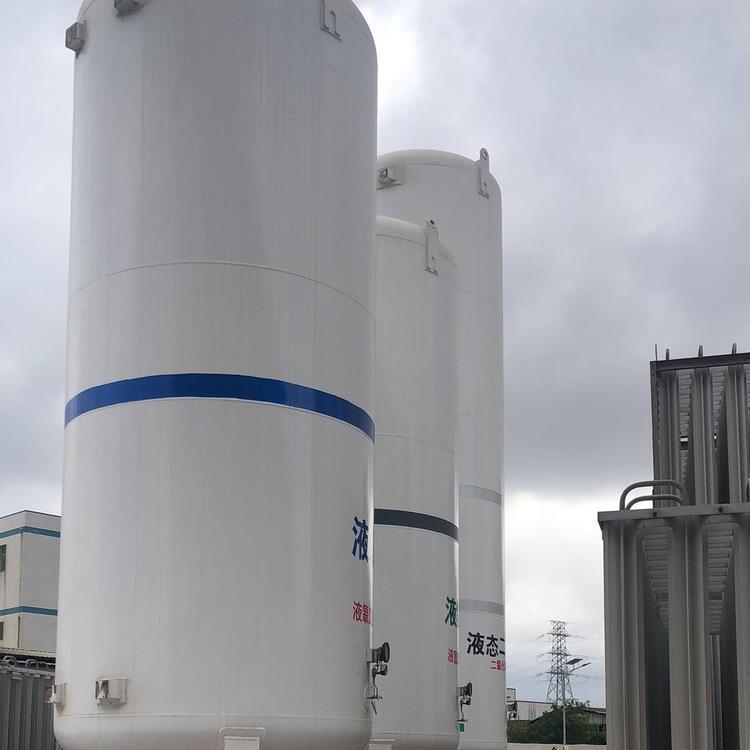
To maintain the stability of CO2 storage tanks, attention should be given to the following details:
- Foundation Design: The tank's foundation design must comply with relevant standards and regulations, ensuring adequate strength and stability. The foundation should consider the tank's weight, pressure, and geological conditions to ensure the tank is securely placed on the foundation.
- Padding and Fastening Devices: Appropriate padding, such as rubber pads or steel plates, should be placed between the tank and foundation to reduce friction and vibration. Additionally, use fastening devices like bolts or welding to secure the tank to the foundation, preventing movement and tilting.
- Site Leveling: The site for tank installation should be kept level, without any significant tilting or unevenness. If the site is uneven, adjustments and corrections should be made to ensure the tank's stability.
- Seismic Measures: In areas prone to earthquakes, additional seismic measures are required, such as installing seismic supports and enhancing the tank's seismic resistance, to improve stability.
- Regular Inspections: Regularly inspect the tank's fastening devices and connection points to ensure they are intact. Any signs of loosening, wear, or damage should be addressed promptly with repairs or replacements.
- Load Distribution: Uniformly distribute loads above the tank, such as platforms or pipelines, to balance the weight distribution and reduce the impact of uneven loads on stability.
- Safety Distance: The tank should maintain sufficient safety distances from other equipment, buildings, and fire sources to prevent accidental collisions or fires from affecting stability.
It is important to note that the installation of CO2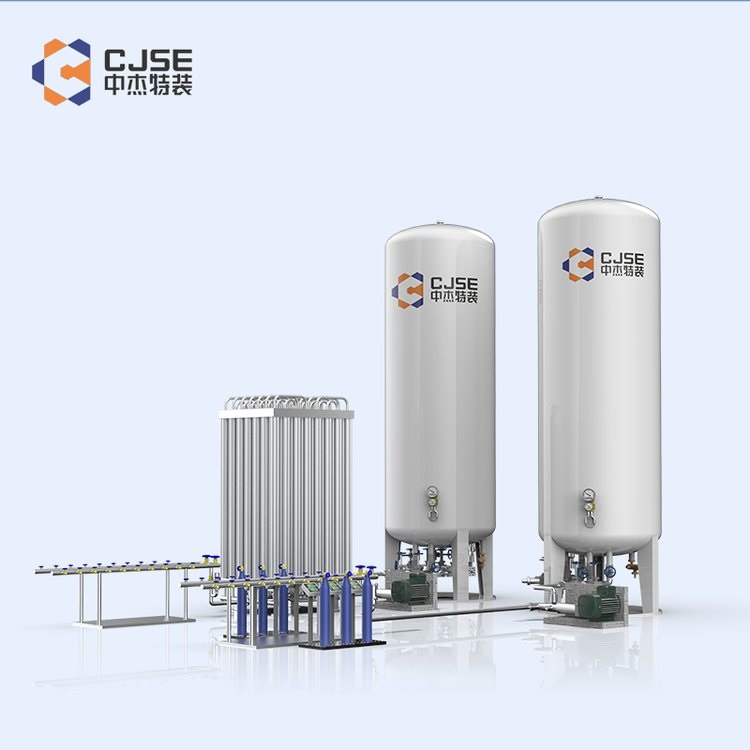
Carbon dioxide storage tanks possess the following safety technical features:
- High-strength materials: Carbon dioxide tanks are typically made of high-strength steel or alloy materials to withstand stress and loads under high pressure and low-temperature environments.
- Safety valves and pressure relief devices: The tanks are equipped with safety valves and pressure relief devices to control internal pressure and prevent overpressure and explosions. When the internal pressure exceeds the set value, the safety valve will automatically open to release pressure.
- Insulation layer: The tanks are internally insulated to reduce heat transfer and liquid evaporation. The insulation layer usually consists of multi-layer structures, including thermal insulation materials and an external protective layer, to maintain stable internal temperatures.
- Level monitoring and control: The tanks are fitted with level monitoring devices to monitor the liquid level inside. Timely monitoring and control of the level ensure that the liquid stored within the tank remains within a safe range.
- Fire and explosion prevention measures: The tanks are equipped with fire and explosion prevention measures such as fire-resistant coatings, fire-resistant isolation areas, and explosion-proof devices to prevent fires and explosions.
- Leak detection and alarm system: The tanks are fitted with leak detection and alarm systems to promptly detect and alert of any leakage. Quick response and handling can minimize the safety risks caused by leaks.
- Regular inspections and maintenance: Tanks require regular inspections and maintenance, including visual inspections, valve maintenance, and pressure tests. Regular maintenance ensures the safety and reliability of the tanks.
- It should be noted that the specific safety technical features of carbon dioxide storage tanks may vary depending on the type of tank and its application. When using carbon dioxide storage tanks, relevant regulations and standards should be followed.
The automated maintenance system for carbon dioxide tanks typically includes the following main components:
- Pressure Maintenance System: Monitors and regulates the internal pressure of the tank to ensure that the carbon dioxide within remains within a safe and stable pressure range. This system comprises pressure sensors, control systems, pressure regulating valves, and pressure reserve devices.
- Temperature Control System: Monitors and regulates the internal temperature of the tank to ensure the carbon dioxide stays within an appropriate temperature range. The system includes temperature sensors, control systems, and temperature regulating devices.
- Level Monitoring System: Measures and monitors the liquid level within the tank to ensure the carbon dioxide level remains within a safe range. The system can utilize float level gauges, pressure level gauges, and ultrasonic level gauges.
- Leak Detection System: Monitors for leaks in the tank and pipeline systems, enabling timely detection and alarms. The system can employ gas sensors, liquid sensors, and leak detectors.
- Fire Detection and Extinguishing System: Monitors for fires in the tank area and takes appropriate extinguishing measures. The system includes fire detectors, alarms, and extinguishing equipment.
- Remote Monitoring and Control System: Monitors and controls the operational status and parameters of the tank remotely, enabling remote operation and management. This system can be networked to provide real-time data and remote control functions.
The above are the main components of a typical automated maintenance system for carbon dioxide tanks. Specific system configurations and functionalities can be customized according to the tank's design requirements and application scenarios. These automated maintenance systems enhance the tank's safety, stability, and reliability, reducing the need for manual intervention and operational risks.
When using carbon dioxide storage tanks, the following points should be noted:
Safety Operation: When using carbon dioxide storage tanks, it is mandatory to follow relevant safety operation procedures and standards. Operators should receive training to understand the tank's characteristics, operational requirements, and safety measures, and operate strictly in accordance with the procedures.
Tank Inspection: Regularly inspect the tank's appearance, sealing, valves, and pipeline connections to ensure the tank's integrity and safety. In case of abnormalities or damage, repairs or replacements should be made promptly.
Tank Pressure Control: The tank's pressure should be controlled within a safe range. Regularly check and calibrate pressure sensors, safety valves, etc., to ensure the normal operation of the pressure control system.
Temperature Control: Carbon dioxide storage tanks typically need to be kept at low temperatures. Ensure the proper operation of cooling equipment, regularly check and calibrate temperature sensors to maintain appropriate storage temperatures.
Leak Protection: Carbon dioxide is a gas prone to leakage, which can lead to safety risks and environmental pollution. Ensure the tank and pipeline sealing, regularly inspect and replace seals, and promptly handle leak situations.
Fire and Explosion Prevention: Avoid open flame work near the tank to prevent fire sources from contacting carbon dioxide. Maintain good ventilation around the tank to prevent the accumulation of carbon dioxide.
Waste Disposal: Dispose of discarded carbon dioxide storage tanks or residues in accordance with relevant regulations and requirements. Adhere to environmental protection standards to ensure the safe disposal of waste and environmental protection.
Regular Maintenance: Regularly maintain and inspect the tank, including cleaning and painting.
Shandong Zhongjie Special Equipment, welcome customers to visit our factory for business discussions.
Doubanshan Customized Carbon Dioxide Storage Tank, Available for Custom Orders
