


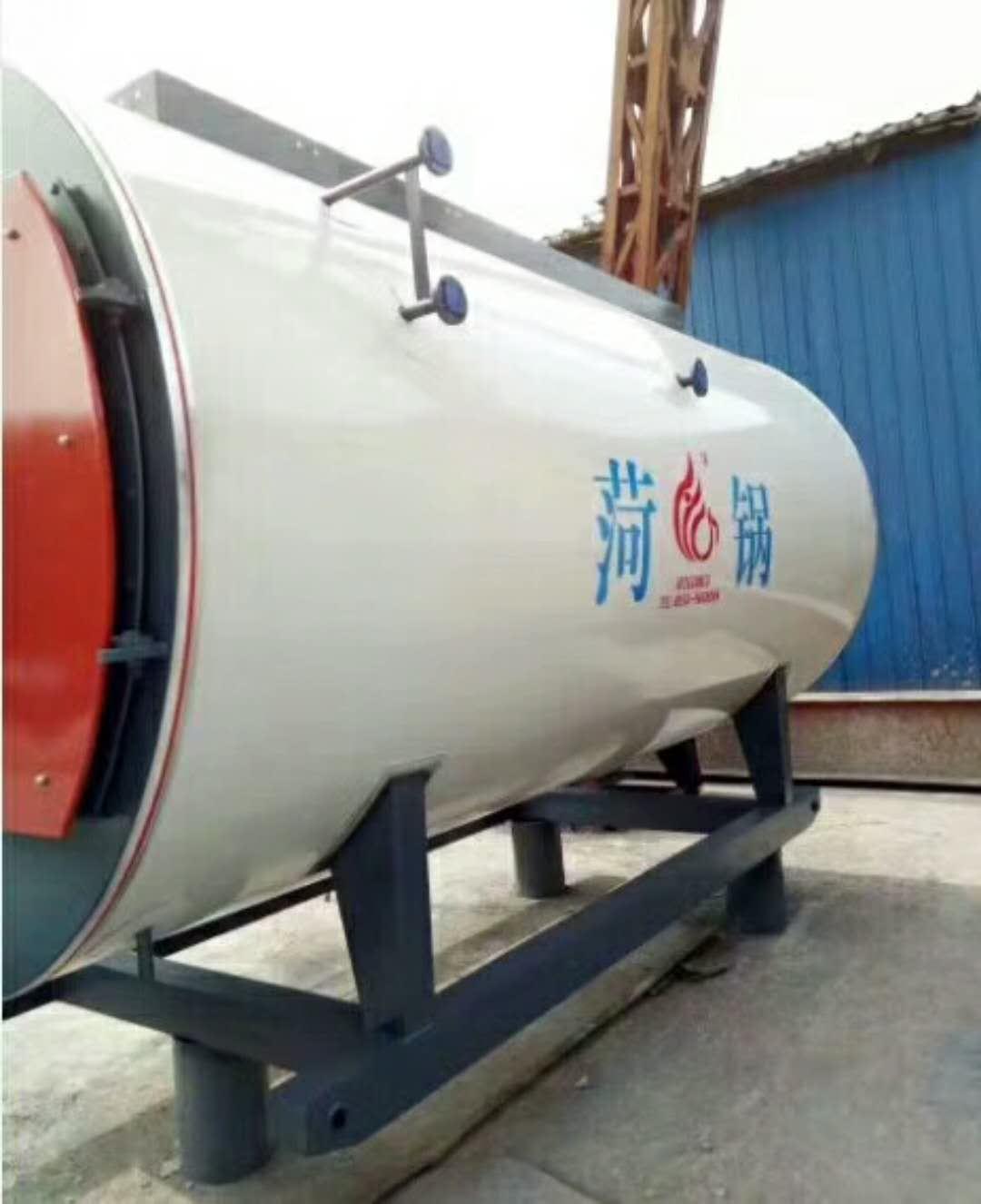
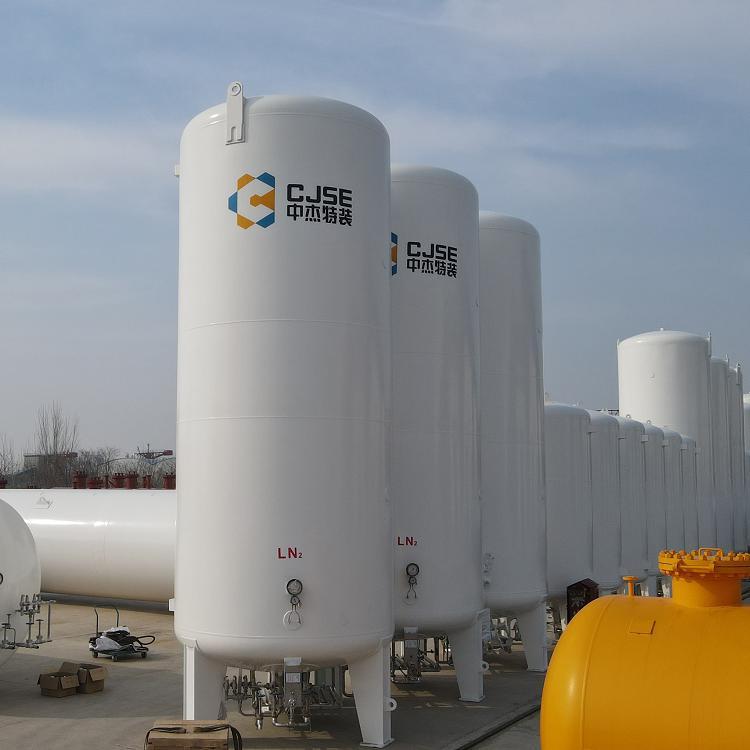
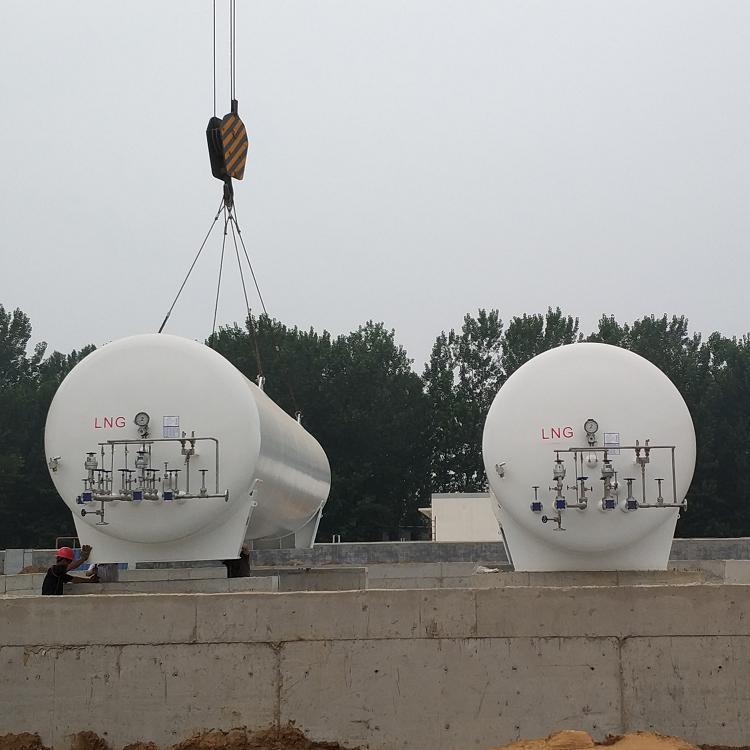
Shandong Zhongjie Special Equipment's main products include: fuel (gas) boilers, organic heat carrier boilers, biomass boilers, waste heat boilers, and other boiler products; vacuum insulation cryogenic pressure vessels such as LNG tanks, oxygen/nitrogen/argon tanks, CO2 tanks; pressure vessel products like denitrification engineering equipment, heat storage and energy storage equipment, complete chemical equipment sets; central air conditioning and ventilation equipment such as ground (water) source heat pumps, air source units, water-cooled screw units, and air-cooled modular units. Planned products include large-scale energy centers, LNG transport vehicles, LNG tank containers, and other green energy equipment.
Low-temperature CO2 storage tanks are equipment used for storing and transporting liquid CO2 at low temperatures. Here are some key points about low-temperature CO2 storage tanks:
- Tank Structure: These tanks typically feature a double-walled design, with the inner wall for storing liquid CO2 and the outer wall for insulation. The interior is usually made of stainless steel or aluminum alloy, offering excellent corrosion resistance.
- Storage Temperature: The storage temperature for low-temperature CO2 tanks usually ranges from -40°C to -196°C, depending on specific application requirements. Temperature control is crucial to ensure the stability and safety of the liquid CO2.
- Storage Capacity: The capacity of low-temperature CO2 storage tanks can be selected based on actual needs, generally ranging from a few thousand to tens of thousands of liters. The choice of capacity should consider storage requirements, supply frequency, and spatial constraints.
- Safety Protection: These tanks require safety protection devices such as pressure relief valves, pressure sensors, and temperature sensors to ensure internal pressure and temperature remain within safe limits.
- Transportation: Low-temperature CO2 storage tanks can be transported via road, rail, or ship. Proper insulation measures must be taken during transportation to maintain the low-temperature state of the liquid CO2 inside.
- Safe Operation: The operation of low-temperature CO2 storage tanks requires training and adherence to safety operating procedures. Operators should be familiar with the tank's characteristics and safety precautions to ensure safe and effective operation.
- Regular Inspection and Maintenance: Regular checks and maintenance are necessary for low-temperature CO2 storage tanks, including visual inspections, valve and pipeline checks, and pressure relief device checks. Regular maintenance ensures the tank operates normally and safely.
- The above points provide some knowledge about low-temperature CO2 storage tanks. When using and operating these tanks, it is essential to follow relevant safety regulations and standards, and consult with experts to ensure safety and effectiveness.
The quality of carbon dioxide storage tanks is related to several factors:
- Material Quality: The quality of the tank material directly impacts its corrosion resistance, strength, and sealing performance. Common materials include carbon steel and stainless steel. Choosing high-quality materials can enhance the tank's quality and lifespan.
- Manufacturing Process: The manufacturing process significantly affects the tank's quality. Welding, heat treatment, and surface treatment during production should meet relevant standards and specifications to ensure structural integrity and performance stability.
- Design Standards: The tank design must comply with applicable design specifications and standards, such as industry standards. A well-designed tank ensures sufficient strength and safety under normal operating conditions.
- Safety Components: The tank's safety components, like safety valves, pressure sensors, and temperature sensors, play a crucial role in quality and safety. Selecting high-quality components and installing and adjusting them correctly can improve the tank's quality and safety.
- Inspection and Testing: The tank must undergo inspections and tests during production, including material inspections, weld inspections, and pressure tests. These tests ensure the tank meets quality requirements and adheres to safety standards.
- Usage and Maintenance: The tank's usage and maintenance also impact its quality. Proper usage and regular maintenance can extend the tank's lifespan and maintain its good working condition.
In summary, the quality of carbon dioxide storage tanks is influenced by factors such as material quality, manufacturing process, design standards, safety components, inspections and testing, and usage and maintenance. When selecting and using storage tanks, attention should be given to these factors to ensure quality and safety.
For the maintenance of carbon dioxide storage tanks, here are some recommended methods:
Regular Inspections: Regularly check the tank's exterior and interior for corrosion, cracks, and leaks. Non-destructive testing methods, such as ultrasonic testing, can be used to assess the tank's integrity.
Cleaning and Corrosion Prevention: Regularly clean the tank's exterior to remove dirt and debris. For tanks coated with corrosion-resistant paint, regularly inspect the coating condition and perform repairs or recoating to protect the tank from corrosion.
Leak Detection: Conduct regular leak detection to ensure there are no leakage issues. Use gas detectors or leak detectors for the inspection, or assess the tank's sealing performance through pressure testing.
Safety Valve Inspection: Regularly check and test the operation of safety valves to ensure they function normally under overpressure conditions. Adjust and test according to the specifications and requirements of the safety valves.
Piping and Valve Maintenance: Regularly inspect and maintain the piping and valves connected to the tank to ensure proper operation and sealing performance. Clean and lubricate valves, check for leaks at pipeline connections.
Documentation: Record the dates, contents, and results of maintenance, establishing a maintenance record for the tank. Keep related documents and reports for future reference and review.
Please note that for the maintenance of carbon dioxide storage tanks, it is recommended to follow relevant safety operation procedures and standards. If you do not have the necessary knowledge and experience, consult personnel or manufacturers for maintenance work.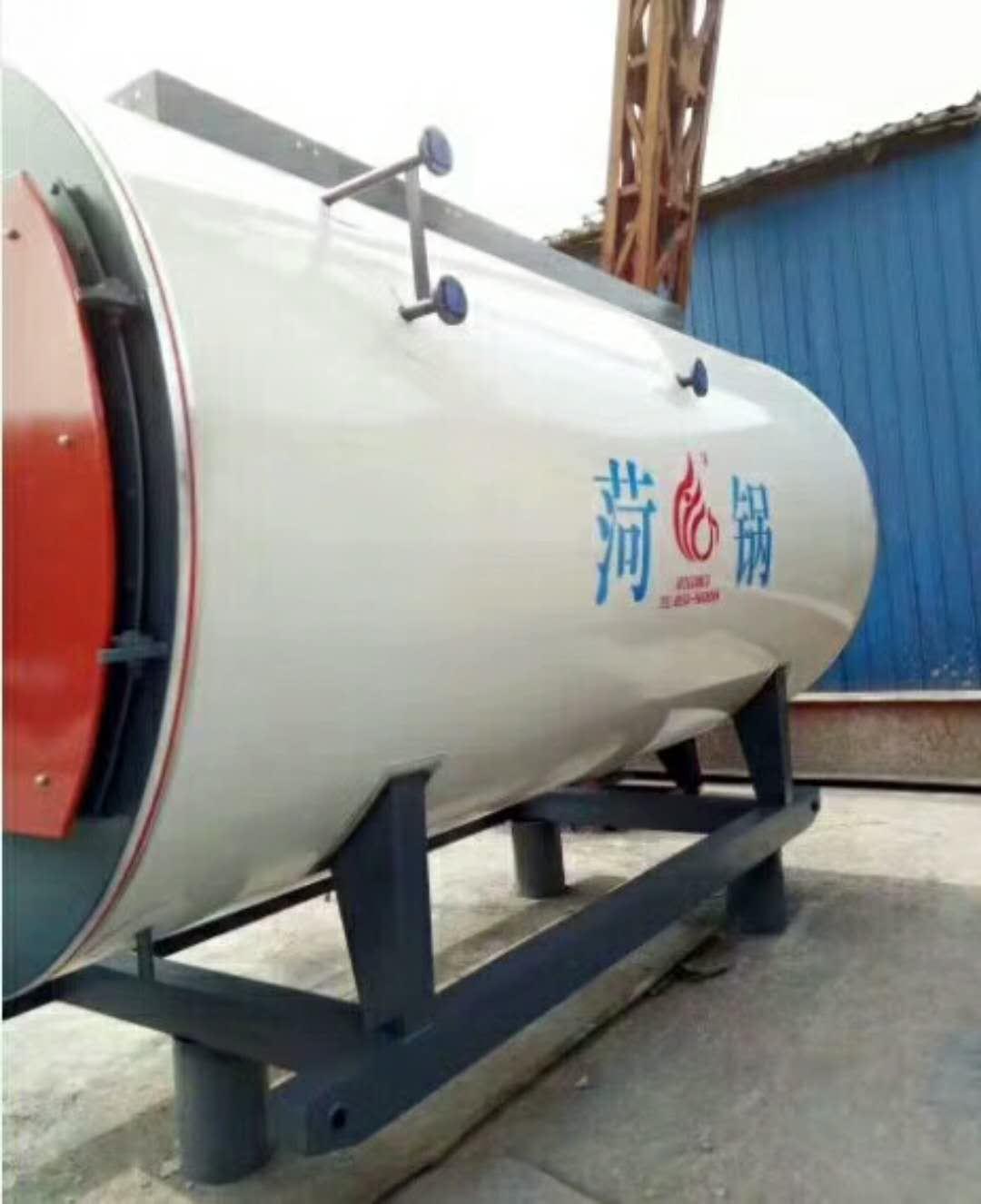
Key measures to ensure the quality of CO2 storage tanks include the following aspects:
1. Selecting qualified suppliers: Choose suppliers with a good reputation and experience, ensuring that the tanks they provide meet relevant quality standards and regulations. This can be achieved by evaluating the supplier's qualifications, referencing customer reviews, and conducting on-site inspections to select the appropriate supplier.
2. Strict quality control: Implement strict quality control measures during the manufacturing process of the tanks. This includes selecting and inspecting raw materials, controlling production processes, monitoring process parameters, and conducting product testing and inspections to ensure the tanks meet quality requirements.
3. Compliance with standards and regulations: The design, manufacturing, and installation of the tanks should comply with relevant standards and regulations, such as industry standards and regulations. These standards and regulations cover aspects like structural design, material selection, welding processes, corrosion prevention measures, and the configuration of safety valves and pressure sensors.
4. Regular inspections and maintenance: Tanks require regular inspections and maintenance during use to ensure safety and reliability. This involves checking the tank's appearance, seals, valves, and pipeline connections, conducting regular pressure tests and leak detection, and promptly addressing any abnormal situations.
5. Establishing a quality management system: Set up a comprehensive quality management system, including quality control processes, document records, quality training, and internal audits. By establishing a quality management system, tank quality control and continuous improvement can be ensured.
6. Third-party testing and certification: Delegate tank testing and certification to third-party institutions to verify the quality and compliance of the tanks. Third-party testing and certification agencies typically have independence and objectivity, providing objective evaluation and certification results.
7. Through the implementation of these measures, the quality of CO2 storage tanks can be effectively ensured, enhancing their safety and reliability.
Shandong Zhongjie Special Equipment, welcome clients to visit our factory for business discussions.
Aba 80 Cubic CO2 Storage Tank, High Cost-Performance Ratio
