


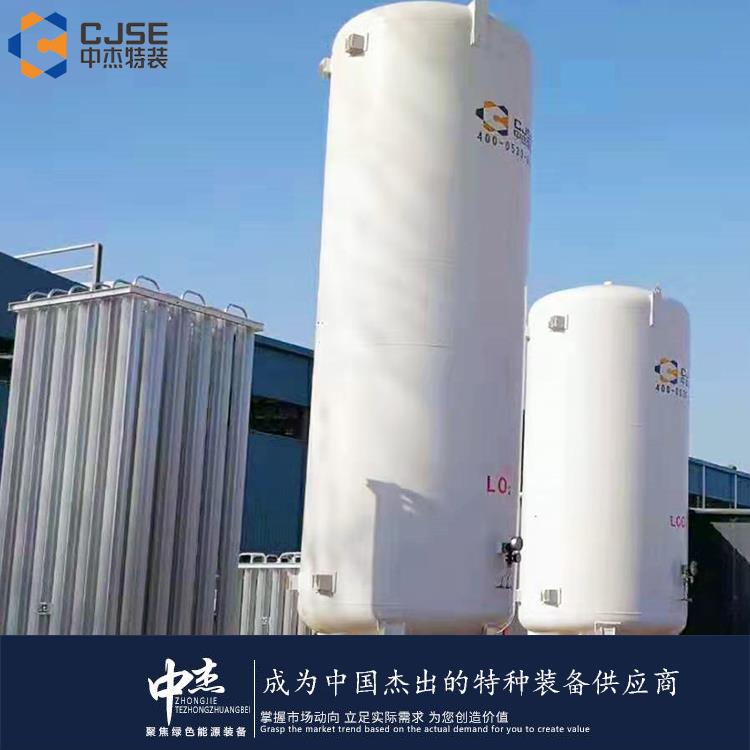
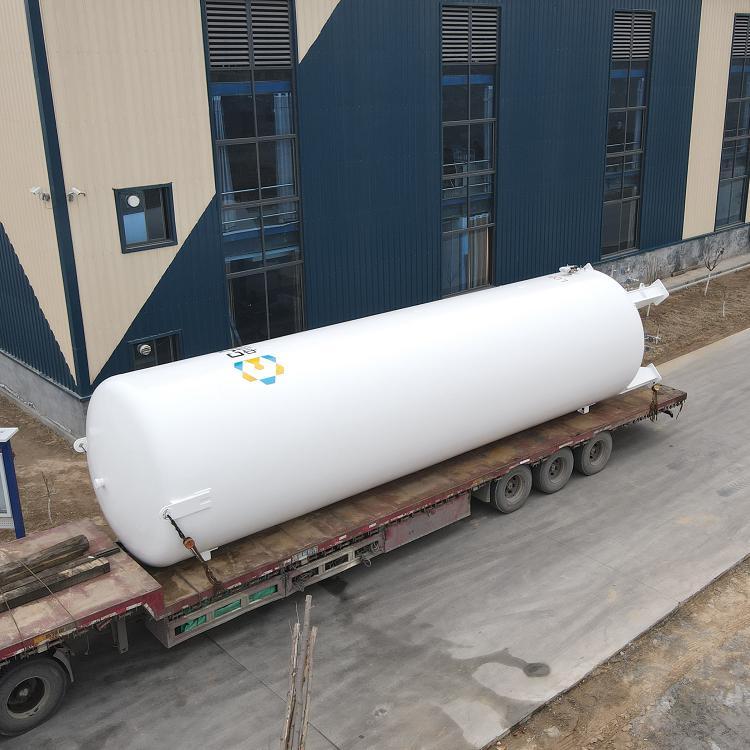
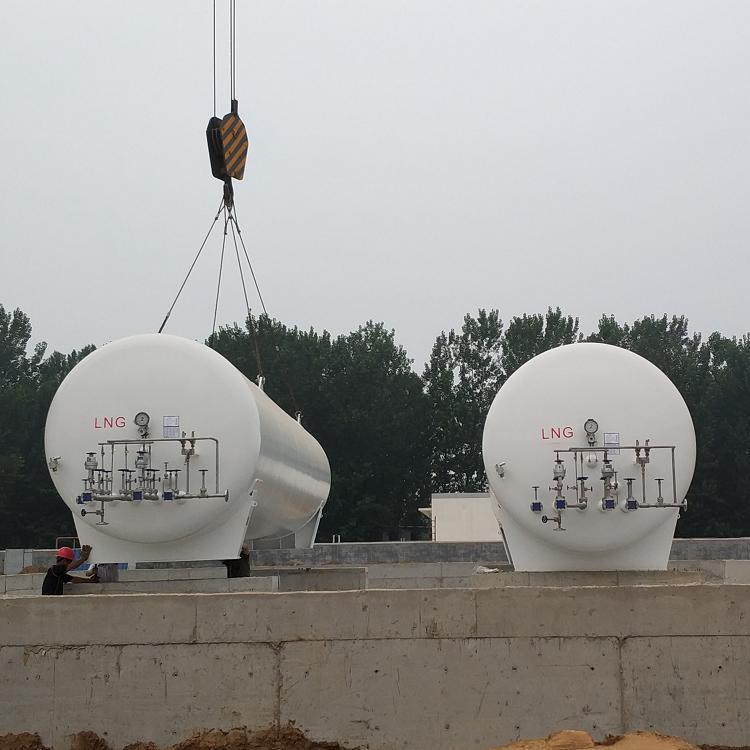
Shandong Zhongjie Special Equipment specializes in: fuel (gas) boilers, organic heat carrier boilers, biomass boilers, waste heat boilers, and other boiler products; vacuum insulation cryogenic pressure vessels such as LNG tanks, oxygen/nitrogen/argon tanks, and CO2 tanks; pressure vessel products including denitrification engineering equipment, heat storage and energy storage equipment, and complete chemical equipment; central air conditioning and ventilation equipment such as ground (water) source heat pumps, air source units, water-cooled screw units, and air-cooled modular units. Planned products include large-scale energy centers, LNG transport vehicles, and LNG tank containers, etc., for green energy equipment.
In the welding process of low-temperature liquid storage tanks, controlling the occurrence of welding cracks is crucial. The following are some methods and measures to control welding cracks:
Appropriate Welding Techniques: Selecting the appropriate welding process and parameters helps to minimize heat input and thermal stress. Methods with low heat input, such as pulse welding and laser welding, can reduce the temperature gradient and residual stress in the heat-affected zone.
Preheating and Post-heat Treatment: Perform appropriate preheating before welding to enhance material toughness and reduce thermal stress. Conduct a suitable post-heat treatment, such as annealing or stress-relief heat treatment, after welding to minimize residual stress and improve the toughness of the weld.
Select appropriate welding materials: Choose welding materials with good toughness and crack resistance to minimize the occurrence of welding cracks. Select suitable welding materials based on the storage tank's usage conditions and requirements, such as low-alloy steel, stainless steel, etc.
Control Welding Process: Regulate parameters and operations during the welding process to minimize the risk of welding cracks. Pay attention to factors such as welding speed, current, voltage, and welding sequence to avoid overheating or rapid welding, reducing the accumulation of thermal and residual stresses.
Non-destructive Testing and Evaluation: After welding, conduct non-destructive testing on the welds, such as ultrasonic testing and X-ray testing, to assess welding quality and the presence of cracks. Promptly identify and repair welding cracks to ensure the integrity and safety of the weld joints.
It's important to note that controlling welding cracks is a complex process, requiring a comprehensive consideration of factors such as materials, welding techniques, and operations. When welding low-temperature liquid storage tanks, it's advisable to consult with a welding engineer or relevant institutions for guidance to ensure both welding quality and tank safety.
Prior to filling the liquid nitrogen tank, the following checks must be performed:
Tank exterior inspection: Check for any obvious damage, deformation, corrosion, etc., on the tank's exterior, including the tank wall, valves, pipes, and joints.
Sealability Inspection: Verify the tank's sealing performance, including checking for any leakage at valves and pipe connections, to ensure the tank maintains good sealing integrity.
Pressure Check: Verify that the tank's pressure gauge is functioning properly and that the pressure is within the normal range to ensure the tank operates normally.
Level Check: Verify the liquid level in the storage tank to ensure it remains within the normal range, preventing issues caused by excessive or insufficient levels.
Insulation Layer Inspection: Verify that the tank's insulation layer is intact, free from damage or detachment, to ensure effective insulation and minimize evaporation loss of liquid nitrogen.
Leakage Inspection: Check for signs of liquid nitrogen leakage around the storage tank, including any frost, ice, or liquid nitrogen residue on the ground.
Safety Equipment Inspection: Verify that the storage tank's safety equipment, such as leak detectors, alarm systems, and safety valves, are functioning properly to ensure the tank's safety.
Clean Inspection: Ensure the interior of the tank is clean, free of accumulated impurities and dirt, to maintain the tank's cleanliness and sanitation.
The above lists the checks required prior to filling a liquid nitrogen tank, ensuring the tank operates safely and the liquid nitrogen is stored properly. During the inspection, strict adherence to operational procedures and safety requirements must be maintained to ensure the safety of the operation.
The use of low-temperature liquid storage tanks requires attention to the following matters:
Safe Operation: Operators must receive training and understand the procedures and safety precautions for the storage tank. Adhere to the correct operational steps to ensure safe operation.
Protective Gear: Operators must wear appropriate protective gear, such as thermal suits, gloves, etc., to safeguard themselves from harm caused by low-temperature liquids.
Leak Protection: Regularly inspect the tank and associated pipelines for seal integrity to prevent leaks of low-temperature liquids. Keep the area around the tank clean to avoid debris obstructing leak detection and handling.
Fire Protection: Low-temperature liquids are highly flammable and fire prevention measures should be taken. Maintain a fire-free environment around storage tanks, prohibit smoking and open flames. Equip with appropriate fire-fighting equipment to address fire risks.
Pressure Control: Regularly inspect and maintain the pressure control system of the storage tank to ensure that the pressure inside remains within a safe range. Safety valves and pressure sensors, among other equipment, should operate normally, and abnormal pressure conditions should be detected and addressed promptly.
Insulation Protection: Low-temperature liquid storage tanks should be equipped with an effective insulation layer to reduce heat transfer and liquid evaporation. The selection and installation of the insulation layer should comply with relevant standards and requirements.
Regular inspections and maintenance: Regularly inspect the exterior and interior conditions of the storage tank, including checking for leaks, corrosion, wear, or other damages. Pay special attention to the tank's interfaces, valves, and pipes, ensuring they are functioning properly.
Emergency Preparedness: Develop an emergency response plan including measures for leaks, fires, and other unforeseen incidents. Operators should be familiar with the emergency response plan and be equipped with appropriate emergency equipment and firefighting supplies.
Low-temperature liquid storage tanks (such as liquid nitrogen, liquid oxygen, liquid argon, etc.) offer several advantages:
High-Density Storage: Low-temperature liquid storage tanks can convert gases into liquids, significantly increasing storage density. Compared to gas storage, liquid storage can hold more material in a relatively smaller space, enhancing storage efficiency.
Low-Temperature Retention: The low-temperature liquid storage tank is equipped with excellent insulation properties, effectively maintaining the low-temperature state of the liquid. The design and construction of the insulation layer reduce heat conduction and heat loss, preserving the liquid's低温 and minimizing evaporation and损耗.
Supply: Low-temperature liquid storage tanks provide a stable and consistent liquid supply. Through internal pressure control and pipeline system design, precise liquid supply is achievable, catering to industrial production and experimental requirements.
Safety: Low-temperature liquid storage tanks offer high safety. Compared to gas storage, liquid storage reduces the risk of gas leaks and explosions. Tanks are typically equipped with safety devices such as pressure relief valves and liquid level alarms to ensure timely measures can be taken in abnormal situations, safeguarding the tank's safety.
Multi-functional Applications: Low-temperature liquid storage tanks are widely used in various fields, such as industrial production and scientific research. Liquids like liquid nitrogen and liquid oxygen can be utilized for freezing, refrigeration, gas supply, and more, catering to diverse industry needs.
Overall, low-temperature liquid storage tanks offer high-density storage, temperature maintenance, supply, safety, and versatile applications, providing reliable liquid storage and supply solutions for various fields.
Zhong Jie Special Equipment upholds the great vision of "realizing the dreams of employees, creating value for customers, and striving for the prosperity and strength of our motherland," and is dedicated to the development of the green energy equipment industry. We commit to society with high-value products and services!
Hefei Argon Storage Tanks Manufacturer
