


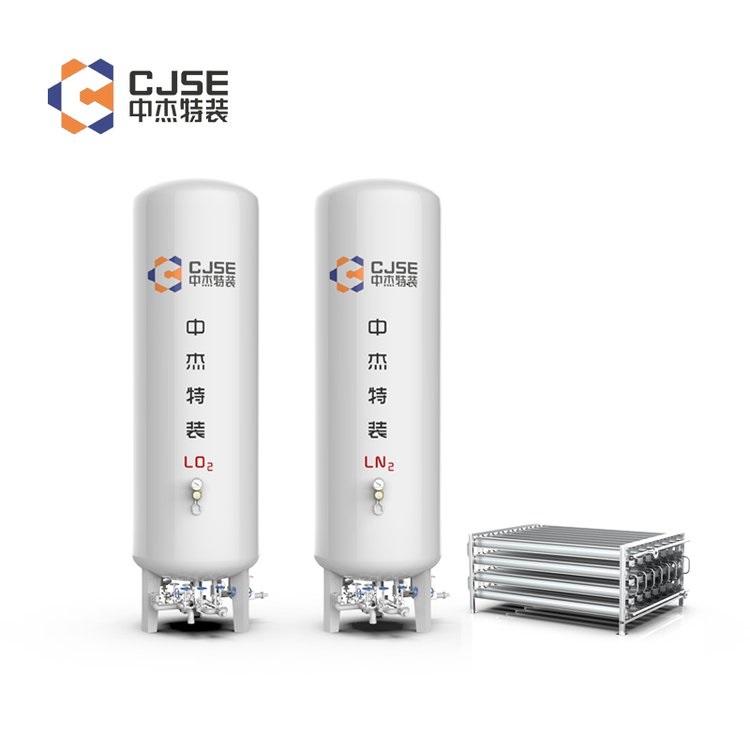
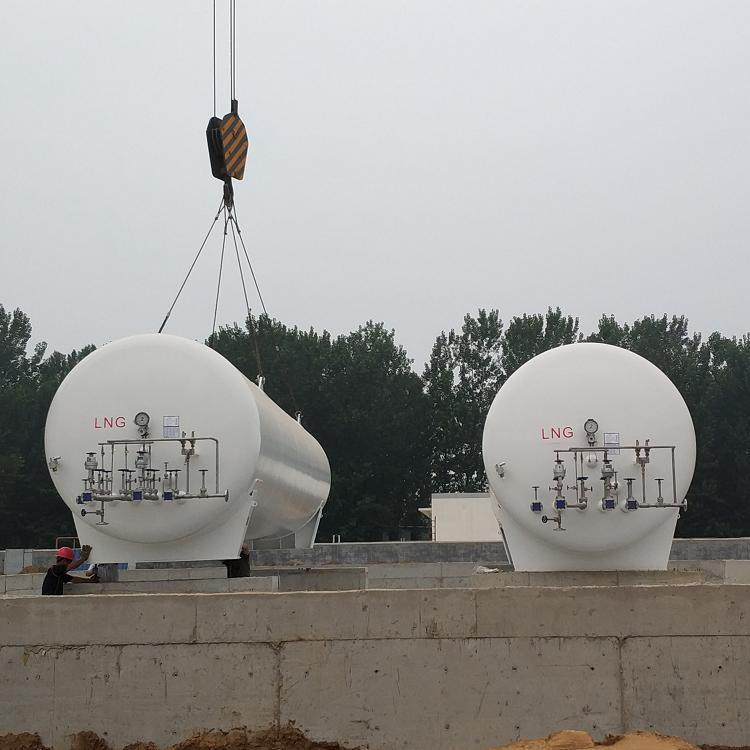
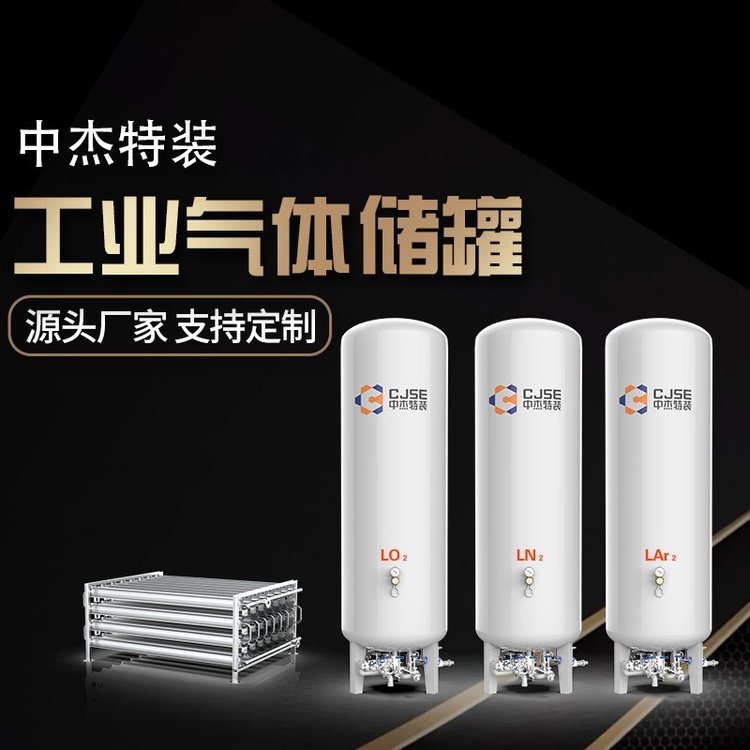
Shandong Zhongjie Special Equipment (formerly Heze Boiler Factory Co., Ltd.) holds an A-grade boiler manufacturing license, A2-grade pressure vessel manufacturing license, A2-grade pressure vessel design license, B-grade boiler installation license, and GB2/Class and GC2/Class pressure pipeline installation licenses, as well as mechanical and electrical equipment installation contracting qualifications. It is a member of the China Boiler and Water Treatment Association, the China Chemical Equipment Association, and the理事 unit of the Shandong Equipment Manufacturing Association. The company has also passed the ISO9001 Quality Management System, ISO14001 Environmental Management System, OHSAS18001 Occupational Health and Safety Management System certifications, and the ASME/U2 certification from the United States.
Operation procedures for liquid oxygen storage tanks should be established based on specific tank design and usage requirements. The following are some common contents of general operation procedures for liquid oxygen storage tanks:
- Operator Training: Ensure operators have received relevant training for liquid oxygen storage tanks, understanding the tank's structure, performance, operation procedures, and safety considerations.
- Safety Inspections: Conduct necessary safety checks before operating the liquid oxygen storage tank, including checking the tank's integrity, the sealing of valves and pipes, and the condition of the insulation layer.
- Liquid Oxygen Supply: Ensure the liquid oxygen supply system is functioning properly, including inspecting the status of liquid oxygen supply pipes, valves, and pressure gauges, and ensuring an adequate supply of liquid oxygen.
- Tank Pressure Control: Monitor the pressure in the liquid oxygen storage tank to ensure it remains within a safe range. If necessary, control the tank's pressure by adjusting pressure valves or pressure relief devices.
- Leak Control: Regularly check the sealing of the tank and pipes to ensure there are no leaks. In case of a leak, take immediate measures for leak control and notify relevant personnel.
- Fire Prevention Measures: Prohibit open flames and prevent sparks and high-temperature objects from contacting the tank. Establish fire prevention facilities and fire-fighting equipment, and check and maintain them regularly.
- Safety Distance: Maintain a certain safety distance around the liquid oxygen storage tank to prevent the spread of fires, explosions, and leaks.
- Maintenance and Repair: Regularly perform maintenance and repairs on the tank, including cleaning the tank, inspecting the insulation layer, valves, and pipes, to ensure normal operation.
- Waste Disposal: Properly dispose of waste generated by the liquid oxygen storage tank, including liquid oxygen residues, waste gases, and waste liquids, in accordance with relevant environmental protection regulations and standards.
Note that operation procedures for liquid oxygen storage tanks should be established based on specific tank design and usage requirements, and should comply with applicable regulations, standards, and safety guidelines. When operating liquid oxygen storage tanks, cooperate with local regulatory agencies and individuals to ensure the tank's safety and reliability.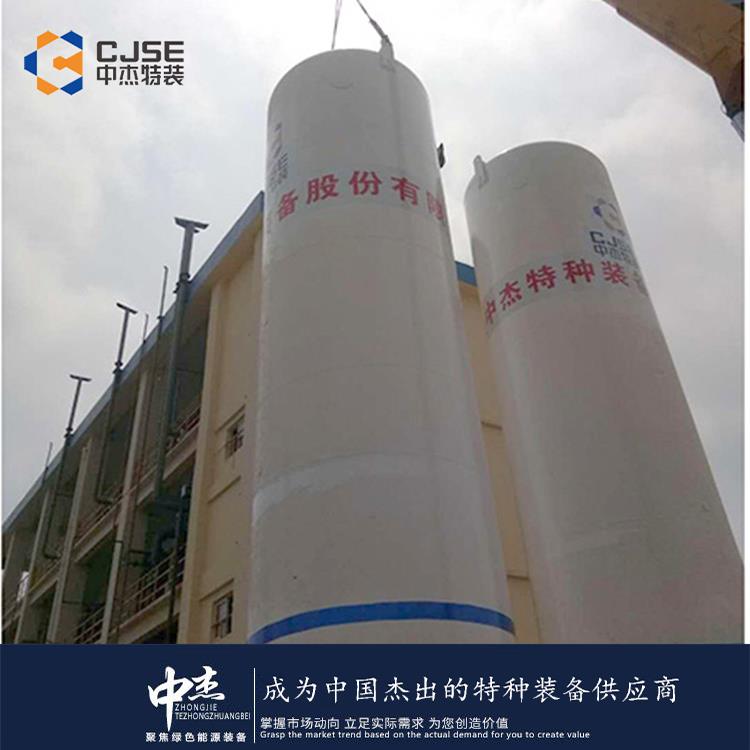
Safety operation and transportation of liquid oxygen storage tanks should be mindful of the following points:
Safe Usage Instructions:
Tank Selection: Choose liquid oxygen tanks that comply with regulations and standards, ensuring their quality and safety performance.
Tank Installation: Tanks should be installed on a sturdy foundation to ensure stability. Additionally, good ventilation around the tank is required, and it should be kept away from flammable materials and heat sources.
Sealability Inspection: Regularly inspect the storage tank's sealing performance to ensure there are no leaks at valve and pipeline connections.
Pressure Control: Tanks should be equipped with pressure gauges and safety valves, with regular inspections and maintenance to ensure pressure remains within safe limits.
Fire Prevention Measures: Liquid oxygen contains a high oxygen content, which is prone to causing fires. Establish fire barriers around storage tanks, prohibit smoking and open flames, and ensure safety.
Static Protection: During the transportation and use of liquid oxygen, static electricity may cause sparks, increasing the risk of fire. Measures such as using static-conductive materials and anti-static equipment should be taken to reduce the accumulation and release of static electricity.
Shipping Precautions:
Transportation Vehicle Selection: Choose transportation vehicles that meet the requirements for liquid oxygen transportation, ensuring their safety and seal integrity.
Loading and Unloading: During the transportation of liquid oxygen, the following loading and unloading procedures should be adopted:
The testing and maintenance operations for liquid oxygen storage tanks encompass the following aspects:
Appearance Inspection: Conduct regular visual inspections of liquid oxygen tanks, checking for any signs of corrosion, wear, leakage, etc., on the tank surface, to ensure the tank's exterior is intact.
Pressure Testing: Regular pressure tests of the liquid oxygen storage tank are conducted to assess its pressure resistance. The tests should be performed in accordance with relevant standards and regulations, ensuring the tank can withstand the designed working pressure.
Leak Detection: Regularly conduct leak detection on liquid oxygen tanks, including using leak detection equipment to inspect the tanks, to ensure their sealing performance is good and there are no leak issues.
Cleaning and Coating Protection: Regularly clean and apply protective coatings to liquid oxygen tanks to prevent corrosion and oxidation. Use appropriate cleaning agents during cleaning and avoid substances that react with liquid oxygen. Protective coatings can include anti-corrosion coatings or protective agents.
Regular Maintenance: Perform regular maintenance on liquid oxygen tanks, including inspections and replacement of seals, valves, safety devices, etc., to ensure proper operation and safety.
Safety Training and Operating Procedures: Conduct safety training for personnel using liquid oxygen storage tanks to ensure they are familiar with the safe operating procedures and precautions, thus preventing operational errors and accidents.
Documentation and Record Management: Establish test and maintenance records for liquid oxygen storage tanks, including test results, maintenance logs, and inspection records, for traceability and management purposes.
Note that the testing and maintenance of liquid oxygen storage tanks should be performed by trained personnel and in accordance with relevant safety operating procedures and standards. Additionally, a specific testing and maintenance plan should be developed based on the tank's condition and usage requirements, and executed as scheduled.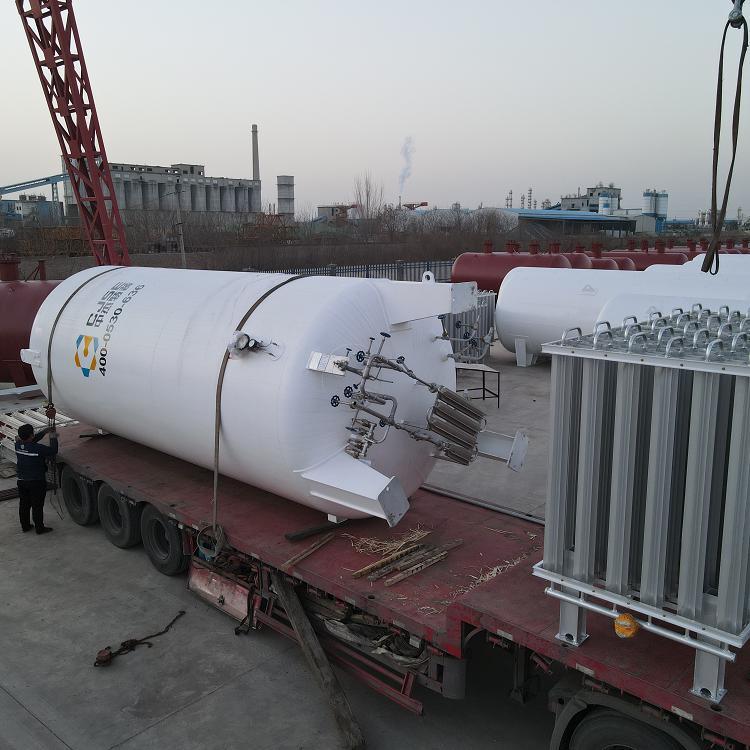
The safety distance for liquid oxygen tanks refers to the required distance around the tank to ensure the safety of personnel and equipment. The specific requirements for safety distances may vary depending on the region and application. Here are some common principles for safety distances:
Buildings and Equipment: Liquid oxygen tanks should maintain a certain safety distance from buildings, equipment, and other tanks to prevent the spread of fires, explosions, and leaks. The specific safety distance requirements should be assessed and determined based on local regulations and standards.
Fire Sources and Heat Sources: Liquid oxygen is highly oxidative and can easily cause fires and explosions. Therefore, liquid oxygen tanks should maintain adequate safety distances from fire sources, heat sources, and flammable materials to prevent fires and explosions.
Ventilation and Exhaust: Good ventilation and exhaust should be maintained around liquid oxygen tanks to prevent the accumulation of vapor and the formation of explosive mixtures. The design and operation of ventilation and exhaust systems should comply with relevant safety standards and specifications.
Personnel and Traffic: Personnel and traffic around liquid oxygen tanks should be restricted and controlled to ensure personnel safety and the normal operation of the tank. Warning signs, safety fences, and restricted areas should be established to prevent unauthorized access to the tank area.
It is important to note that the safety distance for liquid oxygen tanks should be assessed and determined based on the specific application and safety requirements. When designing, installing, and operating liquid oxygen tanks, it is necessary to follow relevant regulations, standards, and safety guidelines to ensure the safety and reliability of the tank.
Our company attaches great importance to technological innovation and R&D design. We have one municipal-level enterprise technology center in Heze City, equipped with testing facilities for non-destructive testing, physical and chemical testing, welding testing, hydrostatic testing, etc. We have over 600 pieces of equipment, including CNC machine tools, X-ray flaw detectors, digital ultrasonic flaw detectors, mechanical property testing machines, chemical analyzers, spectrometers, tensile testing machines, plasma welding machines, and more. Our key products and technologies, such as temperature and pressure vessel welding, biomass boiler emissions reduction, and waste heat utilization, have successively been selected for multiple Shandong Provincial Department of Industry and Information Technology Science and Technology Innovation Projects, Shandong Provincial Key Projects, and Heze City Innovation and Excellence Projects. We have accumulated 27 authorized utility models, 16 authorized inventions, participated in drafting 2 standards, 2 industry standards, and registered 15 trademarks. Our technical team, in collaboration with Professor Yajiang Li of Shandong University, has developed deep cryogenic container processing technology using the international plasma arc + filler wire tungsten inert gas (PAW-GTAW) welding technology. The provincial-level scientific and technological achievement identification has confirmed that our technology level in deep cryogenic container manufacturing has reached an international standard. Choose Zhongjietech, let's create brilliance together!
Dongying Liquid Nitrogen Storage Tank - High Product Safety
