


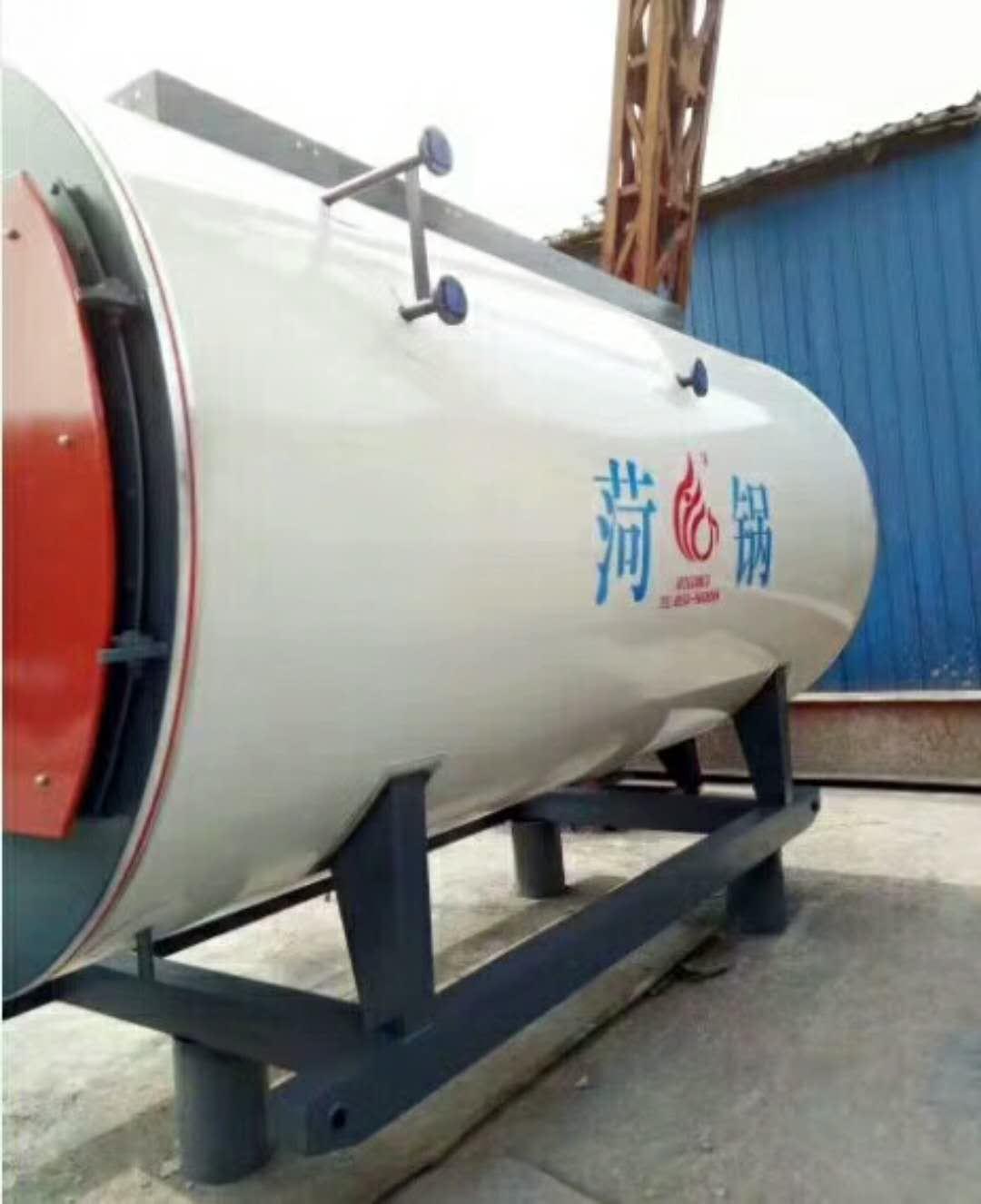
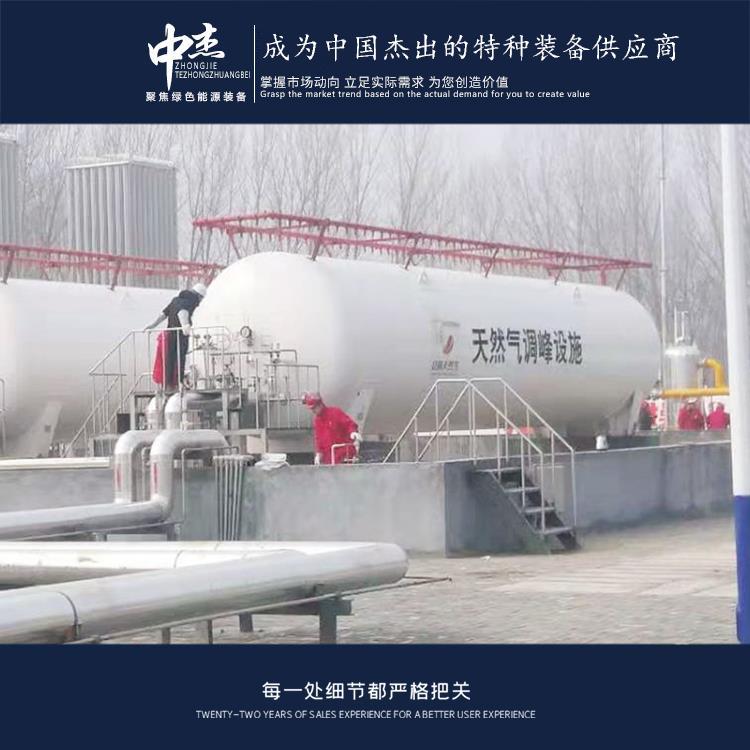
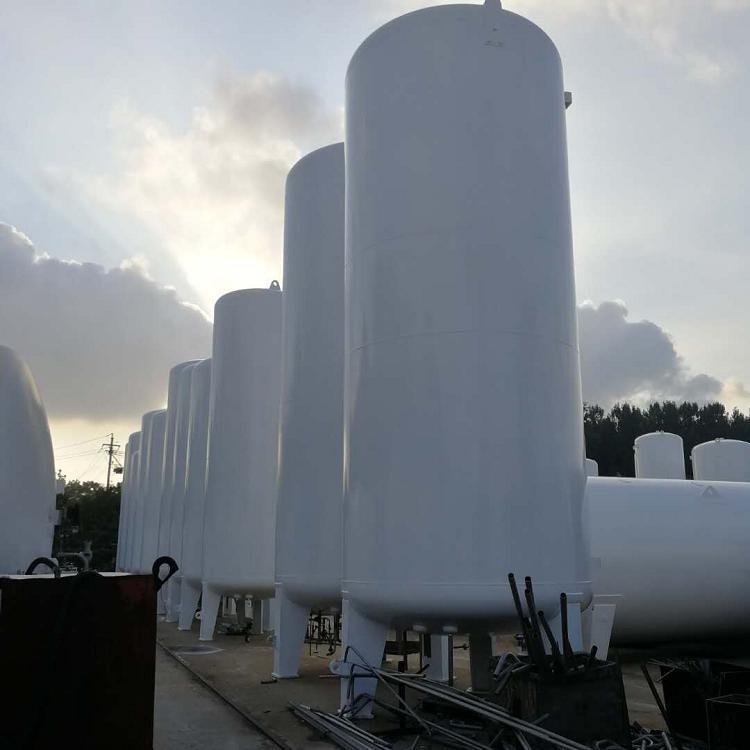
Shandong Zhongjie Special Equipment (formerly Heze Boiler Factory Co., Ltd.) holds an A-grade boiler manufacturing license, an A2-grade pressure vessel manufacturing license, an A2-grade pressure vessel design license, a B-grade boiler installation license, and GB2/Class, GC2/Class pressure pipeline installation licenses, as well as a mechanical and electrical equipment installation contracting qualification. It is a member of the China Boiler and Water Treatment Association, the China Chemical Equipment Association, and the council member of the Shandong Equipment Manufacturing Association. The company has also passed the ISO9001 Quality Management System, ISO14001 Environmental Management System, OHSAS18001 Occupational Health and Safety Management System certifications, and the American ASME/U2 certification.
In accordance with China's "Regulations for Safety Supervision of Pressure Vessel Technologies," carbon dioxide storage tanks are classified as Category II pressure vessels. The Regulations categorize pressure vessels as follows:
- Category I pressure vessels: Pressure vessels with operating pressures of 10 MPa (Megapascals) or higher, such as steam boilers and pressure vessels.
- Category II pressure vessels: Pressure vessels with operating pressures between 0.1 MPa and 10 MPa, such as air compressors and liquefied gas storage tanks.
- Category III pressure vessels: Pressure vessels with operating pressures between 0.05 MPa and 0.1 MPa, such as storage tanks.
- Category IV pressure vessels: Pressure vessels with operating pressures below 0.05 MPa, such as gas cylinders.
Based on this classification, carbon dioxide storage tanks typically have operating pressures above 0.1 MPa, thus falling under Category II pressure vessels. It's important to note that specific classification criteria may vary due to different regional regulations and standards. When using and managing carbon dioxide storage tanks, it is necessary to comply with the relevant regulations and standards.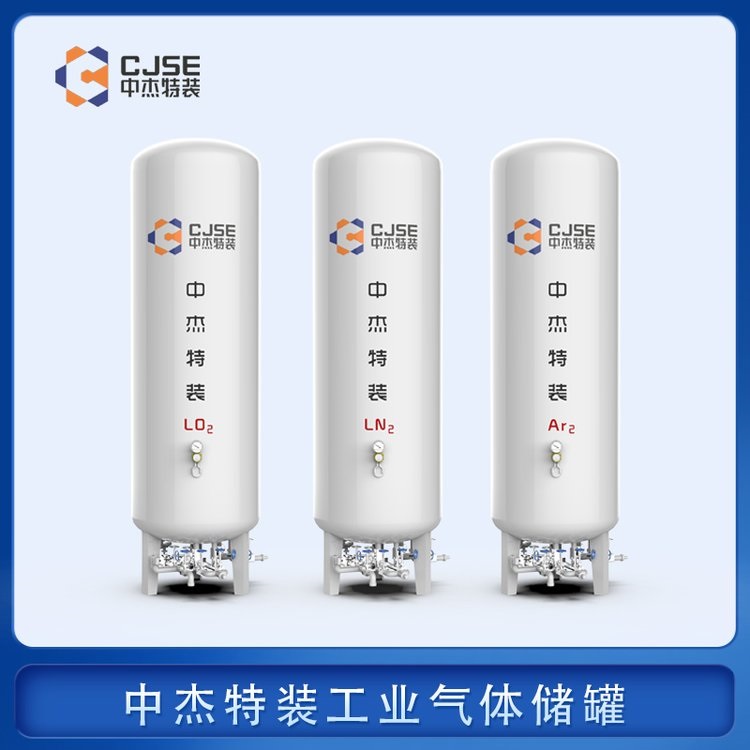
The liquid level of a carbon dioxide storage tank varies based on specific design and operational requirements. Generally, the liquid level in a liquid carbon dioxide tank is maintained between 80% and 95%. There are several reasons for keeping the tank level within this range:
- Space retention: Maintaining a certain level of liquid provides steam space inside the tank, preventing over-pressurization and the risk of tank explosion.
- Storage capacity: Keeping a higher level maximizes the tank's capacity, allowing for more carbon dioxide storage.
- Stable supply: Maintaining an appropriate level ensures a stable supply of carbon dioxide to meet usage demands.
However, specific level requirements may vary depending on different applications and industries. When using a carbon dioxide storage tank, follow the manufacturer's recommendations and relevant regulations and standards to ensure the tank's level is controlled within a safe and appropriate range.
Technical specifications for carbon dioxide storage tanks can be formulated based on different application fields and/or regional standards. Below are some common technical specifications and standards for reference:
- ASME Standards: The American Society of Mechanical Engineers (ASME) has issued a series of standards for pressure vessels, including specifications for carbon dioxide storage tanks, such as ASME BPVC Section VIII Division 1 and ASME BPVC Section VIII Division 2.
- ISO Standards: The International Organization for Standardization (ISO) has published some standards related to pressure vessels, like ISO 9809-1 and ISO 9809-2, covering design, manufacturing, and inspection requirements for steel cylinders.
- GB Standards: The China National Standardization Administration has issued a series of standards related to pressure vessels, such as GB 150 "Pressure Vessels" and GB 5099 "Steel Cylinders," including design, manufacturing, and inspection requirements for carbon dioxide storage tanks.
- DOT Standards: The United States Department of Transportation (DOT) has issued some standards related to pressure vessels and cylinders, such as DOT-3AA and DOT-4BA, covering design, manufacturing, and transportation requirements for liquefied gas storage tanks.
- EN Standards: The European Committee for Standardization (CEN) has published some standards related to pressure vessels, like EN 13445 and EN 14382, covering design, manufacturing, and inspection requirements for liquefied gas storage tanks.
- Additionally, other industry standards and specifications may apply to carbon dioxide storage tanks based on specific application needs, such as standards related to the food and beverage industry, etc.
When using carbon dioxide storage tanks, appropriate technical specifications should be selected based on specific application requirements and local regulatory requirements, ensuring that the design, manufacturing, and use of the tanks comply with the relevant standards and specifications.
The process of filling a carbon dioxide tank involves injecting liquid carbon dioxide into the tank. Here are some precautions to consider when filling a carbon dioxide tank:
Safety Operation: It is mandatory to follow relevant safety procedures during the filling process. Operators should be trained and aware of the tank's characteristics and safety concerns to ensure safe operation.
Tank Capacity Control: Ensure that the filling process does not exceed the tank's rated capacity. Overfilling can lead to excessive pressure and increased safety risks.
Filling Rate Control: Maintain a moderate filling rate to avoid both too fast and too slow filling. Excessive speed can cause elevated internal pressure, while slow speed may lead to extended filling times.
Temperature Control: Control the temperature of the liquid carbon dioxide during the filling process. High temperatures can cause rapid evaporation, and low temperatures can lead to solidification.
Pressure Control: Monitor and control the internal pressure of the tank during filling. Excessive pressure can cause tank rupture or leakage, while low pressure may result in inadequate filling.
Level Monitoring: Regularly check the tank's level during filling to ensure accurate measurements and avoid overfilling or underfilling.
Pressure Relief Devices: The tank should be equipped with pressure relief devices, such as safety valves, to control internal pressure. The set pressure of these devices should meet relevant requirements and be regularly inspected and maintained.
Environmental Protection: Be mindful of environmental protection during the filling process, avoiding leaks and contamination of liquid carbon dioxide. Use appropriate protective measures, such as sealed connections and protective devices.
The above are some precautions to consider when filling a carbon dioxide tank. Adhere to relevant safety regulations and standards during filling operations, and consult with experts to ensure safety and effectiveness.
Shandong Zhongjie Special Equipment, welcome customers to our factory for business discussions.
Yibin Carbon Dioxide Storage Tank Price, On-Site Installation
