


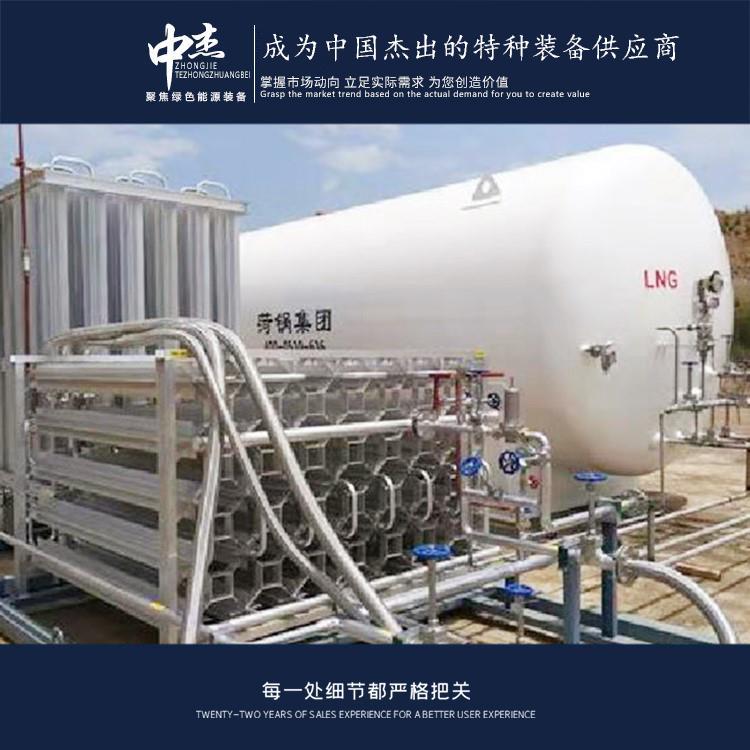
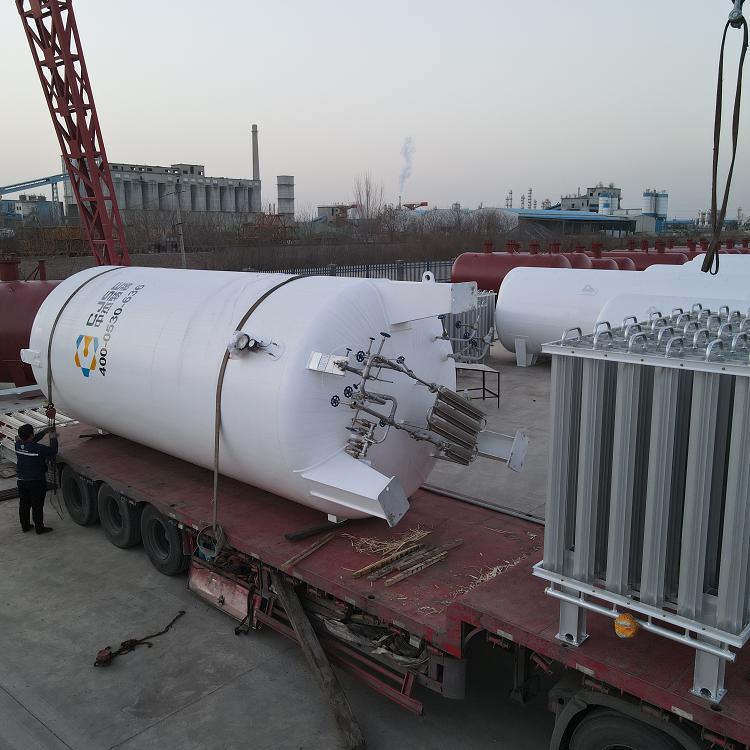
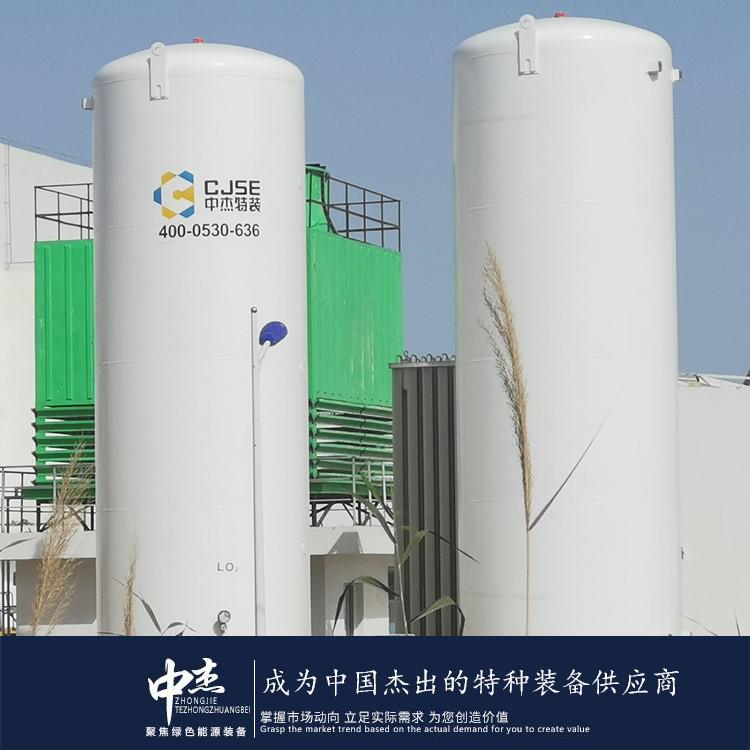
Shandong Zhongjie Special Equipment's main products include: fuel (gas) boilers, organic heat carrier boilers, biomass boilers, waste heat recovery boilers, and other boiler products; vacuum insulation cryogenic pressure vessels such as LNG tanks, oxygen/nitrogen/argon tanks, and CO2 tanks; pressure vessel products like denitrification engineering equipment, heat storage and energy storage equipment, and complete chemical equipment sets; central air conditioning and HVAC equipment such as ground (water) source heat pumps, air source units, water-cooled screw units, and air-cooled modular units. Planned products include large-scale energy centers, LNG transport vehicles, LNG tank containers, and other green energy equipment.
Detailed parameters of carbon dioxide storage tanks may vary depending on specific design and usage requirements. Here are some common parameters of carbon dioxide storage tanks:
- Capacity: The capacity of carbon dioxide storage tanks can vary as needed, with common ranges extending from a few thousand to several tens of thousands of liters.
- Pressure: The design working pressure of carbon dioxide storage tanks typically falls between 15-25 MPa (Megapascals), with the specific pressure depending on the usage scenario and application needs.
- Material: Carbon dioxide storage tanks are usually made of high-strength materials such as carbon steel or stainless steel. The choice of material depends on the storage environment and requirements.
- Dimensions: The external dimensions of carbon dioxide storage tanks can also vary based on capacity and design. Common shapes include cylindrical, spherical, or cuboid.
- Level Control: Carbon dioxide storage tanks often come with level control systems for monitoring and controlling the liquid level of carbon dioxide. These systems typically include level sensors and control valves.
- Pressure Control: Internal pressure control systems are commonly installed in carbon dioxide storage tanks to monitor and control the gas pressure inside. These systems usually include pressure sensors and safety valves.
It should be noted that specific parameters of carbon dioxide storage tanks can differ based on different manufacturers, application scenarios, and standards. When selecting and using carbon dioxide storage tanks, it is essential to follow relevant safety operation procedures and guidelines, and consult with experts to obtain accurate parameter information.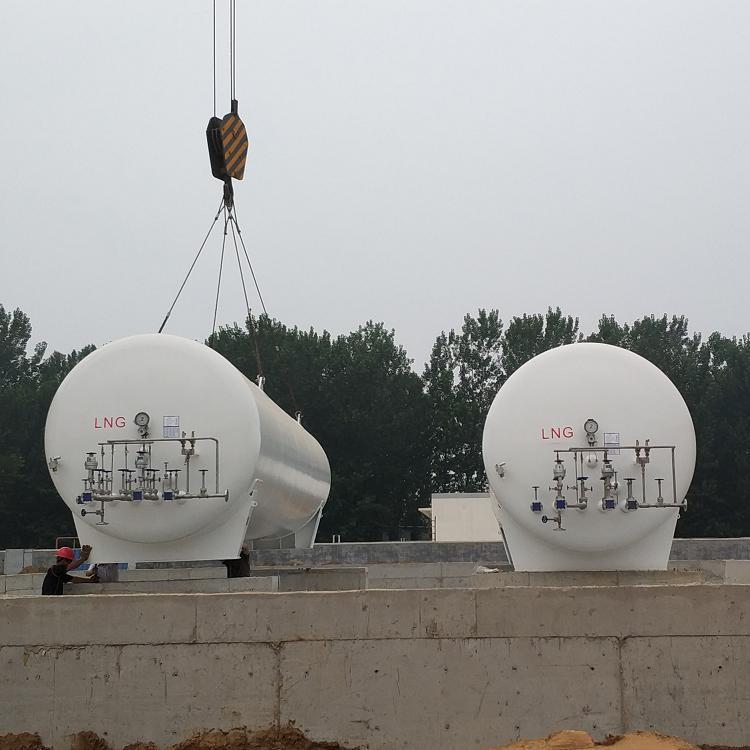
Carbon dioxide cylinder hydrostatic testing is a common quality inspection method used to verify the cylinder's sealing and pressure resistance. Below are the general steps for conducting a hydrostatic test on a carbon dioxide cylinder:
Preparation: Ensure the cylinder interior is clean and the cylinder is empty. Check the cylinder's valves, pipes, and connections to ensure they are sealed properly.
Filling with Water: Fill the cylinder with water, using tap water or another clean water source. Ensure the water is evenly filled to avoid bubbles or dead spots.
Applying Pressure: Use a pressure pump or other pressure device to gradually increase the water pressure until it reaches the predetermined test pressure. The test pressure is typically determined based on the cylinder's design requirements and relevant standards.
Maintaining Pressure: After reaching the test pressure, hold it for a period, usually 15-30 minutes. During this time, observe for any leakage and check for leaks at the valves and connection points.
Pressure Release: Release the water pressure inside the cylinder, ensuring it is done slowly and evenly to avoid sudden pressure release causing shock.
Inspection and Evaluation: After pressure release, inspect the cylinder's exterior and interior for any leakage. Evaluate the test results to ensure the cylinder's sealing and pressure resistance meet the requirements.
It is important to note that when conducting hydrostatic testing, safety operating procedures and standards should be followed to ensure safety and reliability during the process. Additionally, based on the cylinder's design and usage requirements, other types of tests can be conducted, such as gas pressure testing, ultrasonic testing, etc., to comprehensively assess the cylinder's quality and performance. Seek advice and guidance from consulting experts.
The internal structure of carbon dioxide storage tanks typically includes the following main components:
- Tank Shell: The tank shell serves as the primary container for storing carbon dioxide and is usually made of carbon steel or stainless steel. It possesses adequate strength and sealing properties to withstand the pressure and loads within the tank.
- Lining Layer: To prevent direct contact between carbon dioxide and the tank shell, thereby avoiding corrosion and contamination, the interior of the tank is usually coated with a lining layer. This lining is typically made from corrosion-resistant materials such as glass fiber reinforced plastic (GFRP) or polyester resin.
- Support Structure: To support the tank's weight and maintain stability, a support structure is often installed within the tank. This can include supports, such as feet or frames, which are used to bear the tank's bottom and side walls.
- Internal Accessories: The tank is also equipped with essential accessories like level gauges, pressure sensors, temperature sensors, and safety valves. These are used to monitor and control the liquid level, pressure, and temperature within the tank to ensure safe operation.
- Pressure Relief Device: To prevent excessive internal pressure, tanks are usually fitted with pressure relief devices such as safety valves. When the internal pressure exceeds the set value, the relief device automatically opens to release pressure and protect the tank.
- Inlet and Outlet Pipes: The tank also contains inlet and outlet pipes for injecting and discharging carbon dioxide. These pipes are typically connected to external supply or consumption systems to facilitate the storage and use of carbon dioxide.
- The above descriptions provide a general overview of the internal structure of carbon dioxide storage tanks. Specific structural designs and configurations may vary depending on the tank's intended use and specifications. Proper use and maintenance of the tank are necessary.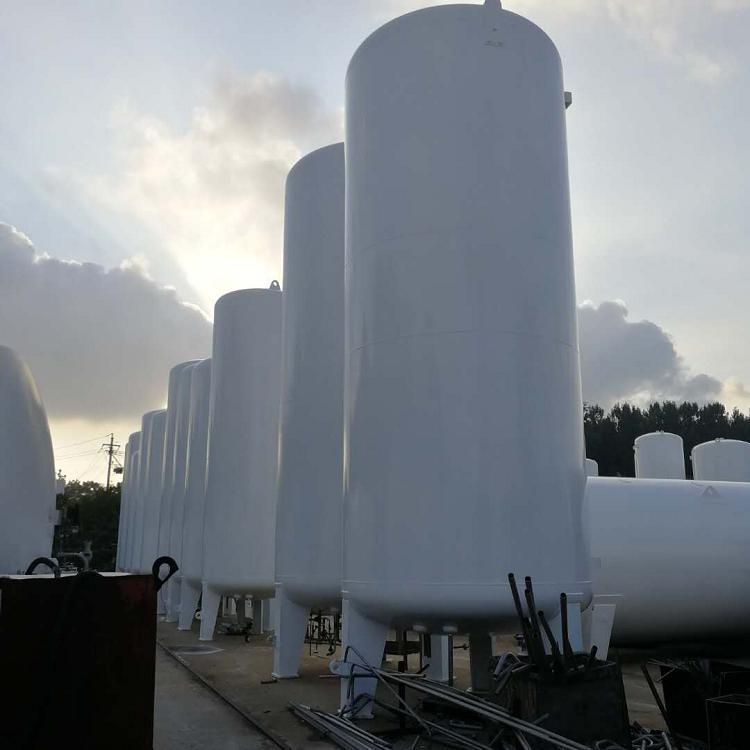
Installation and Operation Requirements for Low-Temperature Carbon Dioxide Storage Tanks:
Installation Location Selection: When selecting the installation location for the storage tank, consider the tank's weight and dimensions to ensure a solid and stable foundation. Additionally, maintain a safe distance from flammable, explosive materials, and high-temperature sources to ensure safety.
Safety Distance: Maintain a certain safety distance around the tank for routine inspections, maintenance, and emergency response. The safety distance should comply with relevant safety regulations and standards.
Connection Pipelines: Use an appropriate connection method between the tank and the pipeline to ensure tight, reliable connections with no leaks. The connection pipelines should meet relevant standards and specifications.
Pressure Relief Devices: The storage tank should be equipped with pressure relief devices, such as safety valves, to control internal pressure. The set pressure of the pressure relief devices should meet relevant requirements and be checked and maintained regularly.
Sealing Inspection: Regularly inspect the tank's sealing performance to ensure there are no leaks. Pay special attention to the valves, pipeline connections, and the tank's own sealing.
Temperature Control: Temperature control is required for low-temperature carbon dioxide storage tanks to maintain the internal低温 state. Ensure the surrounding environment temperature is suitable and take corresponding insulation measures.
Safety Protection: Set up appropriate safety protection facilities around the tank, such as guardrails and warning signs, to remind personnel of safety and prevent unauthorized access to the tank.
Storage Capacity Control: Control the storage capacity of the tank based on actual needs to avoid exceeding the rated capacity. Exceeding the rated capacity may lead to excessive tank pressure and increase safety risks.
Storage
Zhongjie Special Equipment upholds the grand vision of "realizing employees' dreams, creating value for customers, and striving for the prosperity and strength of our motherland," and is dedicated to the development of the green energy equipment industry. We commit to society with high-quality, cost-effective products and services!
Changsha 20 cubic CO2 storage tank, high product safety
