


Bio-mass boiler furnace ash blowing refers to the process of cleaning the combustion area within the furnace by using an ash-blowing device. The purpose of ash blowing is to remove the ash and slag inside the furnace, maintain the unobstructed flow of the combustion area, and improve the combustion efficiency and operational stability of the boiler.
The ash blowing operation in furnace generally consists of two methods: mechanical ash blowing and pulse ash blowing.
Mechanical Ash Blowing: Mechanical ash blowing is a process that uses mechanical devices, such as rotary ash blowers and chain ash blowers, to clean the combustion area within the furnace chamber. The mechanical ash blower rotates or moves periodically, removing ash and slag from the combustion area.
Pulse Cleaning: Pulse cleaning involves using high-pressure gas or compressed air to jet the air flow into the combustion area of the furnace through nozzles, creating shock and vibration to remove ash and slag. Pulse cleaning boasts effective and rapid ash removal.
The impact of ash blowing operation in the furnace on biomass boilers is mainly reflected in the following aspects:
Clean the combustion area: The furnace ashing can burn away the slag and soot in the combustion area, keeping the combustion area clear, which is beneficial for the complete combustion of fuel and improves the combustion efficiency.
Reduce smoke gas resistance: The furnace ash blowing can burn the ash and slag in the combustion area, reducing the resistance in the smoke gas passage, which is conducive to the smooth discharge of smoke gas and improves the heat exchange efficiency of the boiler.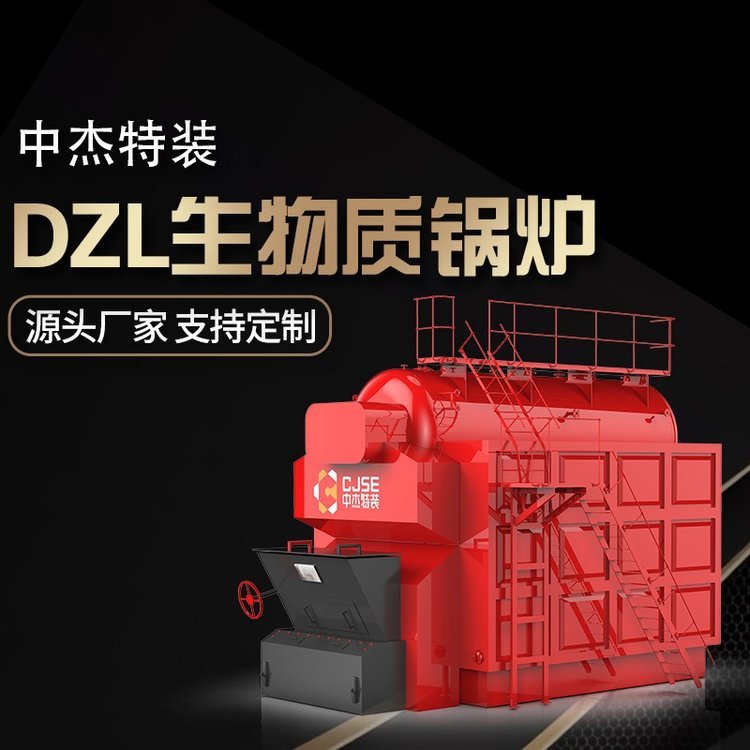
To prevent re-burning accidents at the tail end of biomass boilers, the following operational measures can be taken:
Rationally adjust combustion parameters: Ensure the stability and completeness of the combustion process, and avoid fuel accumulation and recombustion in the tail region. Reasonably control combustion temperature, air flow, and combustion time to maintain a smooth and thorough combustion process.
Enhanced combustion chamber mixing and air flow distribution: By optimizing the combustion chamber structure and the design of the combustion system, ensure thorough mixing of fuel and air, preventing fuel accumulation and re-burning in the tail section. Rationalize the air flow distribution within the combustion chamber to ensure even fuel combustion.
Regular cleaning of furnace and flue: Regularly clean the ash and carbon buildup inside the furnace to maintain its cleanliness. Clean the flue and waste heat recovery equipment to prevent particle accumulation and ash in the flue gas, reducing the risk of re-burning.
Install Flue Gas Recirculation (FGR) Device: Install a flue gas recirculation device at the rear of the boiler to reignite the exhaust flue gas, enhancing combustion efficiency, and minimizing the possibility of secondary combustion at the rear.
Enhance operational monitoring and maintenance: Regularly monitor and maintain biomass boilers to promptly identify and address any anomalies. Monitor combustion parameters, flue gas emissions, and temperatures to ensure the boiler operates normally.
Ensure safety training and operational procedures: Conduct safety training for operators to enhance their understanding of biomass boiler operations and safety.
The hot water boiler features the following main characteristics:
Energy-saving: The combustion technology and heat exchanger design of the hot water boiler enable high energy conversion and utilization efficiency, reducing energy consumption and operational costs.
Environmental Emission Reduction: The hot water boiler employs advanced combustion technology and flue gas purification equipment during the combustion process, effectively controlling and reducing emissions of pollutants, thereby protecting the environment and human health.
Safety and Reliability: The hot water boiler is equipped with a comprehensive safety protection system and control, capable of real-time monitoring and controlling the operational status of the boiler to ensure its safe and reliable operation, preventing accidents.
Smart Temperature Control: The temperature control system and intelligent control equipment of the hot water boiler enable precise temperature regulation and energy consumption management, enhancing system stability and comfort.
Multi-energy supply: Hot water boilers can accommodate various energy sources, including gas, oil, biomass, solar energy, etc., achieving diversified energy use and sustainable development.
Flexible Installation: The hot water boiler features versatile installation methods and structural design, allowing for customization and setup to meet different site conditions and requirements, accommodating both architectural and industrial needs.
Stable: The heat exchangers and combustion system of the hot water boiler allow for rapid achievement of the set temperature and maintain a stable supply of hot water, meeting the user's hot water needs.
Ease of Maintenance: The maintenance and upkeep of the hot water boiler are relatively simple, with a clear equipment structure that is easy to clean and repair, reducing downtime and maintenance costs.
These features make the hot water boiler the ideal equipment for supplying hot water, widely used in residential areas, industrial factories, commercial buildings, and other locations, providing users with environmentally friendly, safe, and comfortable hot water supply.
Biomass fuel refers to fuel made from biomass materials that can be used for energy production. Common types of biomass fuel include:
Wood and wood chips: Including firewood, charcoal, and wood pellets, etc.
Crop straw: such as corn straw, rice straw, etc.
Energy crops: such as sugarcane, corn, rapeseed, etc.
Animal Manure: Cattle, chicken, etc.
Biogas produced from anaerobic fermentation of organic waste.
Biodiesel: Such as vegetable oils, animal fats, etc.
Bioethanol: Ethanol fuel produced by fermentation of plants.
Biofuel: Fuel produced by the esterification reaction of vegetable oils or animal fats.
These biomass fuels can be used for power generation, heating, and fuel substitution, offering advantages such as renewability and low carbon emissions.
