


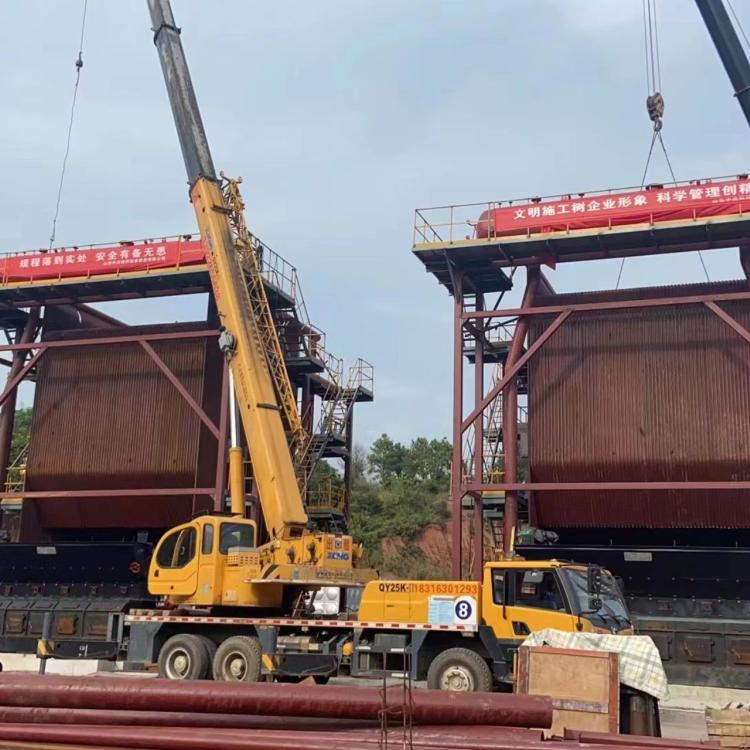
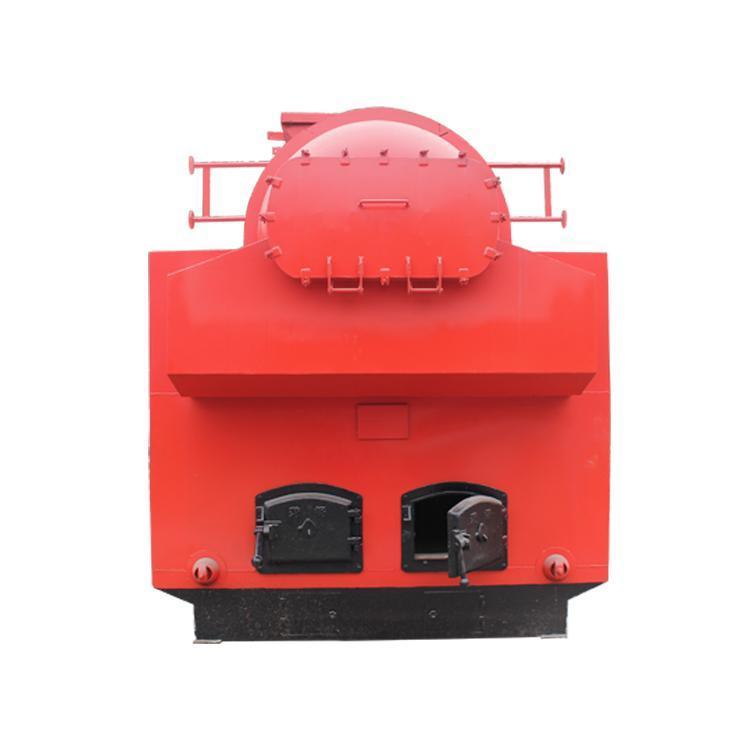
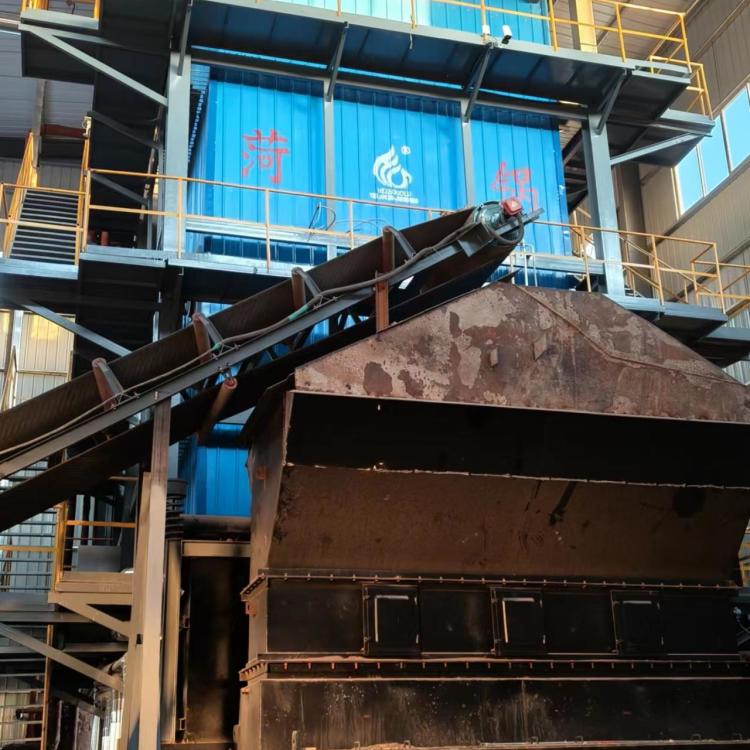
Biomass boilers offer several advantages:
Renewable Energy: Fuel used in biomass boilers comes from organic matter such as plants, animals, and microorganisms, making it a renewable energy source. Compared to traditional fossil fuels, biomass fuel has lower carbon emissions and environmental impact, helping to reduce greenhouse gas emissions and is more environmentally friendly.
Diverse Fuel Sources: Biomass fuel sources are widespread, including wood, straw, waste crops, food scraps, and urban solid waste. This diversity in fuel sources allows biomass boilers to be flexible and adaptable, utilizing waste and by-products from plants and animals.
Environmental friendliness: The carbon dioxide emitted during the combustion of biomass boilers can be absorbed by plants, forming a cycle that reduces air pollution. Moreover, the emissions and ash produced by the combustion process of biomass boilers are relatively low, causing minimal environmental impact.
Energy Security: Biomass, as a local renewable energy source, can reduce dependence on imported energy and enhance energy security. In areas with scarce resources, the use of biomass boilers can provide a reliable energy supply.
Economic Efficiency: Biomass fuel is relatively cost-effective, which can reduce energy costs. Moreover, the technology and equipment for biomass boilers are continuously evolving and maturing, making them more economically competitive.
Waste Utilization: Biomass boilers can utilize agricultural and forestry by-products such as crop straw, wood waste, etc., effectively utilizing waste resources and reducing resource waste.
In summary, biomass boilers offer advantages such as renewable energy, diverse fuel sources, environmental friendliness, energy security, cost-effectiveness, and waste utilization, making them a sustainable energy option.
Biomass boilers offer the following environmental advantages:
Renewable Energy: The fuel used in biomass boilers is renewable, such as wood chips, straw, waste materials, etc. Compared to fossil fuels, the use of biomass fuel can reduce dependence on limited resources and lower energy consumption.
Low Carbon Emissions: The amount of carbon dioxide released during the combustion of biomass fuel is roughly equivalent to the amount absorbed during its growth, forming a closed carbon cycle. Compared to the combustion of fossil fuels, biomass boilers have lower carbon emissions, contributing positively to the reduction of greenhouse gases.
Reducing Pollutant Emissions: The combustion of biomass fuel results in relatively low pollutant emissions. Compared to coal combustion, biomass boilers emit lower levels of nitrogen oxides, sulfur oxides, and particulates, causing less pollution to the atmosphere.
Waste Utilization: Biomass boilers can use waste materials as fuel, such as crop straw and wood waste. If these wastes are not utilized, they may impact the environment. By utilizing biomass boilers, we can achieve resourceful utilization of waste, reducing the issues of waste storage and disposal.
Energy Recovery: The flue gas from biomass boilers contains a large amount of heat energy, which can be recovered and utilized through a flue gas waste heat recovery unit. Utilizing the remaining heat in the flue gas for heating, hot water, etc., enhances energy utilization efficiency and reduces energy waste.
Sustainable Development: The sustainability of biomass fuel is high.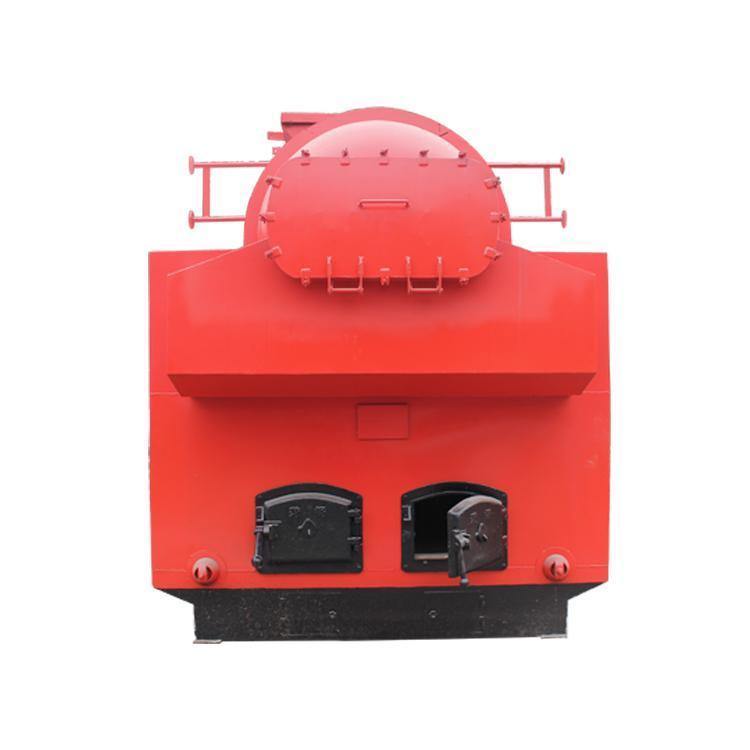
Control methods for biomass boiler combustion systems can include the following aspects:
Fuel Supply Control: Regulate the supply quantity and speed of biomass fuel to ensure stable fuel supply. This can be achieved by controlling the speed of the feeding machine or adjusting the opening of the feeding valve.
Air Supply Control: Regulate the air supply during the combustion process to ensure complete fuel combustion. Air supply can be controlled by adjusting the fan speed or the opening of the air gate.
Combustion Temperature Control: Monitor and control the furnace temperature during the combustion process to maintain the combustion temperature within an appropriate range. The combustion temperature can be controlled by adjusting the air flow, fuel supply, and fuel distribution.
Combustion Process Monitoring: By installing temperature sensors, pressure sensors, oxygen content sensors, and other monitoring equipment, we can continuously monitor parameters such as temperature, pressure, and oxygen content during the combustion process. This allows for the prompt detection of anomalies and timely adjustments.
Flue Gas Emission Control: Monitor and control the emission of pollutants in flue gas to ensure the environmental friendliness of the combustion process. This can be achieved by installing flue gas analyzers and emission control devices, adjusting combustion parameters and flue gas treatment equipment to reduce pollutant emissions.
Automated Control System: Our system employs an automated control system to manage and monitor the biomass boiler combustion process. Utilizing PLC controllers, touchscreens, and other equipment, it ensures automatic adjustment of parameters and real-time monitoring of operational status, enhancing the stability and efficiency of the combustion system.
In summary, through reasonable fuel supply, air supply, combustion temperature control, as well as monitoring and automated control of the combustion process, the stable operation of the biomass boiler combustion system can be achieved.
When using biomass boilers, here are some common usage methods and precautions to consider:
Operation Manual: Firstly, carefully read and understand the operation manual for the biomass boiler. The manual provides detailed instructions and guidance on safe operation, ignition, fuel supply, and combustion adjustment.
Fuel Selection: Choose suitable biomass fuel such as wood chips, straw, wheat straw, fruit shells, etc. Ensure the fuel quality is good, dry, and free of impurities to guarantee optimal combustion and the normal operation of the boiler.
Ignition Procedure: Proceed with the ignition as instructed in the operation manual. Typically, you need to activate the igniter or ignition device, ensure a sufficient fuel supply for ignition, and adhere to the safety operation procedures.
Fuel Adjustment: Adjust combustion parameters such as fuel supply, oxygen supply, and combustion temperature based on the boiler's operating status and requirements. Adjustments can be made according to the instructions in the operating manual, using the control panel or an automated control system.
Cleaning and Maintenance: Regularly clean and maintain biomass boilers, including the combustion chamber, flue, and heat exchanger components. Ensure the boiler's combustion efficiency and safety.
Safety Precautions: When using biomass boilers, please pay attention to the following safety measures: Ensure good ventilation around the boiler to prevent smoke accumulation from combustion; Regularly inspect and replace key components such as burners and valves; Adhere to the safety operating procedures in the operation manual to avoid accidents caused by operational errors.
Please note that the above information is for general usage methods and precautions only; specific usage methods and operational details may vary depending on the model and manufacturer of the biomass boiler. Therefore, it is recommended to carefully read and follow the operation manual and guidelines provided by the manufacturer before using the biomass boiler.
Shandong Zhongjie Special Equipment, welcome customers to visit our factory for business discussions.
