


Based on thermal calculation results, this furnace utilizes a 2-layer tube design (12Cr1MoV GB5310), with the inner circle featuring a 2-thread pitch and the outer circle a 1-thread pitch. The two layers are arranged in parallel to meet the user's requirements for internal pressure drop, while the flow rates of the radiant and convective tubes are 2.15 m/s and 1.40 m/s, respectively (under 120 m³/h).
Glass and cement production generate a large amount of heat, with kiln flue gas temperatures reaching 300~350°C. This excess heat can be recovered through waste heat boilers to produce low and medium-pressure steam, or by using air and gas preheaters to preheat the incoming gas or combustion air, saving fuel and improving combustion efficiency.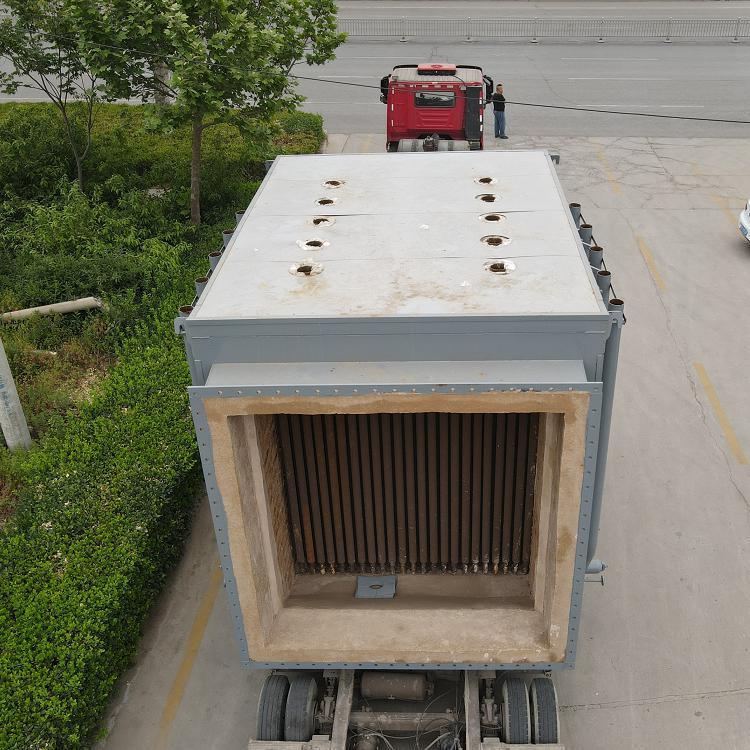
Using the waste heat from the production process to generate steam and hot water can help companies save energy, reduce consumption, and increase profits.
Compact structure, excellent sealing performance, and no environmental pollution.
Low system resistance, easy operation, safe and reliable, ensures sufficient heat recovery
Received.
The waste heat boiler is designed according to the customer's process parameters.
"Waste gases, waste liquids, and solid waste are collectively referred to as 'three wastes,' which are also..."
Waste generated during the production and manufacturing of fertilizer products and in the coal chemical industry.
Gas, slag, ash, etc., collectively referred to; such as vent gas, blow-off gas, and gas-making furnace.
Sludge from settling ponds and coal fines. Waste heat boilers for mixed-fuel furnaces and blast gas waste heat boilers.
Is used for fertilizers, chemicals (especially methanol, ...) and synthetic ...
Ideal energy-saving equipment for the urea and synthetic ammonia (ammonia) industry.
The production of chemical products generates a substantial amount of low-calorific fuel.
Processed and utilized, these low-calorific fuels were mixed with coal to serve as fuel, which was then burned in a mixed combustion furnace and the accompanying waste heat boiler.
Boilers are used to generate steam with the required parameters.
The high-temperature flue gas released from coal combustion is transported through the flue to the waste heat boiler, then flows through the superheater, evaporator, and economizer, and finally discharged into the atmosphere through the chimney with a flue gas temperature of generally 150-180°C. The heat released from the reduction in flue gas temperature to the exhaust temperature is used to convert water into steam. The boiler feed water first enters the economizer, where it absorbs heat and warms up to slightly below the saturation temperature under the steam drum pressure before entering the drum. The water entering the drum mixes with the saturated water inside and flows down through the downcomer into the evaporator to absorb heat and begin steam production. Since typically only a portion of the water turns into steam, a mixture of steam and water flows in the evaporator. This mixture leaves the evaporator and enters the upper drum, where it is separated by steam-water separators. The water falls into the drum's water space and continues to absorb heat and produce steam, while the steam enters the superheater from the top of the drum, absorbing heat to convert the saturated steam into superheated steam. Corresponding to the three stages of steam production—economizer, evaporator, and superheater—if superheated steam is not required and only saturated steam is needed, the superheater can be omitted. If there is reheated steam, a reheater can be added.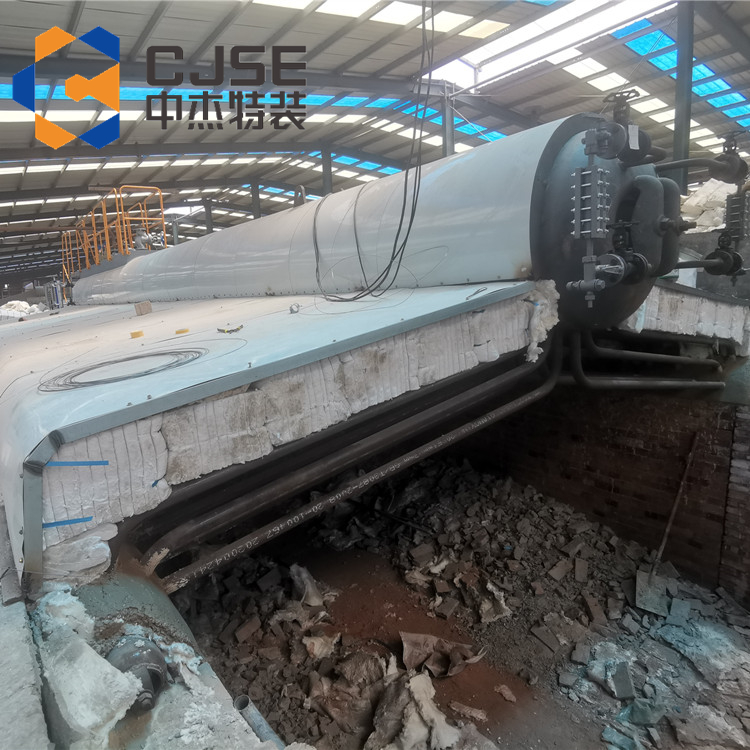
The assembled container consists of an outlet sump and connecting pipes. To ensure that the temperatures of various parts of the sump are consistent, the steam-water mixture is introduced into the outlet sump through multiple connecting pipes and then into the boiler drum via rising pipes.
Residual Heat Boiler Phone
