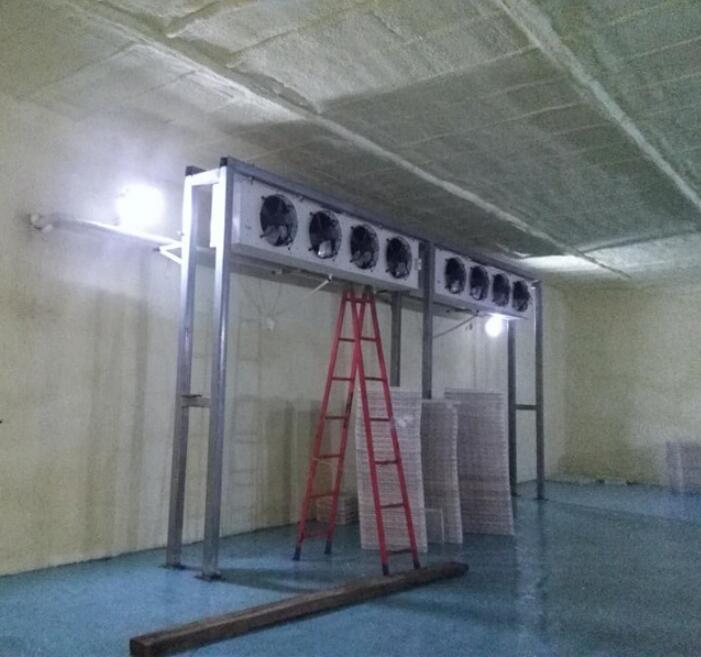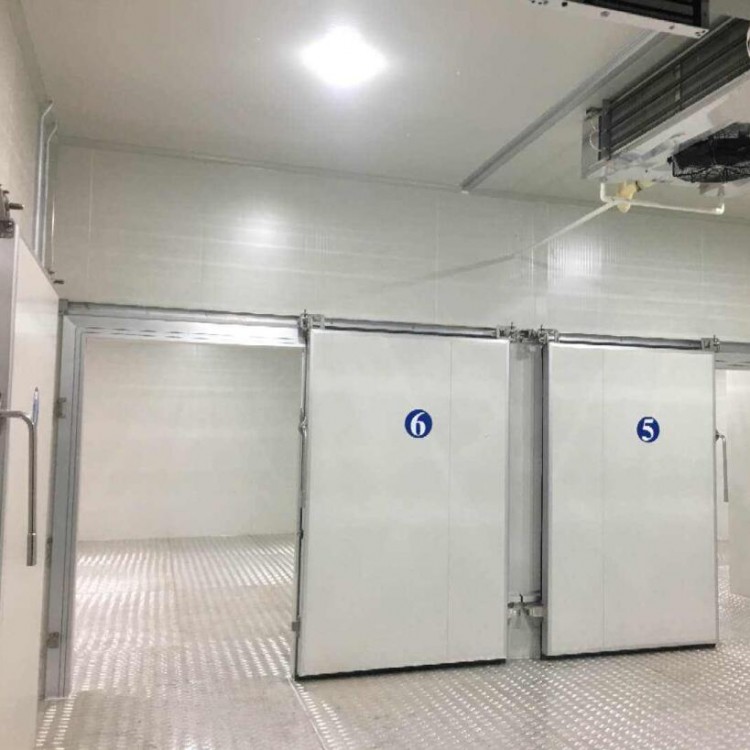

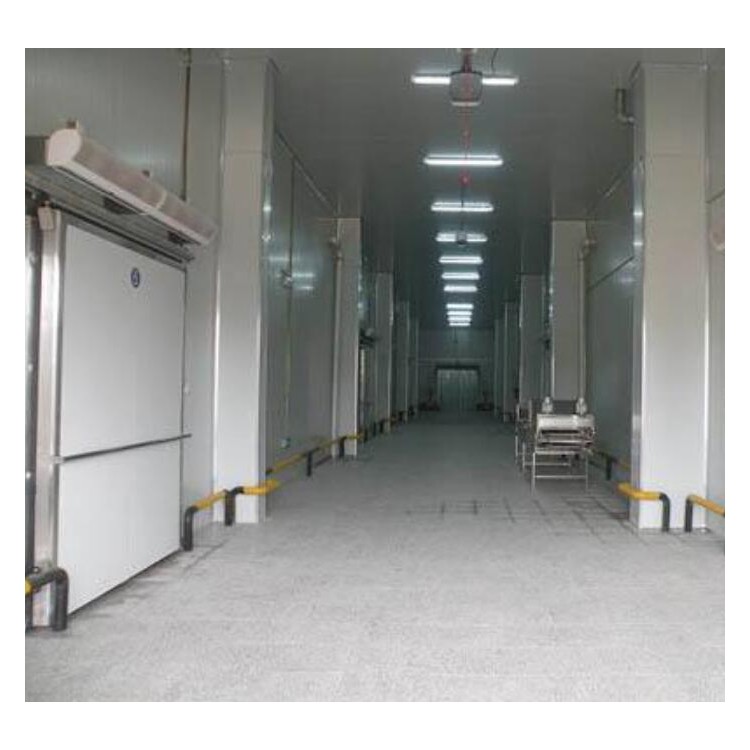
Vegetable preservation cold storage is a refrigerated facility primarily used for food freezing and cold storage, relying on artificial refrigeration to maintain a certain low temperature in the room. As fruits and vegetables consume a significant amount of energy during storage, it is essential that the temperature inside the cold storage be stable and not subject to drastic changes, and that it has good airtightness and thermal insulation to ensure the product remains in an appropriate environment.
Vegetable Cold Storage Building Features and Requirements
Vegetable cold storage buildings should prevent steam from spreading and avoid air infiltration. Therefore, it is essential to use properly designed building structures and materials with good thermal insulation properties. When outdoor air intrudes, it not only increases the cooling consumption of the cold storage but also introduces water into the room, leading to condensation that can damage the building structure, especially the thermal insulation, causing moisture and freezing. Therefore, a moisture-proof and insulating layer should be installed. This novel design ensures the cold storage building is well-sealed, moisture-proof, and has excellent thermal insulation properties.
Vegetable Cold Storage Categories
According to the size of cold storage, the capacity of freezer storage is also not standardized, generally categorized as large, medium, and small.
Large vegetable cold storage with a refrigeration capacity exceeding 10,000 tons.
Medium-sized vegetable cold storage has a refrigeration capacity of 1000~10,000 tons.
Small vegetable cold storage with a refrigeration capacity not exceeding 1000 tons.