




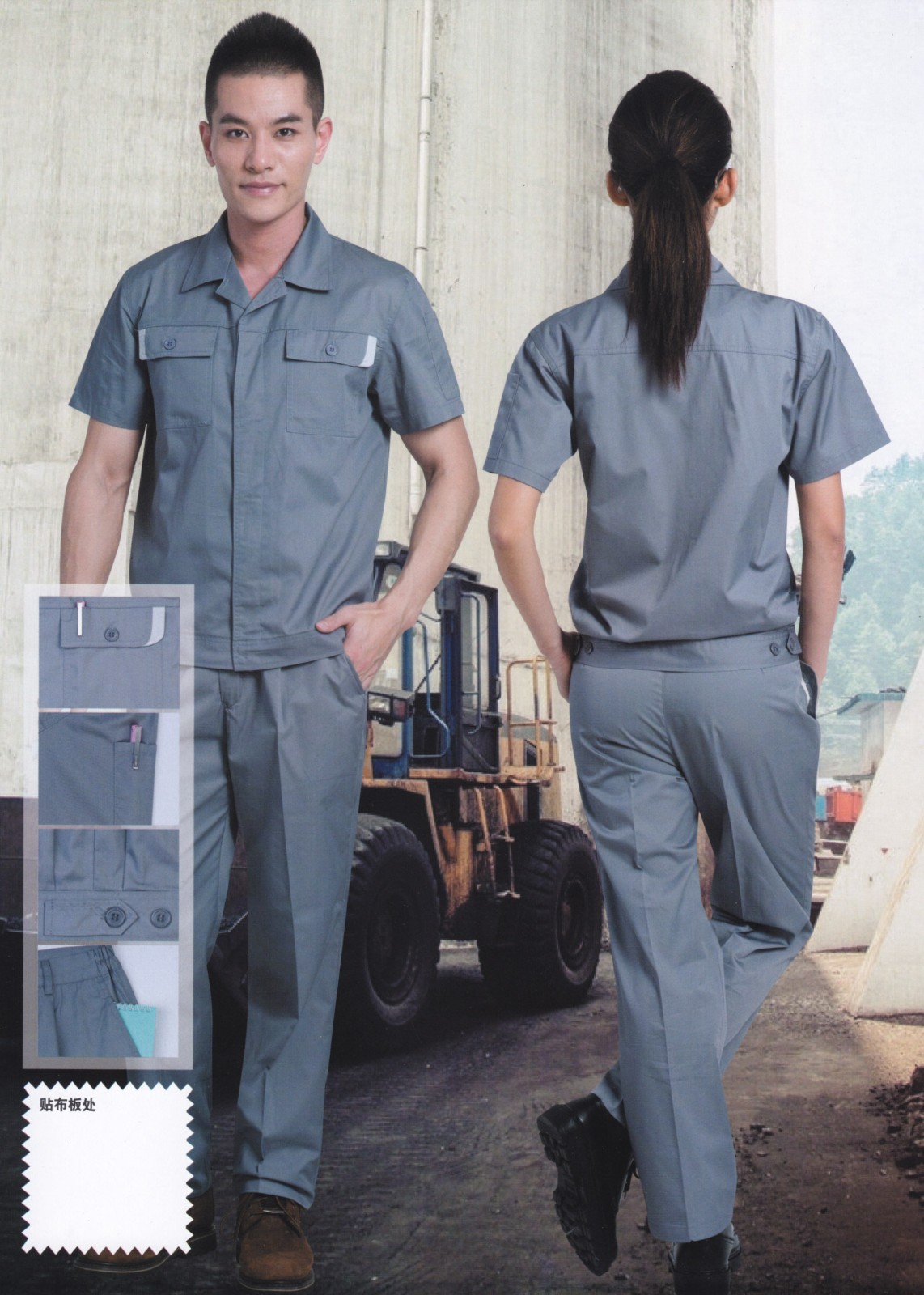
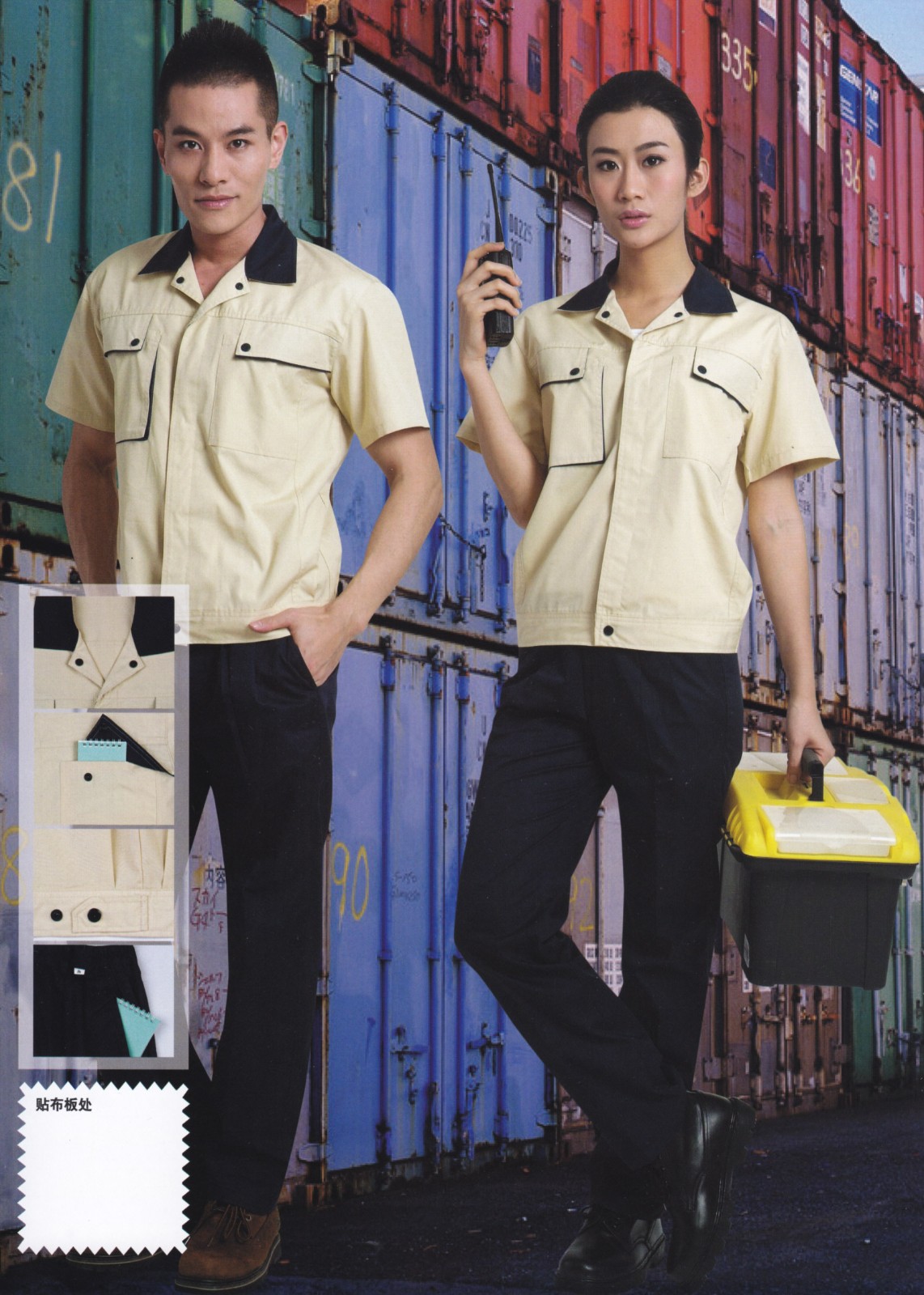
Many companies have resistance to requiring employees in the workshop to wear uniforms, as they cannot choose clothing based on their own style preferences. But why do companies still enforce uniform work attire?
1. Workshop uniforms are designed to meet work requirements. Visually, they showcase the company's culture, corporate spirit, job responsibilities, and more, making it easier for businesses to manage effectively and reduce management costs.
Employees wear standardized work uniforms in the workshop, eliminating the desire to compete, reducing internal conflicts within the company, and enhancing the unity and collectivism among staff.
3. Boost efficiency, constantly reminding you that you're at work and it's different from your usual routine. Don't play around or be too relaxed. With such attire, you'll naturally think that completing your tasks first is crucial.
4. Easy to operate. Especially for individuals in specific industries such as the power, machinery, and chemical sectors, the work uniforms they wear may require features like static dissipation, acid and alkali resistance, and abrasion resistance, which standard clothing may not offer.
So, the advantages of having a uniform work uniform in the workplace are quite numerous.
Most people enjoy dressing up, so they pay close attention to their everyday attire. However, many companies require uniform work uniforms, which leads to dissatisfaction among some employees. In fact, wearing workshop uniforms serves many purposes.
Which industries require work uniforms?
In dusty work environments, wearing a work uniform can help prevent dust exposure.
Women workers in trades such as lathe and welding, exposed to machine tools with a lot of grease, can wear work clothes for cleanliness.
Precision instrument workshop, requires workers to wear white lab coats and helmets to prevent dust from the head and clothing from falling onto the instruments, which may affect the quality of the instruments.
For some laboratories and chemical companies, wearing acid and alkali-resistant work clothes can prevent toxic substances from contaminating personal attire and avoid harm to the body.
Female workers engaged in tasks involving heat radiation or working in humid environments can benefit greatly from wearing protective gear that is both radiation-proof and moisture-resistant.
More importantly, workwear in the workshop not only offers physical protection to the staff, but also represents the overall image of the company. Employees in different job roles wear different uniforms, which also facilitates management.
