




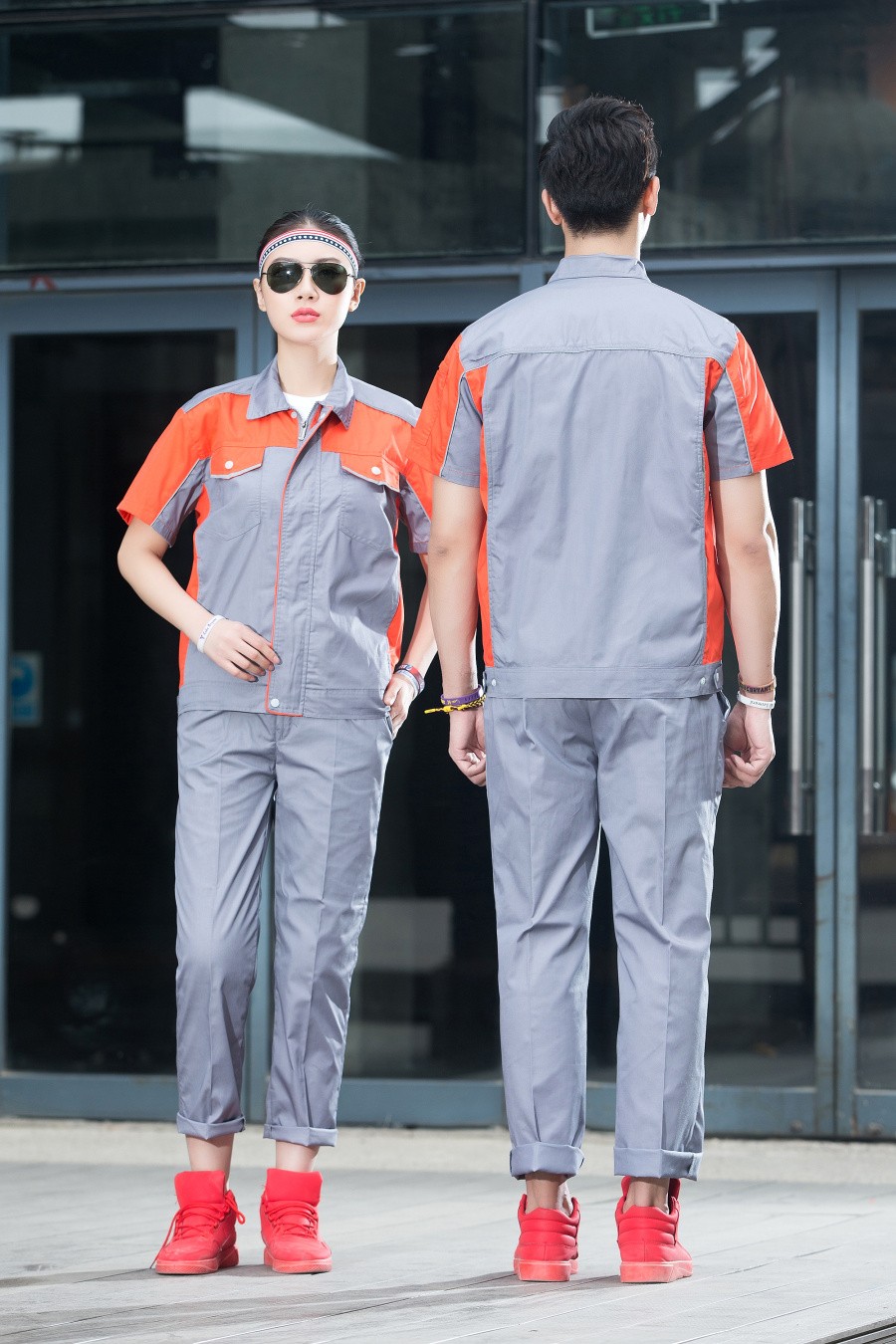
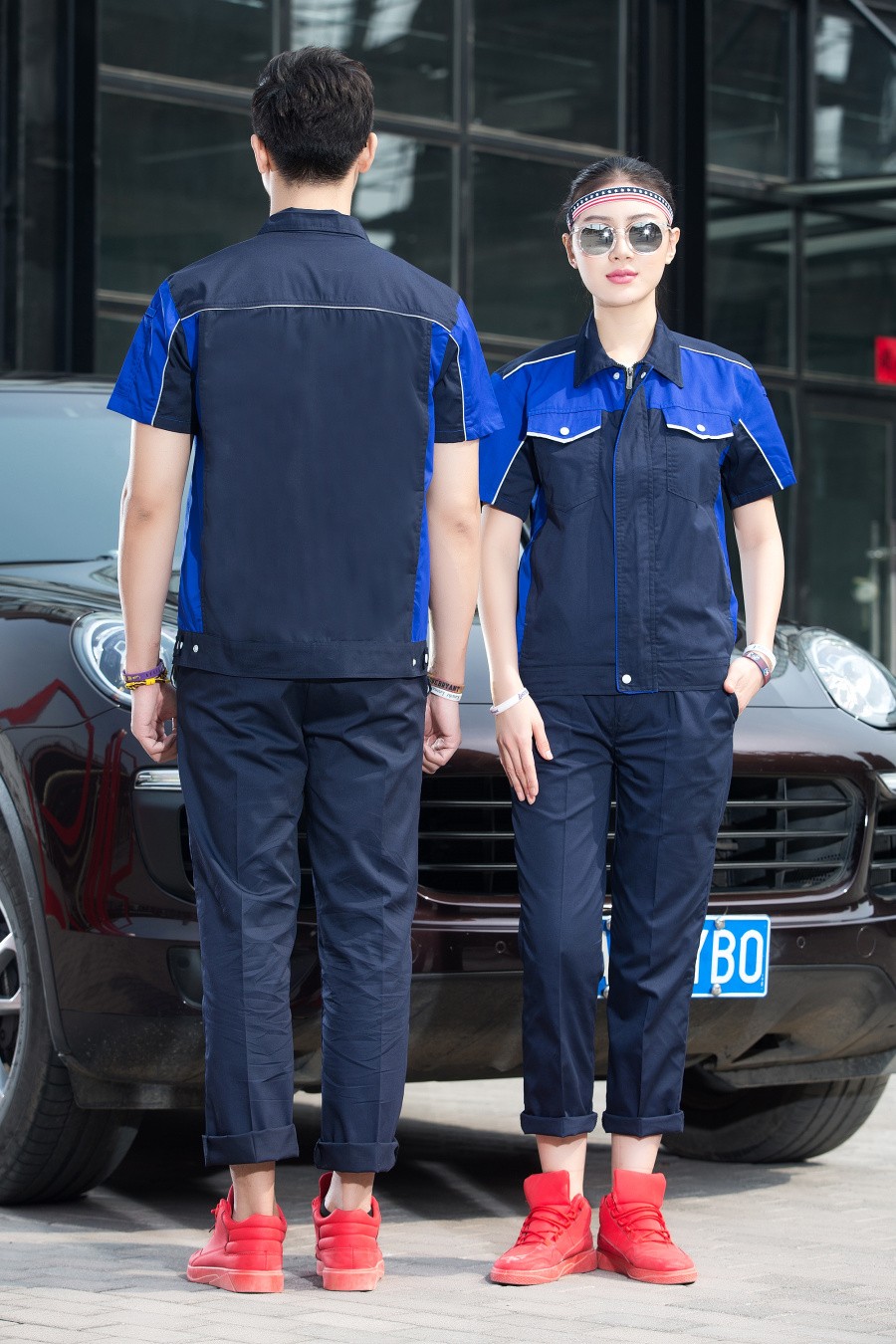
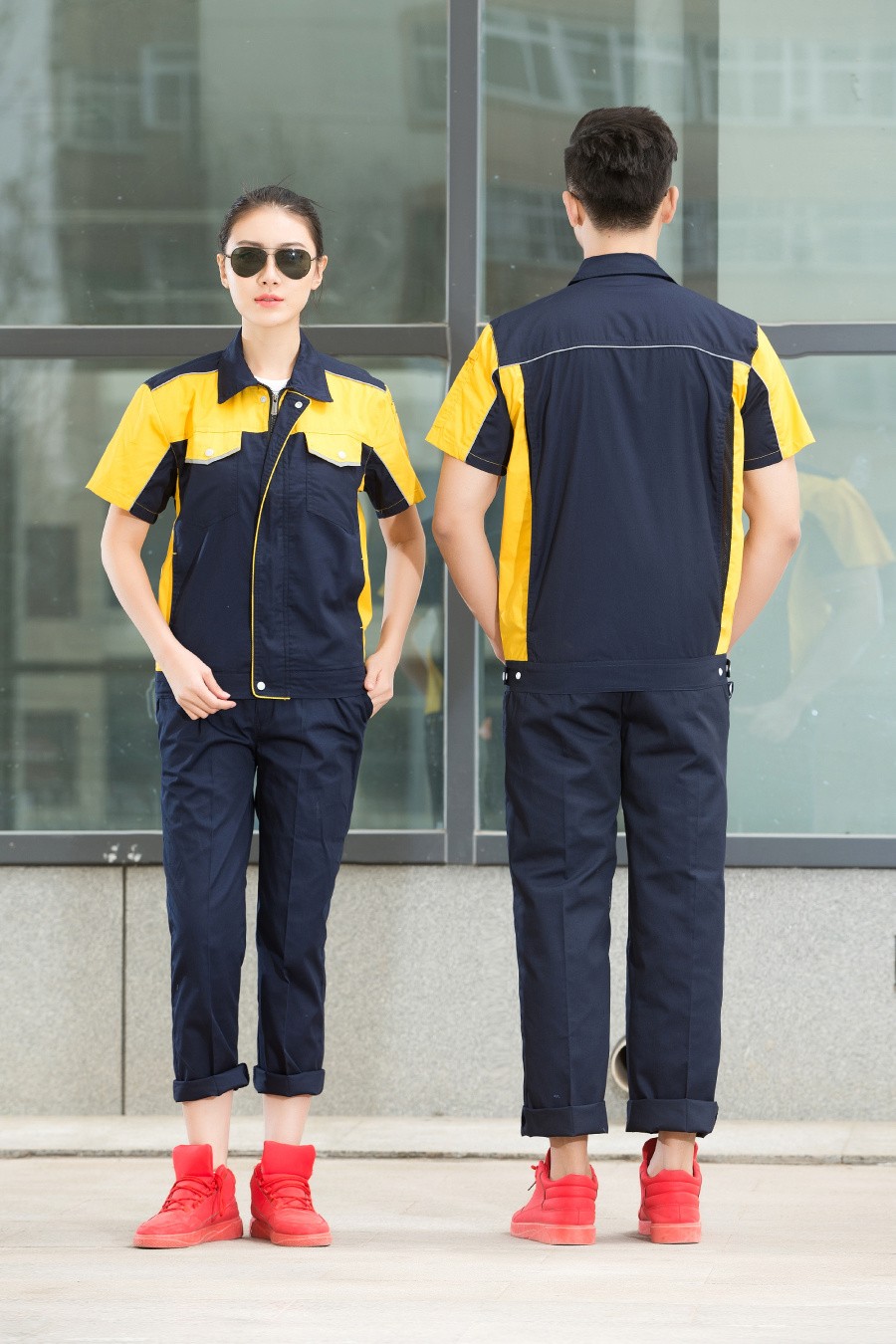

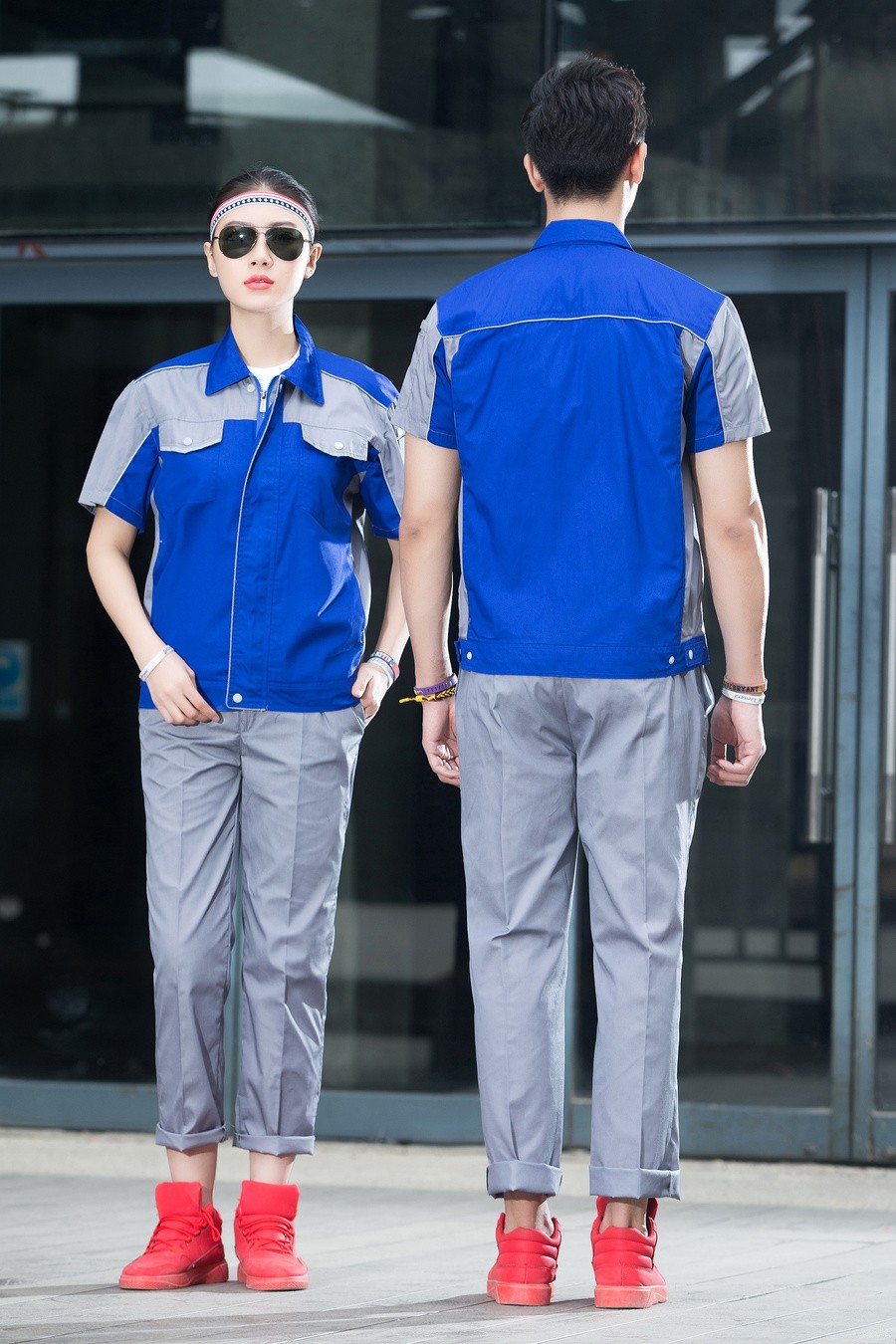


How to determine if custom corporate, workwear, or team uniforms are well-made, primarily by assessing four key aspects:
1. Pattern design
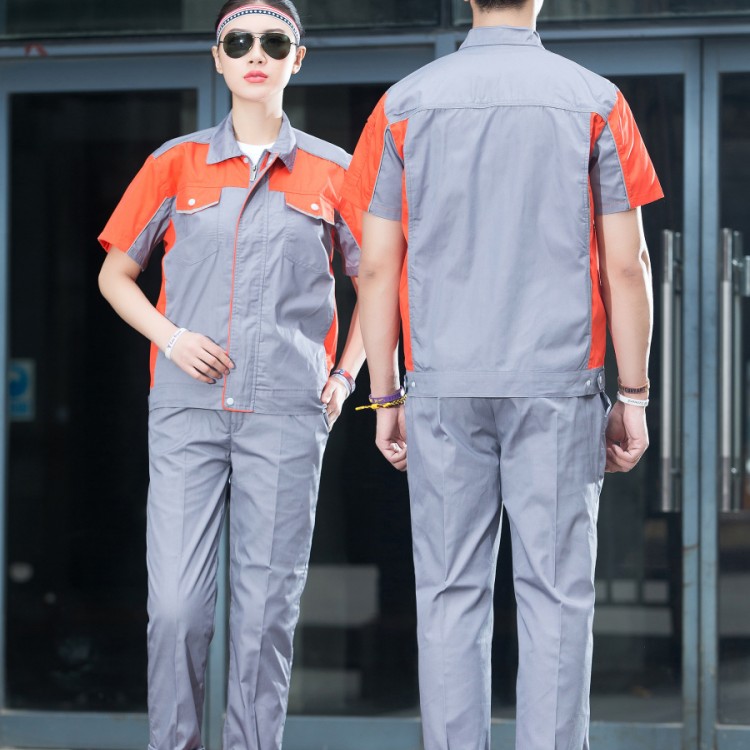
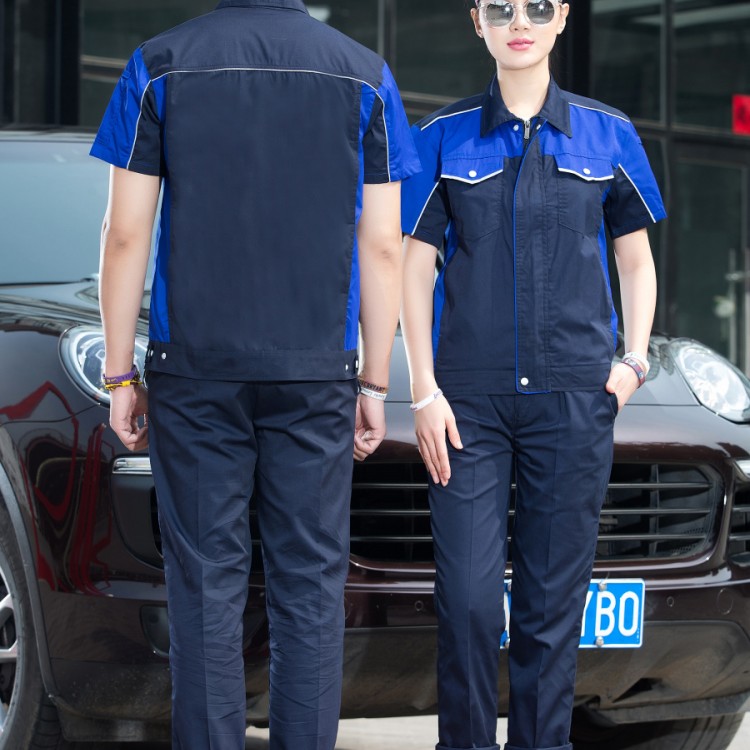
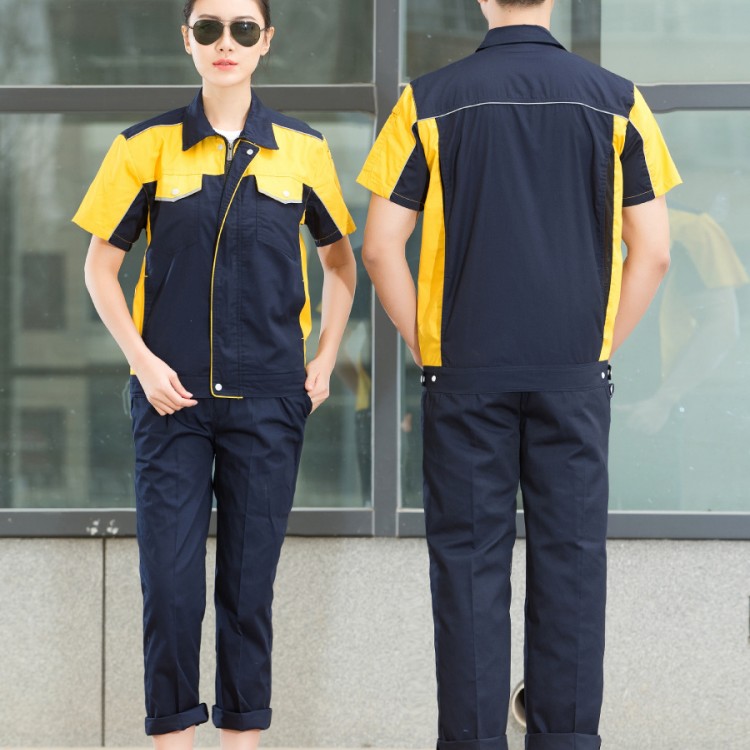
Workwear should reflect the corporate image, business philosophy, and position characteristics from the overall design to the details, and it should match the age range of the company's team. A well-fitted design makes one look upright and tidy, boosting one's vitality and spirit.
High demands are placed on the design team, requiring not only professional design skills but also excellent aesthetics. Technical aspects are manageable, but aesthetics can be truly challenging.
2. Garment Fabric
The fabric of the garment determines its texture. The composition, yarn count, weight per meter, and processing techniques all affect the tactile and visual feel of the finished product.
At the same time, practicality must be considered. For professional work attire, wrinkle resistance and breathability are basic requirements. While fabrics like silk or cashmere are comfortable, they can be a hassle to maintain and may not be suitable for all industries or demographics.
3. Craftsmanship and workmanship
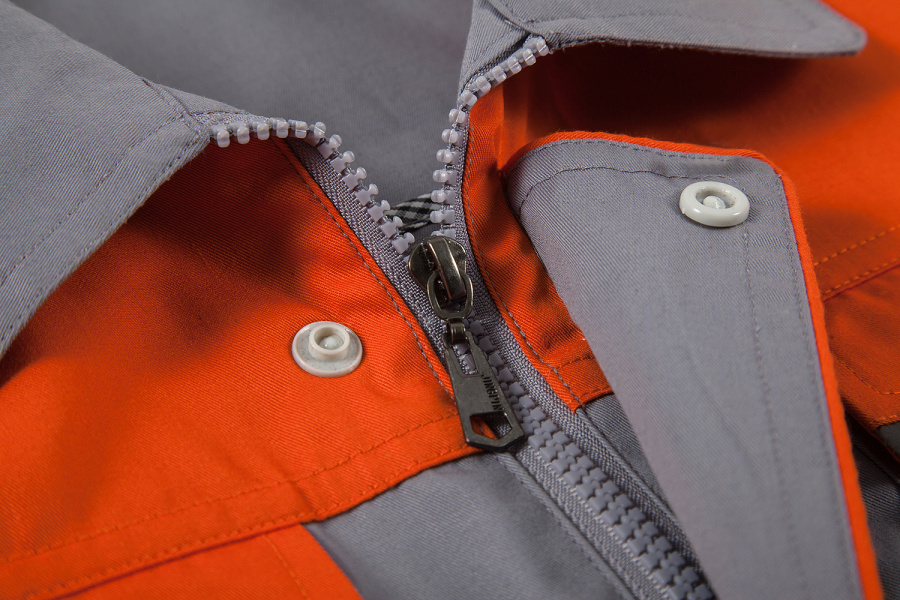
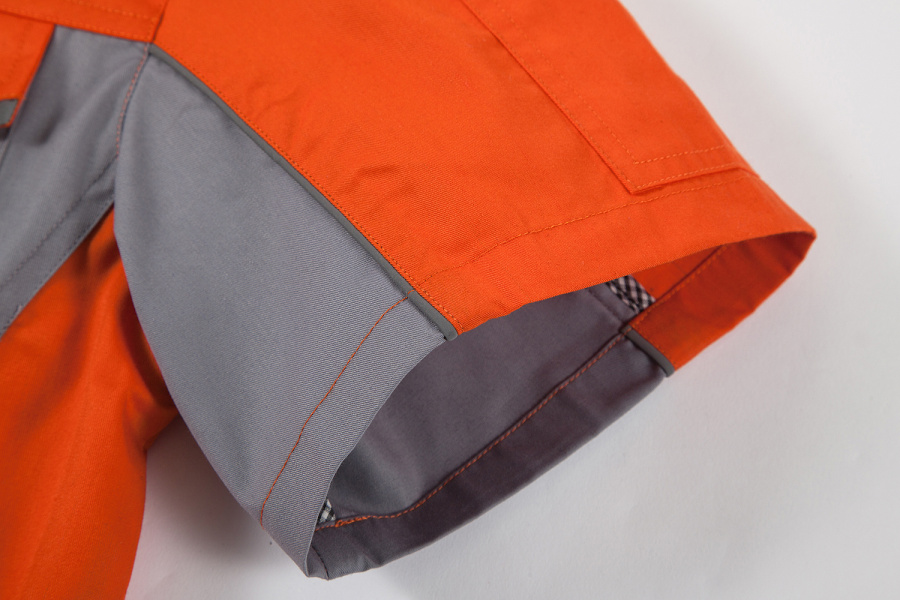
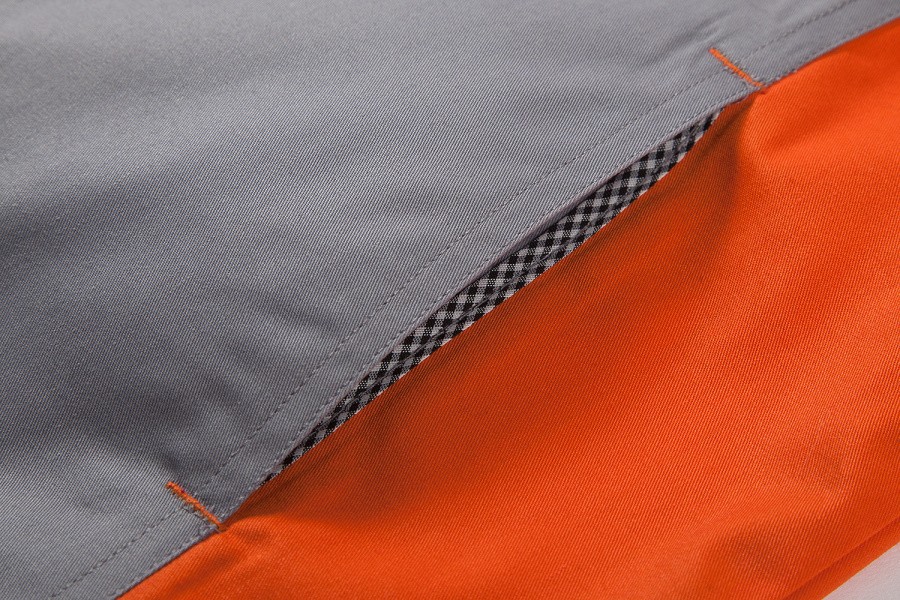
In suits, the inside stitching is even and fine, and the hemming is of high quality. In places not easily seen, such as the sweat-absorbent fabric under the arms, the pleats at the back, and the cut curves, these details all affect the wearing experience.
4. Professional service team.
No matter the industry, professionals should handle professional matters. A professional clothing team should be adept at measuring, understand image design, and grasp production techniques. They should also recommend suitable corporate uniforms for the client's industry, not just push high-profit, high-priced garments. Expensive uniforms aren't necessarily the best; those that fit are.
