
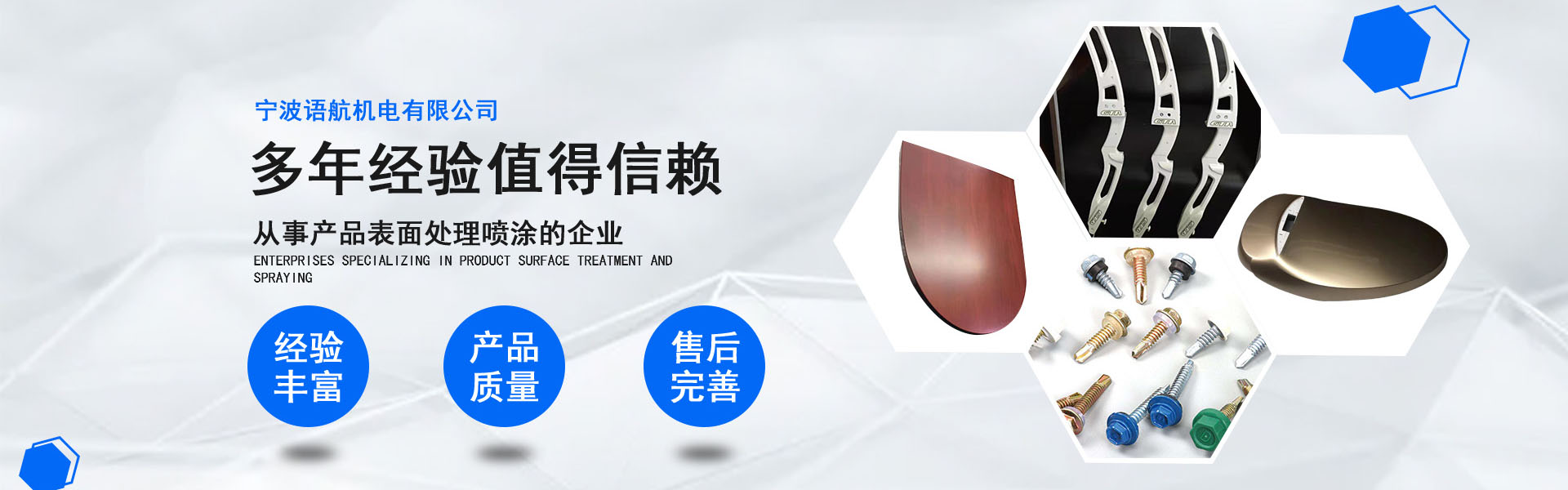
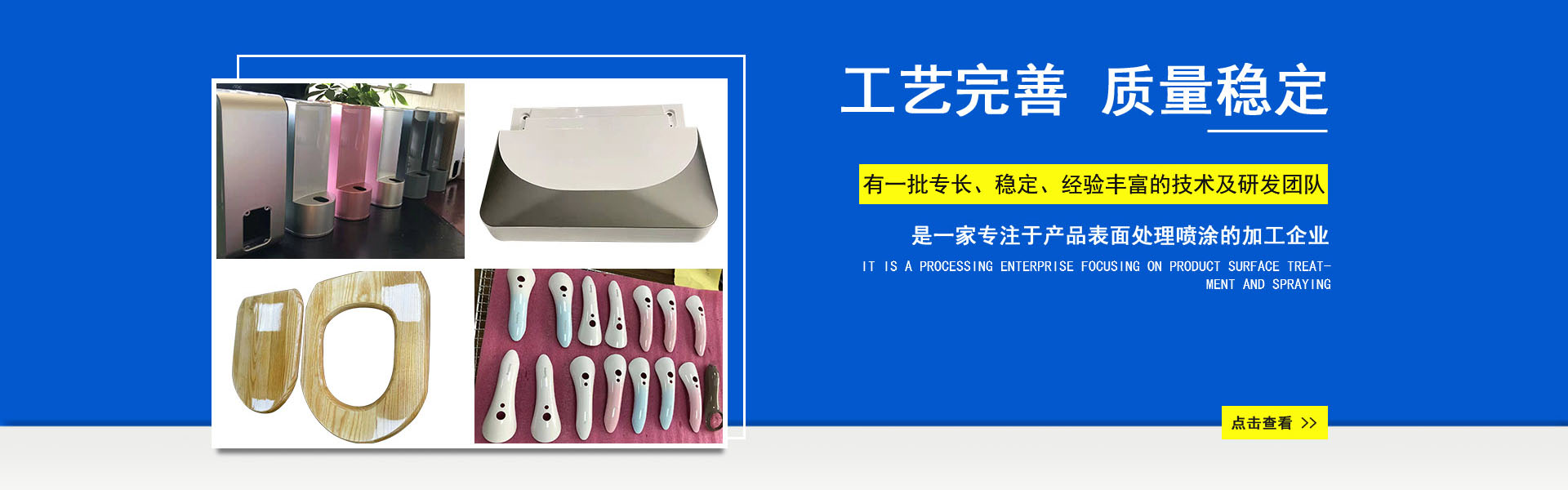
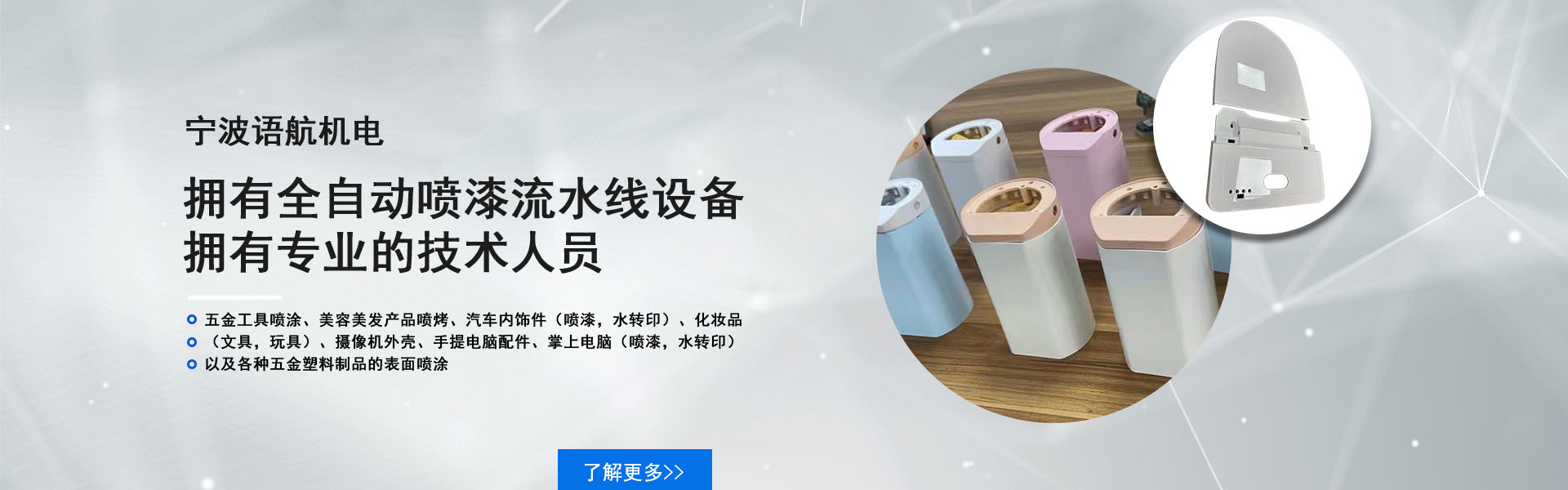

The method of applying paint by forced extrusion or suction from a container, forming a mist that adheres to the surface, is known as the spraying method. Spraying can be done either with air or high-pressure spraying. The spraying method involves using a specially designed spraying machine to directly apply a mixture of raw materials made from scattered fibers and inorganic binders, along with water, to the construction surface of the furnace. This method combines the characteristics of fiber blanket lining with the advantages of spraying.
The spray method is commonly used for high-quality painting applications. Before using the spray equipment, it is essential to check that the high-pressure system's fixed nuts are secure and that the pipeline joints are tightened. If any loose parts are found, they should be tightened.
When painting on the surface of air ducts, the non-painting areas should be covered with waste paper or similar items in advance to prevent contamination. The air ducts and spray gun should be cleaned thoroughly, and a trial spray should be performed to ensure normal operation before proceeding with the actual painting.
(2) Paint for spraying must be mixed with the appropriate thinner or solvent to ensure smooth atomization, typically around double the weight of the paint. It is advisable to prepare enough spray paint at one time for a single work surface or project. Usually, the paint must be filtered before use to prevent clogging of the nozzle. A sieve with a 0.125mm aperture should generally be used to remove impurities.
During the spraying process, the suction tube must not be removed from the surface of the paint liquid to avoid emptying the container and causing the paint film to sag. Additionally, the paint in the container should not be too low, and it should be regularly checked and replenished as needed.
(4) In the event of a nozzle clog, turn off the spray gun and position the self-locking plate horizontally. Remove the nozzle and first make several cuts at the nozzle opening with a blade (do not use the tip to chisel). Then, clean it with a brush in solvent and finally blow it through with compressed air, or use a wooden stick to clear it. Do not use a metal wire or nail to poke the nozzle to prevent damage.
During the spraying process, if the downtime is short, there's no need to expel the paint inside the machine; simply submerge the nozzle in the solvent. However, for two-component paints (which dry quickly), it is necessary to expel the paint inside the machine and clean the entire unit.
After spraying is completed, remove the suction tube from the paint bucket, operate the pump unloaded to expel the remaining paint from within the pump, filter, high-pressure hose, and spray gun. Subsequently, use a solvent to circulate unloaded to clean the aforementioned components. During cleaning, slightly open the intake valve. It is essential to perform this cleaning promptly after completion, as it becomes difficult to clean if the paint thickens or cures (for two-component paints) before washing.
(7) The bending radius of the high-pressure hose must not exceed 50mm. It is also forbidden to place heavy objects on it to prevent damage.
During construction, high-pressure spray guns must not be aimed at operators or others. When stopping the spray, the self-locking挡片 should be placed horizontally.
During the spraying process, paint naturally generates static electricity, so it is essential to properly ground the machine and paint delivery tube to prevent any accidental incidents.
News Center Co., Ltd.
