
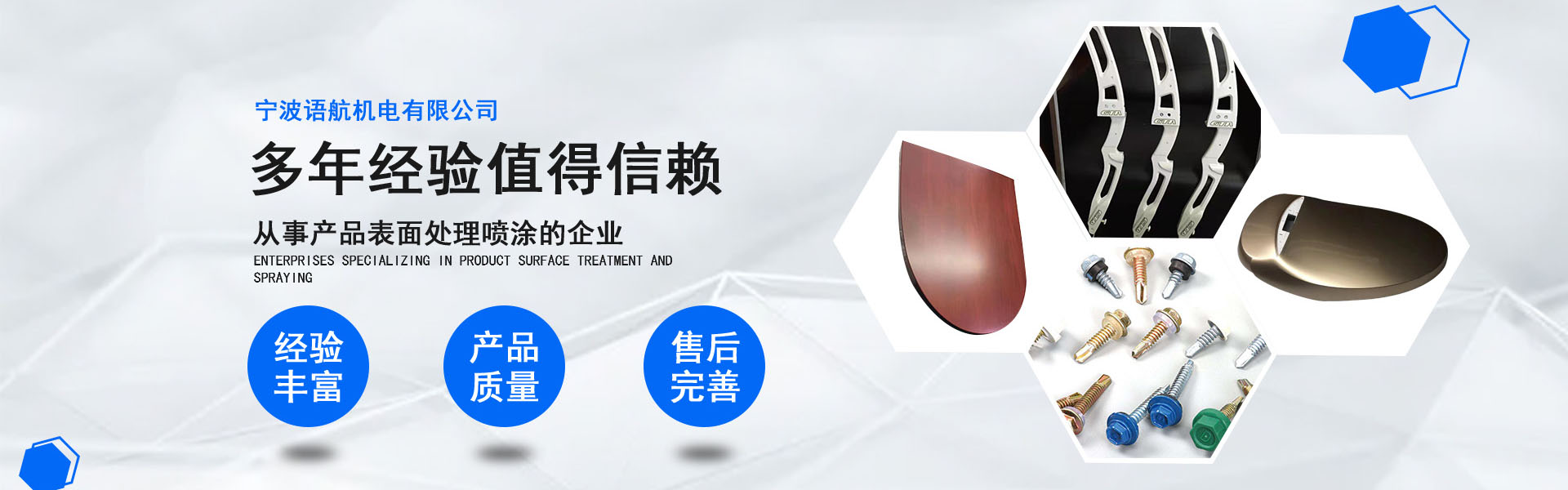
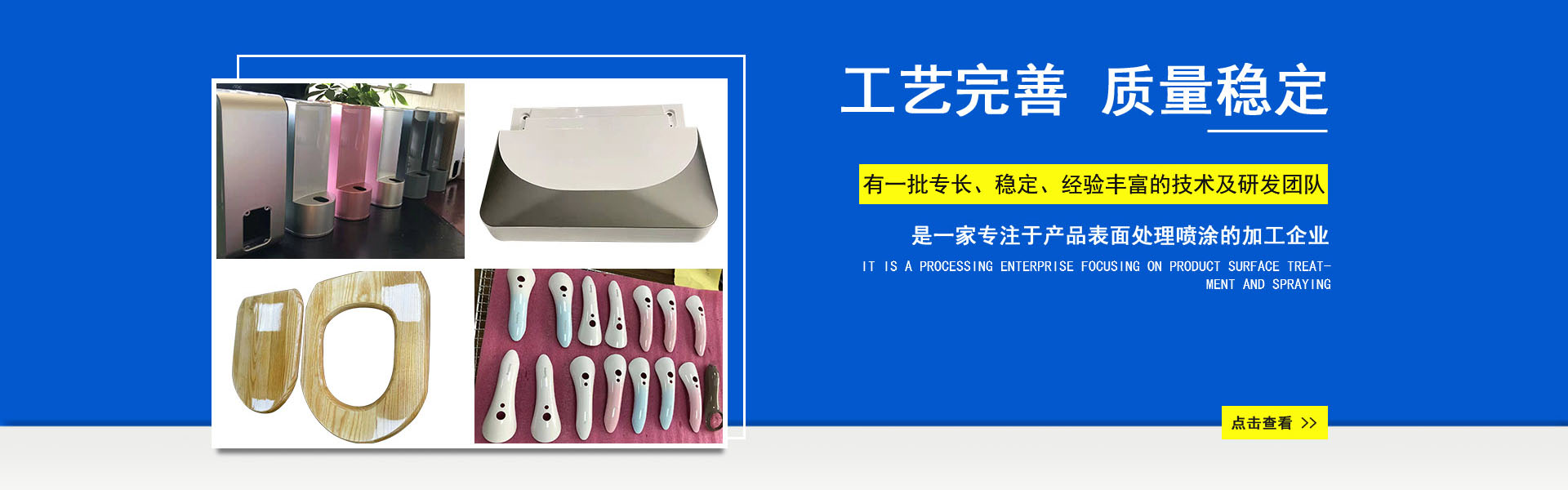
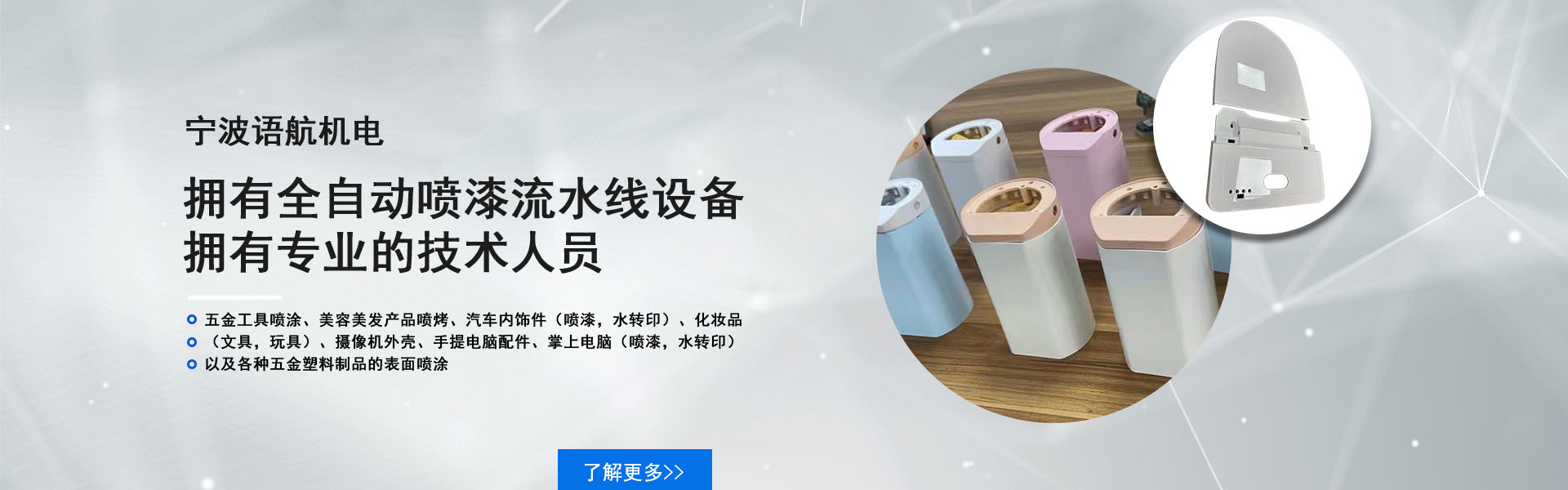

A painting method that disperses paint into a uniform and fine mist using a spray gun or a disk atomizer, relying on pressure or centrifugal force, and applies it to the surface of the coated object. It can be categorized into air spray, airless spray, electrostatic spray, and various derivatives of these basic spray methods, such as high-volume low-pressure atomizing spray, thermal spray, automatic spray, and multi-group spray, etc.
A process that involves atomizing paint through a spray gun and applying it to the surface of an object. There are various types, including compressed air spray painting, high-pressure airless spray painting, and electrostatic spray painting. Currently, the main types are arc spray painting, flame spray painting, plasma spray painting, and explosive spray painting. By utilizing spray painting technology, coatings with various physical and chemical properties such as wear-resistant, corrosion-resistant, heat-insulating, conductive, insulating, sealing, lubricating, and other special mechanical properties can be obtained on various substrates. The application range is very broad, covering all fields and departments of the national economy.
Spraying installation and operation methods can be divided into manual spraying and fully automatic spraying.
Manual spraying: Directly applying paint to the product surface by front-line operators, now commonly used for manual spraying of defective products after automatic spraying.
Automatic Spray Painting: The product requiring spray finishing is mounted on a rotating bracket, which is then locked into the assembly line. As the line moves and the bracket continuously rotates, the product surface is evenly coated.
High-efficiency spraying operations are suitable for both manual work and industrial automation production, with a wide range of applications including hardware, plastics, furniture, ships, and more, making it a commonly used coating method today. Spraying operations require an environment with dust-free workshops, and the equipment includes spray guns, paint booths, paint supply rooms, curing/ drying ovens, equipment for conveying coated workpieces, fog and wastewater treatment, and exhaust gas treatment equipment.
The primary issues in spraying are the highly dispersed paint mist and the solvent emitted, which not only pollute the environment and harm human health but also waste paint, resulting in economic losses.
Low-pressure, high-flow atomized spray is characterized by low atomization pressure and low air jet velocity, which in turn improves the situation of paint rebounding from the coated surface. In the process of light leather finishing, the finishing is applied to the leather surface using a spray gun or a spray pump.
News Center Co., Ltd.
