

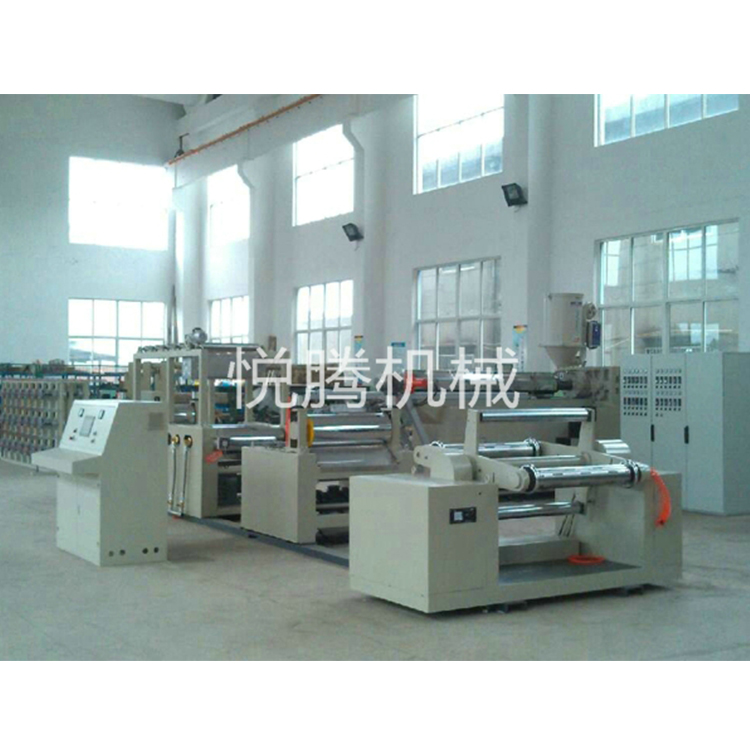


Continuous Glass Fiber Reinforced Thermoplastic Composite Sheets (CFRT) are a new type of high-strength, high-rigidity, and high-toughness composite material, manufactured through a special impregnation process. They are reinforced with continuous glass fibers and have a thermoplastic resin (PP, PE, PA) as the matrix. Due to the continuous nature of the fibers in CFRT and the more thorough impregnation of the resin compared to conventional thermoplastic composites (such as GMT, LFT), their mechanical properties, especially tensile and bending strength, and impact resistance, are significantly higher.
CFRT offers a variety of products: single-sided tapes, composite panels (0°/90° or other angles of composite).
Base Resin: PP, HDPE, PA, etc.
Continuous fibers: glass fiber, carbon fiber, aramid fiber, basalt fiber, etc.
Suitable molding processes: Lamination, molding, winding, etc.
The physical, chemical, and mechanical properties of thermoplastic composites can be designed to meet specific application requirements through the rational selection of materials and processes.
Characteristics of continuous fiber reinforced thermoplastic composite sheets:
(1) Low density, high specific strength and modulus, this new high-performance, low-cost composite material is particularly suitable for aircraft, automobiles, trains, protective gear, and other applications requiring weight reduction.
(2) Corrosion-resistant, anti-mold, excellent water resistance, easy to clean, unaffected by chemical cleaners.
(3) Excellent interlayer shearing properties, energy control performance, and high impact resistance.
(4) Laminating methods, thickness, type of reinforcing material, and fiber volume content of the boards can be customized to meet the needs of customers from various industries.
(5) Both waste materials during production and finished products are recyclable, making them a new, eco-friendly product.
Continuous fiberglass-reinforced HDPE prepreg, suitable for pipeline applications, with 45%-70% glass fiber content prepreg.
Application:
Transportation: Areas include the floor, lining panels, and roof of rail transit vehicle wagons, side panels of truck vans, and side panels of trains.
(2) Pressure-resistant pipeline: Can be manufactured using winding technology to produce high-strength pipelines.
