

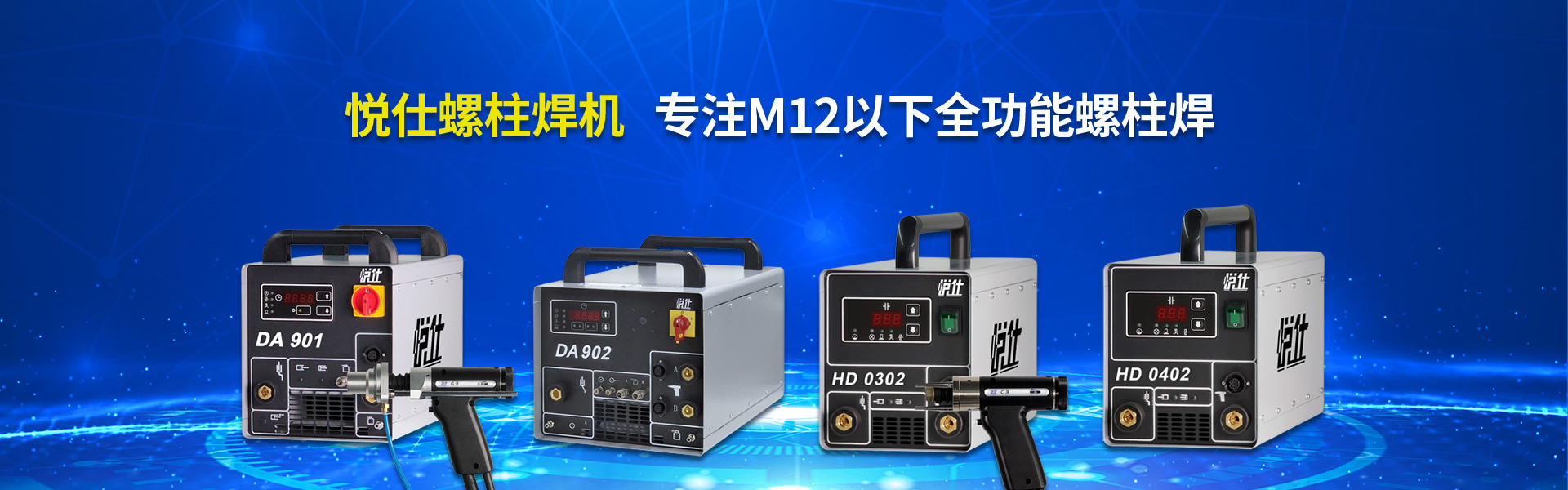
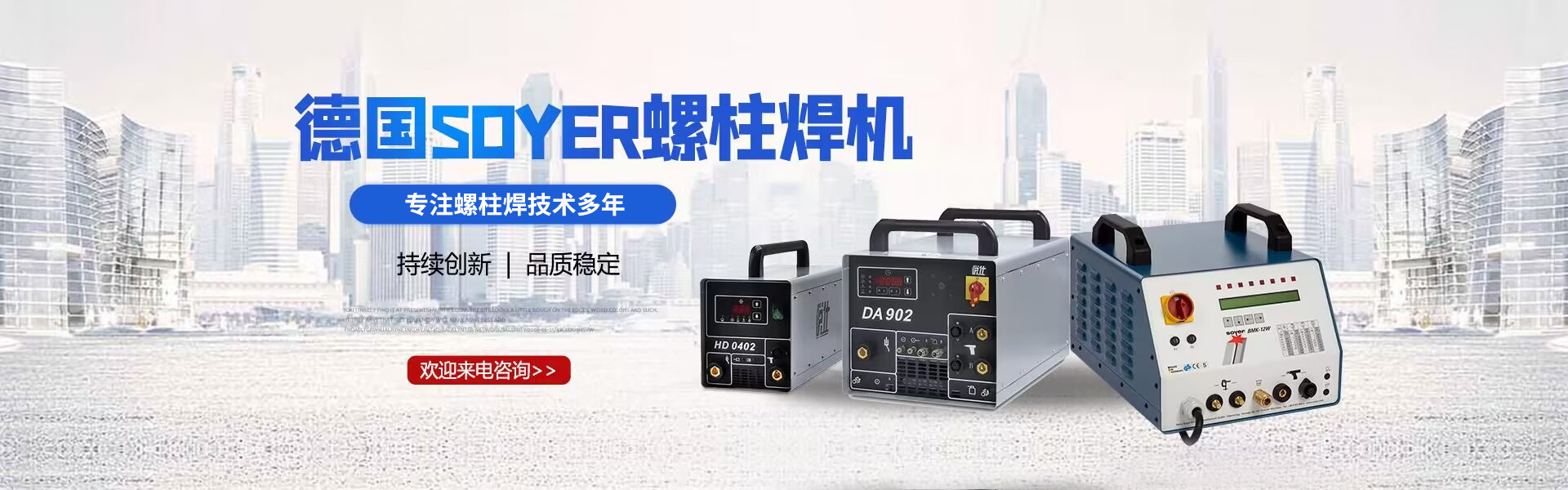

When comparing the cost-effectiveness of arc stud welding and flow drill screw (FDS) technologies for body lightweighting, the following key boundary conditions must be considered. These conditions directly impact technology selection and long-term economic viability:
Material Costs and Supply Chain
Laser Arc Welding Screw Bolt
MaterialsSpecial bolts required (30-50% higher cost than standard screws) + welding materials (welding wire, shielding gas).
Supply ChainBolts require custom manufacturing and have a longer delivery cycle (typically 4-6 weeks); welding materials depend on imported brands (such as Thyssen from Germany).
FDS Technology
MaterialsFlow Drill Screws (special thread design, 20-30% higher in price than standard screws) + Cooling Lubricant.
Supply ChainScrews require matching cutting tools, which wear down quickly (replacement needed every 500-800 pieces); lubricants must be replenished regularly.
Equipment Investment and Maintenance
Laser-Arc Screw Welding
Equipment CostsAutomated Welding Gun Systems (approx. €200,000 - €300,000 per set), requiring matching water-cooled units and dust purification equipment.
MaintainThe electrode lifespan is approximately 5,000 to 10,000 cycles, with each replacement costing around 50 euros; the ceramic nozzle of the welding gun needs to be replaced frequently (every 1,000 cycles at about 30 euros).
FDS Technology
Equipment CostsDrilling equipment (approx. 150,000-250,000 Euros per set), requires a matching high-pressure cooling system.
MaintainRapid wear of drilling tools (requires replacement every 1000 screws installed, costing about 80 euros per change); equipment needs regular calibration (approximately 2,000 euros per year).
III. Production Efficiency and Energy Consumption
Laser-Arc Submerged Arc Welding
SpeedWelding time per piece is approximately 2-4 seconds (including clamping and positioning), suitable for batch production lines.
Energy ConsumptionPeak power reaches 100kW, with energy consumption for single welding pieces at approximately 0.5-1kWh.
FDS Technology
SpeedInstallation time per piece is approximately 3-5 seconds (including drilling and installation), and chip processing is required.
Energy ConsumptionThe equipment has a power rating of approximately 15kW, with individual energy consumption of about 0.2-0.3kWh. However, the cooling system has higher energy consumption (accounting for about 30% of the total).
Quality Control and Rework Costs
Laser Arc Welded bolts
Defect rateWeld spatter causes surface defects (approximately 0.5-1%), requiring sanding treatment (costing about 10 euros per piece).
InspectionX-ray inspection required for weld quality (random sampling rate of 1-2%, with each inspection costing approximately 50 euros).
FDS Technology
Defect RateLoose screws or chip residue (approximately 1-2%) require rework and reinstallation, with a cost of about 15 euros per piece.
InspectionTorque Detection (equipment cost approximately 50,000 euros per set).
V. Process Adaptability and Long-Term Reliability
Laser-Arc Screw Welding
Material AdaptabilitySuitable for various materials including aluminum, steel, and magnesium, but requires special treatment for galvanized sheets.
Fatigue PerformanceThe weld fatigue strength exceeds that of the base material; however, control of residual welding stresses is necessary.
FDS Technology
Material AdaptabilityMaterials are sensitive to hardness (HV≥120) and are not suitable for high-strength steel (>1500MPa).
Fatigue PerformanceThe screw hole geometry requires optimization, with a fatigue life that is 10-15% lower than welding.
Six: Comprehensive Cost-Benefit Model
| Cost Items | Laser Arc Welding Bolt | FDS Technology |
|---|---|---|
| Unit Material Cost | 1.2-1.5 Euros | 0.8-1.0 euros |
| Equipment Depreciation (5 years) | 4-6 euros per thousand units | 3-4 euros per ten thousand units |
| Energy consumption + maintenance | $0.80 - $1.20 per thousand pieces | $0.5 - $0.8 per thousand units |
| Rework and Inspection | $0.3 - $0.5 per thousand units | $0.4 - $0.6 per thousand units |
| Total Cost (per thousand units) | $6,300 - $8,200 Euros | 4.7-6.0 Euros |
Seven: Critical Boundary for Sensitivity Analysis
Annual Production Capacity:
Low production volume (<50,000 units/year): FDS enjoys significant cost advantages (low equipment depreciation).
High Production (>200,000 pieces/year): Long-term costs for Resistance Spot Welding are lower (material cost percentage decreases).
Material Type:
Aluminum Alloy Body: FDS requires special lubrication process, increasing costs by 15-20%.
High-strength steel: Preheating required for arc stud welding, energy consumption increases by 30%.
Automation Level:
The fully automatic line boasts low integration costs for arc stud welding (excellent compatibility with robots).
Semi-Automatic Line: FDS Offers Greater Flexibility (Handheld Devices Available).
ConclusionIn the field of body lightweighting, aluminum alloy as the main material with an annual output exceeding 100,000 units and high automation offers greater cost-effectiveness through spot weld riveting. For steel-bodied vehicles with small batch and diverse production, FDS technology is more flexible and economical. The actual selection should be based on the specific vehicle platform strategy and production line planning.
