
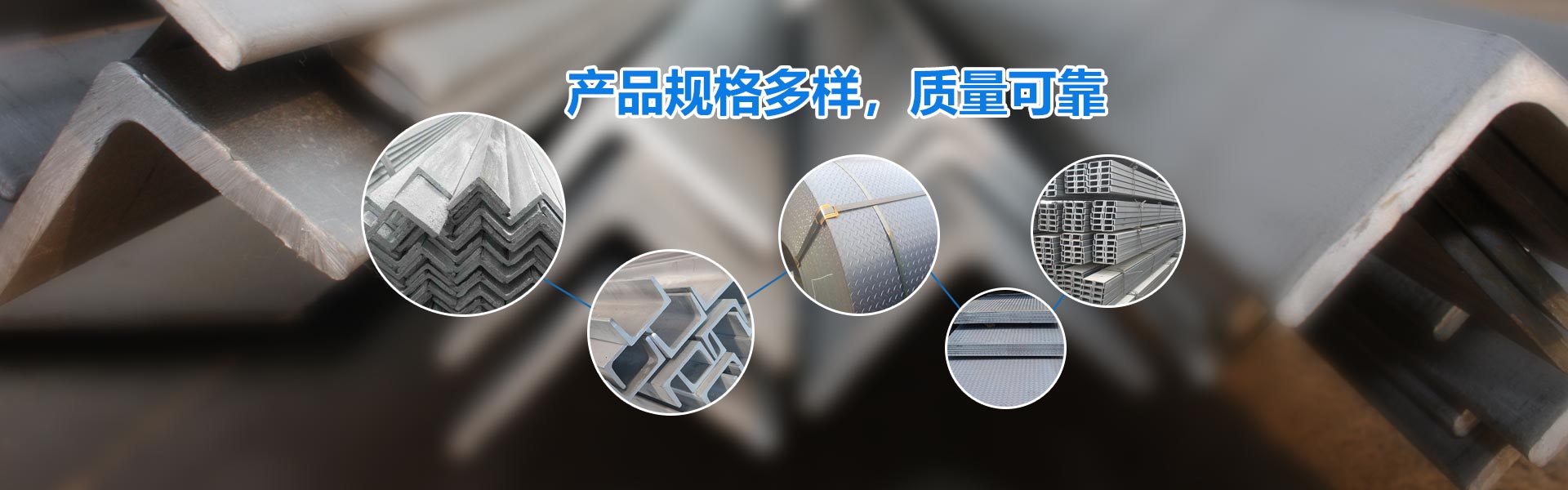

1. Standard Angle Iron
Standard angle steel primarily refers to the hot-rolled angle steel that has not undergone any processing. The surface quality of angle steel is specified in the standards, generally requiring the absence of harmful defects for use, such as blisters, delamination, cracks, etc.
Angle steel is a carbon structural steel used for construction, characterized by a simple cross-section, primarily used in metal structures and building frames. It requires good weldability, plastic deformation properties, and certain mechanical strength during use. The raw material for producing angle steel is low-carbon square billets, and the finished angle steel is delivered in hot-rolled, normalized, or hot-rolled condition.
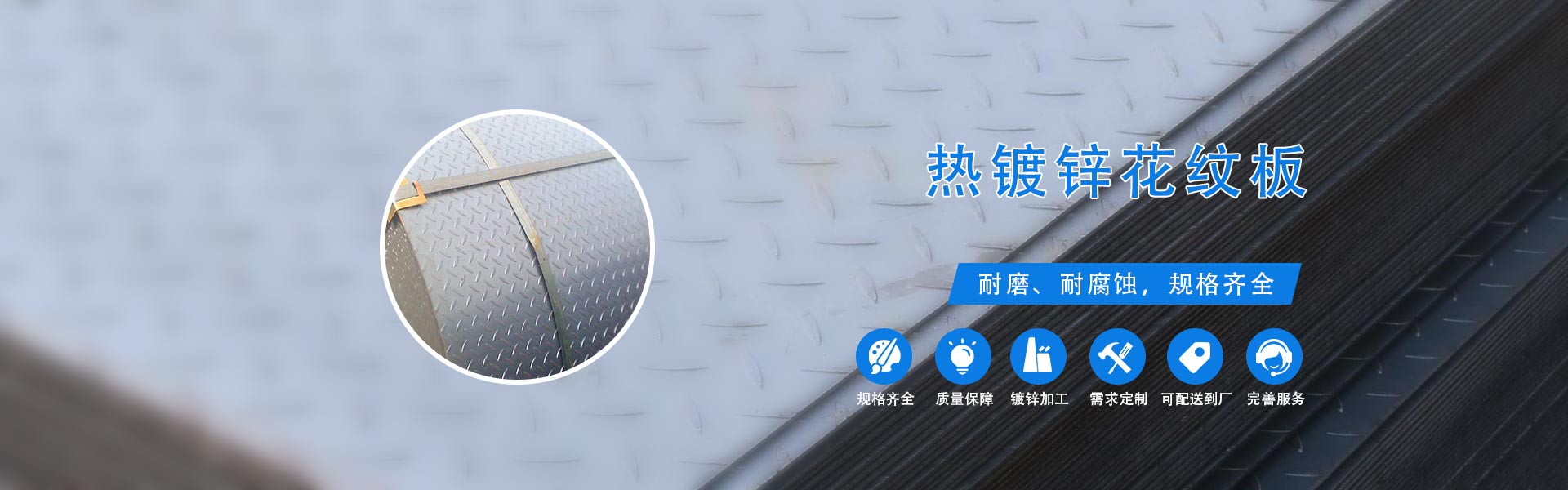
2. Galvanized Angle Iron
Galvanized angle steel is categorized into hot-dip galvanized angle steel and cold-dip galvanized angle steel. Hot-dip galvanized angle steel is also known as hot-dip galvanized angle steel or hot galvanized angle steel. The cold-dip galvanized coating ensures thorough contact between zinc powder and steel through electrochemical principles, creating an electrode potential difference for corrosion prevention.
Galvanized Angle Iron Advantages:
(1) Durable and Long-Lasting: Hot-dip galvanized angle steel features a glossy surface, even zinc coating, no missed spots, no drips, strong adhesion, and excellent corrosion resistance.
(2) Enhanced coating toughness: The galvanized layer forms a unique metallurgical structure that can withstand mechanical damage during transportation and use.
(3) Excellent Reliability: The galvanized layer forms a metallurgical bond with the steel, becoming an integral part of the steel surface, thus ensuring the durability of the coating is highly reliable.
(4) Comprehensive Protection: Every part of the plated item is zinc-coated, ensuring multi-directional protection even in concave areas, sharp corners, and concealed spots.
