


New wall materials refer to those produced without the cost of consuming arable land, destroying ecosystems, or polluting the environment. They cater to the modern construction industry's requirements for industrialized building components, mechanized construction, reducing wet work on construction sites, and improving building functions. According to Ministry of Finance Circular No. 55 of 2003, new wall materials are divided into the following six major categories:
(1) Non-clay bricks:
Porous bricks and hollow bricks with a porosity greater than 25% and non-clay sintered.
(2) Concrete hollow bricks and hollow blocks
(Sintered shale bricks.)
(II) Building Blocks:
(1) Standard Concrete Small Hollow Blocks
(2) Lightweight aggregate concrete small hollow blocks
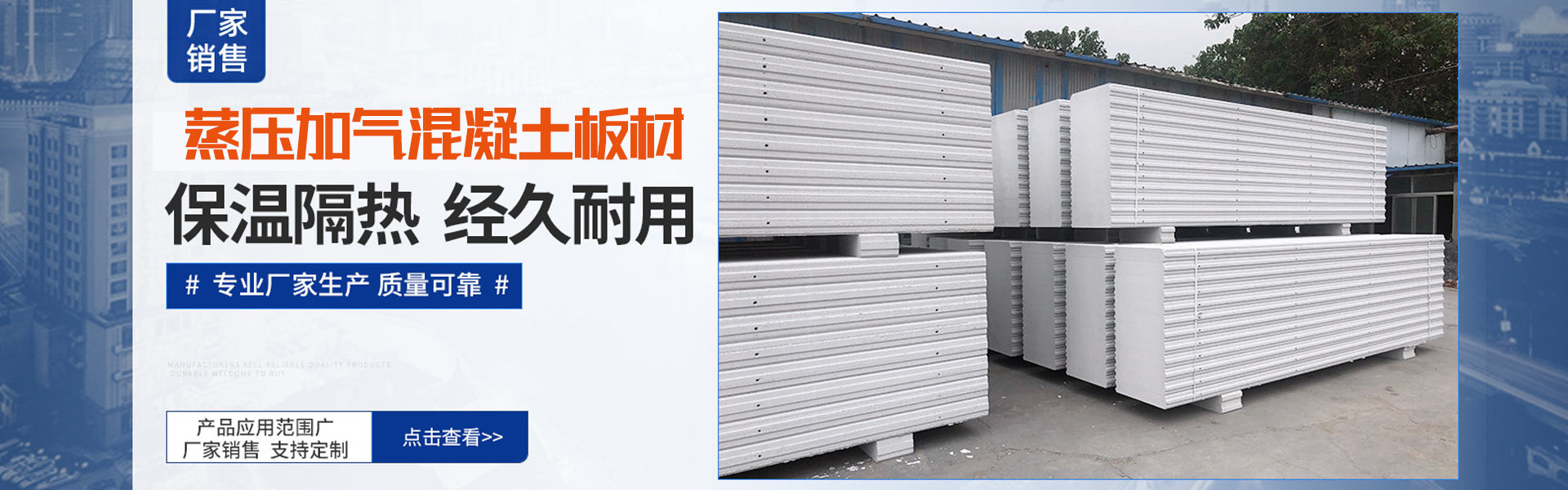
(V) Autoclaved aerated concrete blocks
(G) Gypsum Blocks.
Section 3: Building Panels
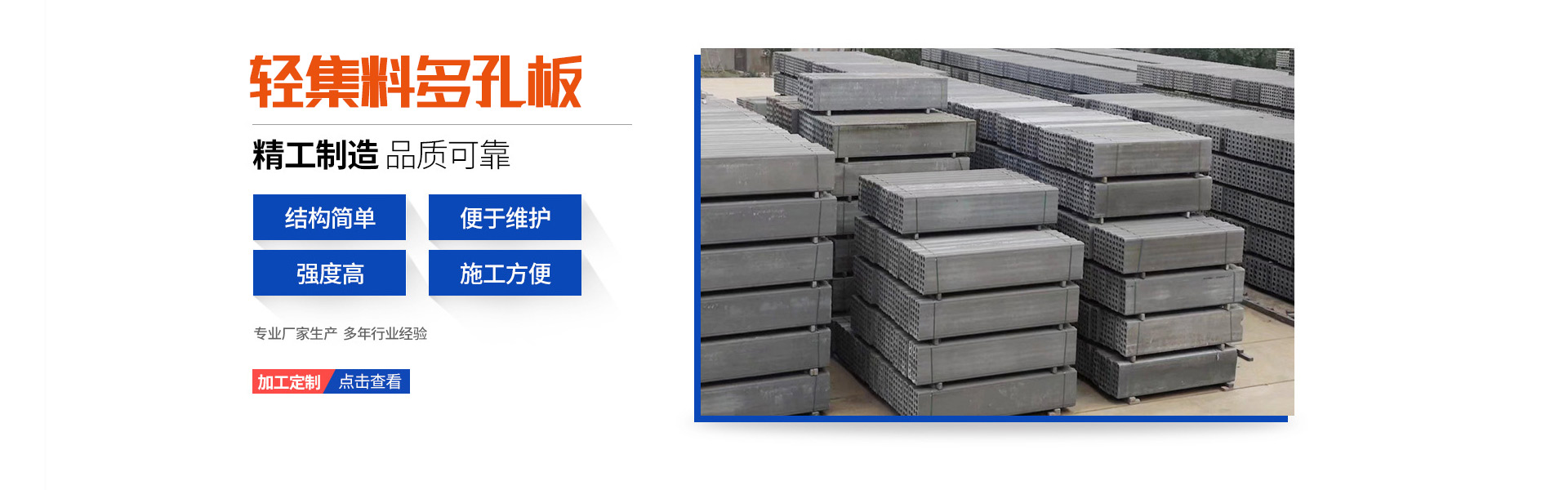
Glass Fiber Reinforced Concrete Lightweight Porous Partition Board (referred to as GRC panels)
(2) Fiber-Reinforced Low-Alkali Concrete Building Panels
(V) Autoclaved Aerated Concrete Blocks
(4) Lightweight Aggregate Concrete Slabs
Wire mesh sandwich cement panel
(G) Gypsum wallboard
(7) Metal-faced sandwich panels
(8) Composite lightweight sandwich panel, strip panel.
(4) Wall material products mixed with at least 30% of industrial waste, agricultural straw, garbage, and silt from rivers (lakes, seas).
(5) Pre-cast and cast-in-place concrete walls.
Structural steel and glass curtain walls.
The new type of wall material features soil-saving, energy-saving, waste utilization, and lightweight properties, benefiting environmental protection, enhancing construction efficiency, reducing project costs, improving building functions, and increasing usable space.
