
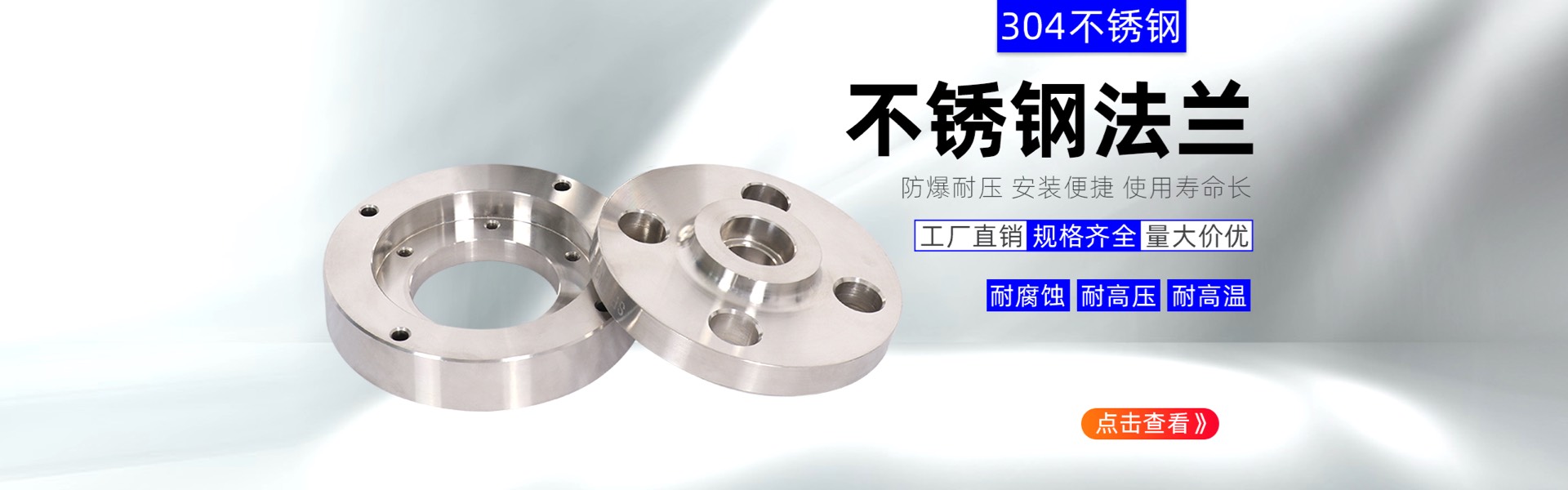
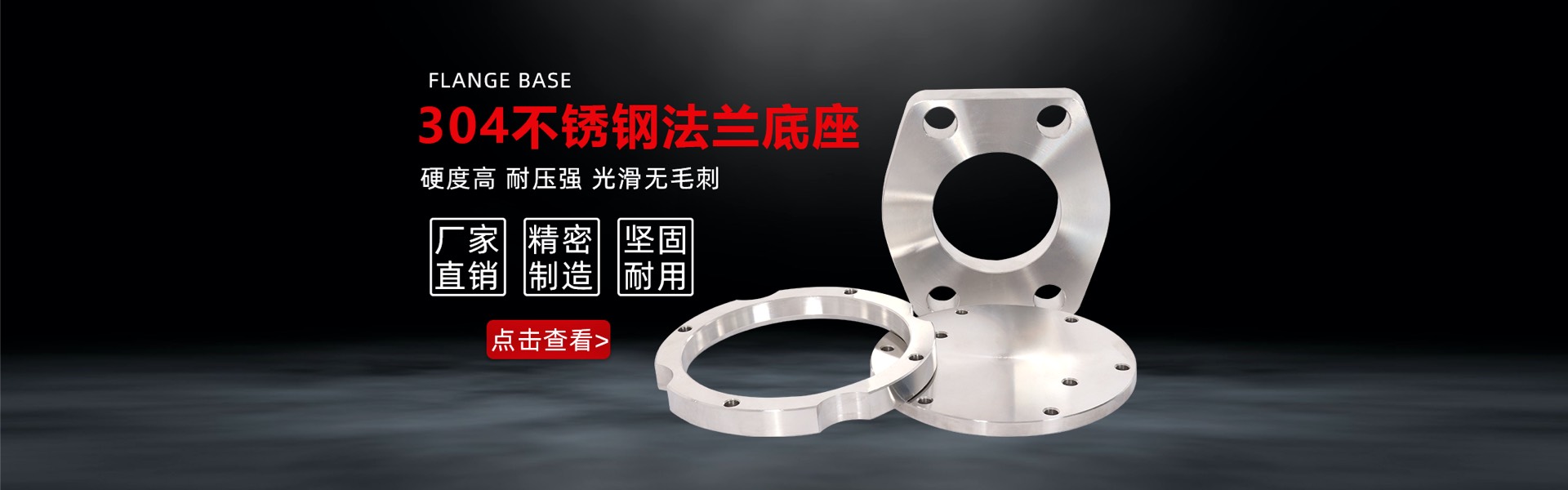

The flange cover is mainly used for the ends of pipes or as a closure. To match with the flange, it is generally the case that a flange cover is paired with each flange, thus determining the pressure class and sealing surface type, as well as the nominal diameter. However, for nominal diameters ranging from DN10 to 1200 for PN1.0 and 1.6MPa, and from DN10 to 600 for PN2.5, the range is slightly smaller than that of the flange. This is due to the flange cover nominal diameter range in the ISO and DIN pipe flange standards being similar, and also because there is no reliable experience for strength calculations when the pressure is high and the nominal diameter is large. The sealing surface types for flange covers include five options: full flat, raised face, concave-convex, tenon-groove, and ring connection.
The flange cover is mainly used for the ends of pipes or as a sealing head. To match the flange, it is generally the case that a flange cover is paired with a specific flange, thus determining the pressure rating and sealing surface type, as well as the nominal diameter. However, for nominal diameters ranging from DN10 to 1200 for PN1.0 and 1.6MPa, and DN10 to 600 for PN2.5, the flange cover's nominal diameter range is slightly smaller than that of the flange. This is due to the fact that the flange cover's nominal diameter range in ISO and DIN pipe flange standards is consistent, and there is no reliable experience to judge the strength calculation of the flange cover when the pressure is high and the nominal diameter is large. The sealing surface types of the flange cover include full flat, raised face, concave-convex, tenon-slot, and ring connection surfaces, among others, totaling five types.
