
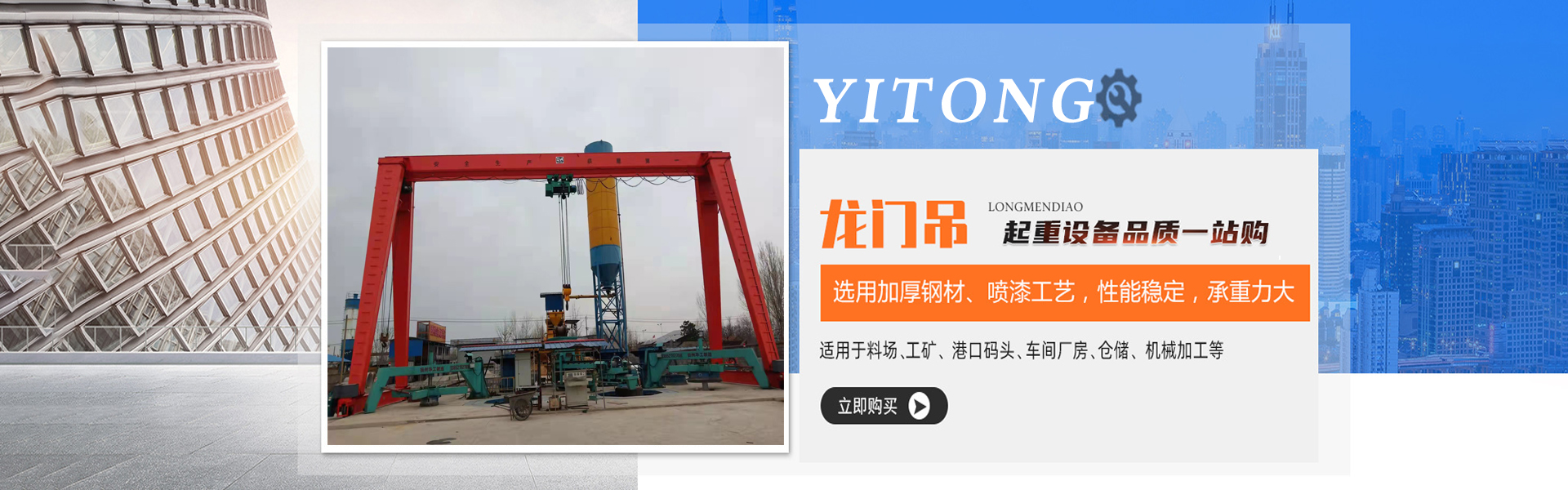


CranesA type of lifting machinery, it is a mechanical device that performs cyclic, intermittent motion. One work cycle includes: the lifting device lifting the item from the pick-up point, then moving it horizontally to the designated location to lower the item, followed by a reverse movement to return the lifting device to its original position, in preparation for the next cycle. BelowShandong CraneManufacturers provide you with a detailed introductionShandong Crane MaintenanceBasic Tips for Maintenance
1. Prior to the crane's shipment, proper identification records must be maintained. Pre-installation safety checks and maintenance: inspect the integrity of the main mechanisms of the equipment, examine visible defects in the primary steel structures and connecting components, as well as their pins and bolts, check the anti-corrosion condition of the equipment surface, create a record, and issue an installation opinion.
2. The crane is maintained by a dedicated staff. After the equipment is delivered and put into use, daily maintenance should be handled by the equipment operator or the dedicated personnel of the using unit. The installation and maintenance unit has the obligation to supervise and inspect the daily maintenance. The main content of daily maintenance can be summarized as the "Ten Steps Method": cleaning, tightening, lubricating, adjusting, and anti-corrosion. For 10 to 30 minutes before and after each shift, inspect all parts and components of the equipment for normal operation, follow the regulations for oiling and lubrication, pay attention to the sound of the mechanical operation, perform cleaning tasks, and complete shift handover to ensure the equipment is clean and operates normally. The daily maintenance and shift handover records should be compiled into fixed forms and managed as archives.
Regular professional check-ups are required for cranes. Regular inspections and maintenance during the equipment's operation: Multiple maintenance and repair sessions are carried out within specified timeframes, focusing on cleaning, lubrication, adjustment, disassembly, and inspection. Generally, these tasks are completed by a team of maintenance and operation personnel. After the crane leaves the factory, there is typically a 60-hour break-in period (also known as the磨合期), which is determined by the manufacturing facility based on the technical characteristics of the crane during its initial use. The break-in period is a crucial aspect for ensuring the crane operates normally, reducing the failure rate, and extending its service life. However, some users, due to a lack of crane operation knowledge, tight project schedules, or the desire to quickly gain returns, overlook the specific technical requirements of the new machine's break-in period. Some users even believe that since the manufacturer provides a warranty, they are responsible for repairs, so the machine is operated at an excessive load for a prolonged period during the break-in period, leading to frequent early malfunctions. This not only affects the normal operation of the machine but also shortens its service life and, due to machine damage, impacts the project's progress. Therefore, sufficient attention should be given to the operation and maintenance of the crane's break-in period.
News Center Co., Ltd.
