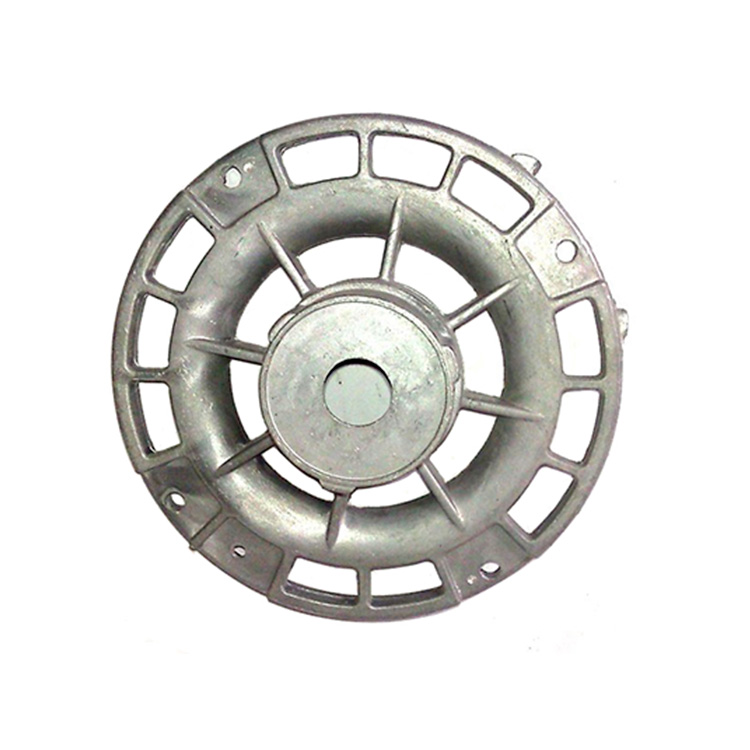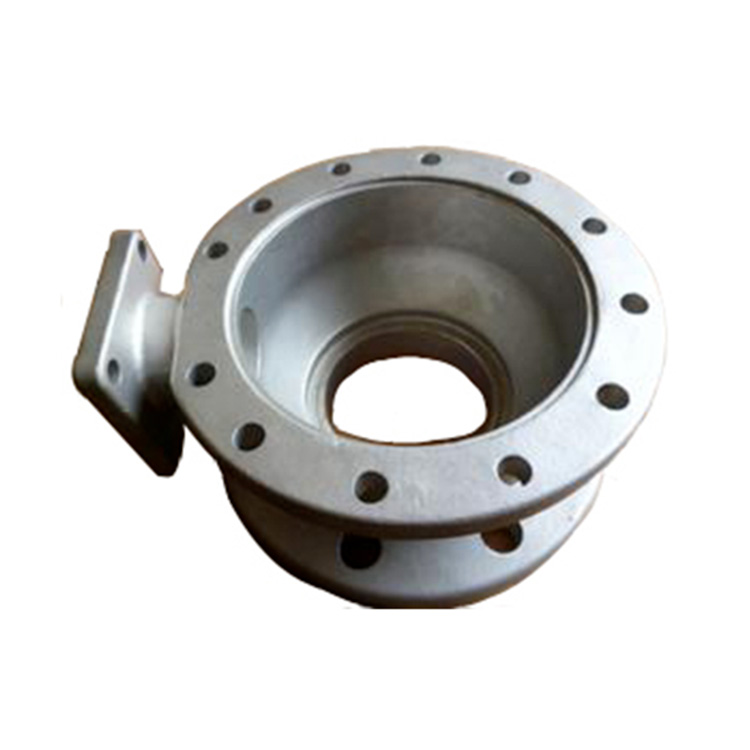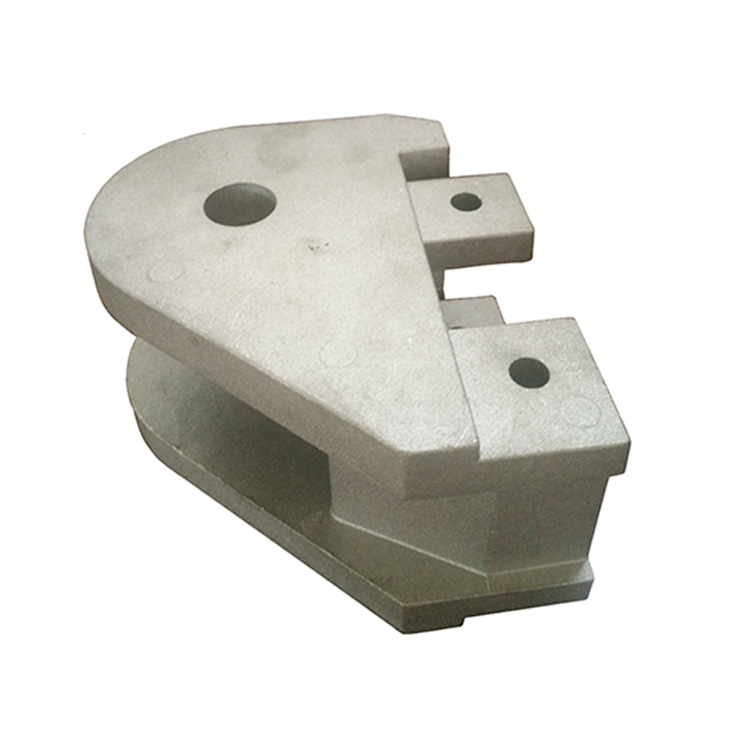
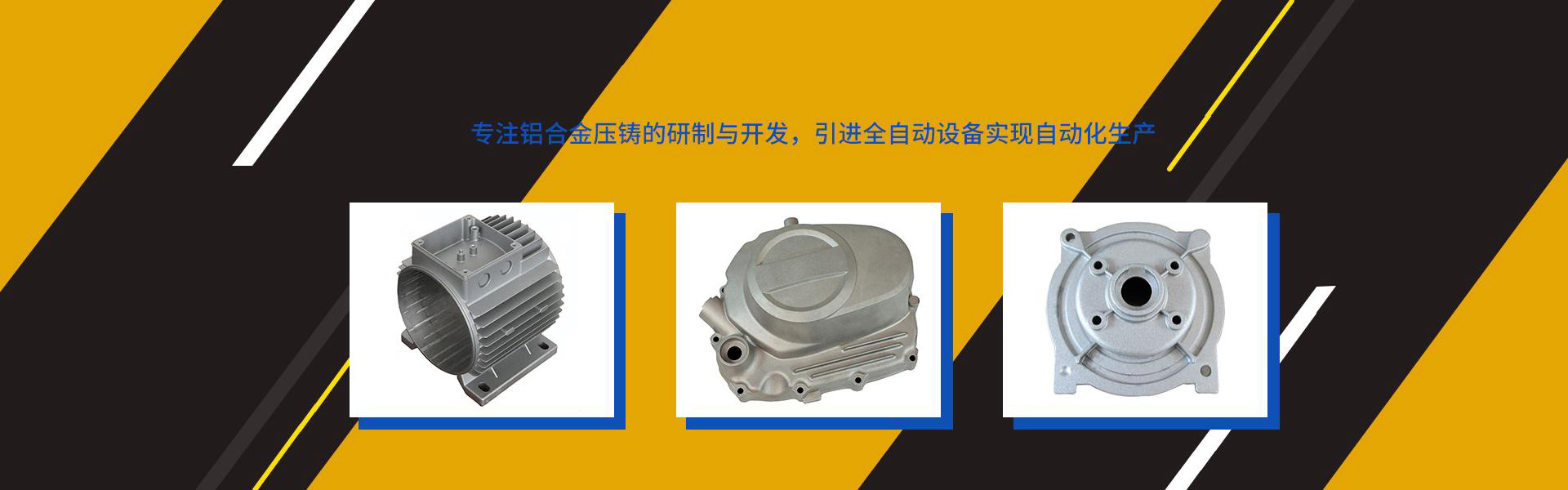
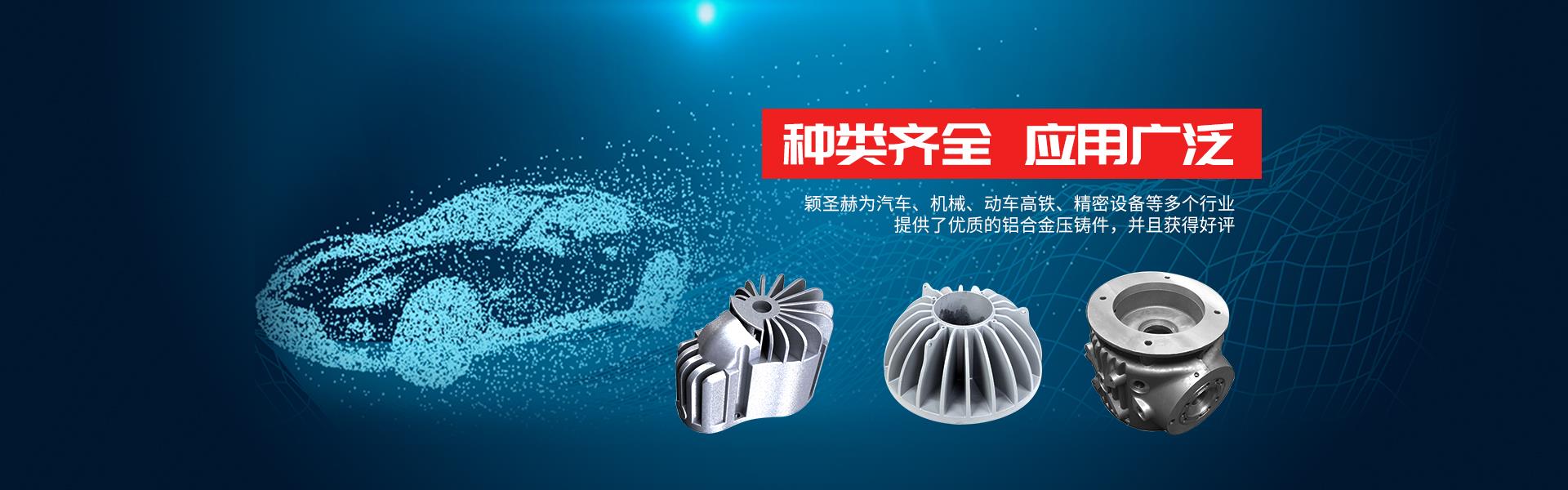

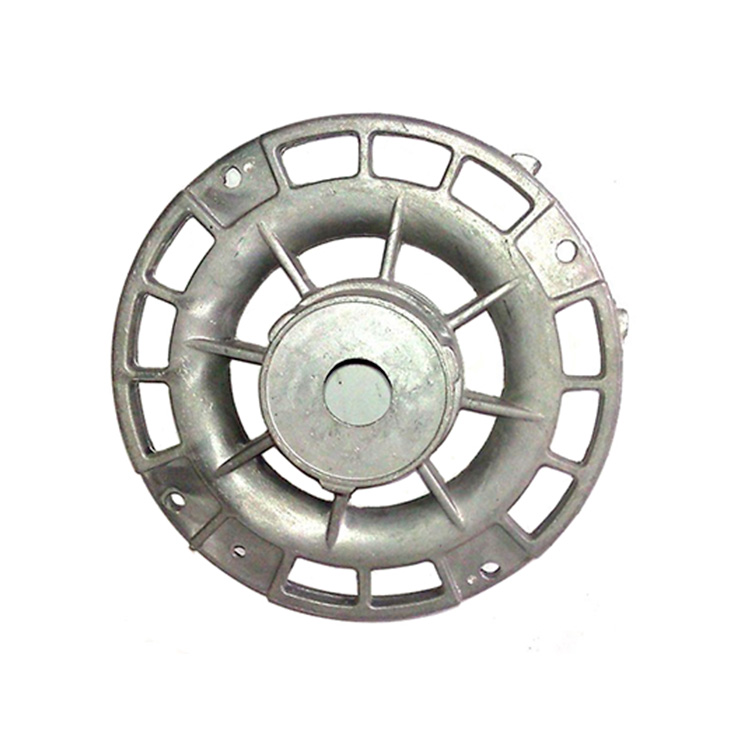
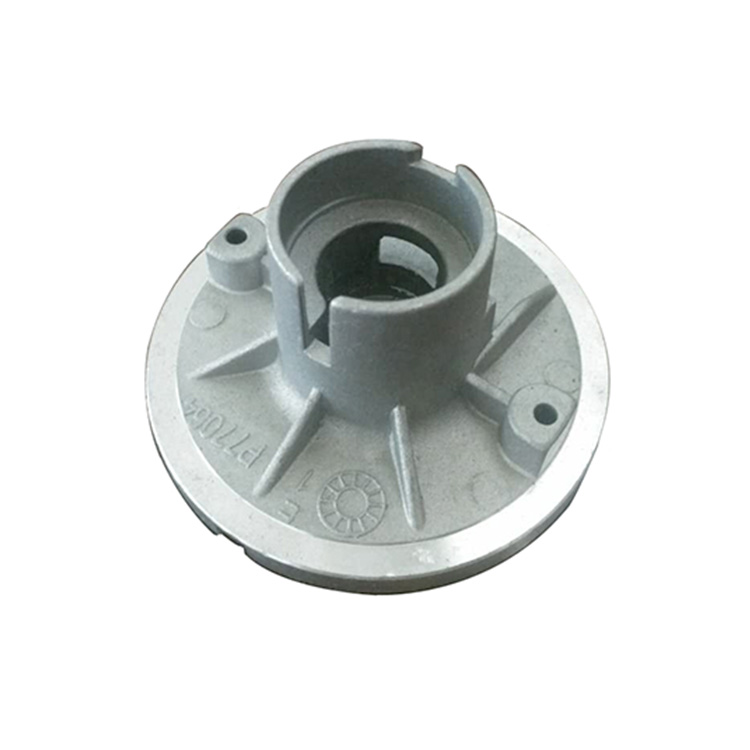
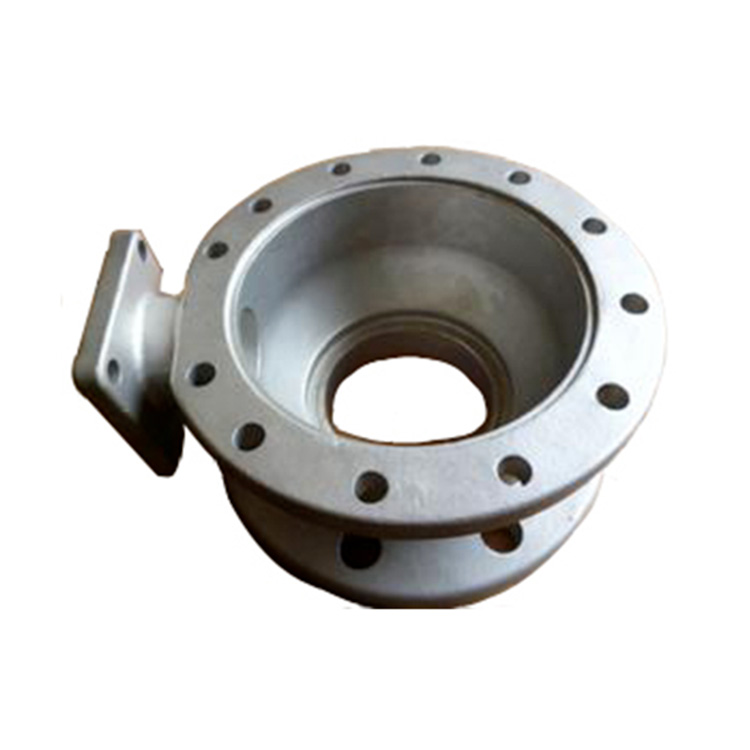
Die-cast aluminum alloy castings offer some unparalleled advantages over other castings, such as aesthetics, lightweight, and corrosion resistance, making them highly favored by users. The density of aluminum alloy castings is lower than that of cast iron and cast steel, yet their strength is higher. Therefore, under the same load conditions, using aluminum alloy castings can reduce the weight of the structure, leading to their widespread application in the manufacturing of power and transportation machinery.
Mechanical aluminum alloy castings feature excellent surface luster and excellent corrosion resistance in both atmospheric and freshwater environments; they also exhibit good resistance to corrosive substances like nitric acid and acetic acid. Therefore, aluminum castings find their use in chemical industry machinery and equipment. Aluminum alloys possess good thermal conductivity, making them suitable for manufacturing components with high thermal conductivity requirements in chemical production heat exchange units, as well as in power machinery, such as cylinder heads and pistons for internal combustion engines.
Aluminum alloys offer excellent casting properties. Due to their lower melting points (typically around 730-750°C for aluminum alloys), they are widely used in metal die casting and pressure casting methods. This enhances the inherent quality, dimensional accuracy, surface finish, and production efficiency of castings. Aluminum alloys, with their high latent heat of solidification, have a significantly longer solidification time for the aluminum melt compared to cast steel and cast iron under the same weight conditions. This results in good fluidity, which is advantageous for casting thin-walled and structurally complex parts.
Cast aluminum alloy castings possess numerous advantages, making them a development trend in the casting industry and one of the favored casting products by purchasing customers. With the advancement of aluminum alloy casting technology in the future, it will showcase its charm on an even larger stage.