





- AllProduct Category





Recommended Products
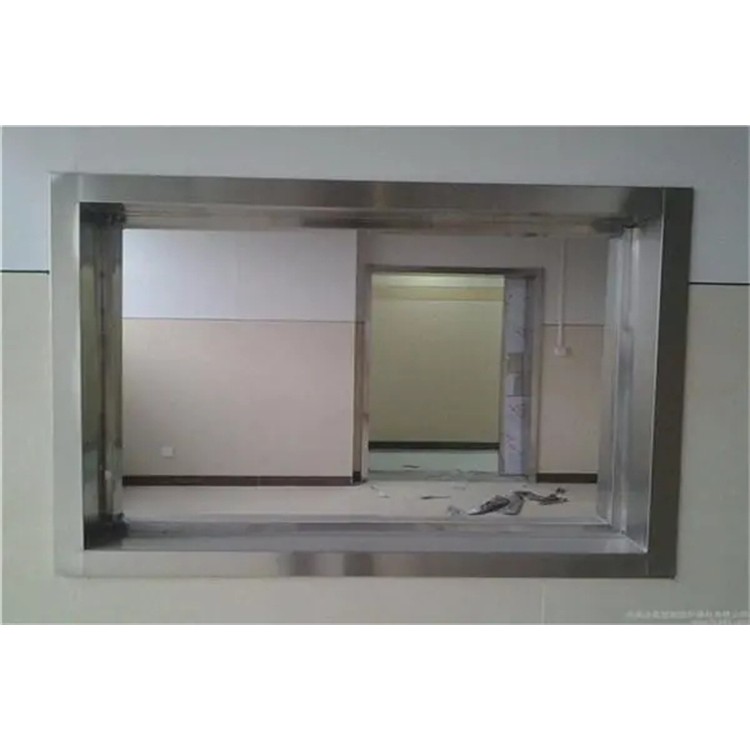
Observation Window CT Lead Glass - Customizable Cutting, High-Gloss DR Radiation Shielding Window
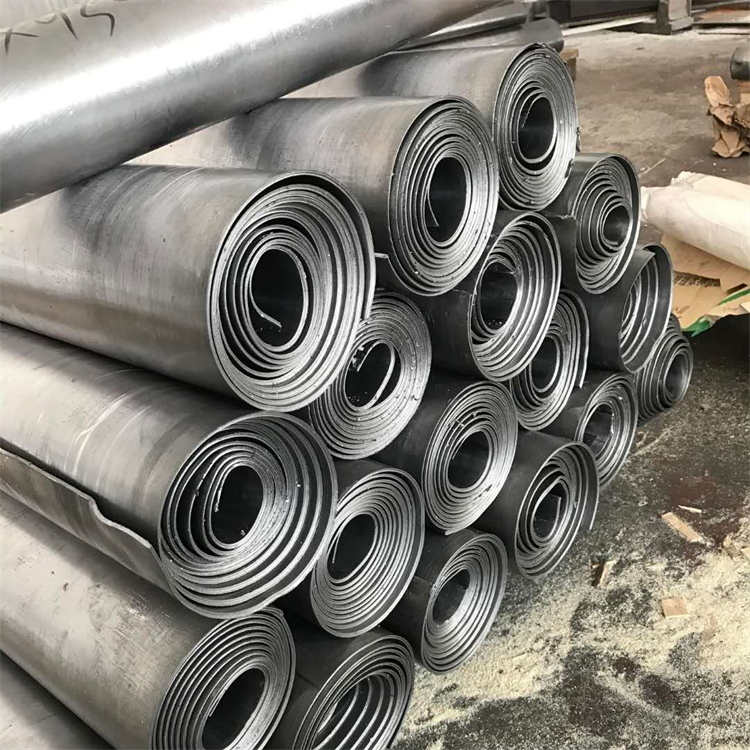
Lead Sheet Manufacturer - Customized Radiation Shielding Lead Rolls for CT Room, 3mm Thick Radiation Protection
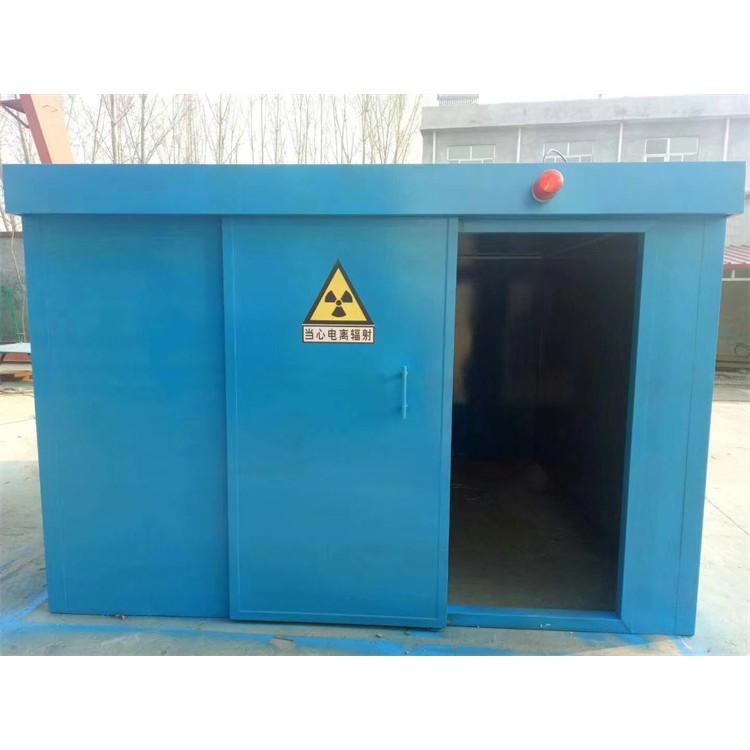
Radiation Shielding Lead Room, Radiation Protection Lead Plate Room

Honesty nationwide sales of radiation shielding doors, including double swing, single swing, and radiation-proof doors, with advanced manufacturing technology.

Honesty, nationwide supply of lead protective clothing, full range of one-piece and two-piece styles, mass production available nationwide

Integrity nationwide sale dental X-ray room radiation shielding lead door resources
详情描述
Protective Performance
Single-Sheet Lead Door: Commonly used in smaller spaces such as laboratories, hospitals, etc. Made of a single lead plate, it offers strong radiation protection, effectively blocking X-rays and radiation emitted by radioactive materials. Both the door leaf and frame are constructed with high-quality steel plates and steel pipes, covered with a layer of lead to enhance radiation shielding. The internal structure is composed of multi-layer radiation protection materials like barium sulfate and boric acid barium, designed to reflect and absorb radiation rays.
Double-Leaf Lead Door: Suited for locations requiring enhanced protection, such as MRI rooms and radiation therapy rooms. Constructed of two lead plates with a certain gap between them, it offers superior protective effects. Compared to a single-leaf lead door, a double-leaf lead door may have higher redundancy structurally, meaning that if one door is compromised, the other can still maintain protective performance.
2. Stability and durability
Single Leaf Lead Door: Although structurally simpler, a single leaf lead door may be slightly less stable and durable than a double leaf door. However, with proper installation and maintenance, a single leaf lead door can still provide excellent protection.
Double-Sided Lead Door: The structure of the double-sided lead door is relatively complex, comprising two door panels and the connecting components in the middle. This design may confer advantages in terms of stability and durability. However, it also increases the difficulty of maintenance and upkeep.
3. Safety considerations
Single Sided Lead Door: A single-sided lead door typically requires only one operating point for opening and closing, making it potentially more convenient and safe to use. Additionally, due to its relatively simple structure, it is easier to troubleshoot and repair issues with a single-sided lead door.
Double-leaf Lead Door: Operating a double-leaf lead door may require handling both doors simultaneously, which adds complexity to the operation. However, some models are equipped with an automatic locking feature, ensuring that the doors cannot be opened without authorization, enhancing security.
4. Comprehensive Assessment
Single-leaf lead door: Ideal for smaller spaces and lower protection requirements. It boasts simplicity in structure, ease of use, and maintenance, but may be slightly inferior to double-leaf lead doors in terms of stability and durability.
Double-leaf Lead Door: Ideal for locations requiring enhanced protection capabilities. It boasts complex structure for superior protection, stability, and durability, but comes with the drawback of being complex to operate and difficult to maintain.
In summary, single-leaf lead doors and double-leaf lead doors each have their own advantages and disadvantages in terms of security. Which type to choose?Lead doors primarily depend on the specific application scenarios and protection requirements. In locations requiring higher protection capabilities, such as MRI rooms and radiation therapy rooms, double-leaf lead doors might be more suitable; whereas in smaller spaces with lower protection needs, single-leaf lead doors are a more economical and practical choice.

Important usage precautions for hospital lead doors are as follows:
I. Daily Usage Precautions
Handle with care: When opening and closing the lead door, do so gently to avoid impact or dropping, to prevent damage to the door.
Ensure complete closure: When closing the lead door, make sure the door leaf is fully closed to ensure sealing performance and prevent radiation leakage or fire spread.
Handle Gently: Pay special attention to gentle handling during daily use and when opening/closing the radiation shielding lead door to avoid causing permanent damage to the door.
Section II: Protection & Cleaning
Wear protective gear: When using lead doors, standard protective equipment such as protective suits and gloves should be worn to avoid radiation damage.
Regular Cleaning: Lead doors require regular cleaning to maintain their protective performance. Dust on the door should be cleaned regularly to keep the door, glass, and hardware clean and shiny.
Avoid contact with corrosive liquids: Lead doors should be kept away from corrosive substances during daily use, even if made of corrosion-resistant metals like stainless steel and lead, to prevent prolonged exposure.
Section 3: Maintenance and Care
Inspect Seal Integrity: Regularly check the lead door's seal integrity. Promptly repair or replace any damage to ensure protective effectiveness.
Avoid using strong acids or alkalis for cleaning: If the lead door gets stained with difficult-to-clean substances like oil, wiping it can be done, but try not to use solutions with strong acids or alkalis, as this may damage the smoothness of the profile surface and the protective film on the hardware.
Caution: If the lead door fails to close during operation, it may be due to interference in the sensor detection area. Promptly clean and inspect the relevant components.
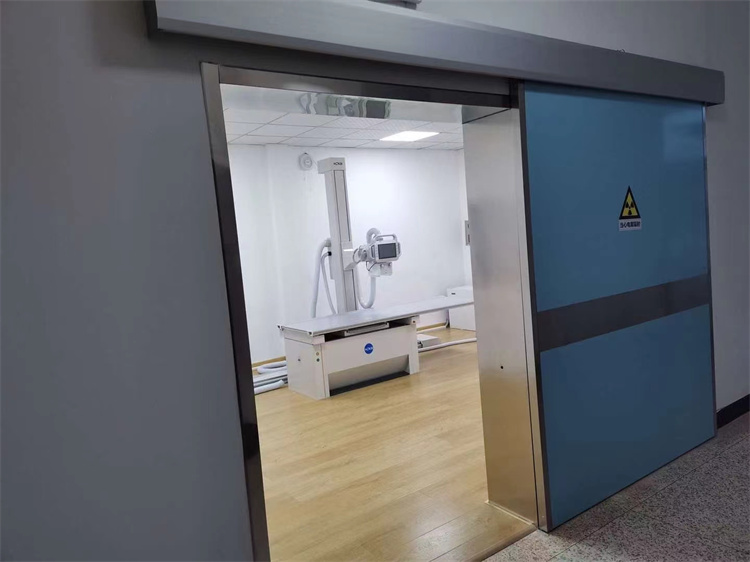
4. Safe Use
Avoid forced operation: Do not force yourself through the lead door when it's about to close or is closing. Ensure there's enough space to accommodate one person when the door is open.
Be mindful of machinery, equipment, and door panels: Avoid jamming or collision with lead doors, and do not apply external force to damage the machinery, equipment, or door panels of sealed lead doors.
V. Installation and Inspection
Proper Placement: The lead door should be properly placed to ensure quick and smooth evacuation of personnel in emergency situations.
Regular Inspections: In addition to daily cleaning and maintenance, regular comprehensive inspections of the lead door should be conducted to ensure its proper operation and protective effectiveness.
In summary, the use of hospital lead doors must strictly adhere to the aforementioned precautions to ensure proper operation and protective efficacy, while also safeguarding the safety of medical staff and patients.
询价单


