





- AllProduct Category





Recommended Products
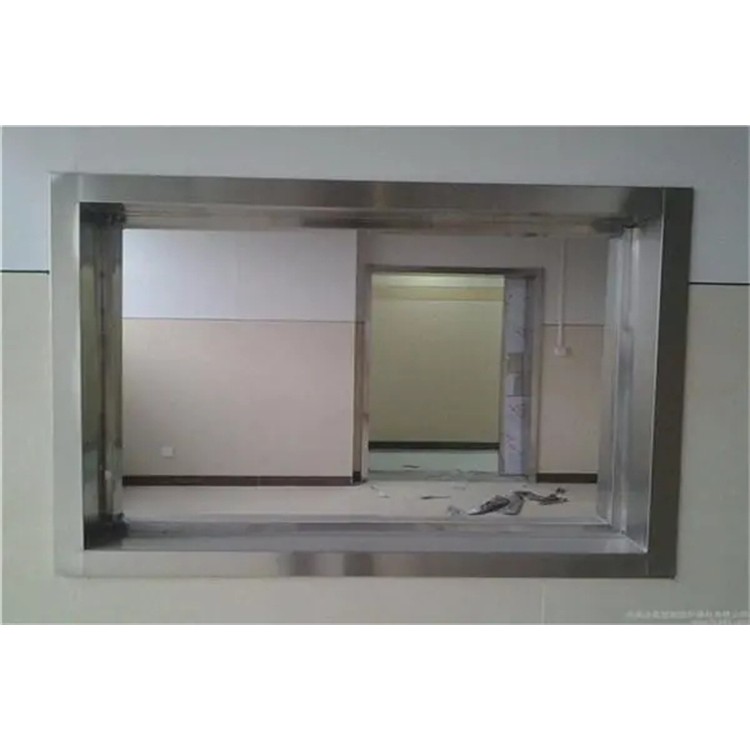
Observation Window CT Lead Glass - Customizable Cutting, High-Gloss DR Radiation Shielding Window
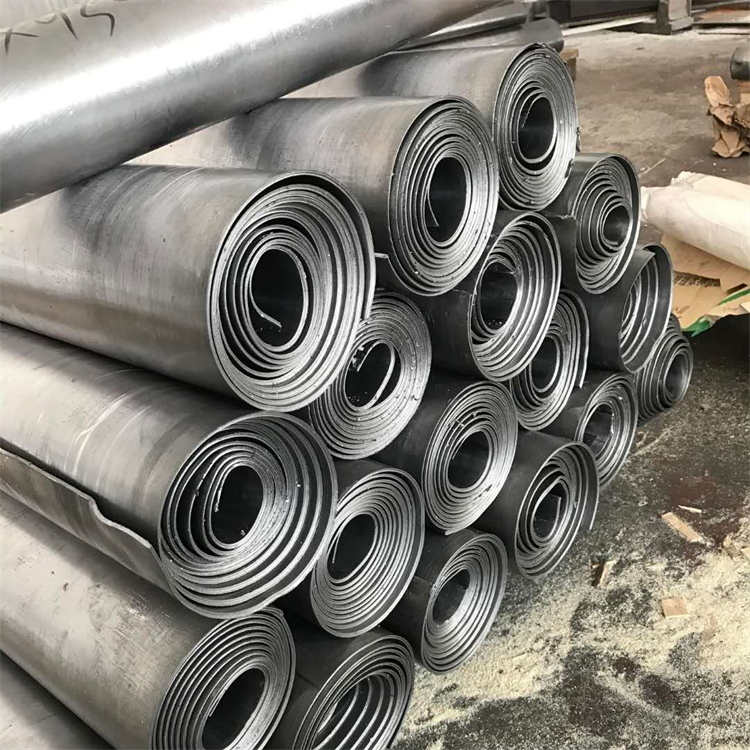
Lead Sheet Manufacturer - Customized Radiation Shielding Lead Rolls for CT Room, 3mm Thick Radiation Protection
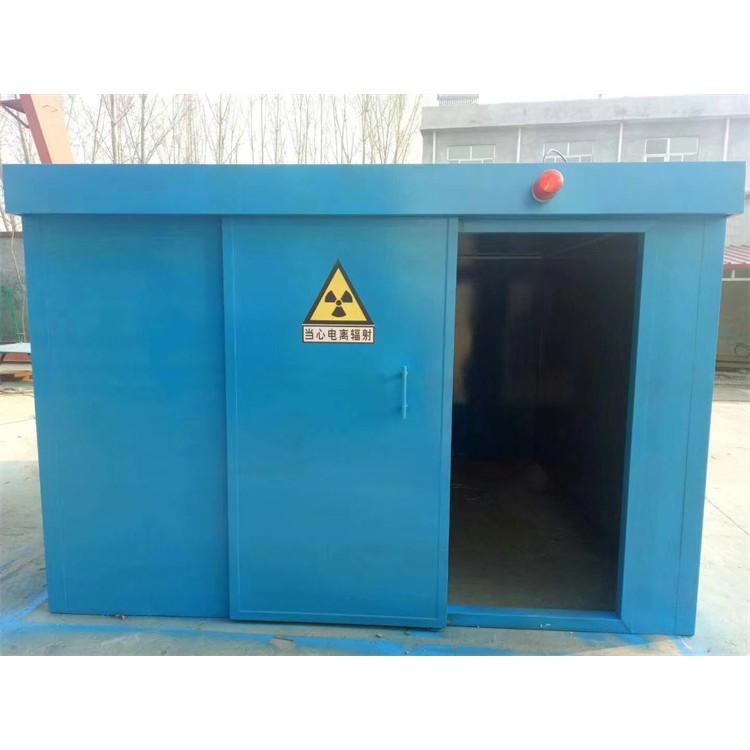
Radiation Shielding Lead Room, Radiation Protection Lead Plate Room

Honesty nationwide sales of radiation shielding doors, including double swing, single swing, and radiation-proof doors, with advanced manufacturing technology.

Honesty, nationwide supply of lead protective clothing, full range of one-piece and two-piece styles, mass production available nationwide

Integrity nationwide sale dental X-ray room radiation shielding lead door resources
详情描述
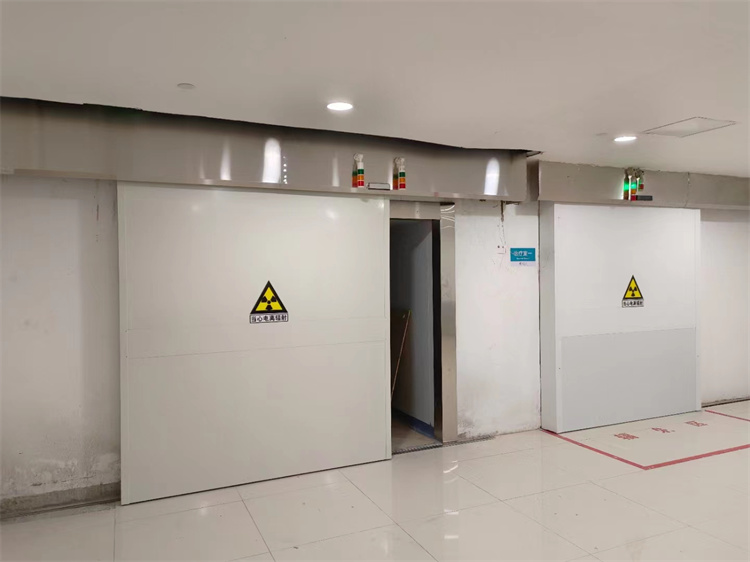
Lead doors, as a category of doors used for the protection of buildings or specific areas, come in various types and have a complex composition. Below is a detailed explanation of the types and composition of lead doors:
Types of Lead DoorsSingle-leaf lead door: Composed of a single door panel, suitable for smaller entryways.
Double-leaf Lead Door: Consisting of two panels, suitable for larger entrances and exits.
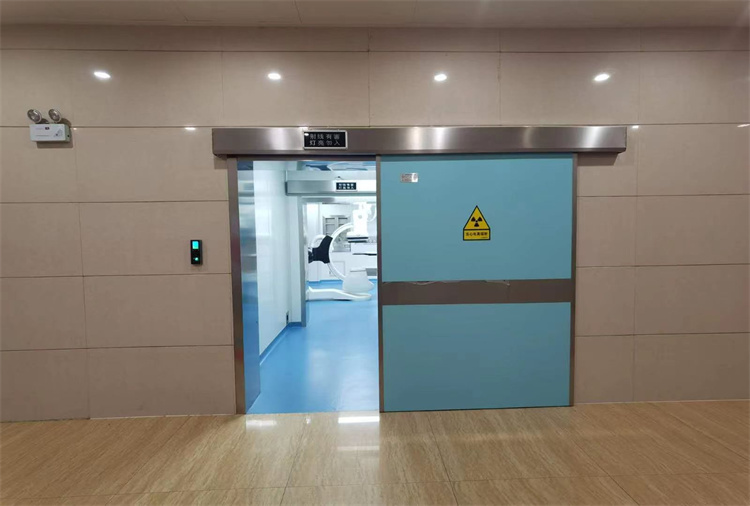
Sliding Lead Door: The door panel can move horizontally for easy use and operation.
Roller Shutter Lead Door: The door panel can be rolled up for easy space utilization and storage.
Fireproof Lead Door: Equipped with fire-resistant properties, effectively isolates fire sources and prevents the spread of flames.
In addition, lead doors can be categorized into electric and manual types. Electric doors can be manufactured with either top or bottom transmission, depending on installation conditions and user requirements.
Composition of Lead Doors
The lead door is mainly composed of the following parts:
Door leaf
Material: Typically composed of lead plates, X-ray transparent glass, and iron plates.
Structure: Generally divided into an inner and an outer layer, filled with insulating materials such as air or foam plastic. The inner surface is typically made of sanitation-grade materials, easy to clean and disinfect.
Door Frame
Material: Typically made by welding iron or steel plates.
Function: Serves as the framework for the door leaf, allowing for the insertion of insulating material internally to prevent radiation from penetrating through the side of the door frame.
Hinges: Used to connect the door leaf to the door frame, allowing the door leaf to rotate around the hinge axis for opening and closing.
Door bolts, clamping mechanisms, and cushioning blocks: These components ensure the tight closure and stability of the door leaf.
Drive Mechanism (for electric gates): Electric or hydraulic rods, among other drive mechanisms, can be installed to achieve automatic door opening and closing functionality.
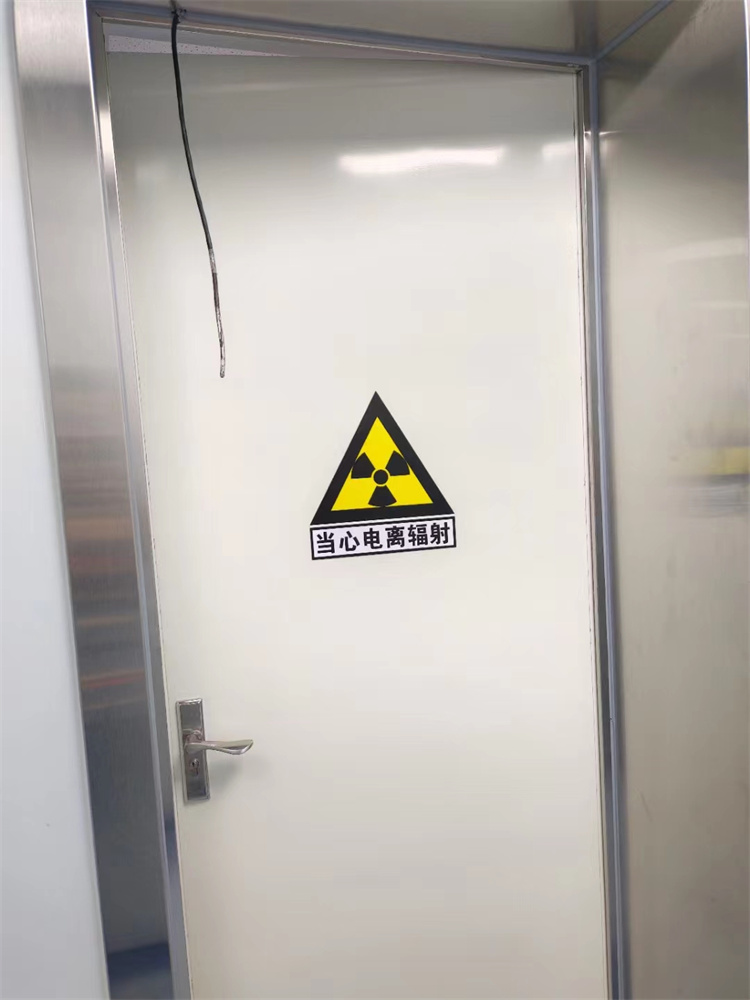
Safety Device (for Electromagnetic Radiation Shielding Lead Doors): Equipped with door interlock, operation indicator lights, radioactive ionization signs, etc., to ensure safe use.
Sealing Device: Typically made of rubber or silicone rubber, used to prevent radiation leakage and ensure the door's radiation protection effectiveness.
Summary
Lead doors, as a specialized type of door, not only come in various styles to meet different requirements but also feature a complex structure that guarantees excellent protective performance and durability. When selecting and using lead doors, it is crucial to choose the appropriate type based on actual needs and pay attention to relevant details to ensure they fulfill their maximum potential.
Industrial Lead Doors vs. Medical Lead Doors: Differences and Advantages
Distinction
Structure and Materials: Industrial lead doors and medical lead doors differ in structure and materials. Medical lead doors typically adhere to higher protection standards, with thicker lead plates filled in the door frame and door leaf for enhanced radiation protection. Industrial lead doors, on the other hand, may prioritize practicality and durability, with thinner lead plates.
Functions and Applications: Industrial lead doors are primarily used for radiation protection, such as in industrial X-ray inspection rooms. Medical lead doors are used in hospital environments, particularly in radiology departments, CT rooms, and other areas requiring high radiation protection.
Advantages of Medical Lead Doors
The advantages of medical lead doors lie in their robust radiation shielding capabilities, effectively blocking X-rays and other radiation to ensure the safety of medical staff and patients. Moreover, these doors typically offer excellent sealing and durability, allowing for long-term stable operation in high-traffic hospital environments.
Advantages of Industrial Lead Doors
The advantages of industrial lead doors lie in their durability and practicality. They are typically able to withstand significant impacts and pressures, making them suitable for industrial environments. Additionally, the design of industrial lead doors usually emphasizes functionality, adapting to different door opening sizes and the power requirements of radiation machines.
询价单


