





- AllProduct Category





Recommended Products
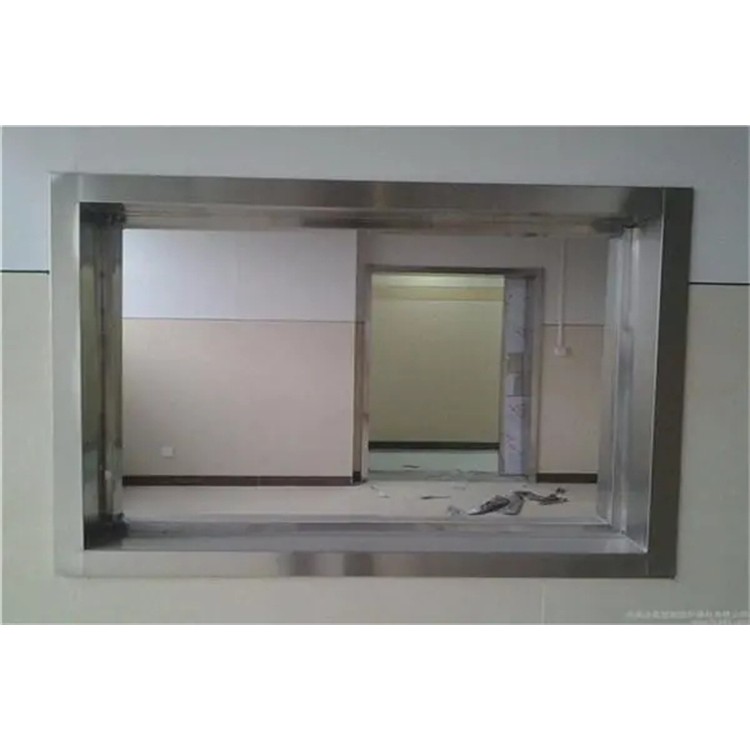
Observation Window CT Lead Glass - Customizable Cutting, High-Gloss DR Radiation Shielding Window

Lead Sheet Manufacturer - Customized Radiation Shielding Lead Rolls for CT Room, 3mm Thick Radiation Protection
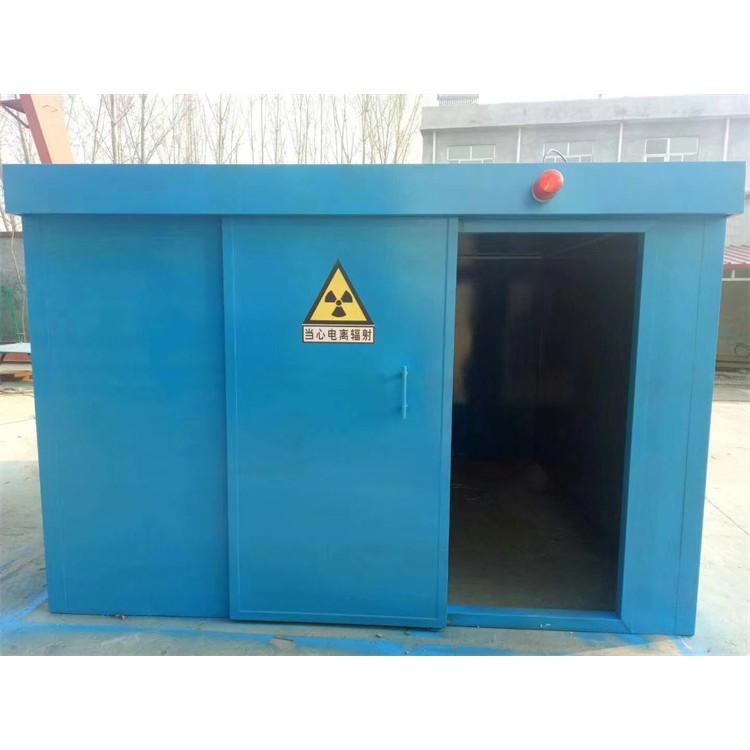
Radiation Shielding Lead Room, Radiation Protection Lead Plate Room

Honesty nationwide sales of radiation shielding doors, including double swing, single swing, and radiation-proof doors, with advanced manufacturing technology.

Honesty, nationwide supply of lead protective clothing, full range of one-piece and two-piece styles, mass production available nationwide

Integrity nationwide sale dental X-ray room radiation shielding lead door resources
详情描述
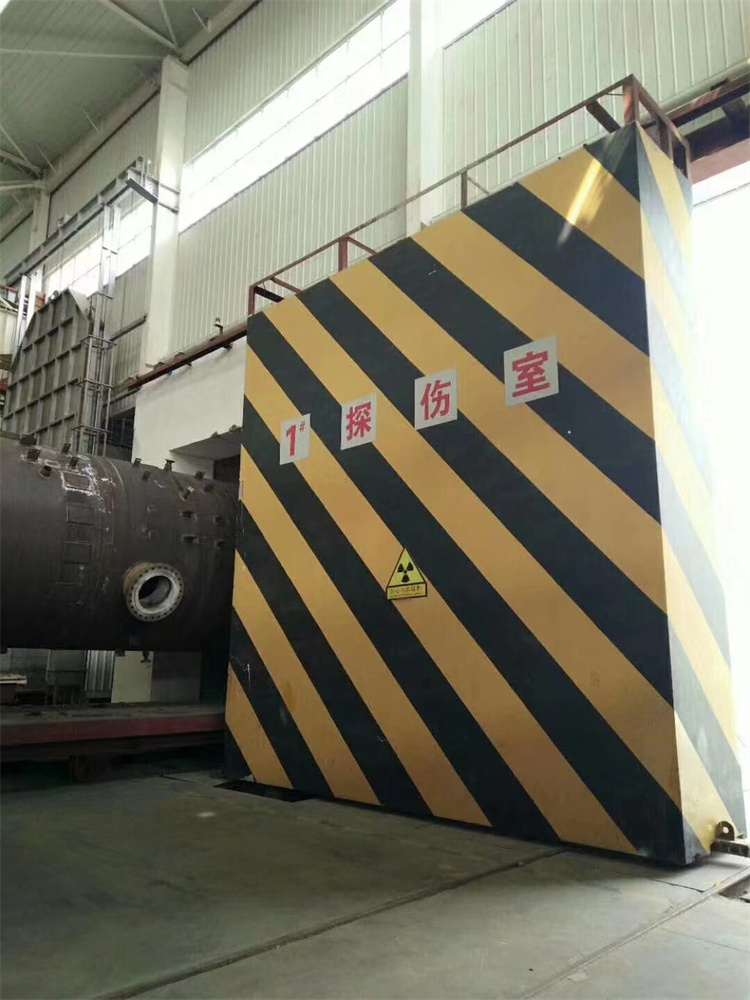
The main function of the radiation therapy door is to isolate the radiation treatment room, preventing high-energy radiation from leaking into the outdoor area, thereby protecting healthcare workers, patients, and others from radiation harm. To achieve a good protective effect, radiation therapy doors are typically made of high-density lead materials or lead-composite materials, which can effectively absorb and shield high-energy radiation.
In addition to its protective performance, the radiation treatment door also features the following:
Stability and Safety: The radiotherapy door structure is robust and operates smoothly, ensuring stability and safety even with frequent use.
Operation: Radiotherapy doors generally feature electrically operated opening and closing for easy and quick operation. Additionally, to ensure quick closure during emergencies, manual closing mechanisms are also equipped.
Sealing Performance: The radiation door maintains excellent sealing performance when closed, effectively preventing radiation leakage. Special sealing strips are used between the door leaf and frame to ensure optimal protection when sealed shut.
Intelligent Control: Modern radiation therapy doors are typically equipped with an intelligent control system that allows for remote control, scheduled on/off, and fault alarm functions, enhancing convenience and safety in use.
Durability: The radiation door has been specially treated for enhanced durability, maintaining stable protective performance over an extended period.
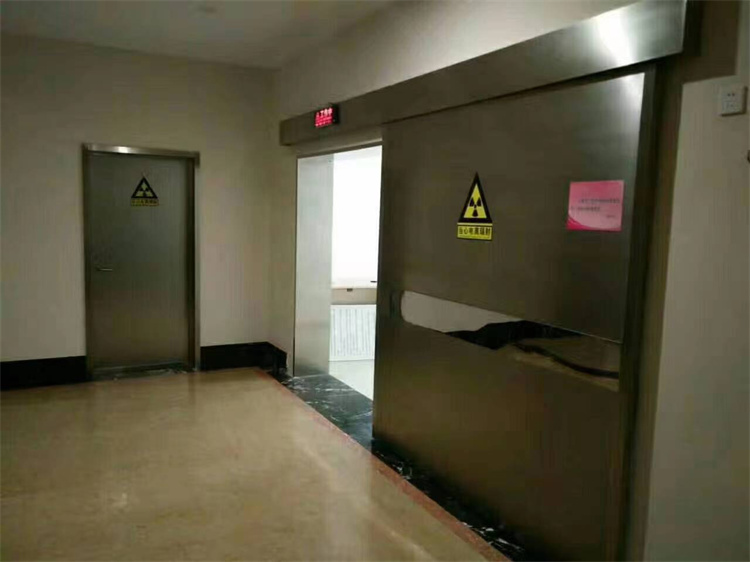
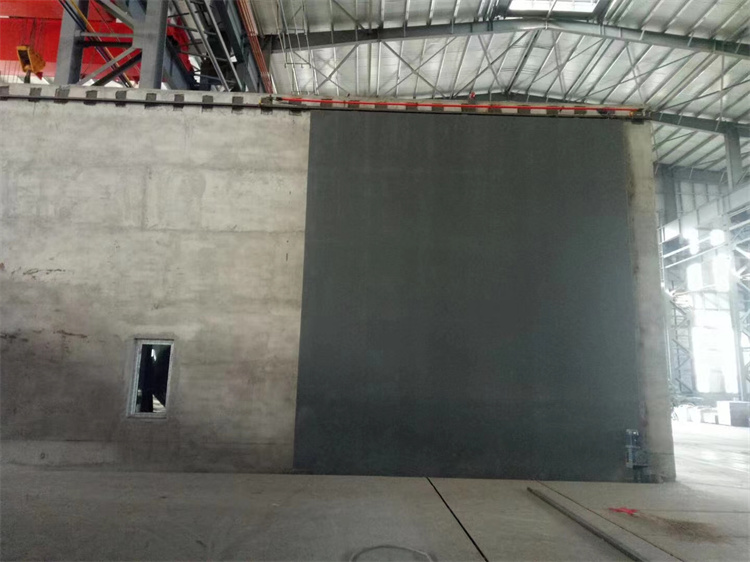
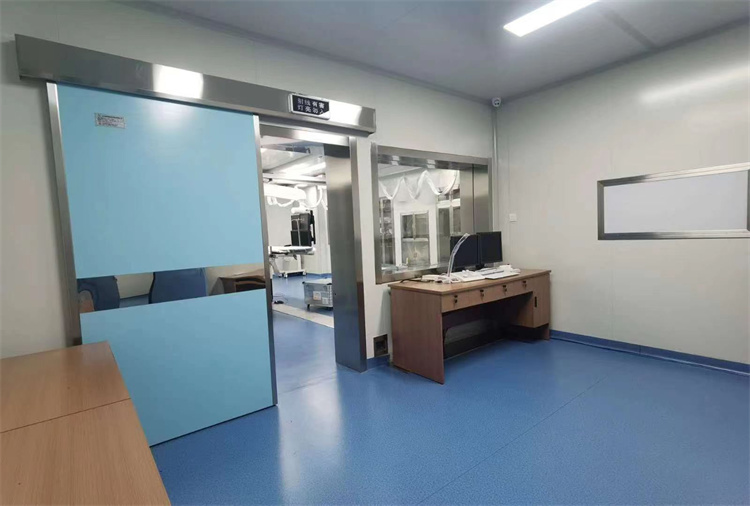
The primary function of the CT door is to isolate the CT examination room, preventing X-rays and other radiation from leaking into the outdoor area. Similar to radiation therapy doors, CT doors are made of high-density lead material or other radiation shielding materials to ensure excellent protective performance. The structure and design of the door are also carefully considered to ensure effective radiation isolation during the CT examination.
Additionally, CT doors must meet certain special requirements, such as quick opening and closing, low noise, and easy cleaning. These requirements ensure that CT doors provide efficient and convenient services during CT examinations.
Radiation Shielding Doors and CT Doors are specialized protective doors designed exclusively for the medical field. Their primary function is to isolate radiation sources and ensure the safety of medical staff and patients. When selecting and using these doors, it's crucial to consider their protective performance, opening mechanisms, and service life to ensure they meet actual needs and provide reliable protection.
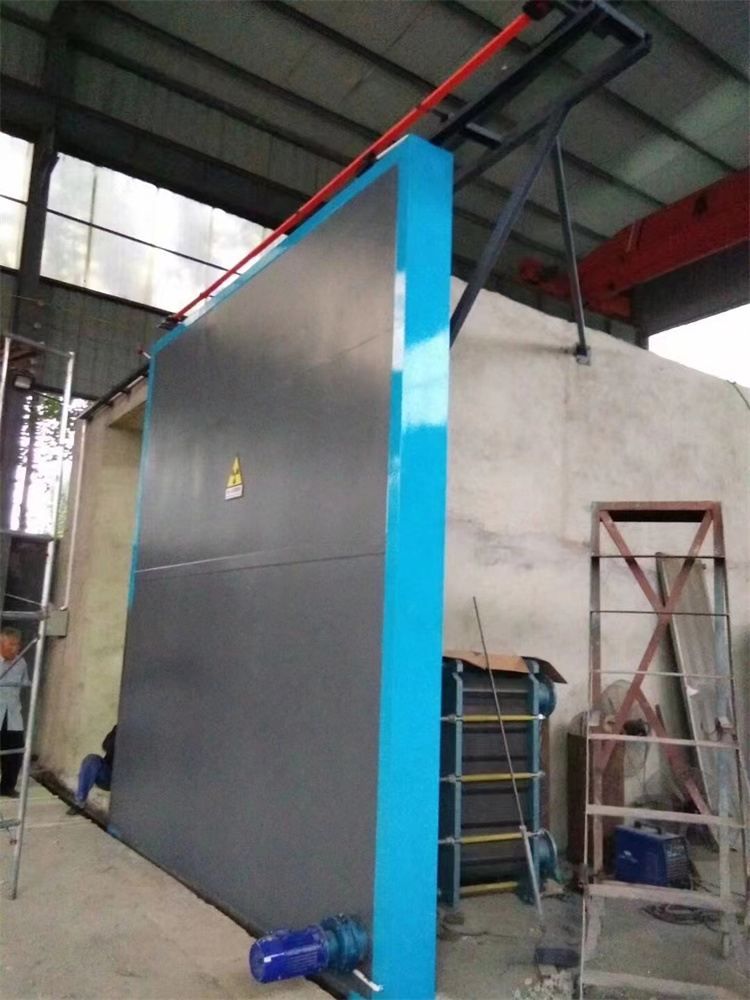
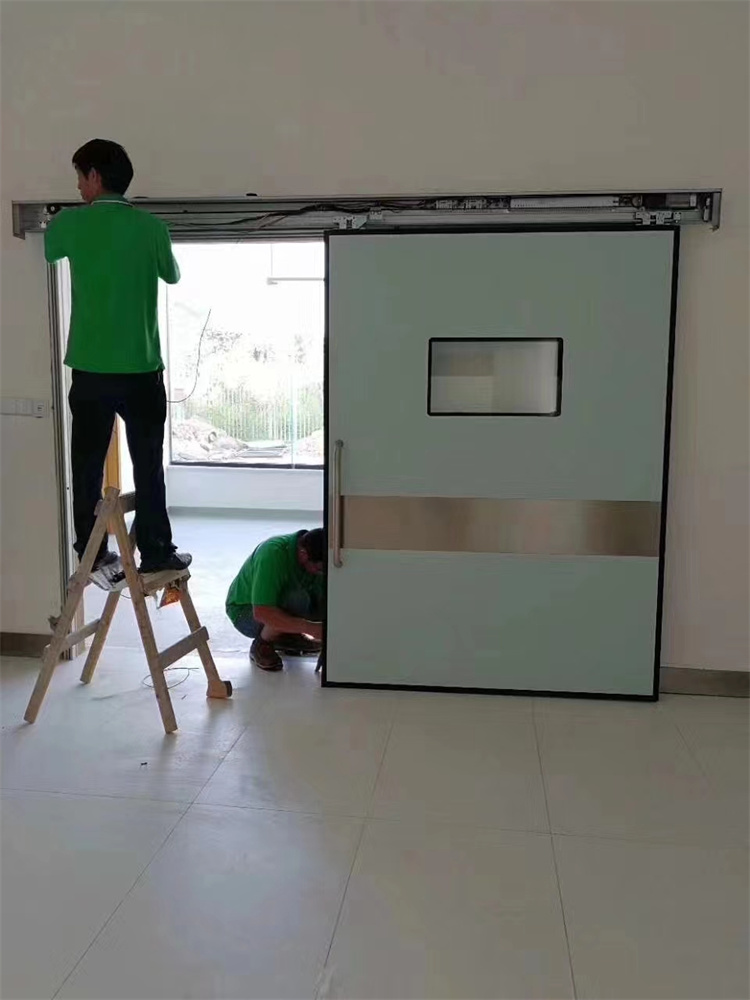
DR doors, also known as DR room lead doors, are specialized protective doors designed specifically for medical X-ray imaging diagnostic rooms. Below is a detailed introduction to DR doors:
I. Overview
DR doors are primarily used to seal X-ray radiation, protecting medical staff and patients from radiation exposure. They are made from specialized lead material, as lead is a metal with high density and excellent radiation shielding properties, capable of effectively absorbing and adsorbing the radiation from radioactive particles, thereby preventing the spread and leakage of radiation.
II. Types
Based on varying requirements and usage scenarios, DR doors can be categorized into the following types:
Single Leaf Lead Door: Composed of a single-leaf lead door, suitable for smaller DR rooms or areas requiring directional closure.
Double-Leaf Lead Door: Consisting of two lead doors, typically opening to the left or right, suitable for larger DR rooms or areas requiring bidirectional sealing.
Sliding Lead Door: Opens and closes with a sliding mechanism, saving space and suitable for narrow DR rooms or areas requiring easy passage.
Lead Shielding Curtains: Made of lead curtains, these can be easily rolled up and down, suitable for areas requiring frequent passage, such as operating rooms.
III. Features
Excellent protective effect: The DR door is made of lead material, offering superior protection and effectively blocking X-ray radiation.
Structure Compact: The intelligent DR door can embed lead plates into the door frame, ensuring a compact structure of the door while also effectively absorbing X-rays.
Smooth Opening and Closing: The DR door utilizes high-quality guide and balancing mechanisms, ensuring a smooth operation and preventing sudden closures or openings.
Convenient Operation: The DR door is equipped with a user-friendly operating system that allows for various unlocking methods, such as fingerprint recognition and password unlocking, enhancing the efficiency of the door's use.
Safety and Reliability: DR doors are designed and manufactured in strict accordance with national safety standards, utilizing high-strength materials and advanced manufacturing techniques to ensure the door's stability and durability. Additionally, the doors are equipped with emergency power failure protection and collision prevention devices, offering comprehensive safety assurance.
4. Usage Precautions
Ensure the door's seal is tight to prevent radiation leakage and safeguard personnel.
Operate the door's open and close mechanism correctly to prevent damage to the door or any hazards.
When not in use for an extended period, the DR door should be closed to prevent radiation leakage.
Regularly inspect the status of the DR door and perform maintenance promptly to ensure its proper functioning.
Section 5: Application Fields
DR doors are widely used in medical institutions, including radiology departments, nuclear medicine departments, and radiation therapy rooms, where radioactive material handling and treatment are required. Additionally, they are also employed in research institutions, such as nuclear laboratories and radioactive substance research centers, for protection purposes.
询价单


