





- AllProduct Category





Recommended Products
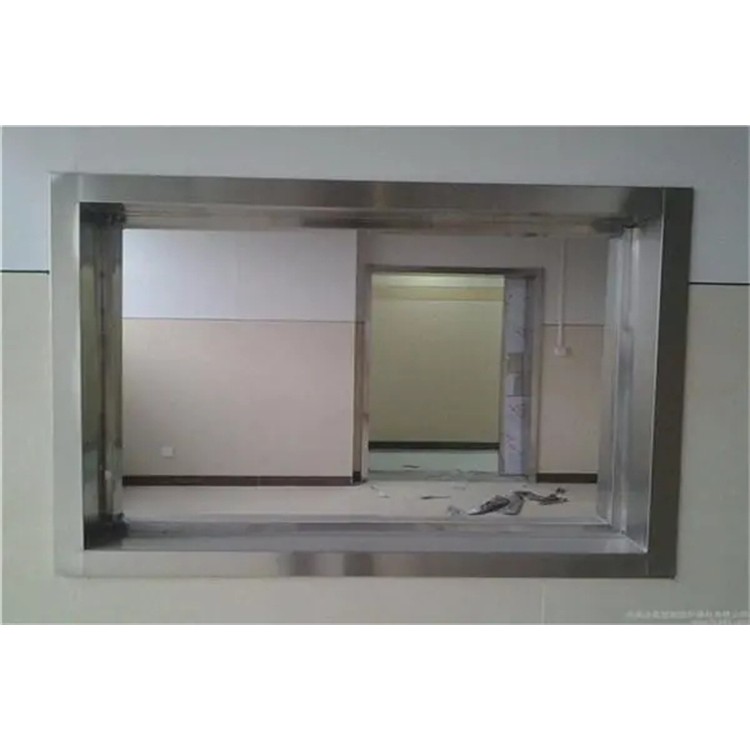
Observation Window CT Lead Glass - Customizable Cutting, High-Gloss DR Radiation Shielding Window

Lead Sheet Manufacturer - Customized Radiation Shielding Lead Rolls for CT Room, 3mm Thick Radiation Protection
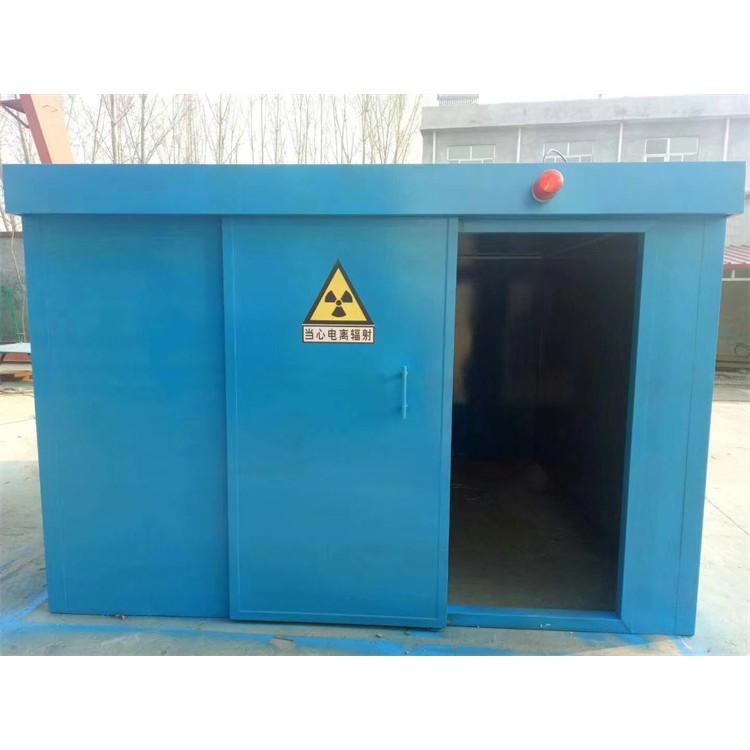
Radiation Shielding Lead Room, Radiation Protection Lead Plate Room

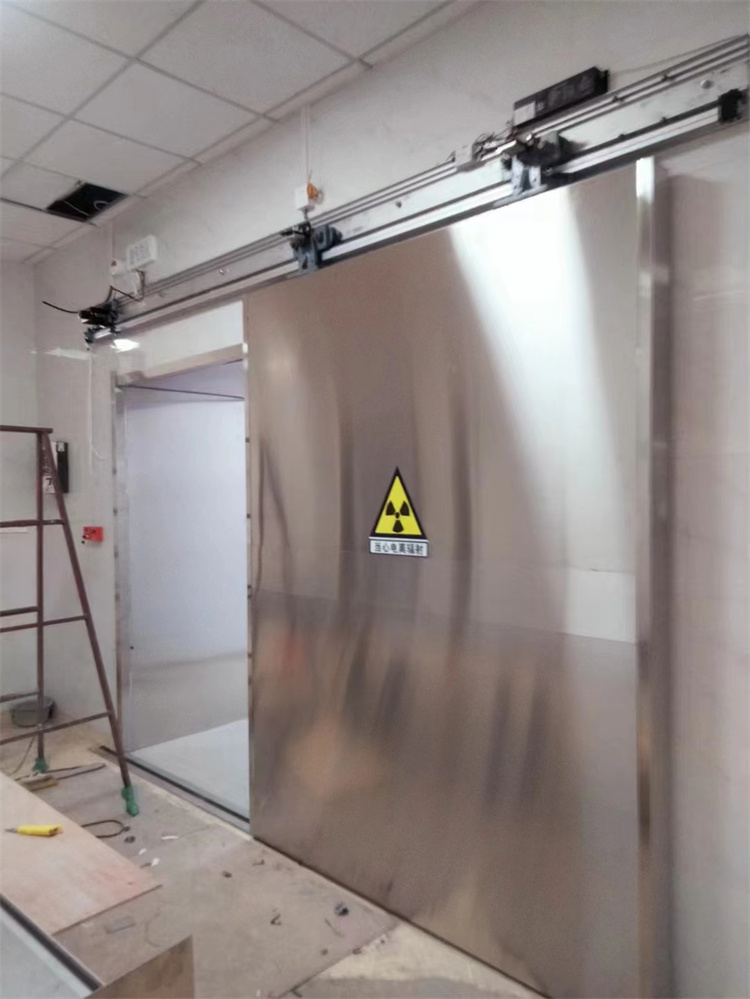
Honesty nationwide sales of radiation shielding doors, including double swing, single swing, and radiation-proof doors, with advanced manufacturing technology.

Honesty, nationwide supply of lead protective clothing, full range of one-piece and two-piece styles, mass production available nationwide

Integrity nationwide sale dental X-ray room radiation shielding lead door resources
详情描述
The air tightness of a lead door refers to its ability to prevent external air from entering or internal air from leaking out when closed. Good air tightness is crucial for maintaining a constant environment in the work area and preventing radiation leakage.
Design Features of Airtight Doors
Sealing System: Air-tight doors commonly utilize special sealing systems, such as rubber gaskets, to ensure a tight fit with the door frame when closed, thereby achieving excellent airtightness.
Structural Design: Some airtight door designs are tailored to meet the specific requirements of environments like operating rooms, featuring V-shaped track and arched groove designs that ensure effective sealing upon closure.
2. Actual Application of Airtight Doors
Hospital Application: In a hospital setting, particularly in areas requiring radiation shielding such as CT and DR rooms, the air tightness of the sealed doors is crucial for protecting healthcare professionals and patients from unnecessary radiation exposure.
Safety Considerations: Airtight doors also serve as a security measure, typically made of high-density anti-theft steel wire mesh, which offers shock resistance and anti-protrusion properties.
Radiation protection of lead doors
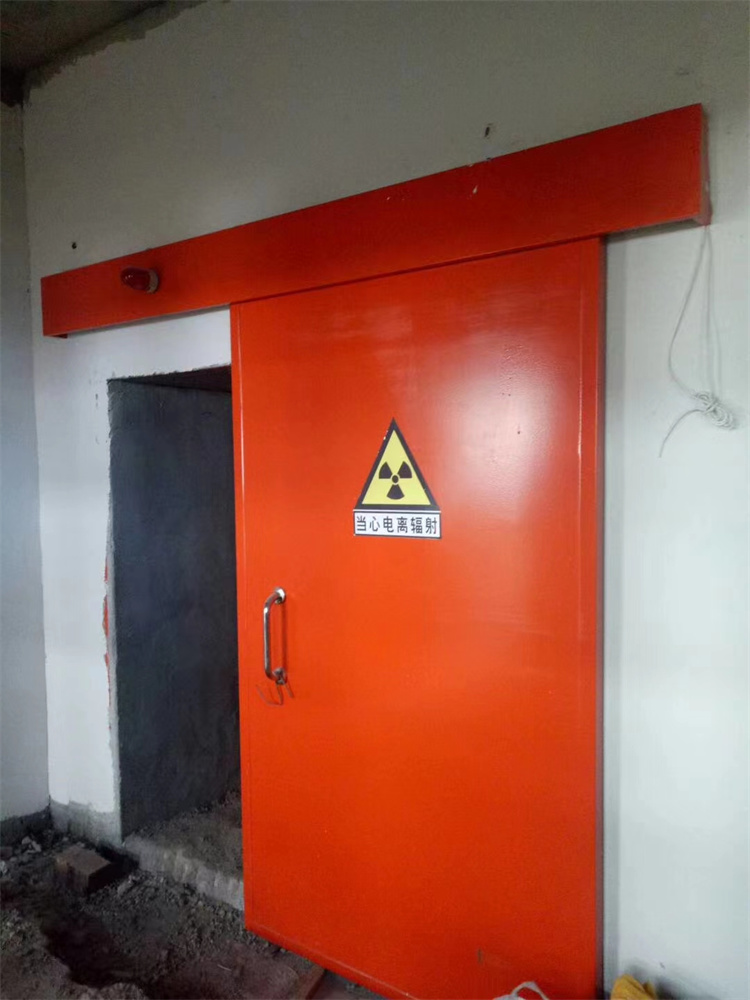
Radiation shielding of lead doors refers to their ability to block radiation. Lead doors are typically made of lead material due to lead's high atomic number, which effectively absorbs and scatters X-rays and other types of radiation.
1. The radiation-proof principle of lead doors
Shielding Effect: Lead doors utilize a certain thickness of lead material to set up a lead barrier between the human body and the radioactive source or scatterer, thereby reducing the dose of radiation exposure to the human body.
Ray Characteristics: The main effect of X-rays emitted by X-ray devices on the human body comes from external radiation damage to the organism. Shielding protection can effectively reduce the dose received by personnel.
2. Selection Criteria for Lead Doors
Shielding Thickness: When selecting a lead door, the appropriate shielding thickness should be determined based on factors such as the radiation source characteristics, room size (distance from the radiation source to the reference point), and other considerations.
Additional considerations: Besides airtightness and radiation protection, factors such as the lifespan of the lead door, ease of maintenance, and coordination with the surrounding environment should also be taken into account.
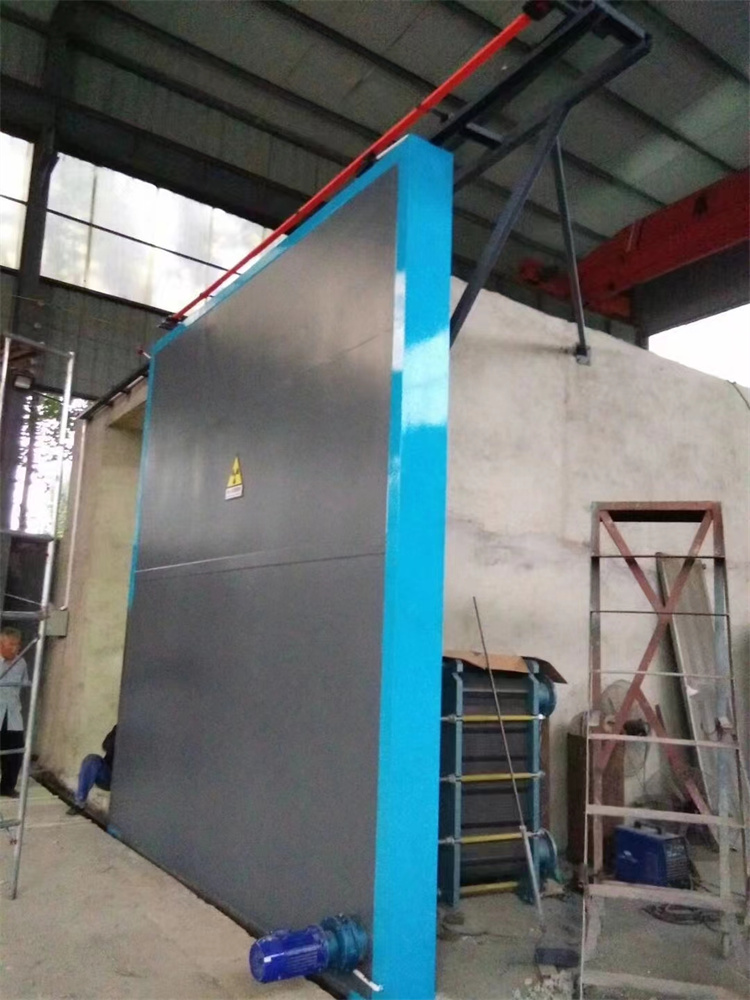
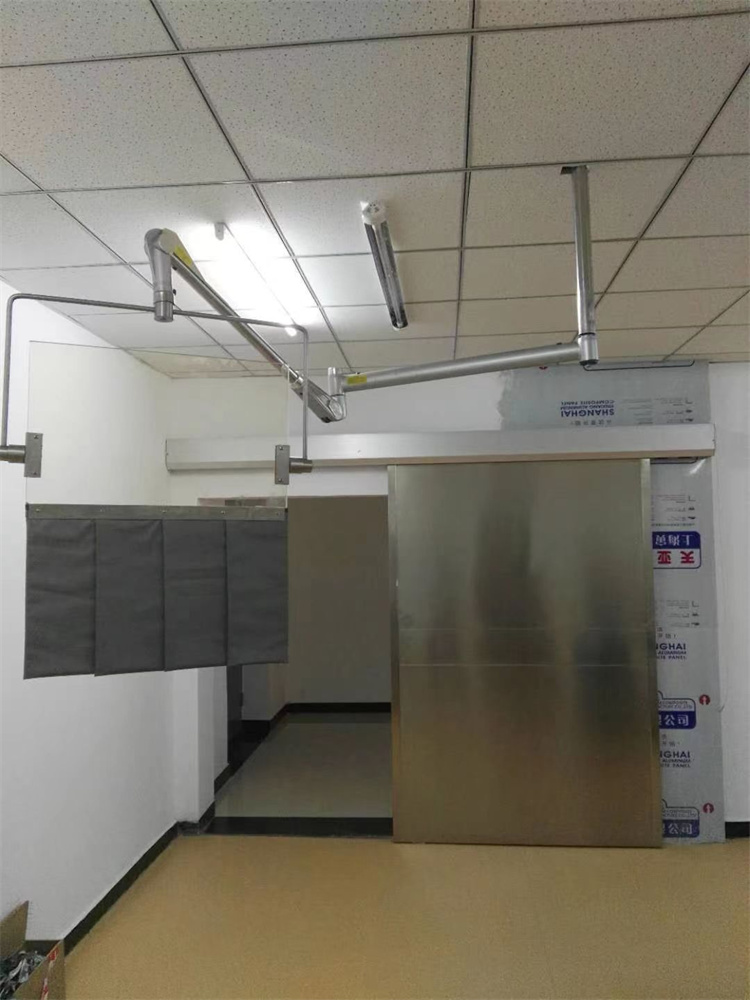
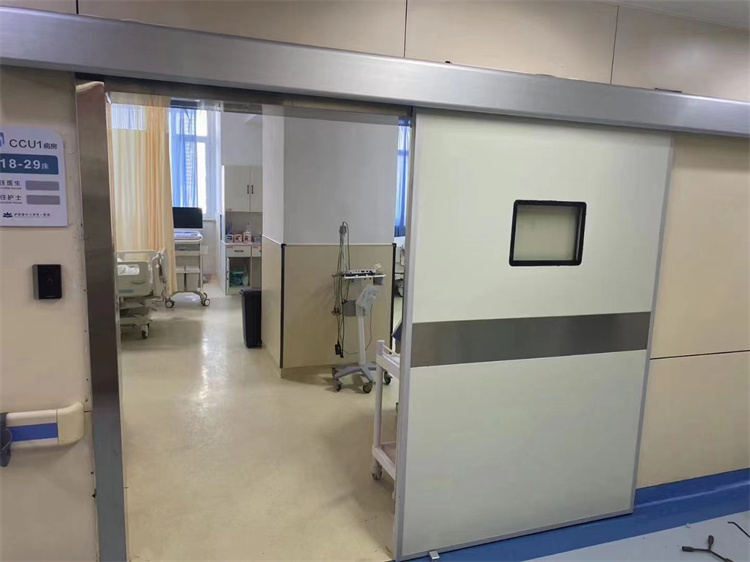
Single-leaf lead door, as the name implies, consists of just one door panel and is suitable for smaller entryways. This lead door structure is relatively simple and is commonly used in spaces with limited space, such as laboratories, small medical radiology departments, etc. The single-leaf lead door is more flexible in opening and closing, easy to operate, and due to its single structure, the cost is relatively lower.
Single-leaf lead door opening and closing method
Single-Sided Swing: This is the most common opening method for single-leaf lead doors. The door leaf is connected by hinges and can open to one or both sides. In smaller spaces, the single-sided swing provides ample passage while maintaining a simple structure and easy operation.
Double-leaf Lead Door Introduction
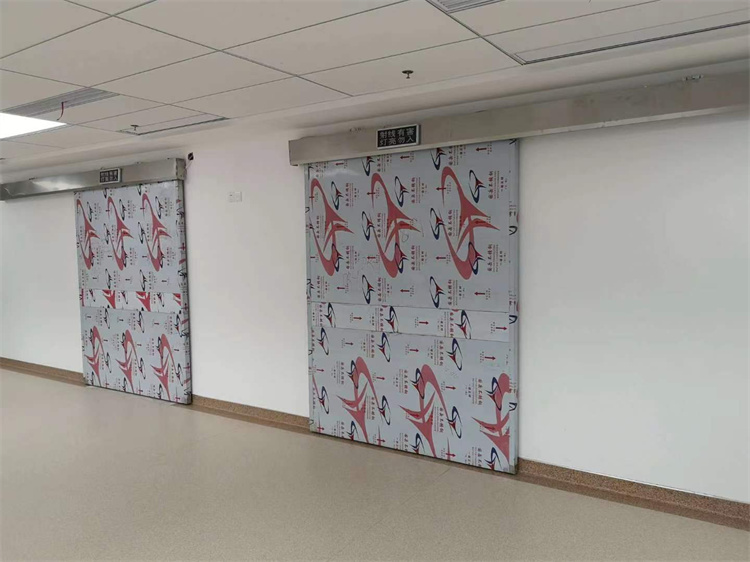
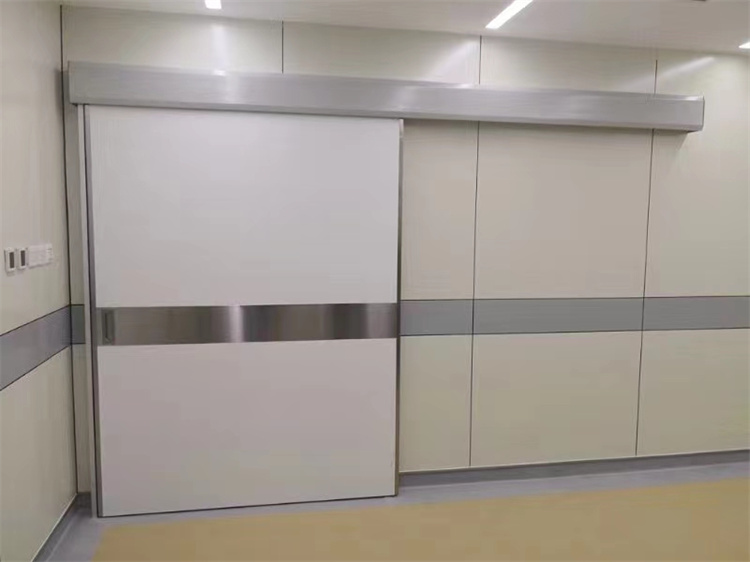
A double-leaf lead door consists of two panels with a certain distance between them, allowing for separate or simultaneous opening. This type of lead door is suitable for larger entrances and exits, such as in large medical radiology departments and radiotherapy rooms, where ample passage space or frequent entry and exit is required. The double-leaf lead door offers significant advantages in terms of protection, passage space, and safety.
The features of the double-leaf lead door include:
Safety and Reliability: Made with high-quality lead material, offering strong impact resistance and anti-theft features, effectively preventing illegal intrusion.
Convenient Access: The two doors can be opened separately or simultaneously, making it very convenient for users to enter and exit without having to wait for others.
High space utilization: Compared to traditional single-door designs, double-leaf lead doors require only half the width to enter, thereby saving indoor space and better accommodating narrow passages.
High durability: Made with special process, surface treated for corrosion and rust resistance, designed to withstand harsh environments for extended periods without damage.
Double-leaf lead door opening and closing method
Double-Swing Doors: Ideal for spacious corridors, these doors open outward on both sides, leaving a clear passage in the middle to provide greater access space. This opening method effectively accommodates the needs of large groups of people or large equipment entry and exit.
询价单


