



Raw rubber or compounded rubber viscosityThis can be used to characterize the molding properties of semi-finished products before vulcanization, affecting production efficiency and the quality of the finished products. An appropriate viscosity is crucial for processes such as mixing, calendering, extrusion, and vulcanization of the rubber material.
The viscosity of raw rubber primarily depends on the molecular weight and its distribution. The higher the molecular weight and the narrower the distribution, the greater the rubber's viscosity. Adjusting the molecular weight and distribution of the rubber can modify the viscosity of the raw rubber. Both excessively high and low viscosities are detrimental to the processing technology. High viscosity rubber materials have poor fluidity, affecting both the processing technology and the quality of the finished products. On the other hand, low viscosity rubber may not generate sufficient shear force during mixing, which is不利于 subsequent operations.

How can we adjust the viscosity of the rubber compound to meet the processing requirements?
1. The nature and amount of the filler significantly impact the viscosity of the rubber compound. Carbon black reinforcing fillers (environmentally friendly blowing agent OBSH, environmentally friendly accelerator) have a considerable effect on the rubber compound's viscosity. As the particle size of carbon black decreases, the structure and amount increase, leading to a higher viscosity of the rubber compound. The smaller the particle size, the greater the impact on the rubber compound's viscosity.
2. Softening plasticizers are one of the main factors affecting the viscosity of rubber compounds, significantly reducing the viscosity, lowering the brittleness temperature, improving the flow of the compound, and making the compound softer. Within a certain range, appropriately increasing the softener can lower the viscosity of the compound, enhancing its fluidity. The impact of different softeners on the viscosity of the compound varies.
3. Plasticization is a crucial process in rubber processing, which reduces the molecular weight of raw rubber and the viscosity of rubber compounds, enhancing their plasticity and fluidity. Plasticizers can be added to raw rubber to improve the plasticization effect, reduce energy consumption, adjust the viscosity of the rubber compound, and activate accelerators M/DMA, which can accelerate the plasticization process and thereby lower the viscosity of the rubber compound.
4. Temperature significantly affects the viscosity of rubber; as the temperature rises, viscosity decreases. The extent of viscosity decrease varies among different types of rubber when the temperature increases. For instance, nitrile rubber and reclaimed rubber are more affected by temperature, experiencing a greater decrease in viscosity; natural rubber is less affected by temperature, with minimal viscosity decrease. Therefore, it is crucial to strictly control the molding temperature during the processing of different types of rubber.
Many factors affect the viscosity of rubber compounds, including the type of raw rubber, molecular weight distribution, pressure, and time. In actual production, it is essential to rationally design the processing technology and operations based on different types of rubber compounds, as well as to formulate a reasonable recipe to ensure the rubber compound's viscosity meets processing requirements.
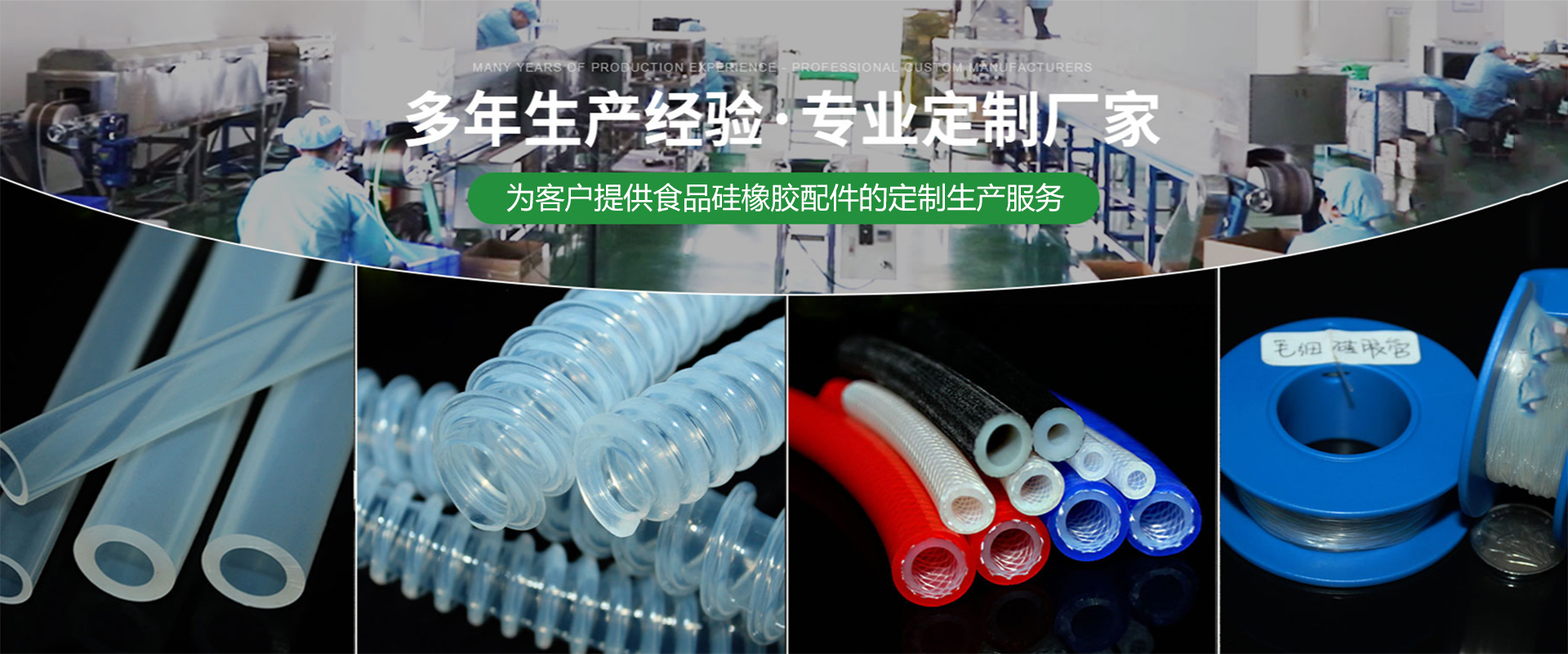
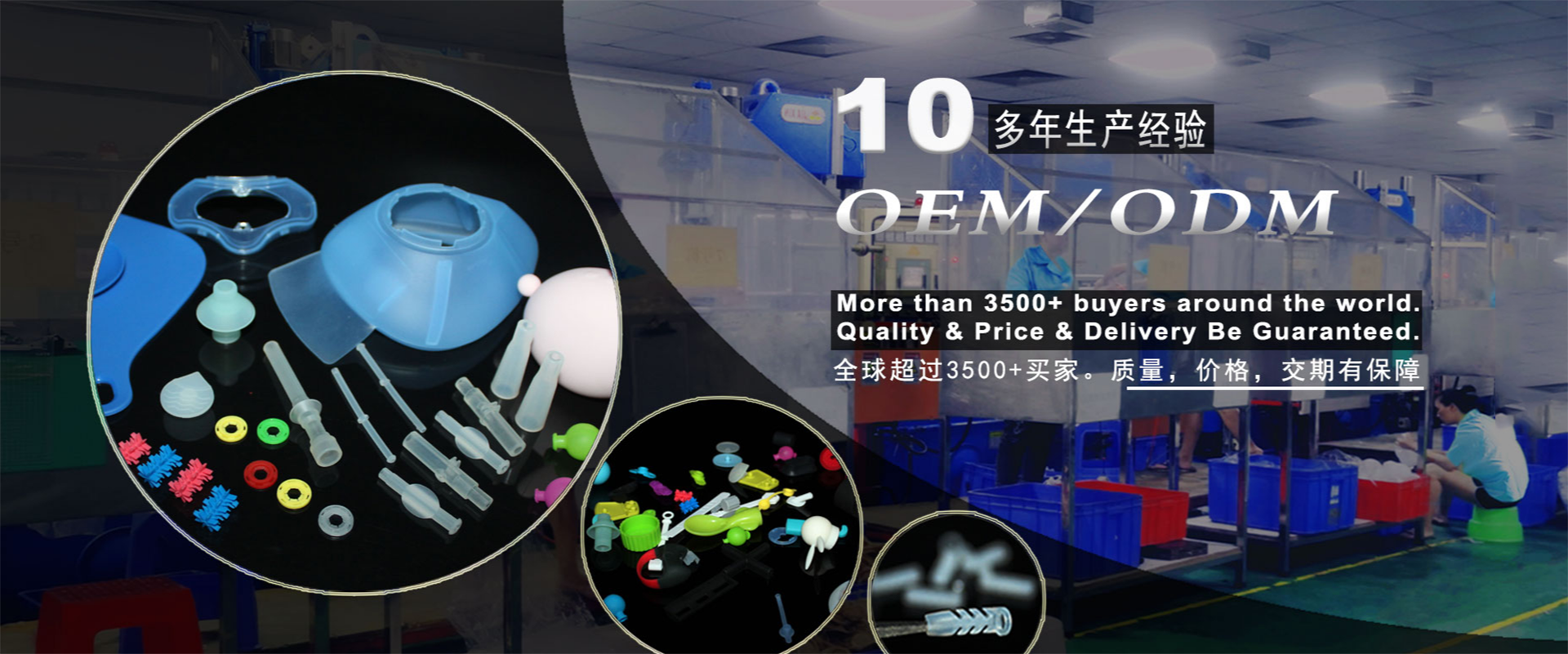
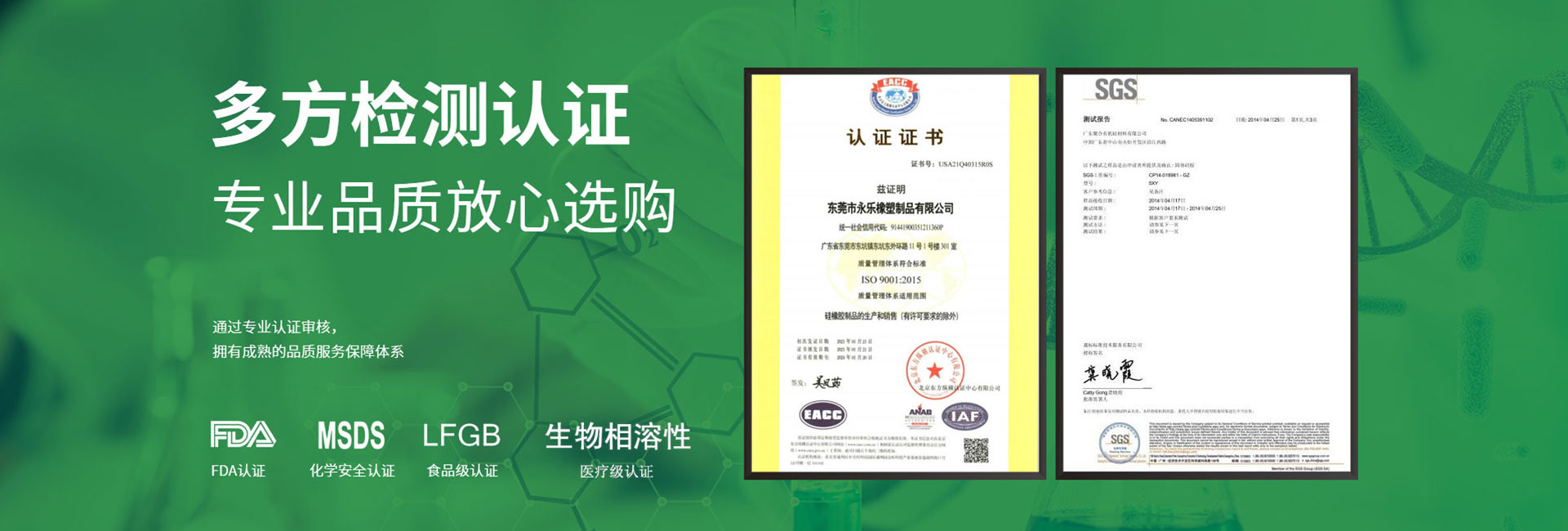
Yongle Rubber & PlasticOur company has successfully passed the ISO9001 certification. We specialize in manufacturing platinum silicone tubes, peristaltic pump silicone tubes, food molding silicone components, as well as custom production of silicone and plastic product sealing components. With the competitive strategy of "Better Products, Better Services, Better Image," we continuously drive transformation and management innovation to enhance our overall corporate competitiveness.
