

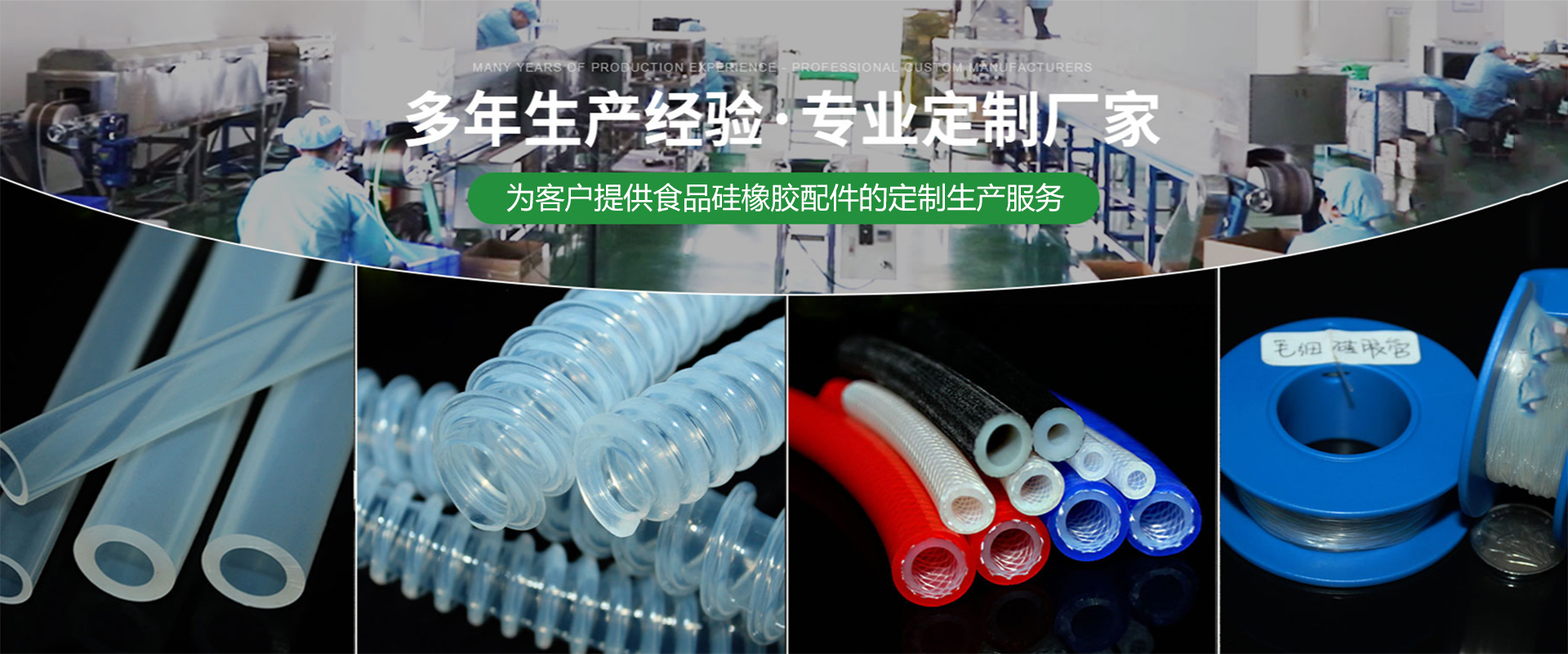
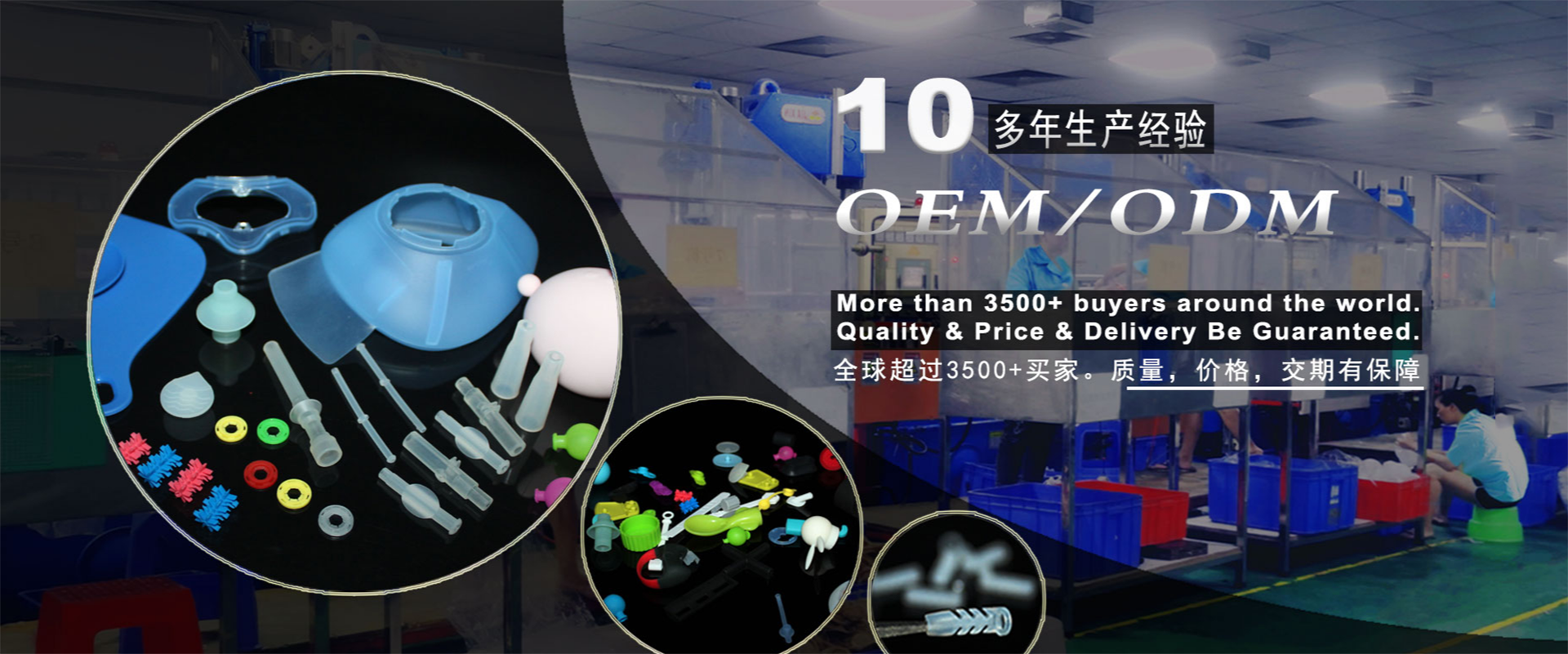


Products primarily made from silicone are referred to as processed goods.Silicone ProductsSilica gel is a porous material with varying particle sizes, formed by the appropriate dehydration of silica gel, featuring an open-porous structure that can adsorb many substances. It is an excellent desiccant, adsorbent, and catalyst carrier for silicone products. What factors affect the quality of silicone products?
1. Viscosity, Definition of a Scientific Term: The volume property of a liquid, semi-liquid, or semi-solid material that resists flow, which is the internal friction or flow resistance between molecules when the silicone key flows under the action of an external force. Generally, viscosity is proportional to hardness.
2. Hardness refers to the ability of a material to resist indentation by a hard object on its surface. Silicone rubber has a hardness range of 10 to 80 Shore A durometers, which provides designers with ample freedom to select the required hardness for achieving specific functions. By mixing polymers, fillers, and additives in different proportions, various intermediate hardness levels of liquid silicone can be achieved. Similarly, the curing time and temperature can also alter the hardness without damaging other physical properties.
The tensile strength of silicone products refers to the force required per unit area to tear a sample of rubber material. The tensile strength range of thermally cured solid silicone rubber is between 4.0-12.5 MPa, while that of fluorosilicone rubber is between 8.7-12.1 MPa. The tensile strength range of liquid silicone rubber is between 3.6-11.0 MPa.

Silicone products offer what performance characteristics??
High-temperature performance is a notable feature of silicone rubber products. Although the strength of silicone rubber at room temperature is only half that of natural sealing rubber or some synthetic rubbers, at temperatures above 200°C, silicone rubber can still maintain a certain degree of flexibility, resilience, and surface hardness, with no significant changes in mechanical properties.
The glass transition temperature for low-temperature performance silicone rubber products typically ranges from -70℃ to -50℃, with special formulations capable of reaching -100℃. This indicates exceptional low-temperature properties, which are of significant importance to the aviation and aerospace industries.
The silicone rubber in weather-resistant silicone has excellent stability against oxygen, ozone, and ultraviolet rays, even without any additives, demonstrating superior weather resistance.
4. Electrical Performance: Silicone rubber boasts excellent insulation properties, as well as superior resistance to corona and arc discharge.
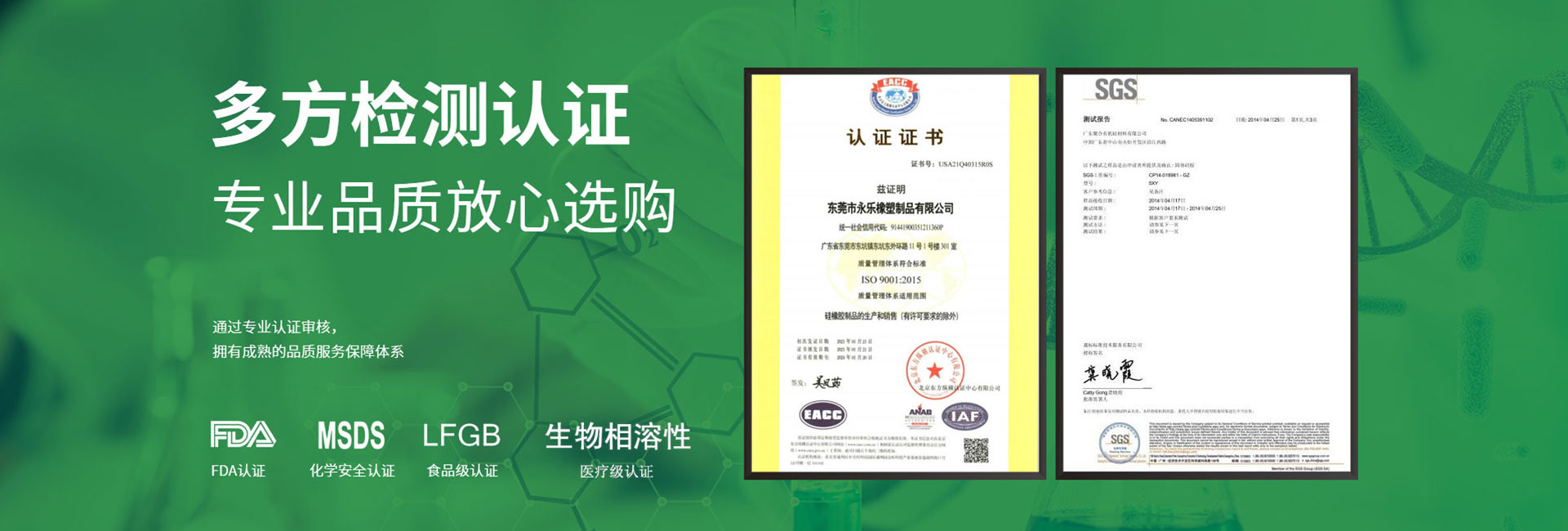
Yongle Rubber & PlasticThe company has successfully passed the ISO9001 certification. We specialize in the production of platinum silicone tubes, peristaltic pump silicone tubes, food mold silicone molding parts, and silicone products, as well as customized production of seal components for plastic products. With the competitive strategy of "Better products, better service, better image," we continuously drive transformation and management innovation to enhance our comprehensive corporate competitiveness.
