


ImpactSilicone ProductsAnalysis of the reasons for failed inspections: The hygiene and safety of silicone products are a highly regarded issue in Europe and the United States. Multiple instances of export silicone products failing pre-inspection and random sampling have been found. The unqualified hygiene standards of silicone products require us to address and improve the following three aspects of silicone products: poor quality control of raw materials.
Some factories do not sufficiently prioritize the quality control of raw materials used in kitchenware production. They have used substandard silicone materials, which are of lower quality grades, for the production of food utensils without conducting proper raw material inspections. Additionally, they have employed unqualified colorants and additives during the production process for coloring purposes, resulting in unsanitary products.
Non-standard production processes have led to issues due to the unique safety requirements of silicone tableware. Food-grade silicone products demand stringent production standards, necessitating sufficient time for sealing rings to remove volatile substances after product molding. Some factories, in pursuit of efficiency, fail to meet the required processing time, resulting in subpar product usage conditions. The EU and other countries demand product testing in accordance with their anticipated strict usage methods. Most factories produce based solely on liquid silicone customer samples, lacking understanding of the product's intended use and conditions. This leads to a lack of preparedness when facing third-party inspections and can even result in products being used in ways that are significantly at odds with their anticipated usage conditions.
Silicone ProductsThe secondary vulcanization, also known as post-vulcanization, serves a crucial role in silicone product factories. When silicone rubber is vulcanized using peroxides, the decomposition of these peroxides triggers a polymer reaction, resulting in the formation of low molecular compounds (such as benzene and benzoic acid) within the rubber. These compounds can adversely affect the mechanical properties of the rubber.

SiliconeOur granular, glassy, and porous silica is synthesized to produce sodium silicate, with silicone having a higher hardness compared to common household gelatin and agar. It is a naturally occurring mineral that can be refined and processed into any granular or bead form, suitable for use in soft shoe insoles, sex toy accessories, sealing components for bags, shoulder pads, soft toy gifts, fishing bait, and more. Now, what are the advantages of molded silicone products?
1. Withstanding extreme temperatures (-30°C to +260°C).
2. Waterproof, fireproof, and dustproof.
3. High tensile, tear-resistant, seismic-resistant, stable performance, rubber products.
Highly wear-resistant, pressure-resistant, soft, odorless and tasteless, and environmentally friendly.
Achieving food-grade and various export certifications, it is commonly used as a catalyst carrier in fluidized bed operations. When used as a catalyst carrier, it typically involves immersing silica gel in a solution containing active components of catalytic rubber keys, allowing the solution to be absorbed into the pores of the silica gel. After drying and activation procedures, the active components are distributed on the surface of the silica gel. The pore structure of the silica gel significantly influences the properties of the prepared supported catalyst, such as the pore volume and pore size distribution.
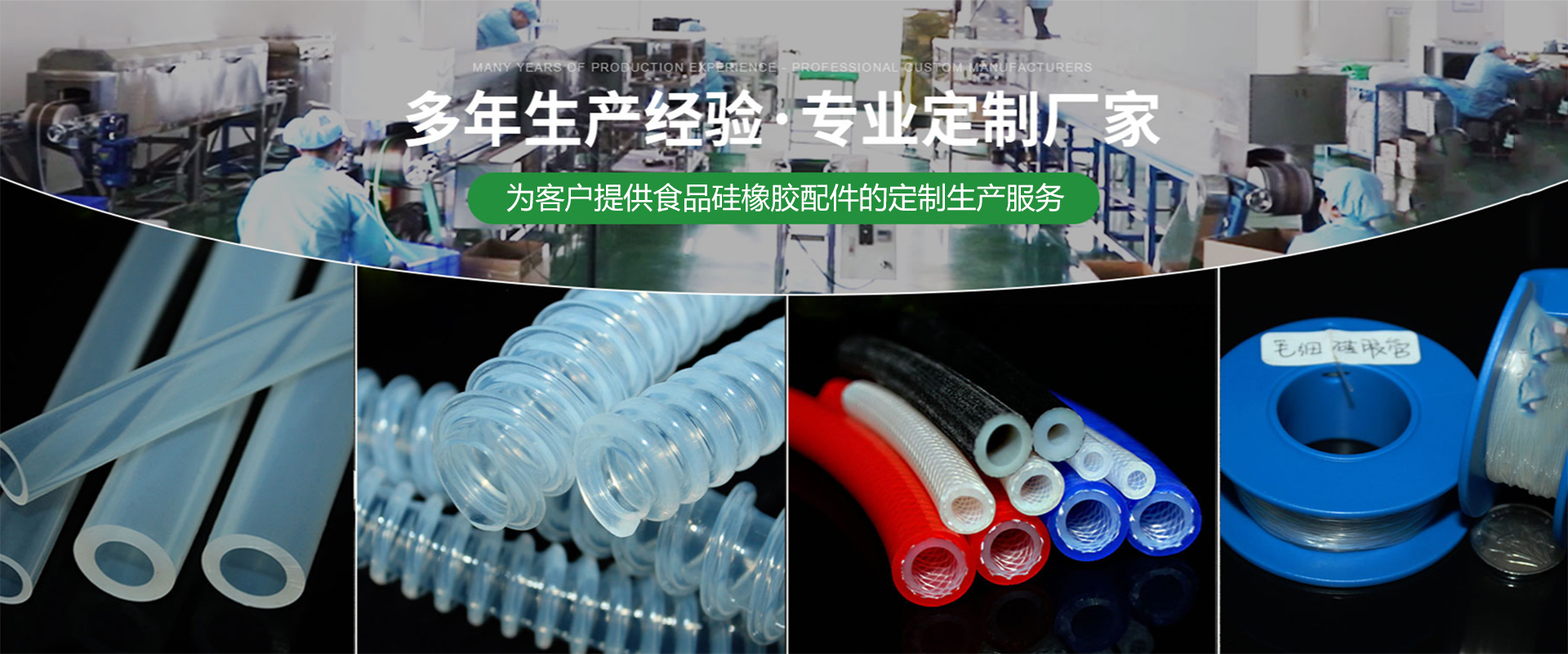
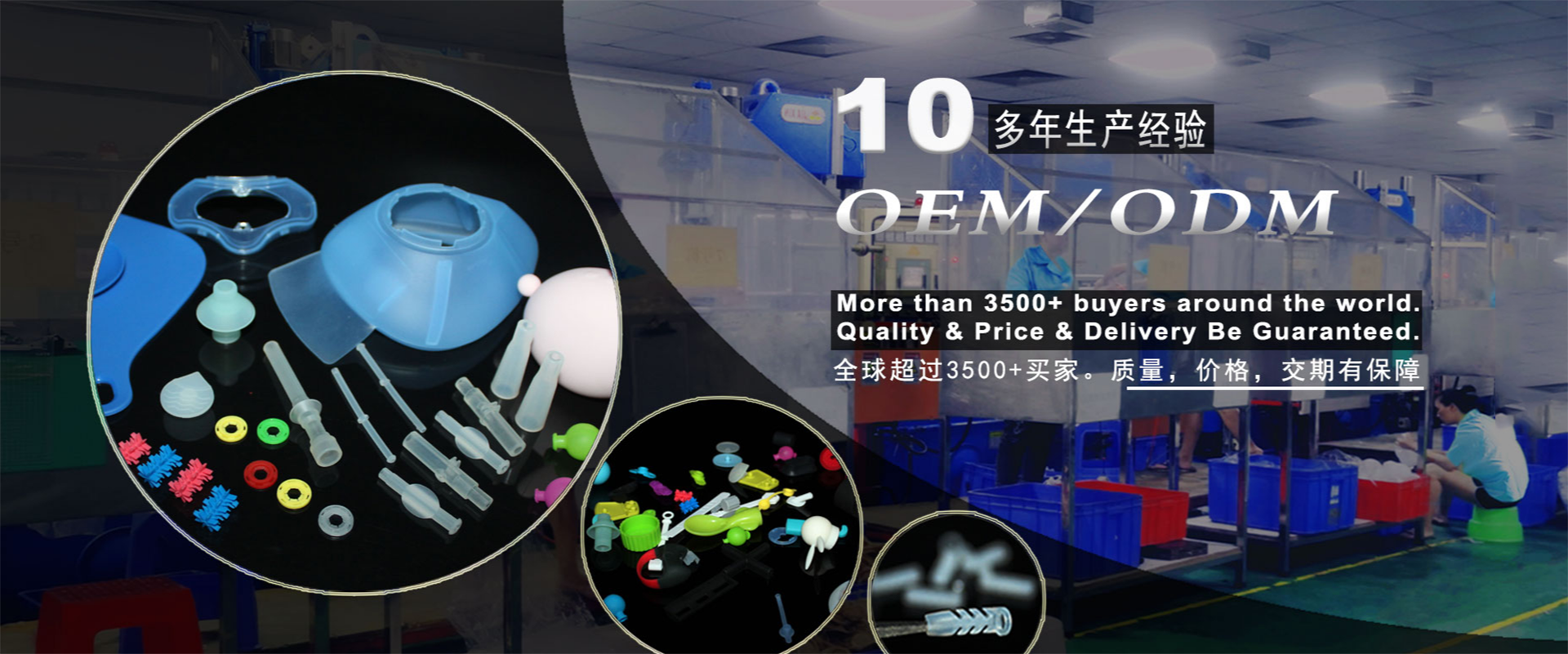
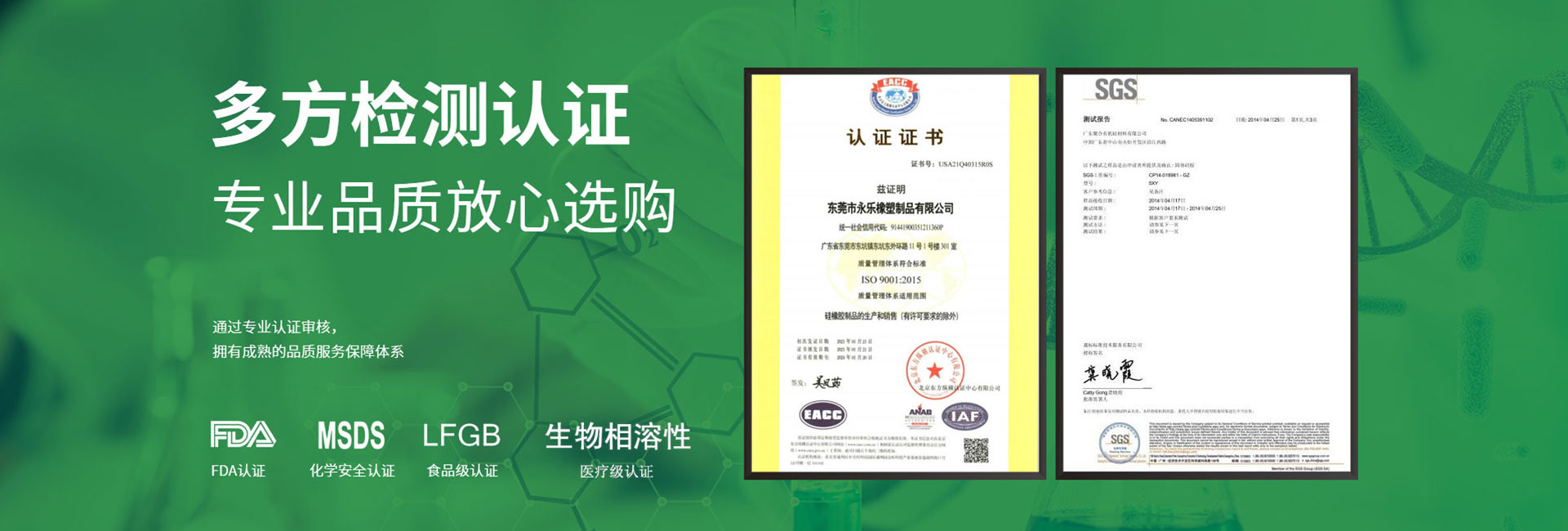
Yongle Rubbers & PlasticsThe company has successfully passed the ISO9001 certification. We specialize in manufacturing platinum silicone tubes, peristaltic pump silicone tubes, food molding silicone components, and silicone products. We also offer customized production of sealing components for plastic products. Our competitive strategy revolves around "Creating Better Products, Providing Better Services, and Establishing a Better Image." We continuously strive for transformation and management innovation to enhance our overall corporate competitiveness.
