



With excellent self-lubricating properties, it can be confidently used in seals where lubrication is not feasible. The simple and convenient installation of silicone buttons is due to their simpler construction compared to other types of sealing components.
Silicone O-rings exhibit excellent environmental adaptability. After being subjected to high-temperature heating, they maintain their original shape and condition, ensuring complete non-deformation and not producing any harmful substances in high-temperature environments.
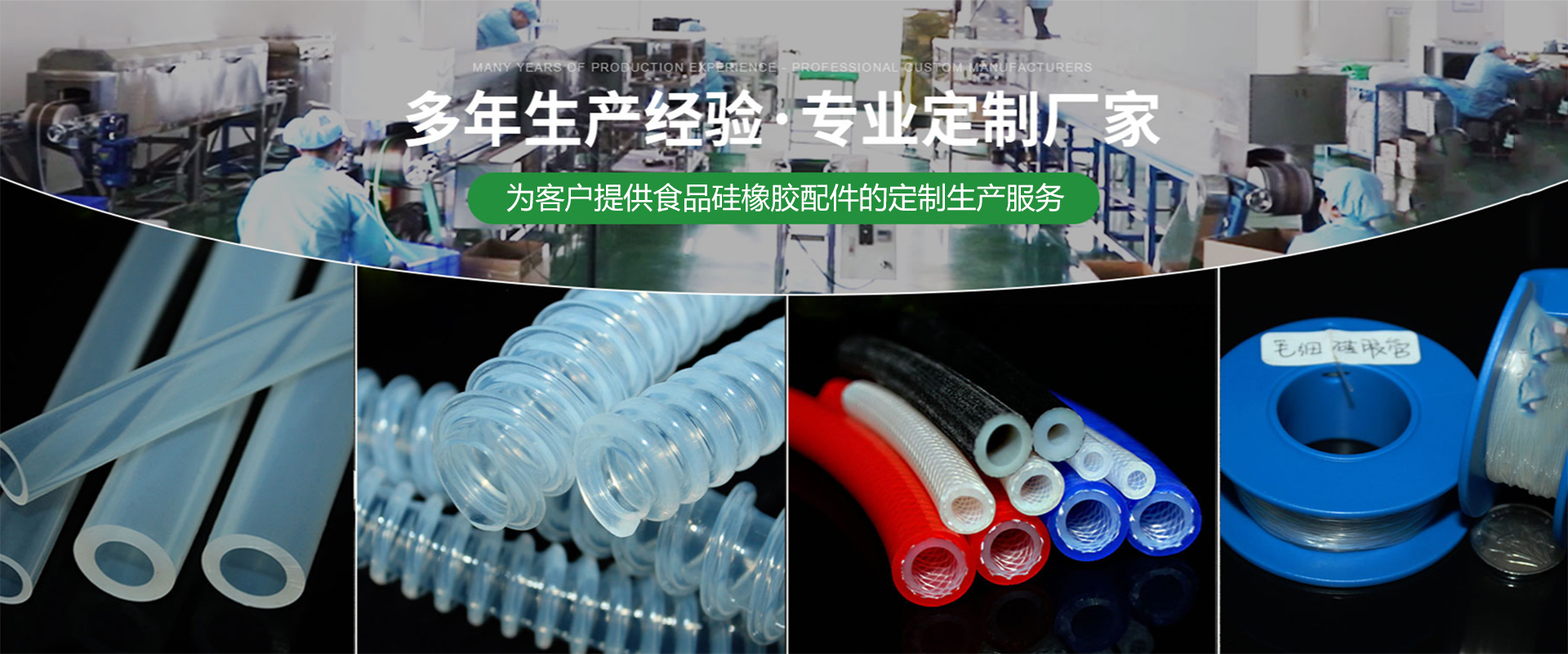
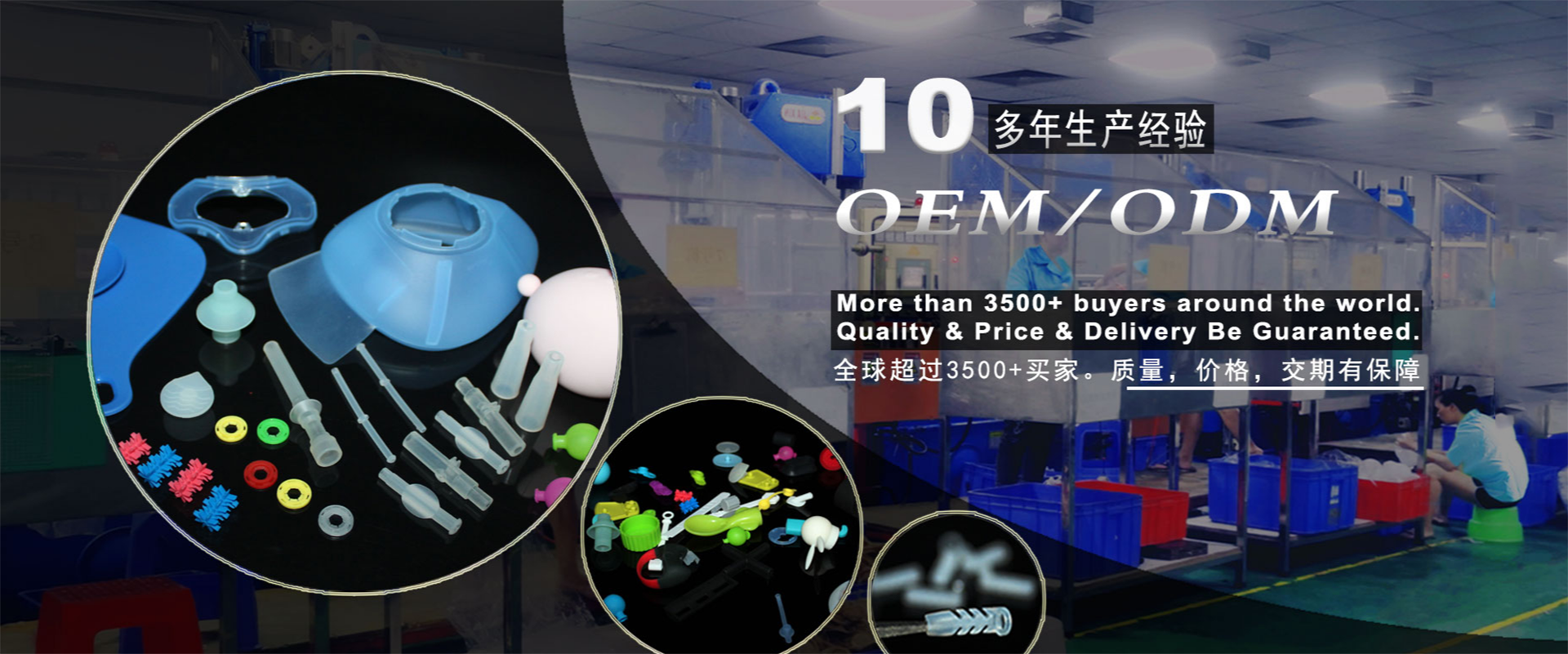
Silicone rubber has a wide range of applications, capable of producing various models and industrial accessories, including silicone tubes, baby bottle nipples, silicone strips, pacifiers, silicone tableware, O-rings, washers, leather bowls, oil seals, valves, shock absorbers, diaphragms, medicine bottles, and silicone sealing rings.
Nitrile rubber O-rings exhibit excellent oil resistance, ranking second only to polysulfide and fluorinated rubber. They also boast excellent wear resistance and airtightness. However, nitrile rubber has its limitations, as it is not resistant to ozone and aromatic, halogenated hydrocarbons, ketones, and esters, making it unsuitable for insulating materials. Nitrile rubber has better heat resistance than styrene butadiene rubber and chloroprene rubber, allowing for long-term operation at temperatures up to 120°C. Its airtightness is second to butyl rubber. The properties of nitrile rubber are influenced by the acrylonitrile content; as the acrylonitrile content increases, the rubber's tensile strength, heat resistance, oil resistance, airtightness, and hardness improve, while its elasticity and cold resistance decrease.
Silicone O-rings are not oil-resistant and are not suitable for most thixotropic solvents, oils, thixotropic acids, and diluted sodium hydroxide.
Silicone O-rings exhibit excellent cold resistance, with ordinary rubber typically ranging from -20℃ to -30℃. In contrast, silicone O-rings maintain good elasticity at temperatures as low as -50℃ to -60℃, and some specialized low-temperature-resistant silicone varieties can withstand even lower temperatures.
Highly wear-resistant, it features automatic elastic compensation at the worn areas of the working sealing ring, thereby extending the service life of the sealing part.
