

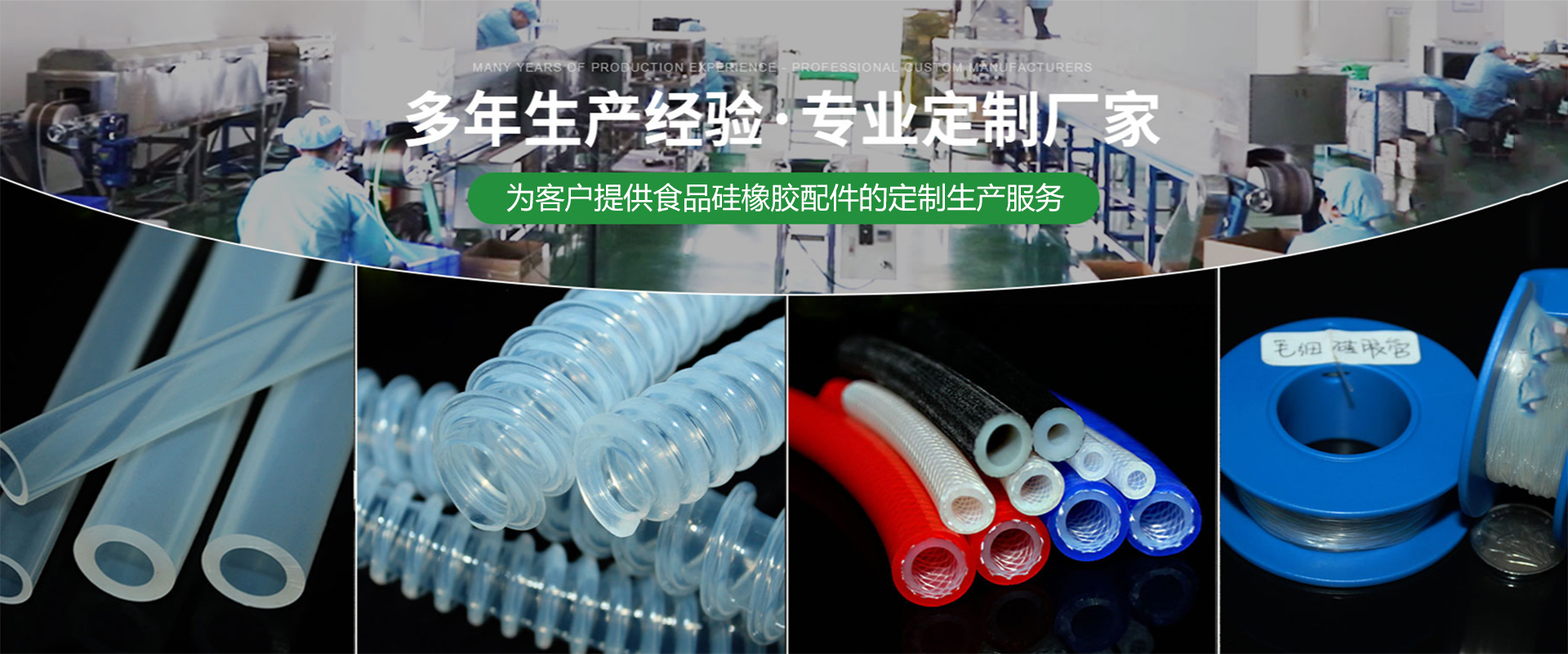
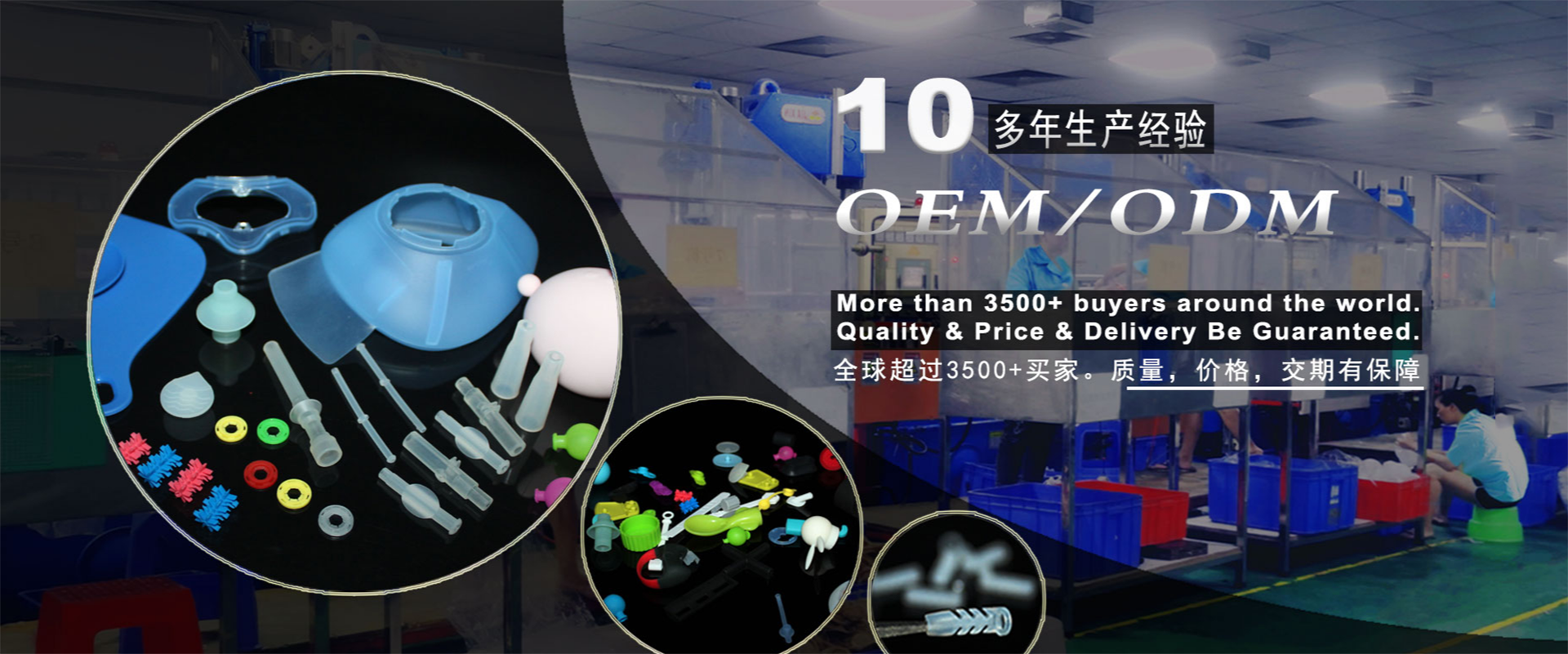

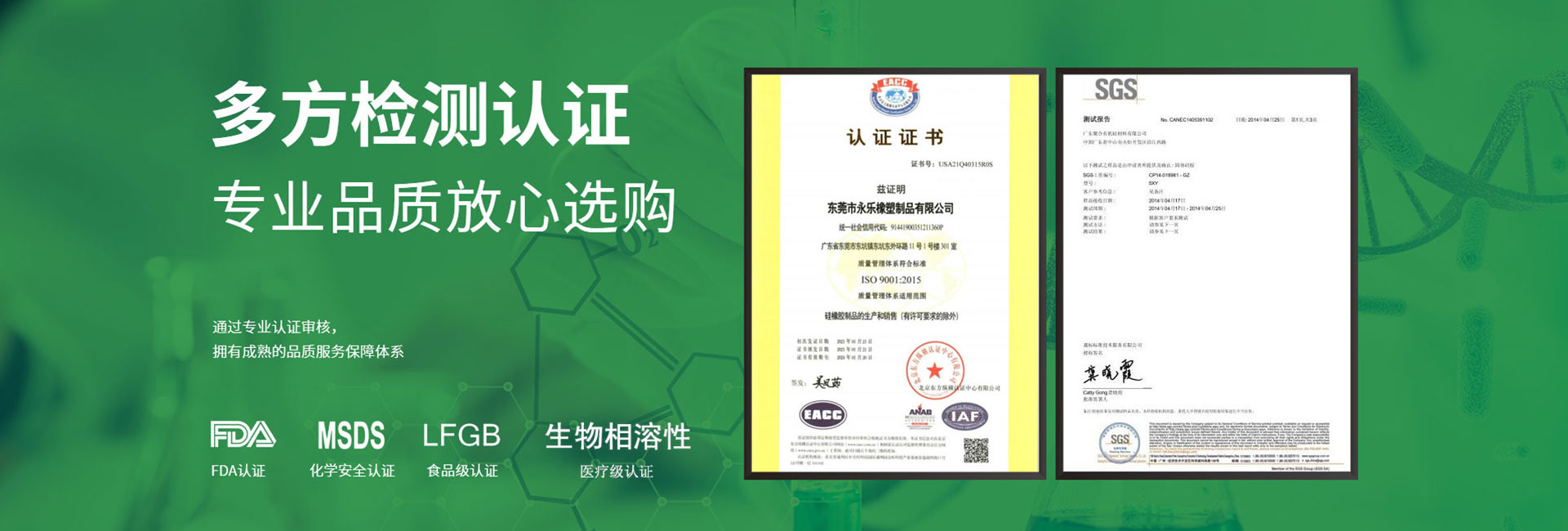

Silicone rubber has a wide range of applications due to its non-toxic nature, non-adhesive properties with other materials, and ability to withstand multiple sterilization processes. It is extensively used in the sanitation and food industries, including for equipment, drinking water systems, sports equipment, electronics, electrical appliances, lighting, audio equipment, toys, security surveillance, automobiles, and industrial machinery and equipment.
Silicone rubber soft joints are linear high polymer elastomers containing silicon-oxygen bonds, thus offering high thermal stability. They also exhibit excellent resistance to ozone, oxygen, light, and weather aging, along with superior electrical insulation properties, anti-mold characteristics, high breathability, and resistance to both cold and heat. Their properties remain unchanged between -70°C and +250°C.
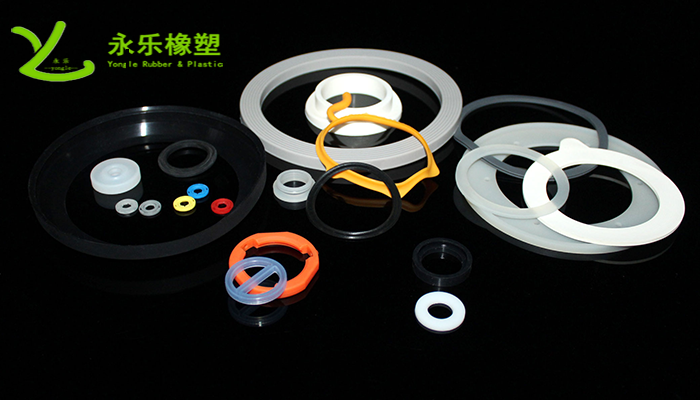
Thermal Conductive Silicone Sheets are a type of thermal medium material synthesized through special processes, using silicone as the base material and adding various auxiliary materials such as metal oxides. They boast excellent thermal conductivity and high-pressure resistance. In the industry, they are also referred to as thermal silicone pads, insulating thermal sheets, soft heat-dissipating pads, and more. They feature five key characteristics: convenience, high thermal conductivity, stability, insulation, and noise and vibration reduction.
Additionally, the silicone products factory's silicone rubber can also serve as a coating and sealant for various electronic tubes or electrical components, offering effects such as moisture resistance, dust prevention, and shock absorption.
