

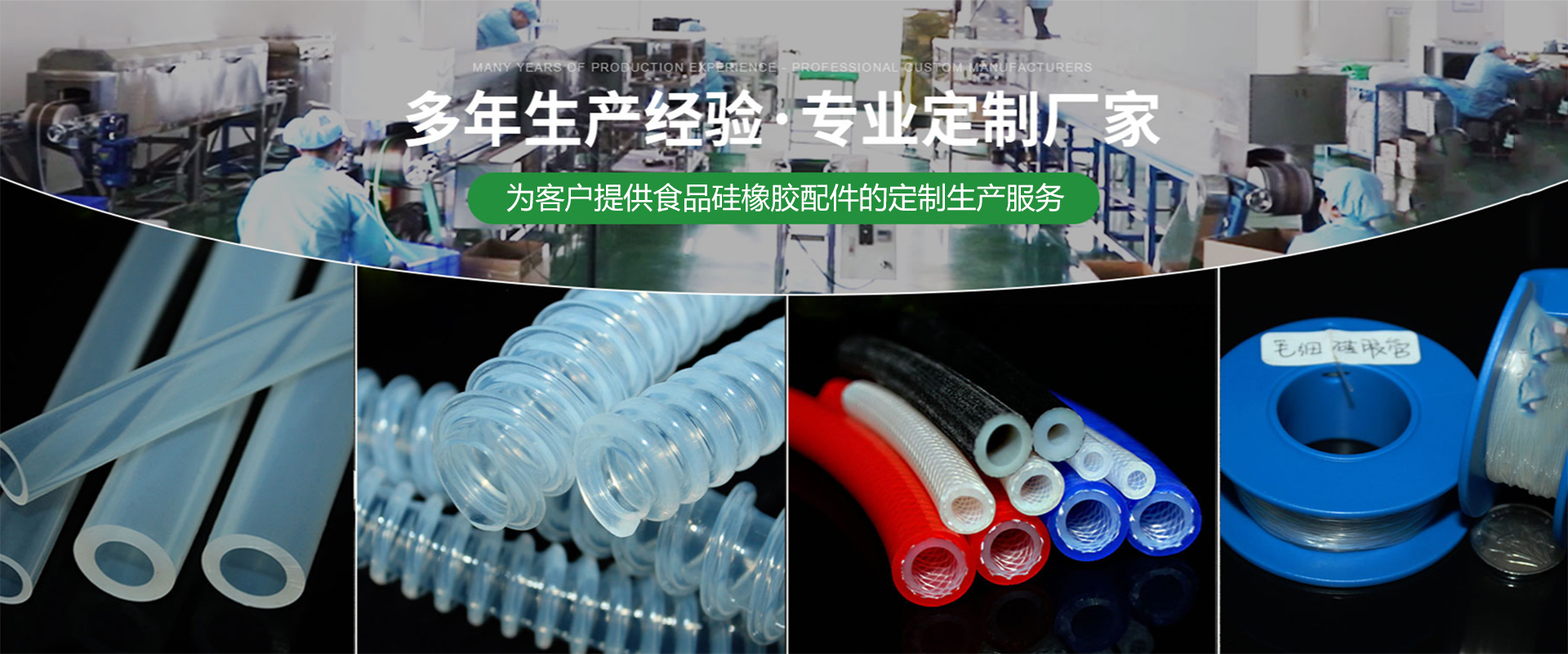



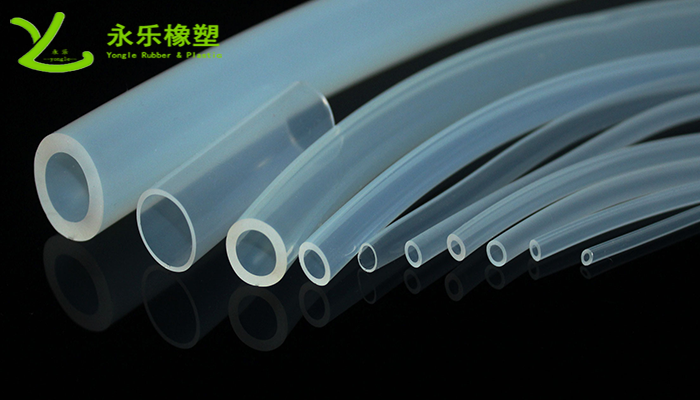
Materials commonly used for household gas pipelines include galvanized pipes, stainless steel corrugated pipes, and aluminum-plastic pipes.Transparent Silicone TubeCorrosion-resistant and heat-resistant with no odor or taste, this pipe material has a shorter lifespan compared to others, but it's more affordable, flexible, and less prone to leaks, making it practical. What are the pros and cons of the other types of pipes?
Galvanized Steel Pipe: Offers excellent corrosion resistance and a long service life, but due to its numerous connections, installation is cumbersome, and it is being phased out by the market.
2. Stainless Steel Bellows: In addition to its strong flexibility and pressure resistance, it also features light weight, corrosion resistance, and high-temperature resistance. Consequently, the majority of our country's gas pipelines are now trending towards the use of stainless steel bellows.
3. Aluminum-plastic pipes: When used as indoor gas pipelines, they can withstand high working pressures and, due to their ability to extend over long distances, require fewer joints. Consequently, their permeability to gases is nearly zero.
Therefore, while silicone tubes are not professionally intended for connecting gas pipelines, they can still be used in everyday life. However, it is crucial to ensure that the tube's mouth size matches the connector size; otherwise, there is a risk of gas leakage.
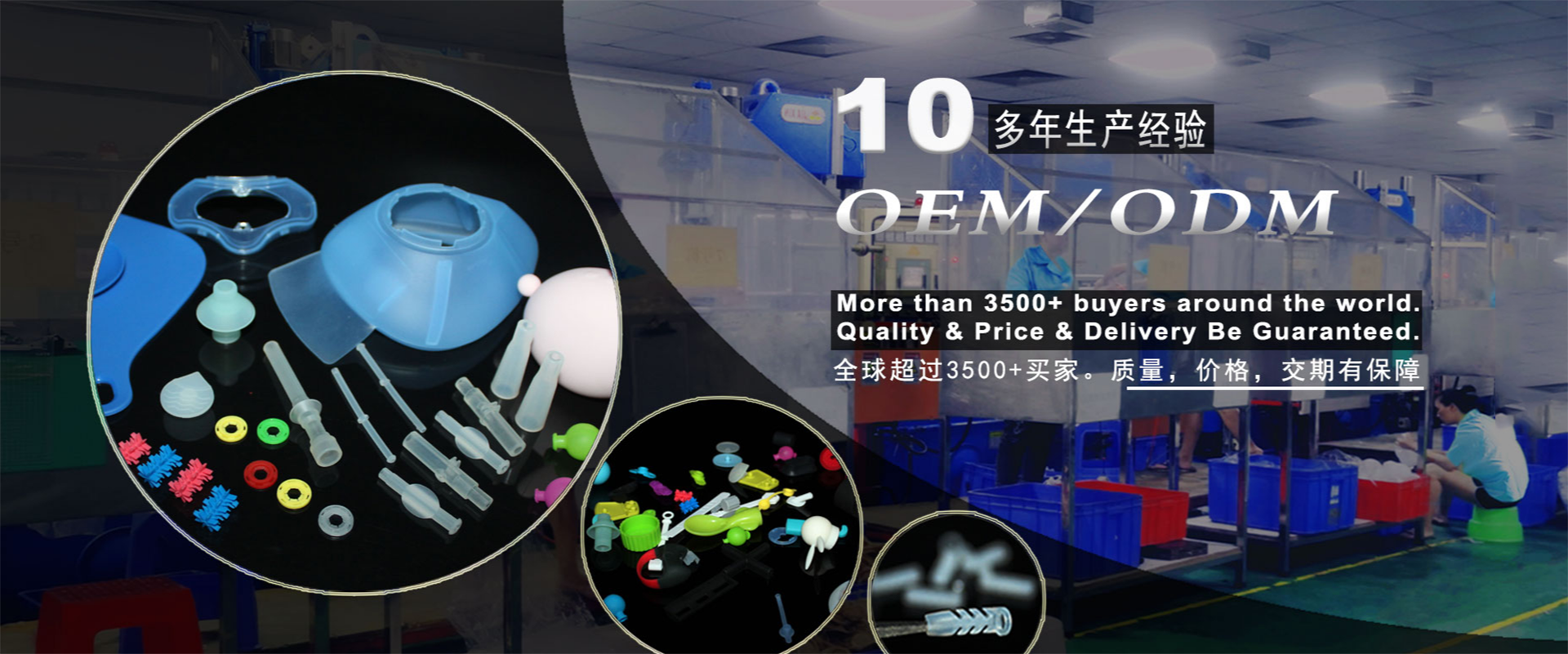
Yongle Rubber & PlasticThe company has successfully passed the ISO9001 certification. Our main products include platinum silicone tubes, peristaltic pump silicone tubes, silicone food molding parts, and silicone as well as customized production of sealing components for plastic products. With the competitive strategy of "better products, better services, and better images," we continuously drive change and management innovation, enhancing the company's comprehensive competitiveness.
