

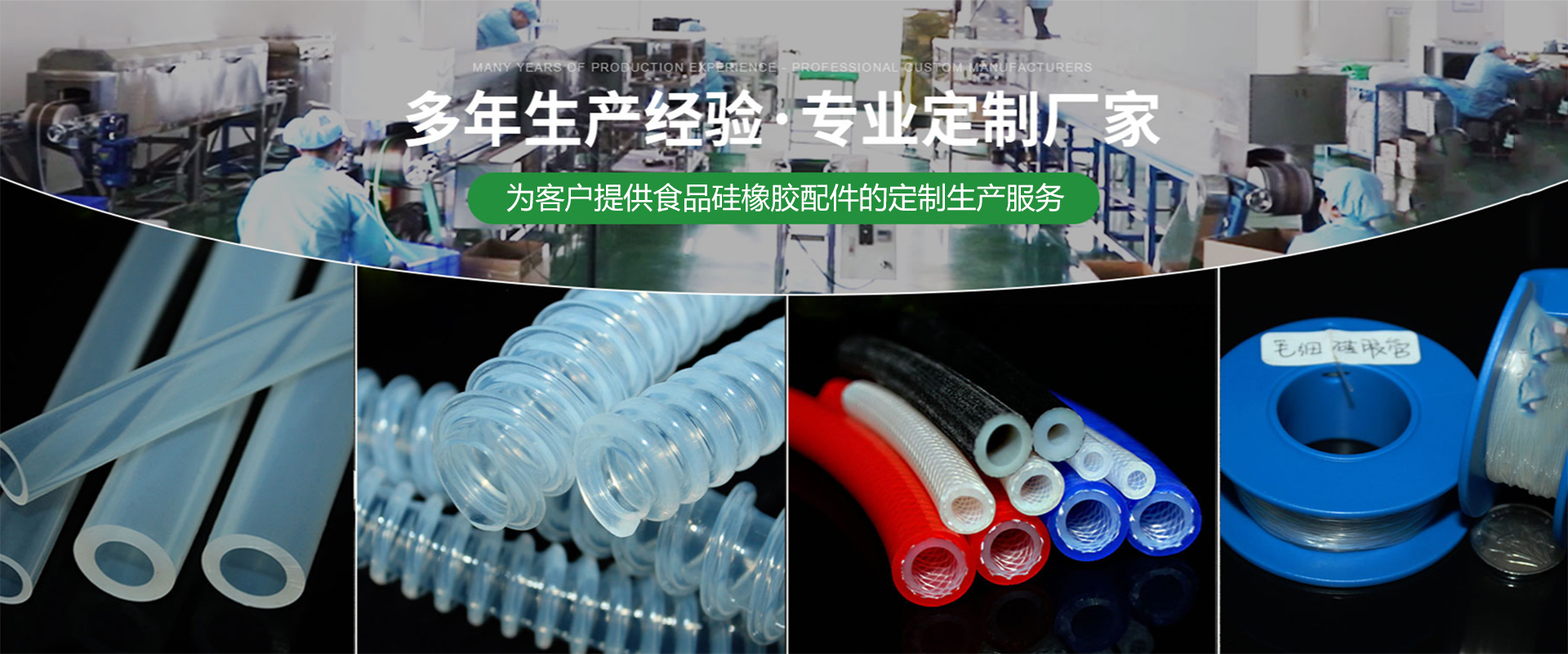



Please provide the Chinese content that needs to be translated into American English.Silicone Heat Shrink TubingDuring the use of our heat shrink tubing, shrinkage rate is a critical indicator. We know that the tubing must be heated to shrink and then wrapped around the respective objects. Our objects come in various shapes, with some being simple tubes of the same longitudinal dimensions, while others have significantly different dimensions. However, we typically require the heat shrink tubing to fully envelop the smaller transverse cross-sectional dimensions of the objects after they have been heated and shrunk.
When the difference in longitudinal cross-section is small, choosing a heat shrinkable tube with a lower shrinkage rate can both reduce costs and improve efficiency, shortening the heating time during the heating process. So how do we calculate our shrinkage rate?
Firstly, regardless of ourSiliconeShrink TubingThe shape, whether round or flat, originates from a circular structure during its initial production process. After the final product is made, it undergoes subsequent processing to take on other shapes. However, when we heat the heat shrink tubing, it effortlessly returns to its natural round shape. Therefore, our calculations are based on the circle, which is crucial. Many customers use flat heat shrink tubing and are accustomed to disregarding the length and width dimensions when viewing the size.
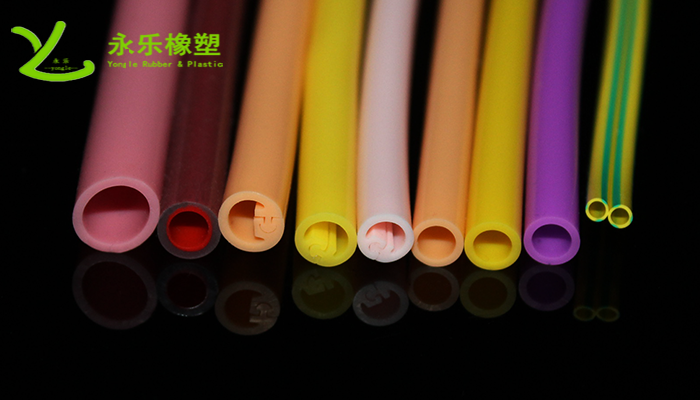
Silicone Heat Shrink TubingShrinkage rate refers to: measuring the inner diameter (R1) of the heat shrinkable tube in its expanded state, then heating it to shrink back to its fully contracted state. At this point, measure the inner diameter (R2), with R1:R2 being the shrinkage rate. For double-wall heat shrinkable tubes, the inner diameter we refer to here is the inner diameter of the adhesive layer. However, during the heating and shrinking process, the adhesive layer flows into an irregular shape, making it difficult to measure.
For double-wall silicone heat shrink tubes, there are typically two methods to calculate the retracted inner diameter: one involves calculating only the sheath layer's inner diameter, and the other calculates the heat shrink tube's inner diameter during extrusion. Due to the errors inherent in both methods, the actual shrinkage rate of the heat shrink tubes is usually slightly greater than the nominal shrinkage rate specified in the design.
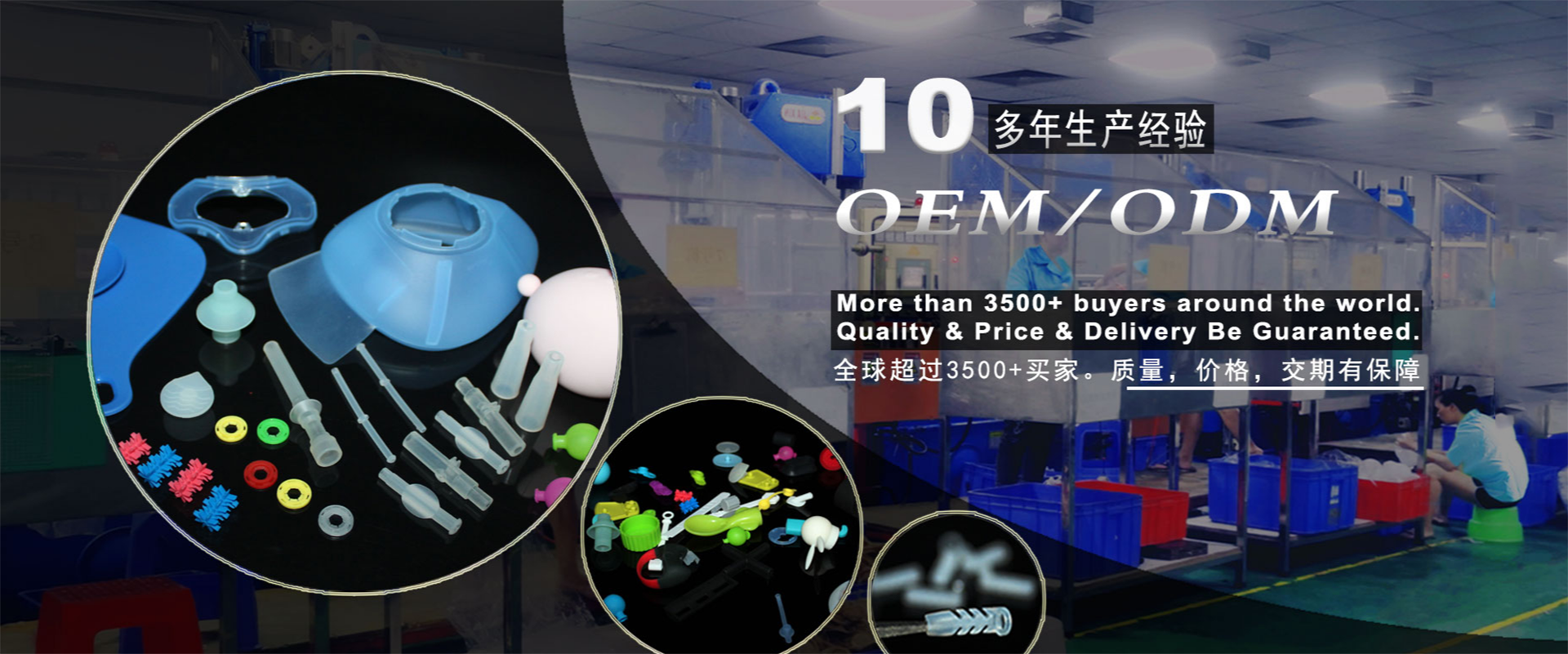
Yongle Rubber & PlasticThe company has successfully passed the ISO9001 certification. We specialize in manufacturing platinum silicone tubes, peristaltic pump silicone tubes, food molding silicone moldings, and silicone products. Additionally, we offer customized production of sealing components for plastic products. Our competitive strategy revolves around "Creating Better Products, Providing Better Services, and Establishing a Better Image," and we continuously strive for transformation and management innovation to enhance our overall corporate competitiveness.
