
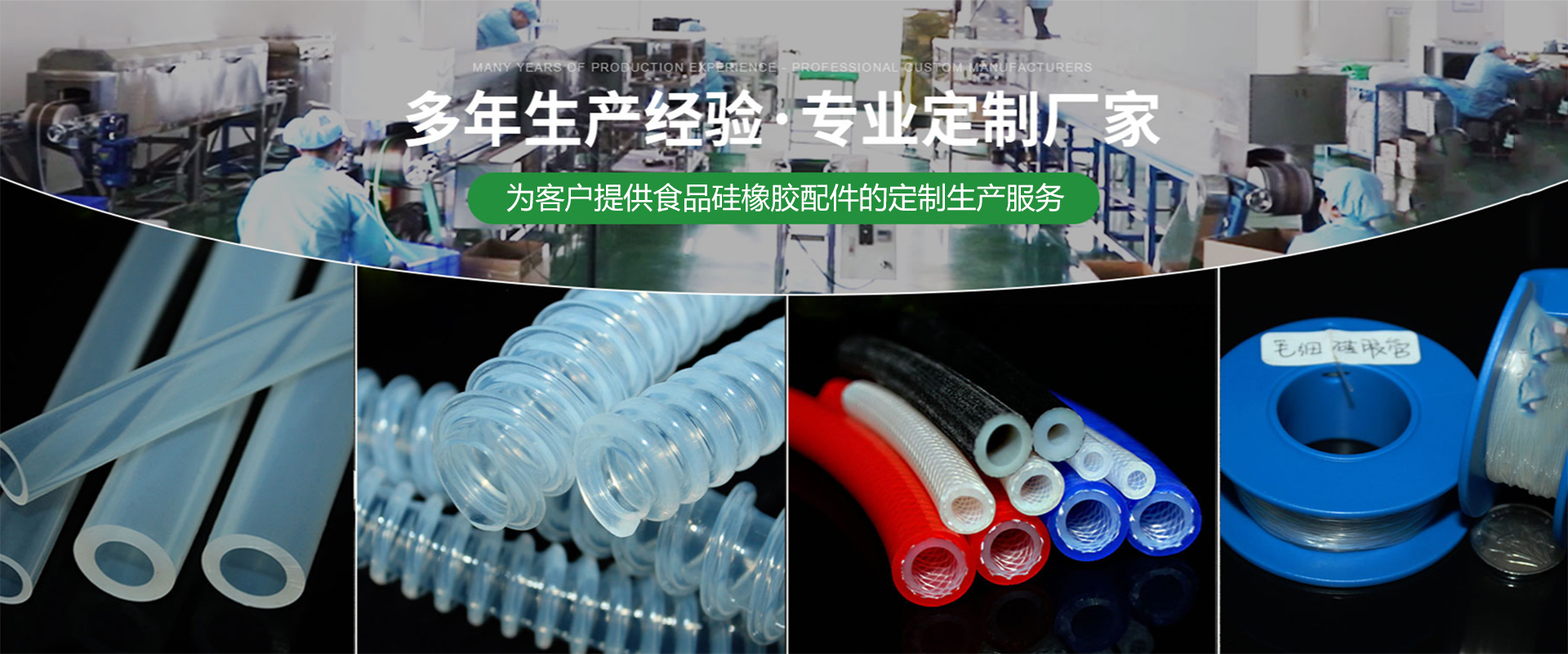


SameSilicone TubeProduct formulations usually differ between summer and winter due to seasonal environmental temperature changes. I typically adjust the amounts of accelerators and vulcanizing machines to distinguish between the two, with lesser quantities used in summer compared to winter. I'm curious to know how others handle this! We encountered a similar situation when refining nitrile rubber: the winter formula, which performed well, resulted in shorter curing times and extruded products with cured rubber particles or irregular lumps in summer, affecting the product's surface quality and uncovering a range of quality issues only apparent after lag time. As a result, we implemented measures to reduce the use of accelerators and vulcanizing agents to extend curing times, while also ensuring minimal changes in the proper curing time to maintain the stability of the extrusion process and production efficiency. The results have proven to be quite satisfactory!
During the summer, the main concern is scorching. The scorch time needs to be extended to prevent vulcanization during the refining process or during storage. Generally, there are no issues if the formula is properly mixed; our formulas do not differentiate. We are currently facing this situation. In winter, the formula performs exceptionally well. However, recently, the scorch time has been shorter, leading to cured rubber in the extrusion process, making it quite a headache to handle. If the formula is designed reasonably, it can be seasonless. However, if the formula is solely designed to achieve rapid vulcanization to reduce costs, it is more prone to the issues mentioned.
In summary, due to constraints, we lack sufficient large air-conditioned rooms. When orders are large and delivery deadlines are short, the amount of rubber processed is substantial, often stored directly in workshops without cooling measures, leading to a shortened curing time for the rubber material. Without an effective temperature-controlled storage facility, the formula must be adjusted during summer and winter. Otherwise, curing issues are inevitable in such weather. I have added CTB anti-curing agent at 0.5 parts, which provides decent results, but it's not as effective as adjusting the curing system formula. Reducing the amount of accelerators and curing agents to extend curing time will undoubtedly affect the material properties of the formula, decreasing cross-linking, lowering TB values, and extending T90, among other effects.
Any adjustments will have some impact on certain properties, as long as these effects remain within the customer's required range. Besides the editor's adjustment methods, adding some anti-caking agents or switching to slower-acting accelerators can also be effective. Regardless of the adjustment method chosen, the bottom line remains: as long as the process objectives are met and the properties are within the customer's requirements, it is a viable solution.
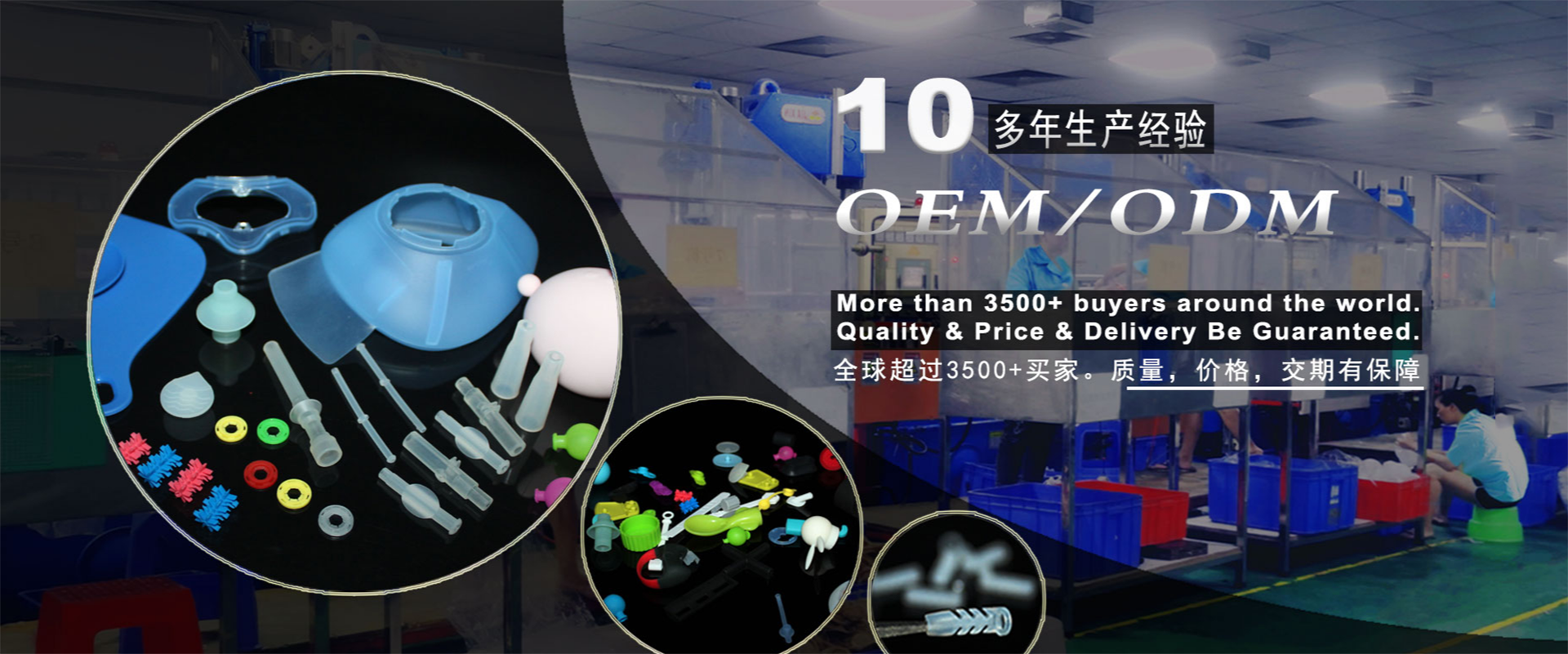
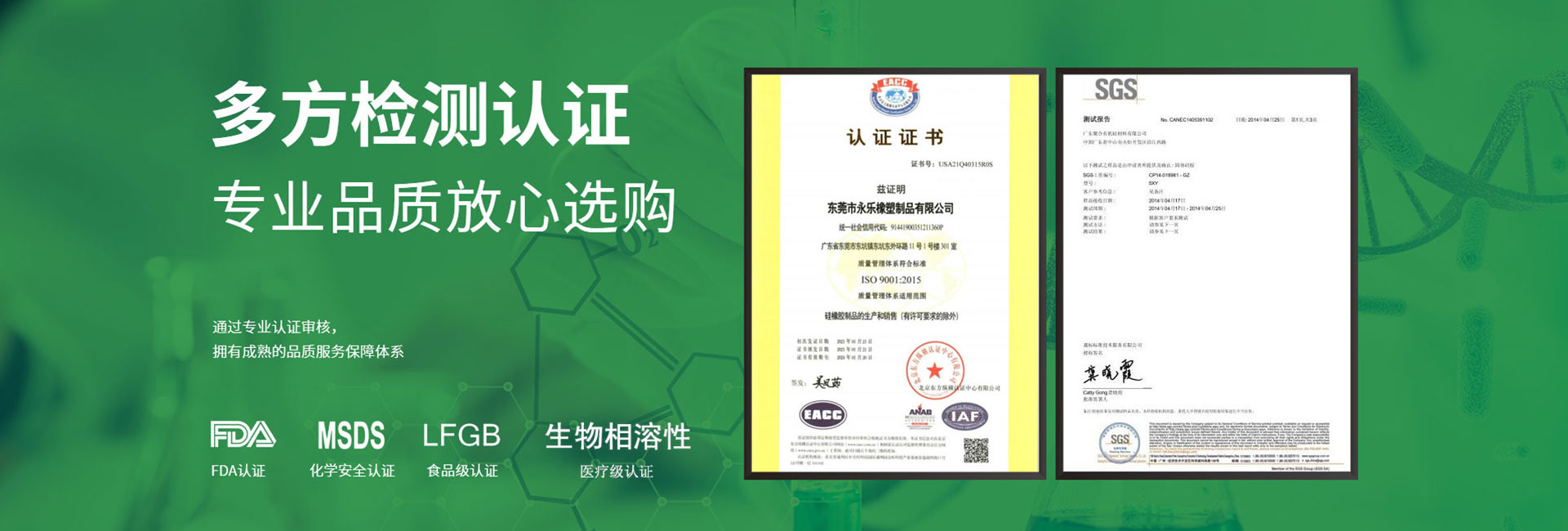
Yongle Rubber & PlasticWe have successfully passed the ISO9001 certification. Our main products include platinum silicone tubes, peristaltic pump silicone tubes, silicone food molding parts, and silicone, as well as customized production of seal components for plastic products. Guided by the three-pronged competitive strategy of "better products, better service, better image," we continuously drive transformation and management innovation to enhance our comprehensive corporate competitiveness.
