
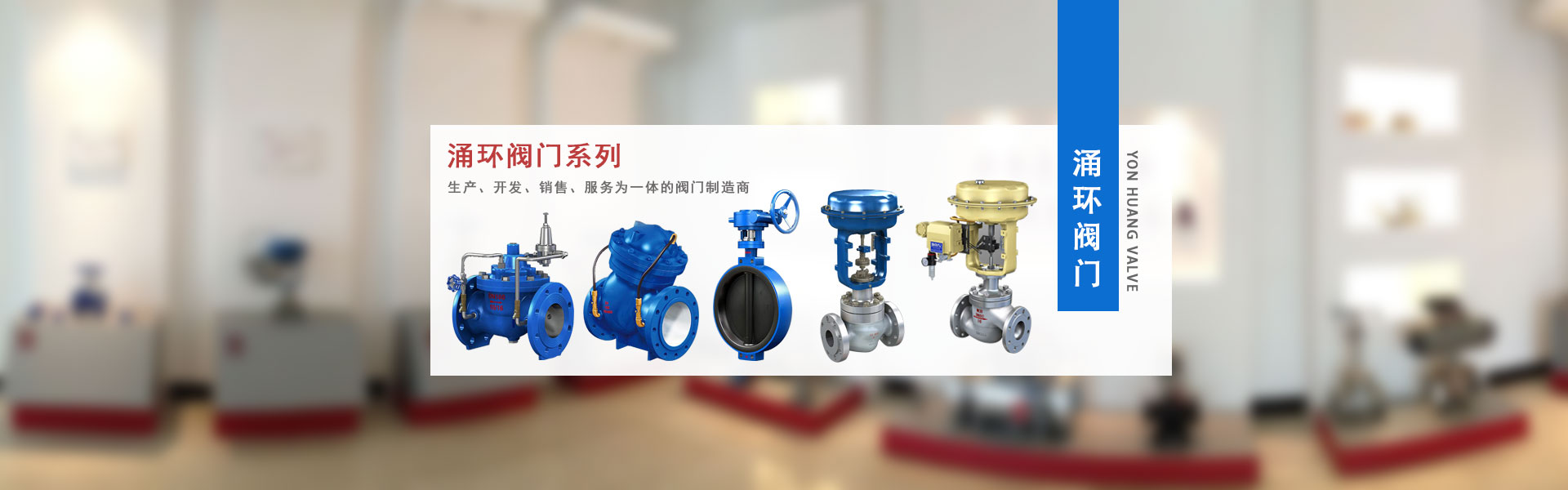


Structure and Basic Principles of Hydraulic Control Valve
Hydrocontrol valves encompass a series of multipurpose hydraulic control and safety valves.
The hydraulic control valve can control pressure, flow rate, and liquid level solely with the energy of the medium—water. Not only does it save a significant amount of energy consumption, but it also reduces labor costs.
Hydraulic control valve structure
The hydraulic control valve is composed of a main valve and various guide valve systems. By installing different guide valve systems, the hydraulic control valve can possess various operational functions.
The typical structure of the main valve is a diaphragm double-chamber type, consisting of main components such as the valve body, valve core, valve seat, valve plate, spring, valve stem, intermediate body, diaphragm, and valve cover. The guide valve system is composed of components like the guide valve,导管, needle valve, ball valve, and pressure gauge. Different connections can achieve various control functions.
Basic Principles of Hydraulic Control Valve
Hydraulic control valves, although categorized by different operational functions, operate on varying principles. They utilize the pressure difference between upstream and downstream as their power source, controlled by a guide valve system. This system enables the diaphragm (or piston) to perform hydraulic differential operation, which is fully regulated automatically by hydraulics, thereby controlling the main valve's core to open, close, or maintain a specific regulating state.
