
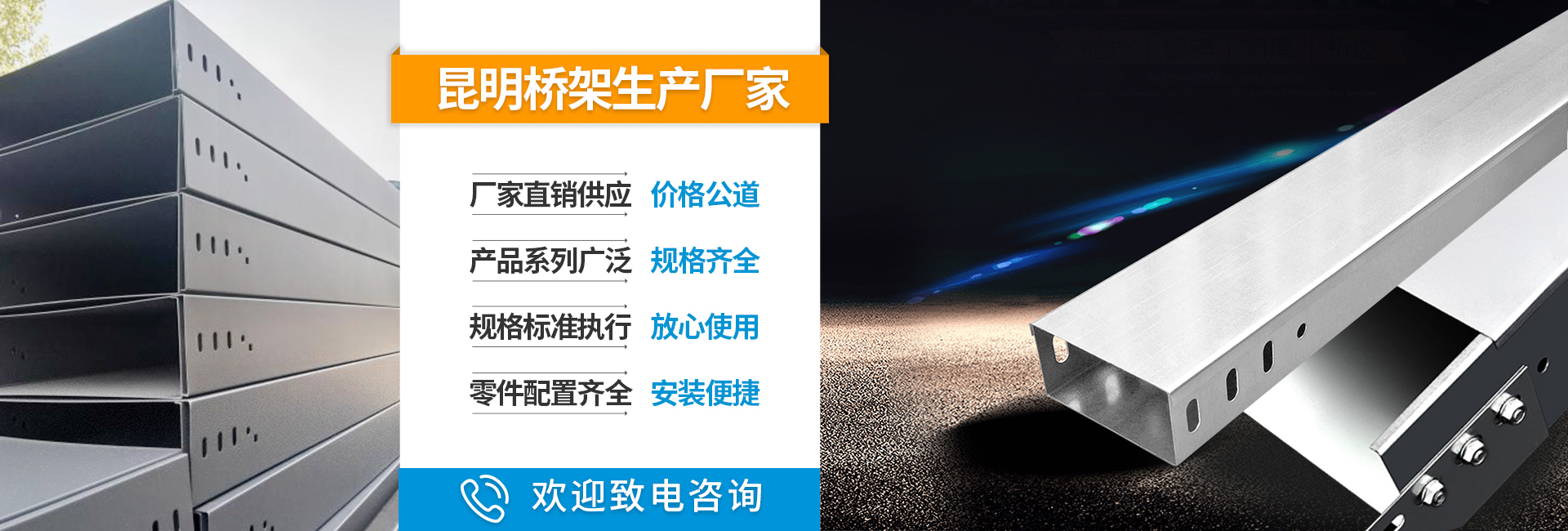


Cable trays, also known as cable bridges, are used in building electrical engineering for cable installation, primarily serving to protect, manage, and support cables or optical fibers.
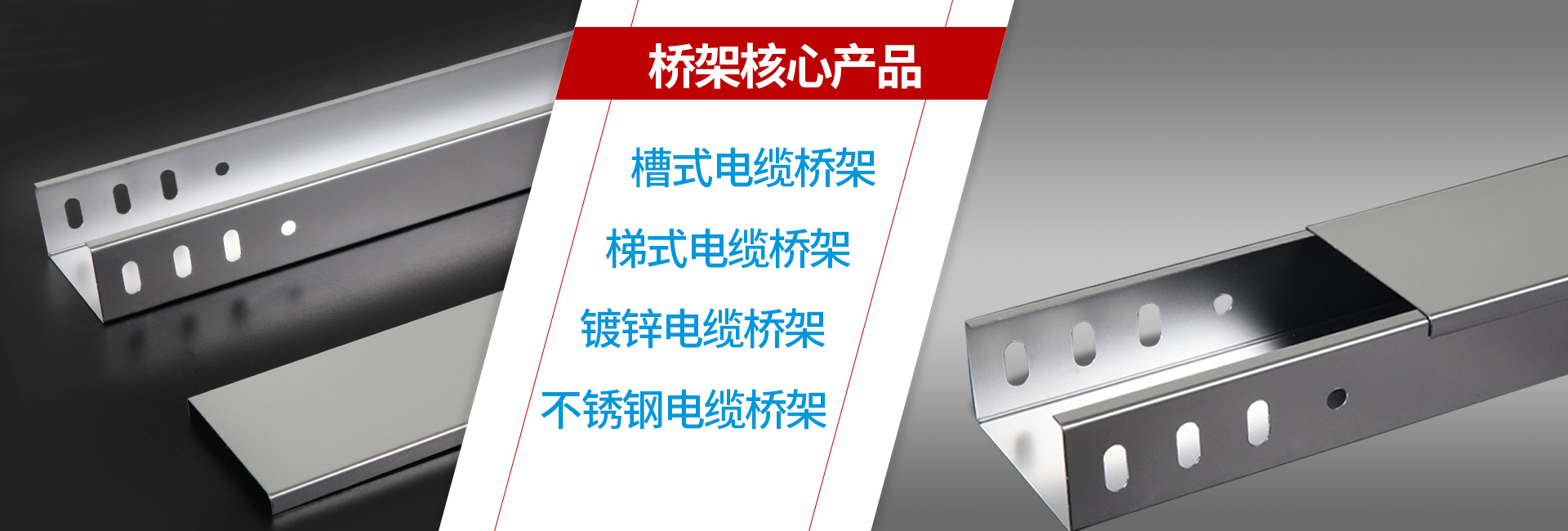
A channel cable tray is a fully enclosed cable tray, differing conceptually from a ladder tray in its height-to-width ratio; the trays are shallow but wide, while the channels have a certain depth. It is suitable for laying out wiring for low-temperature heat cables such as computer cables, communication cables, and control cables.
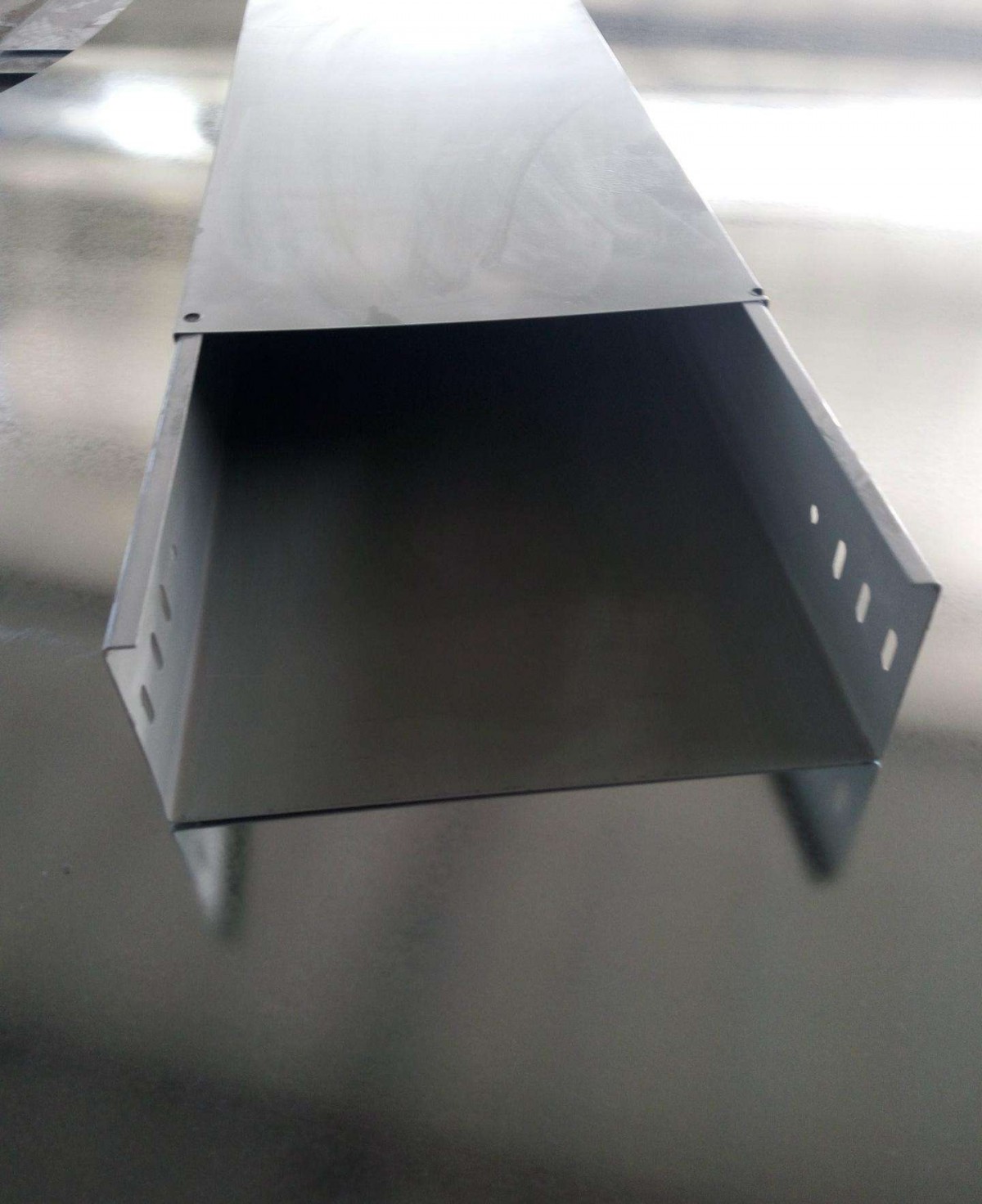
Metal conduit wiring allows low-voltage cables to be shielded from interference by high-voltage lines, while plastic conduit wiring offers excellent cable protection in damp and corrosive environments.
Conduit trays are commonly used in exposed wiring systems, with the selection principles as follows:
High current-carrying cables should not be wired with槽金 due to their poor heat dissipation, and the cable's derating factor should be considered.
(2) When installing bundled cables in suspended ceilings, use enclosed orange boxes or trays to enhance fire resistance.
(3) When using electrical cables and communication cables with a flame-retardant classification of B1, they can be installed in the ceiling or suspended ceiling where no combustible materials are present, provided they are laid in a B1-rated enclosed cable tray.
