
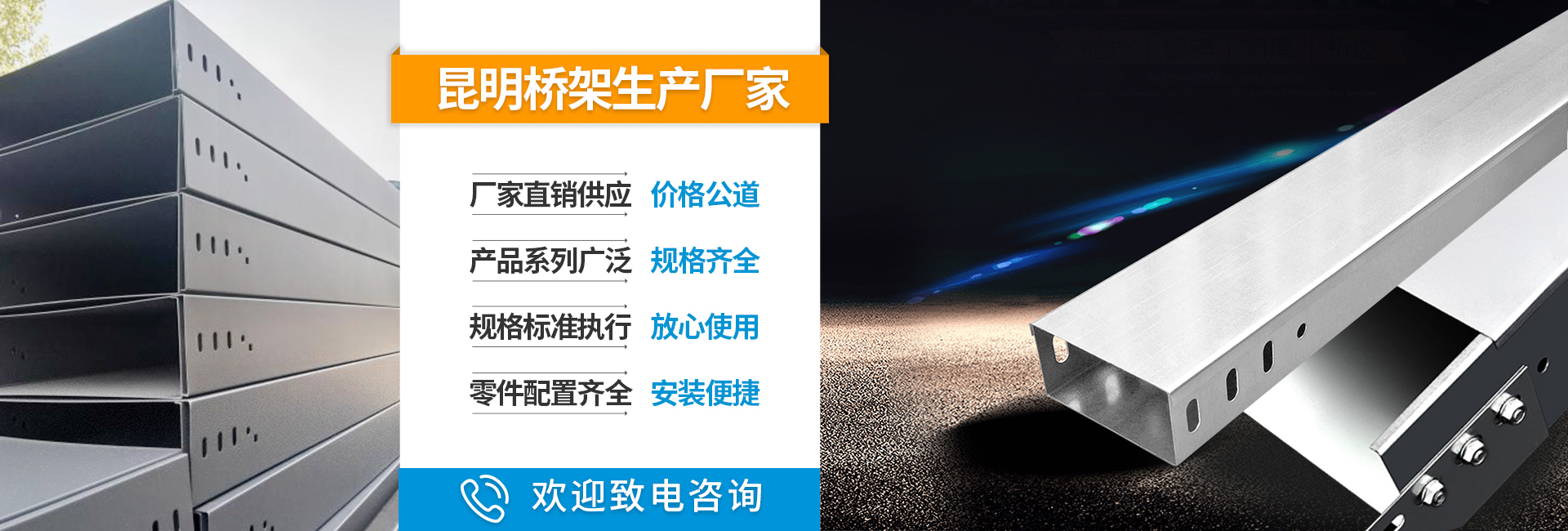
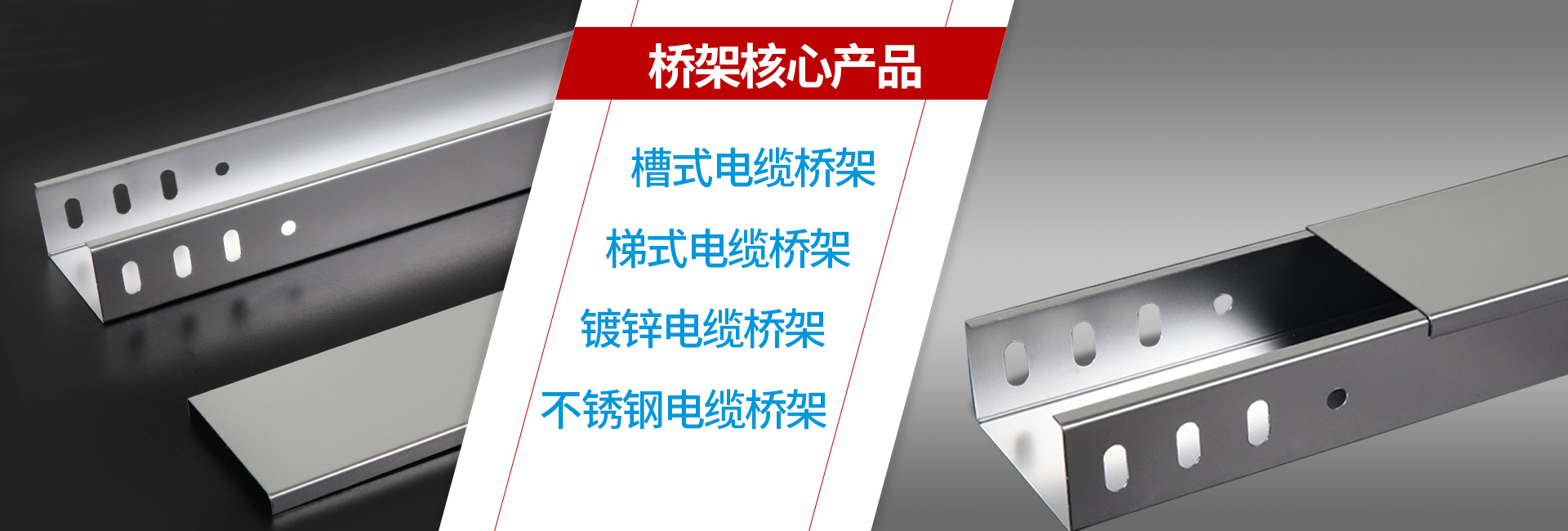

Bridge supports are supportive structures used for electrical, communication, and signal cables. Typically made of steel, they offer advantages such as lightweight, high rigidity, simple construction, and easy installation, making them widely used in various buildings and projects. The production process of bridge supports commonly includes material selection, manufacturing, and surface treatment.
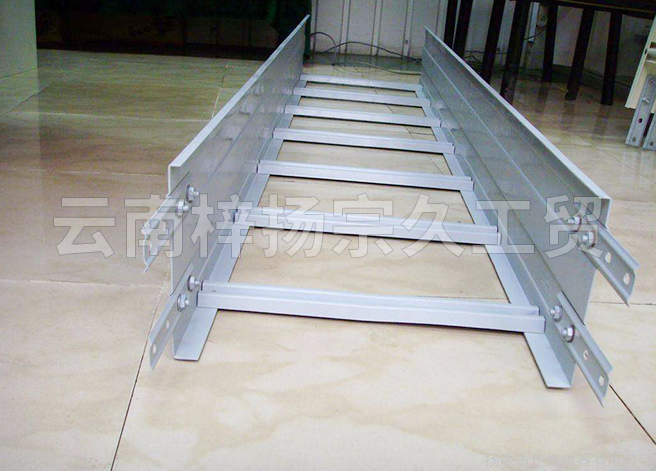
Material selection is a critical step in the bridge架 production process. Generally, the manufacturing materials for bridge架 mainly include cold-rolled steel plates, hot-rolled steel plates, etc., with thicknesses typically ranging from 1.5mm to 3.0mm. The selected materials should possess characteristics such as corrosion resistance, high strength, and good plasticity, and must be strictly inspected and approved according to design requirements. After material selection and approval, the next phase of the production manufacturing process begins.
The production process mainly includes cutting, stamping, bending, and welding. Cutting refers to trimming the selected material according to design specifications to form a more regular shape. Stamping involves further processing parts with uneven patterns on the surface through mechanical force to meet higher quality requirements. Bending shapes the pre-fabricated parts according to pre-designed angles and curves. Lastly, welding is used to assemble all parts into an integrated bridge structure.
The final stage in the bridge frame production process is surface treatment, which aims to enhance the corrosion resistance and aesthetics of the bridge frame. Common surface treatment methods include electroplating, galvanizing, and baking paint. Electroplating involves coating a metal layer on the surface through electrochemical reactions, achieving corrosion prevention and beautification. Galvanizing applies a layer of zinc to the steel surface, also serving the purpose of corrosion prevention and beautification. Baking paint utilizes a high-temperature drying process to harden and solidify the paint applied to the surface, forming a protective film that offers corrosion resistance and aesthetic appeal.
In summary, the bridge girder production process encompasses material selection, manufacturing, and surface treatment, with each stage requiring rigorous standards and specifications. For manufacturers, it is imperative to consistently adhere to these standards during production to ensure that the bridge girders are of high quality and long-lasting, thereby safeguarding the genuine interests of users and consumers at large.
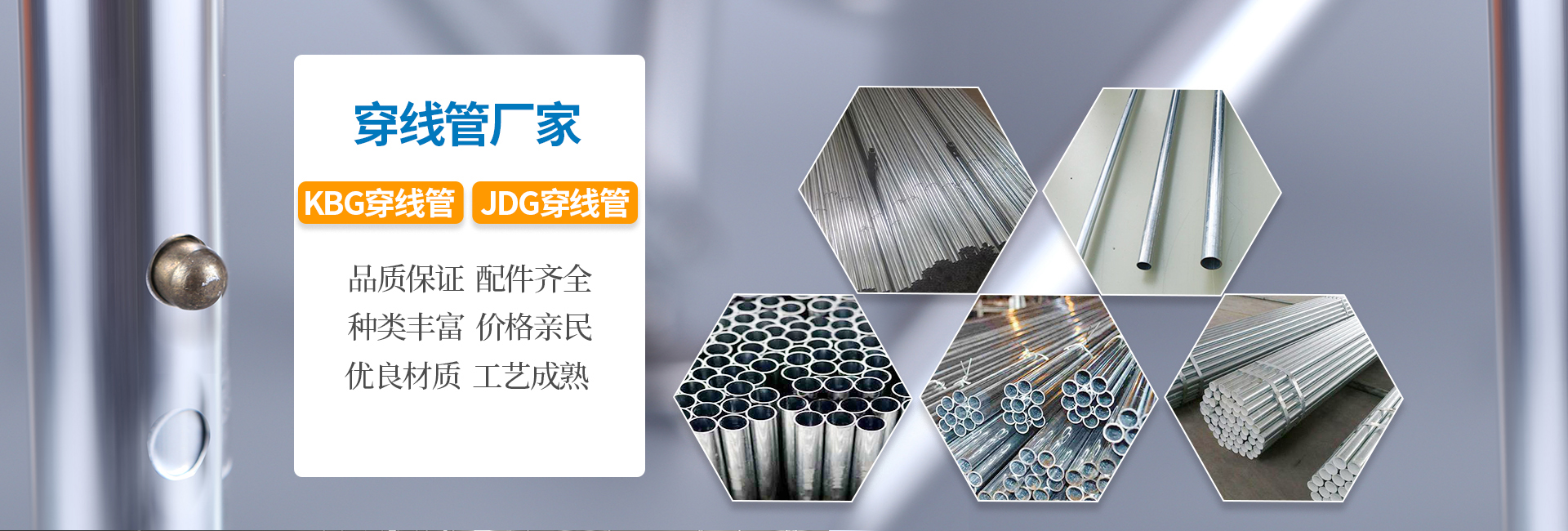
Yunnan Ziyang Zongjiu Industrial & Trading Co., Ltd. is a manufacturer of cable trays and conduit in Yunnan, specializing in tray and conduit production and processing for many years. Offering factory-standard specifications,槽式镀锌防火安装. If you're in need of purchasing cable trays or conduits, please feel free to call for detailed discussions!
