

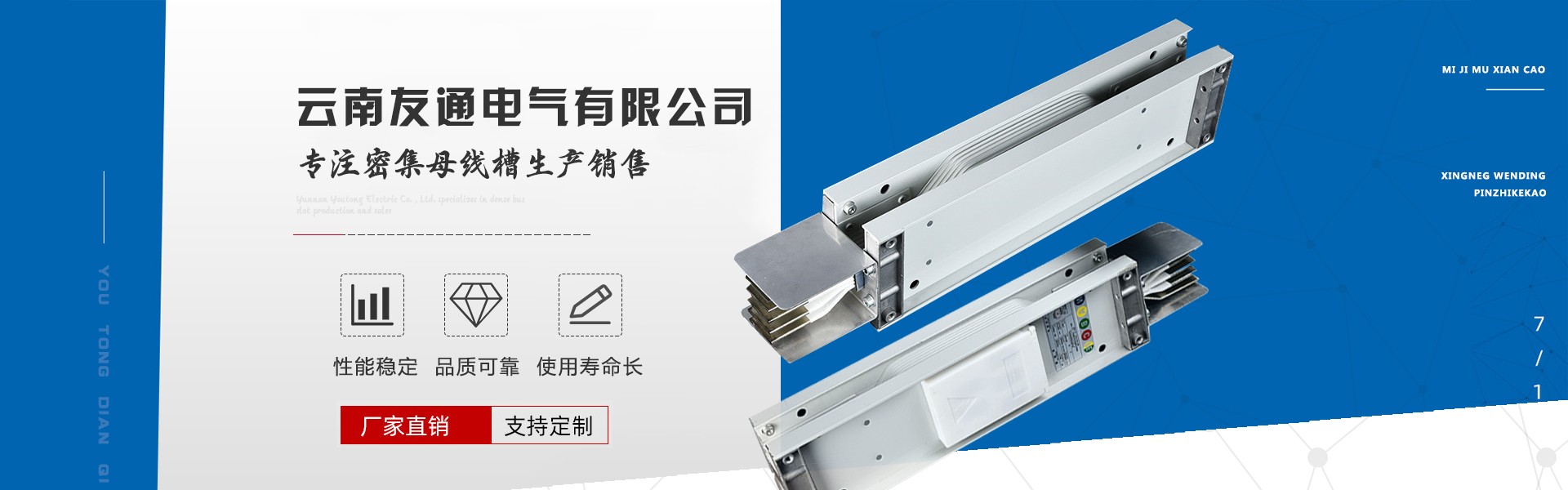

The installation of Kunming dense busway systems can be directly connected from the transformer to the low-voltage distribution cabinet, or from the low-voltage cabinet directly to the power distribution system as the main distribution line. The busway boasts advantages such as compact size, compact structure, high current transmission capacity, and convenient maintenance. In summary, it serves as power supply and distribution equipment in industrial and mining enterprises, commercial and institutional buildings, and high-rise structures, playing a role in power transmission. What should be noted and addressed during installation?
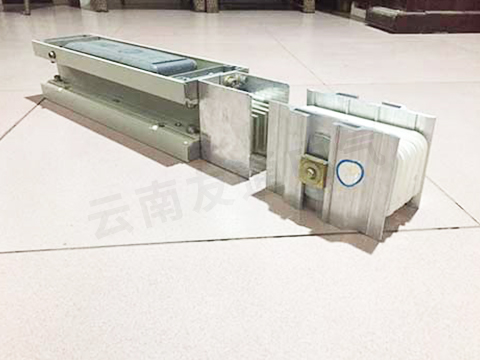
During installation, inspection and debugging are crucial. Before the installation of each functional unit during the entire site installation process, the insulation resistance must be measured using a 500Mft megger. Normally, the insulation resistance of a single dense busbar functional unit must be greater than 20Mft before installation. Moreover, the insulation resistance must be checked after each functional unit is installed, and it must be greater than 20Mft each time. However, for humid southern locations, the insulation resistance of dense busbar systems with a cable length exceeding 100m must not be less than 5 megohms before power-on debugging without load.
The busway plug-in box primarily supplies power to secondary electrical equipment. The installation process first involves locating the corresponding ports according to the drawings. Begin by securing the fixed columns along the straight sections, then insert and tighten the clamps as shown in the installation diagram. During the plug-in process, ensure that the plug pins are reliably connected to the busway busbars, with tight clamping and phase sequence alignment. Additionally, most plug-in boxes produced by busway manufacturers come with a self-locking mechanism that prevents insertion and removal when live, but it is still necessary to check and confirm that the installation can be done with the power off.
The product can conveniently derive power branching through plug-in junction boxes or pull-out switch boxes. It operates at a frequency of 50-60Hz and voltage up to 400V, with an additional working current ranging from 250 to 5000V. It is primarily used as central power supply and distribution equipment for industrial and mining enterprises, corporate establishments, and high-rise buildings, featuring busbars with inserts. The design is a compact sandwich structure, with busbars made of electrolytic copper containing over 99.95% copper as conductors. After new process treatment, the outer insulation material is flame-retardant and provides excellent insulation properties.
During the construction process, a specific situation of reduced insulation in busbars was discovered due to damage caused by bolt insulating sleeves. Ground connections using busbar shells can meet grounding requirements, but when all busbar shells are coated, two sections of the busbar trunk must be connected with grounding bolts using conductors. Insulation checks should be conducted before and after installation of the busbar trunk, and a comparative inspection should be made to determine if the insulation reduction is due to quality issues in the installation.
The installation of dense busbars involves connecting busbars using high-intensity insulating plates with excellent insulation, arc resistance, and flame retardancy as connecting accessories. These are securely fastened with bolts equipped with insulating sleeves. According to standard requirements, the gap between bolt holes and bolts is relatively small to ensure satisfactory busbar contact area, as the busbar bolts are enhanced with insulating sleeves, making the gap even narrower.
Yunnan Youtong Electrical Co., Ltd. is a professional manufacturer of busway bridges, offering high-value busway bridges with meticulous craftsmanship, durability, and a complete range of specifications at competitive prices. Call us for inquiries if you need them!
