
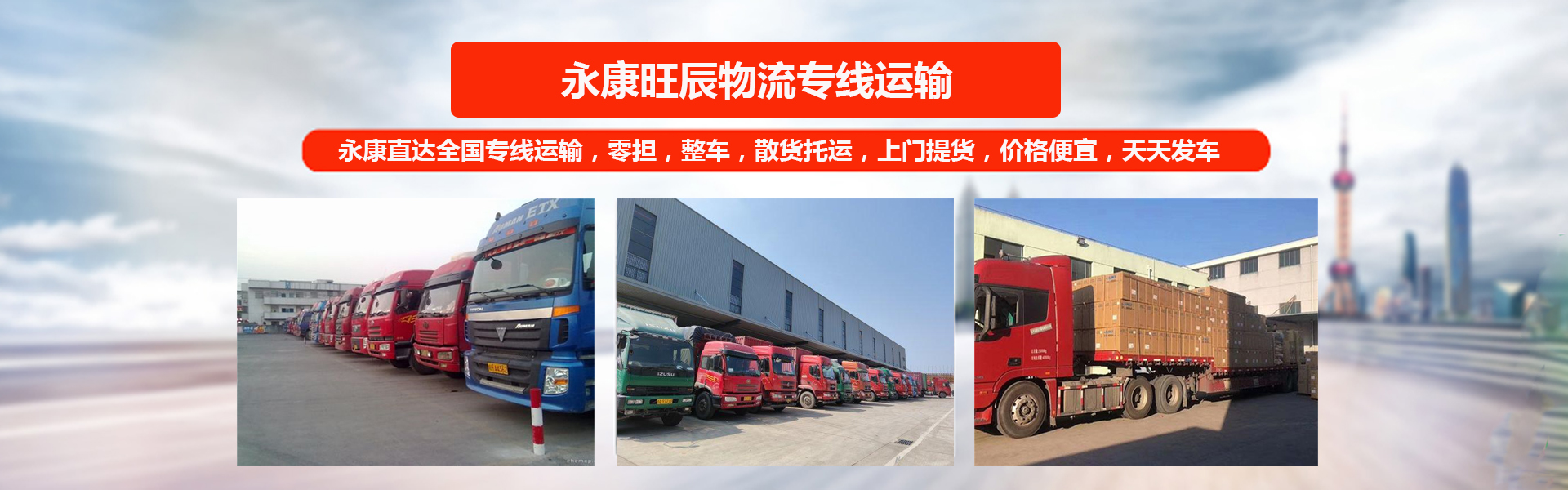

Less-than-truckload (LTL) and full truckload (FTL) are two common modes of transportation in logistics, with several key distinctions between them:
Transportation Objects: LTL (Less Than Truckload) shipping involves consolidating goods from multiple clients onto a single vehicle or shipment, with each client's goods being transported in smaller loads (LTL). On the other hand, FTL (Full Truckload) shipping refers to using an entire truck or container to transport a single client's goods, which means shipping an entire truckload or containerload of goods at once.
LTL Transportation: Less Than Truckload (LTL) shipping is typically used for smaller freight shipments, with each customer's load being relatively small.整车运输:Full Truckload (FTL) shipping is ideal for large freight shipments, where the customer's load is substantial and can occupy the entire truck's cargo space.
Transportation Methods: LTL (Less Than Truckload) shipping typically involves consolidating multiple customers' scattered goods into one vehicle or shipment for shared transportation. In contrast, FTL (Full Truckload) shipping is dedicated to a single vehicle or entire trailer, transporting a customer's goods directly to the destination without the need for intermediate unloading and reloading.
Freight Costs: Generally, LTL (Less Than Truckload) shipping is more cost-effective as multiple customers' goods can share the same vehicle or shipment, thereby reducing transportation costs. In contrast, FTL (Full Truckload) shipping, which requires a dedicated vehicle or container, is relatively more expensive.
Shipping Time: Due to the need to consolidate goods from multiple customers for less-than-truckload (LTL) shipping, the overall shipping process may take longer, as sorting and loading operations must be tailored to each customer's requirements. In contrast, full truckload (FTL) shipping is generally faster, as the entire vehicle or trailer is dedicated to a single customer's cargo. In summary, there are clear distinctions between LTL and FTL shipping in terms of shipping objects, scale, methods, costs, and time. The choice of shipping method depends on the characteristics of the goods and the transportation needs.
