




- AllProduct Category
-
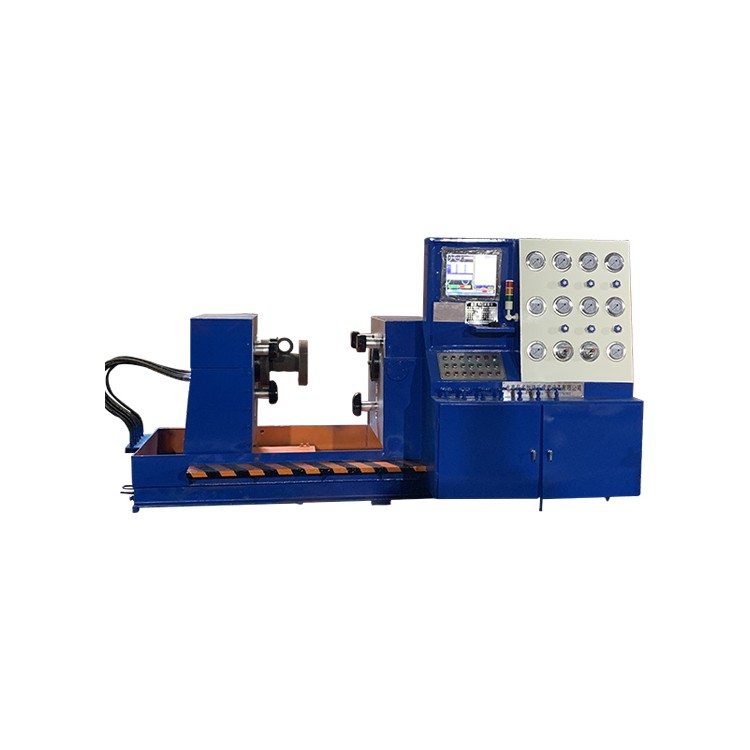
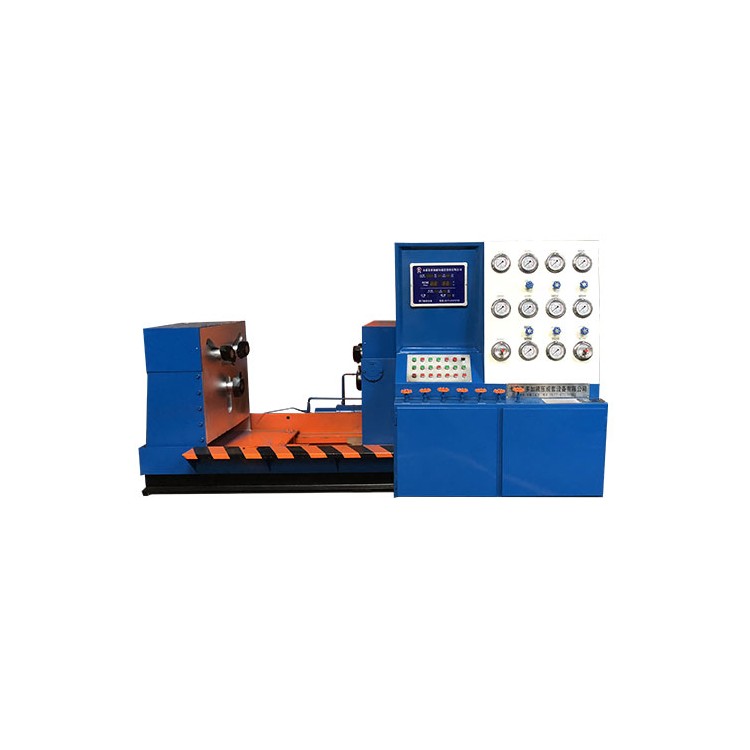
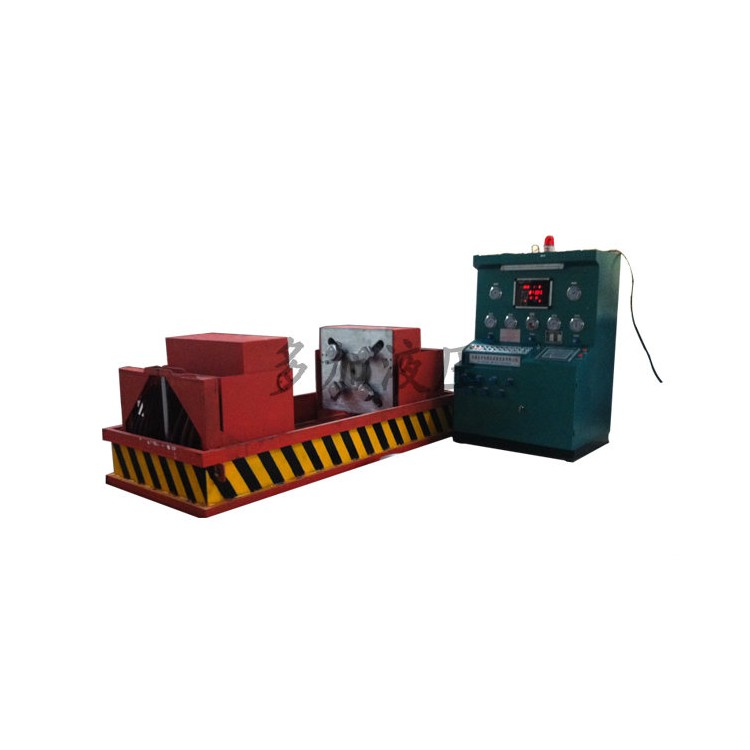
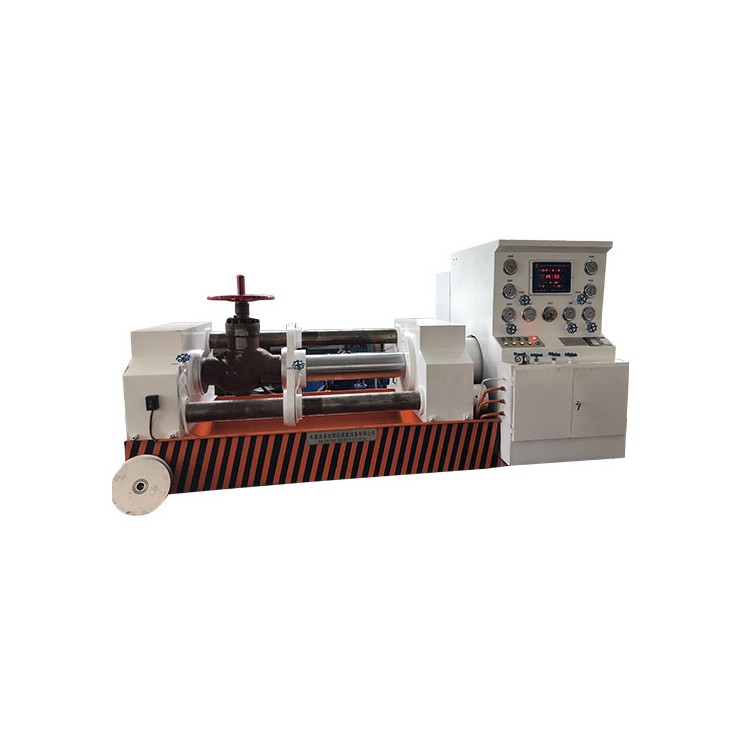
DYFJ-A Type Hydraulic Valve Test Bench
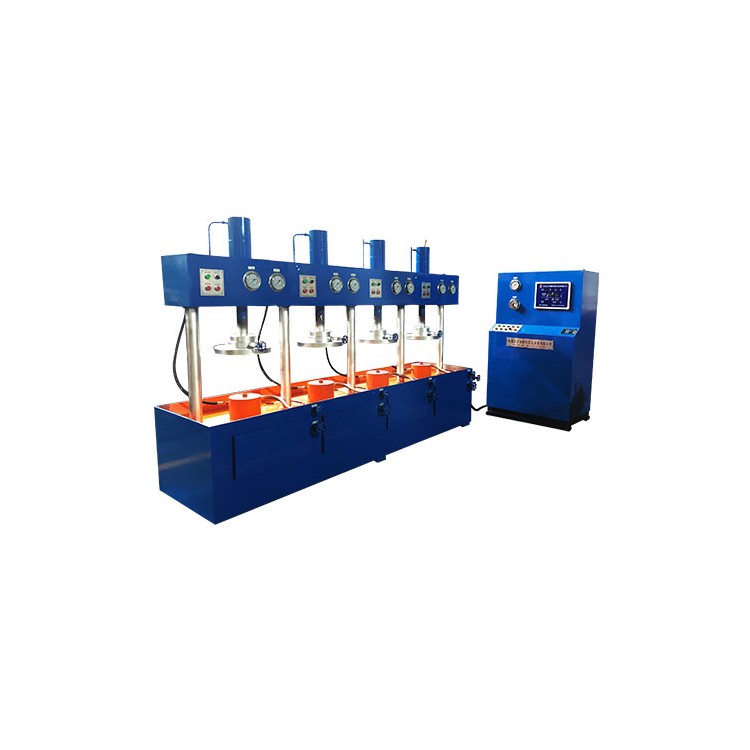
DYFJ-B Type Combination Valve Test Bench
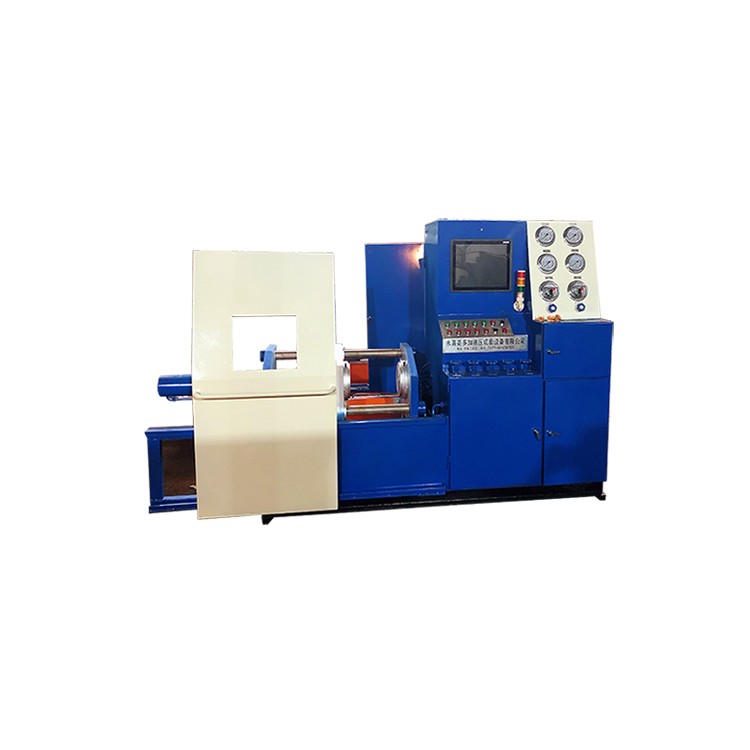
DYFJ-C Type Pressure Vessel Valve Test Bench
DYFJ-E Type Top-Pressed Valve Test Bench
DYFJ-F Type Top-Press Valve Test Bench
DYFJ-H Type Hydraulic Butterfly Valve Test Bench
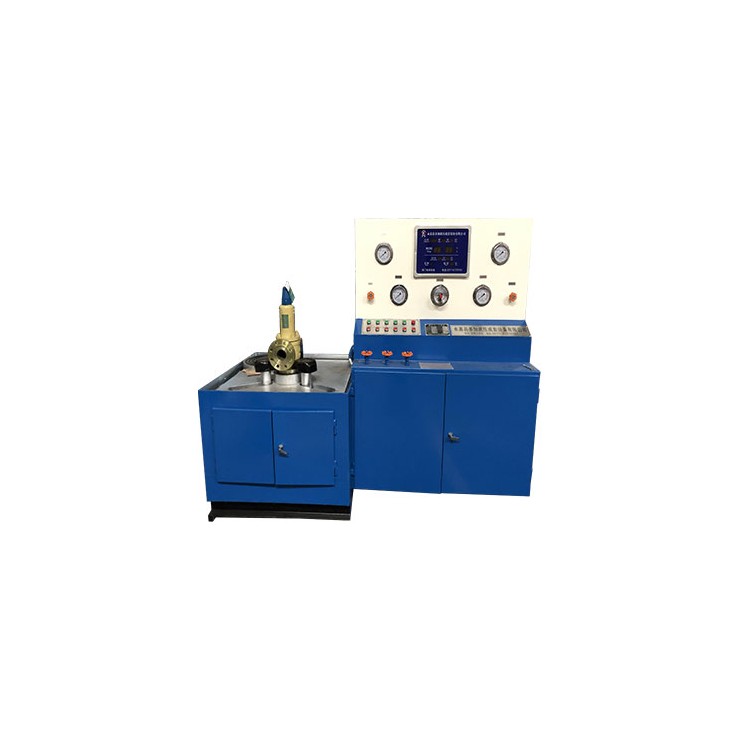
DYFJ-Q Safety Valve Test Bench
DYFJ-ZN Intelligent Valve Test Bench
DYFJ-CE Mini Valve Test Bench



详情描述
This system is based on the Windows 7 operating system, combining configuration software with PLCs to collect and process data during the testing process, and then save it. The data is non-modifiable and non-deletable, ensuring its persuasive nature. Test data is automatically saved on the computer, allowing for easy retrieval at any time based on test numbers or test times, with data extraction and printing capabilities. Below, we will specifically introduce the operational methods of the system.
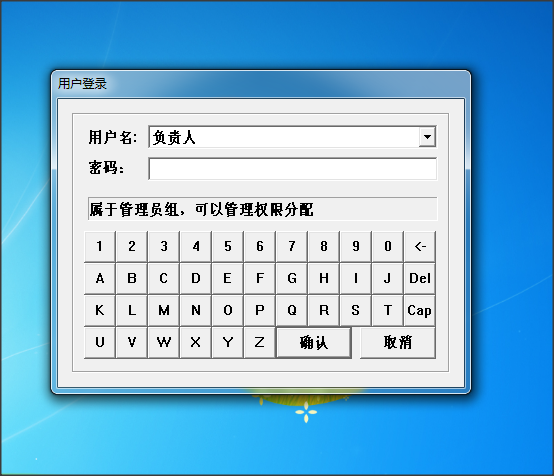
Double-click the icon after the computer boots up normally. A password input dialog box will pop up. Enter the password 935488, click "OK," and the data collection software will enter the running state.
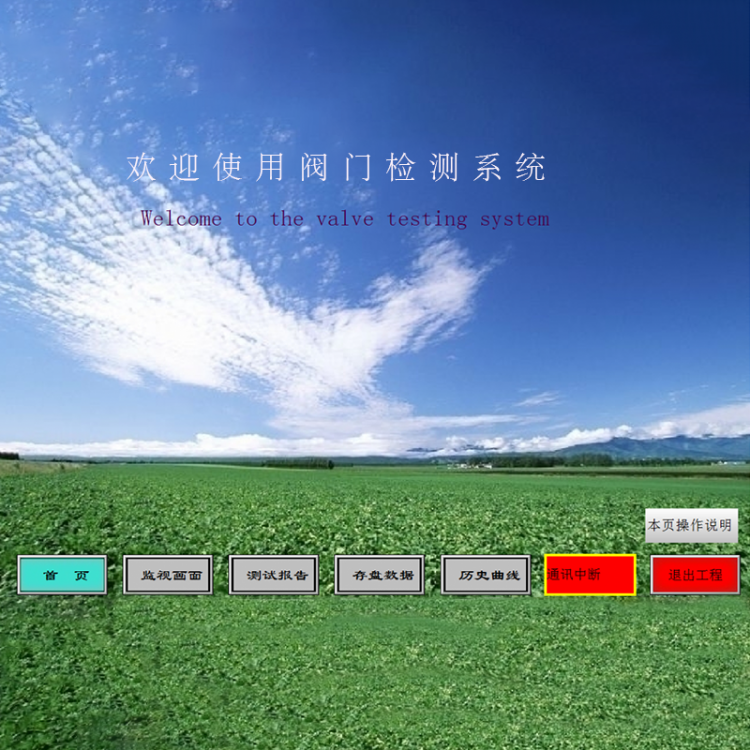
2. Upon entering, you'll be greeted by the homepage window. The software includes operation instructions that can be referenced alongside specific actions.
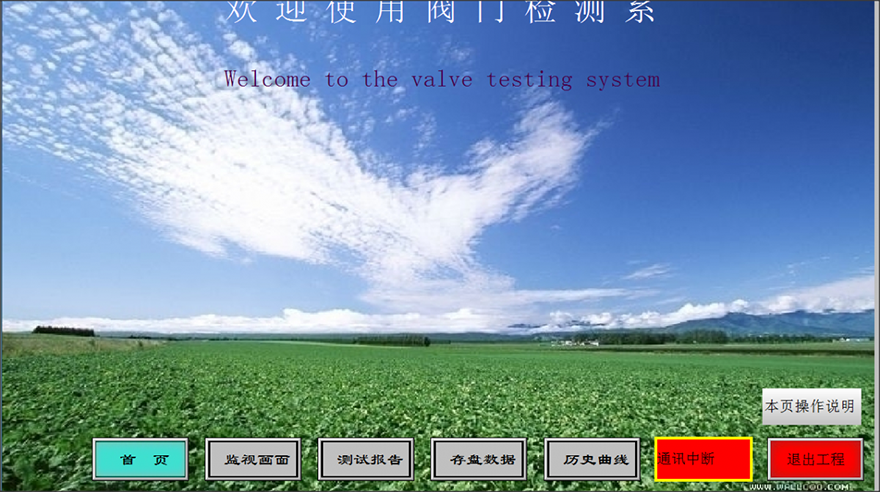
Click on the operation instructions on this page.

A blue border will be added to the button. Upon clicking any button, a pop-up will appear with the button's related feature settings instructions.
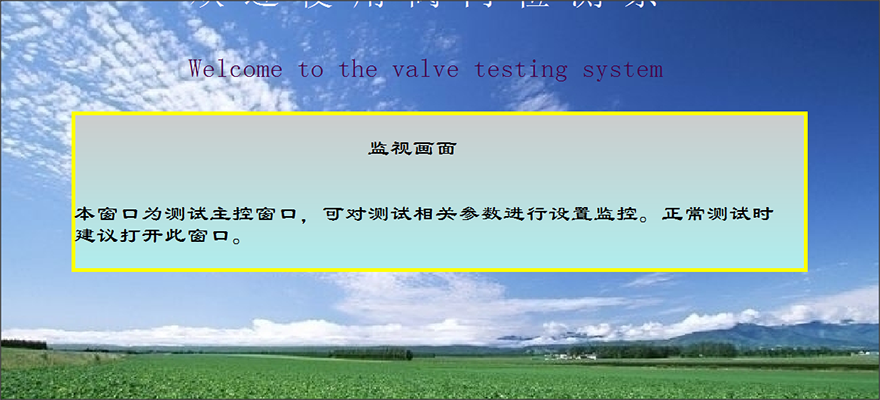
Click on another button, the previous explanation will automatically exit. Click "Exit," and you can leave the view of the operation instructions. At this point, you can switch windows and operate normally through the buttons. Let's enter the monitoring screen.
3. Pre-test preparation and parameter settings.
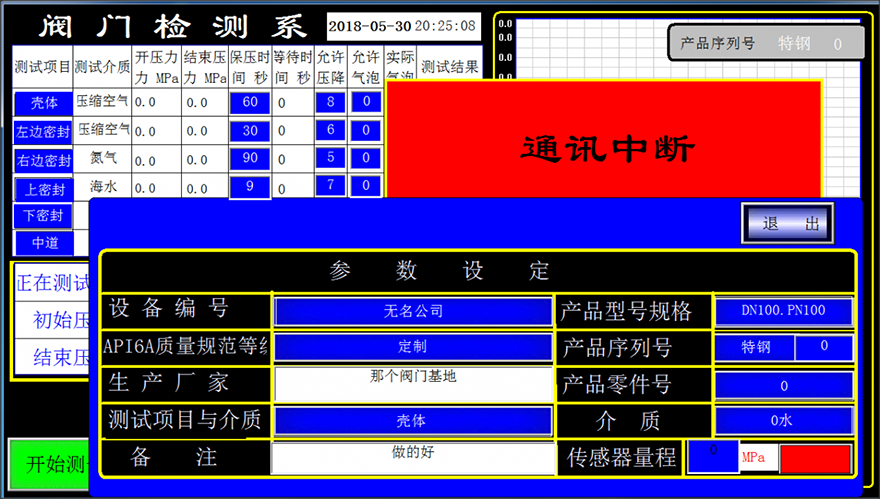
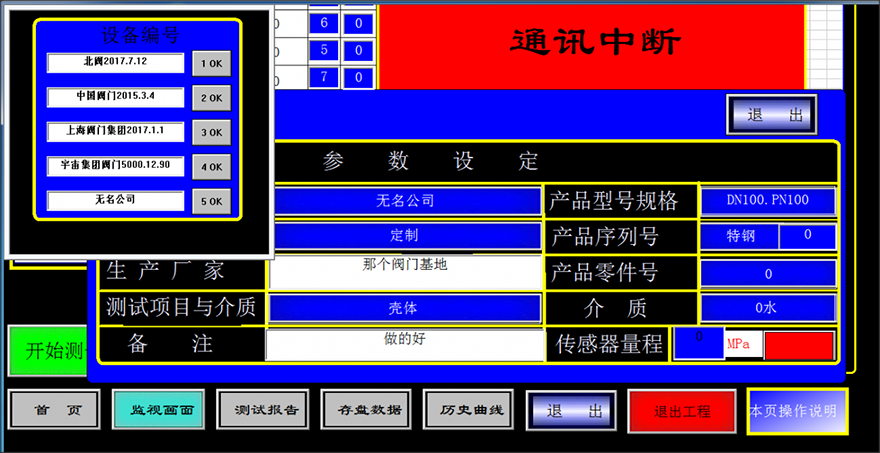
Upon entering the monitoring window, a parameter setting prompt will appear. We have pre-set some commonly used parameters for easy access in the future.
The blue section contains 5 pre-set groups that can be accessed at any time, while the white section allows direct text input. Considering this section will not be modified frequently.
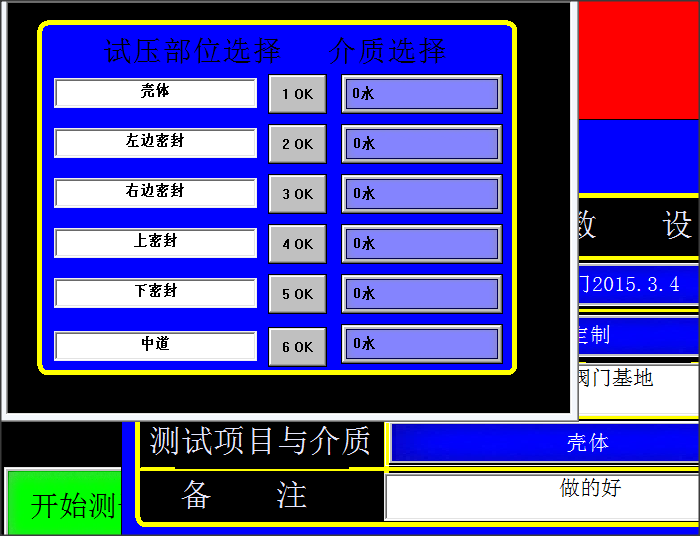
Note that our bubble monitoring is set to the first option by default. Also, the icons look different.
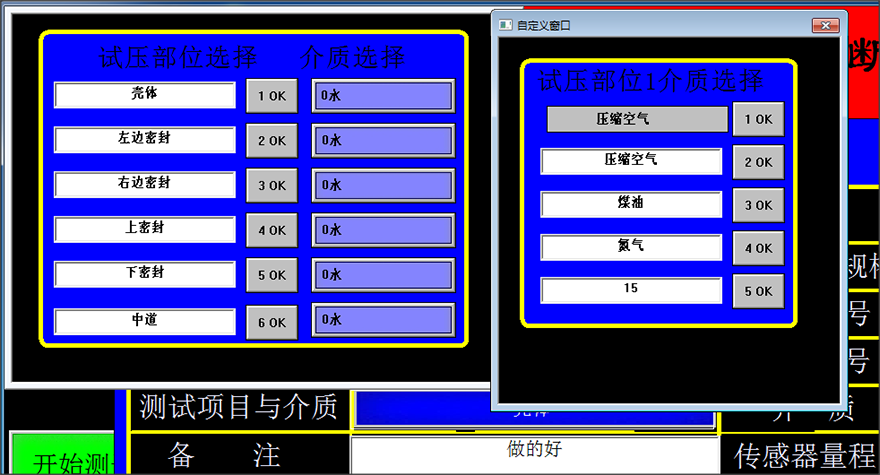
Before initiating the test, we can zero-calibrate the sensor to minimize measurement errors, select a sensor with an appropriate range based on the measurement requirements, and calibrate the sensor's range.
Un calibrated, there will be a prompt in the window. Once the relevant parameters are set, you can proceed to the normal data collection and testing process.
Some critical parameters are not set correctly; corresponding prompts will be displayed. Please check them during use.
4. Data Testing and Collection
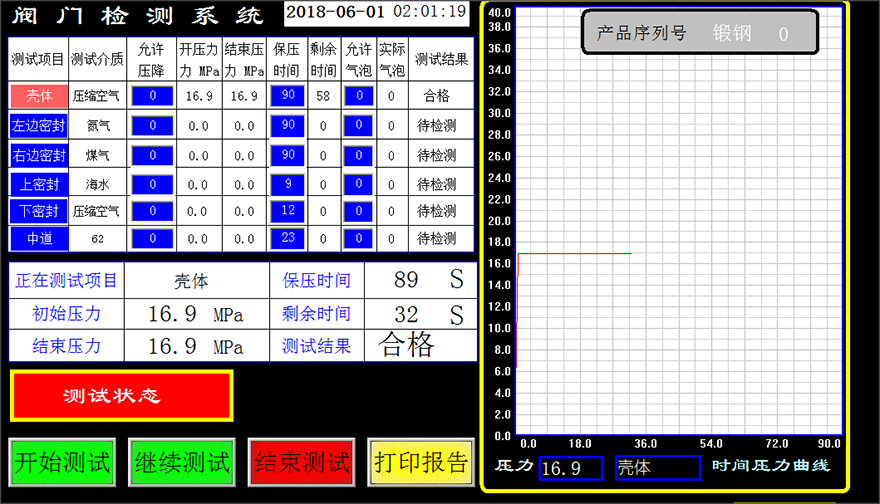
First, click the water and gas switch, select the corresponding water pressure or air pressure, click to start the test, then select the test items by clicking on the desired item with the mouse. The corresponding icon will turn red, indicating it has been selected. Set the corresponding parameters, allow for pressure drop, hold pressure time, as shown in the blue box above. Click to continue testing, the pump will automatically increase pressure and stop and hold pressure once it reaches the set pressure. A pressure curve will appear in the right box, a straight line indicates no pressure drop, while a stepped decline shows where there are leaks.
During the testing process, if an abnormality is detected and the test needs to be terminated, click "End Test" to interrupt the testing of the valve. If the valve's other parts need to be replaced, click "Continue Testing." Be sure not to click "End Test" or "Print Report," as this will result in the test data of the same valve not being saved in the corresponding box for that valve. For specific instructions, refer to the operation guide included in the software.
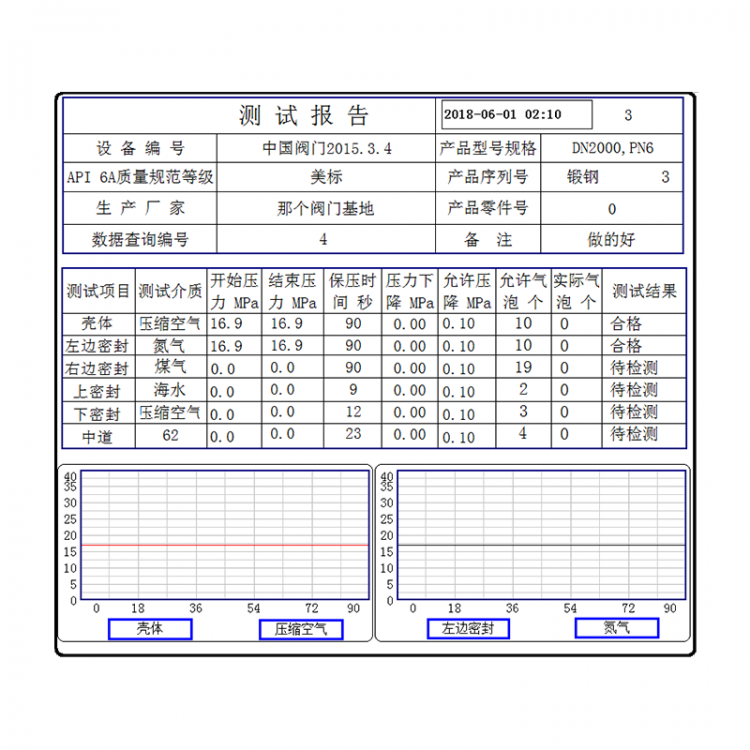
Table printing, after the test is completed, click "Print Table" and the printer will automatically print out the test data. Before printing, you can click on the test report to view the printout. After printing, the relevant data will also be saved into the system.
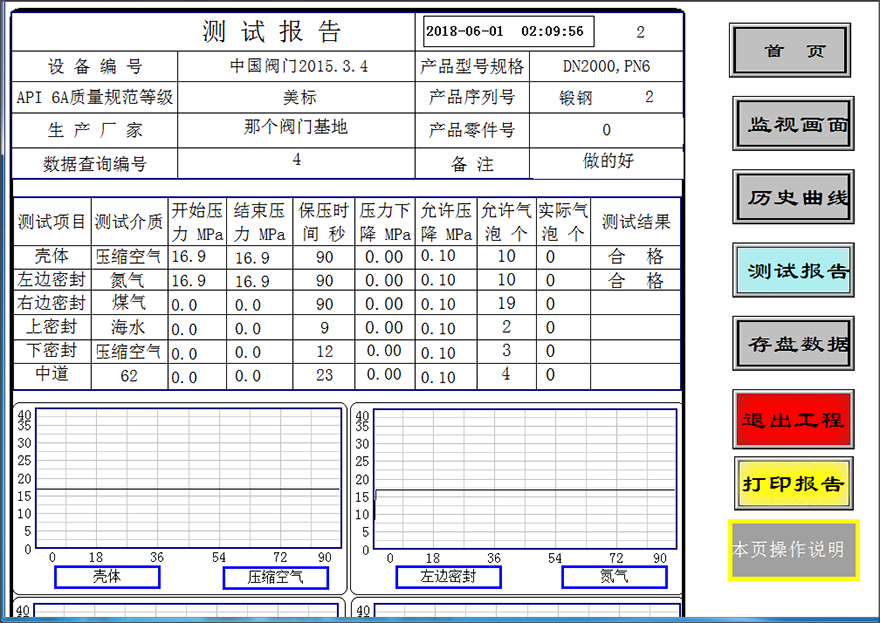
6. Retrieve stored data: When searching for stored data, access the data storage window and perform a query using the report's query number or specific test time to extract and generate a table.
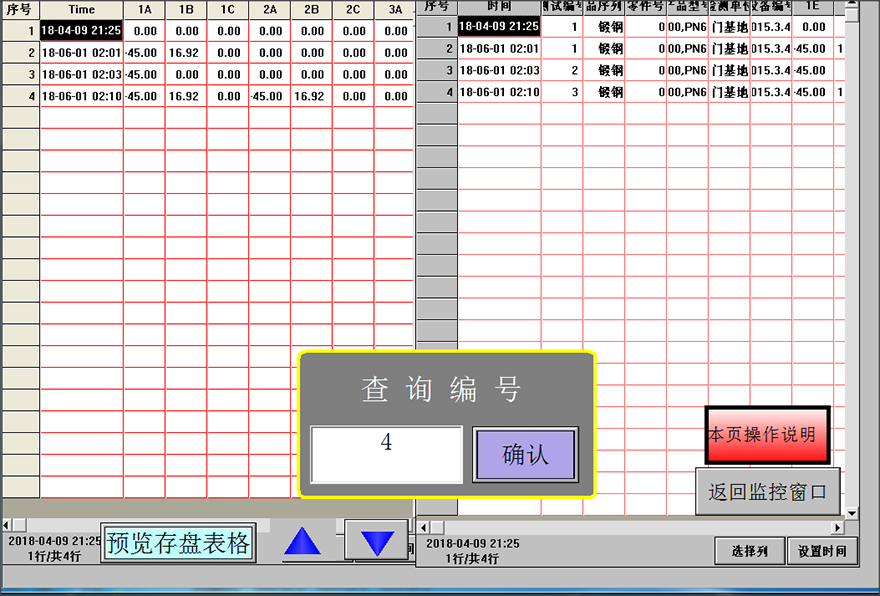
After data extraction, click on the preview save table, where you can view the extracted data in the table.
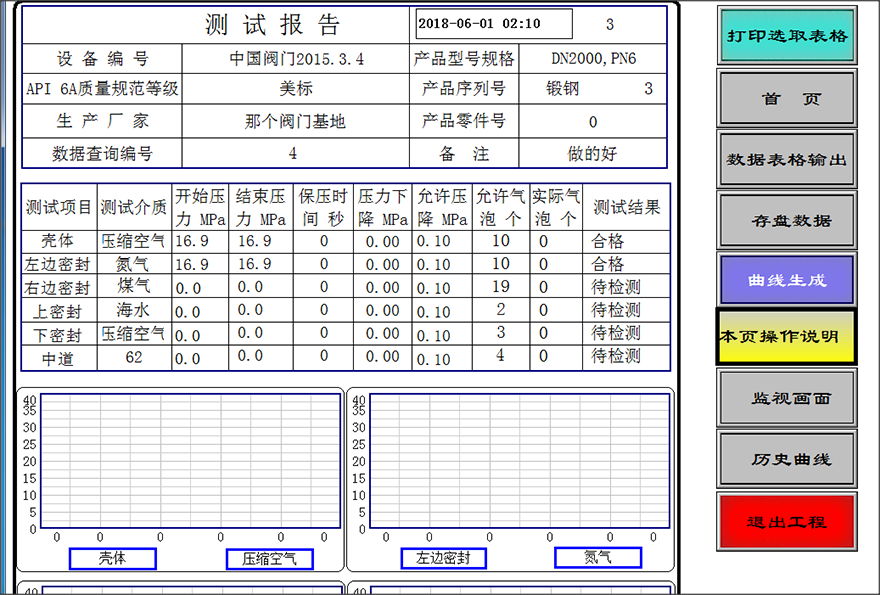
If a pressure curve during testing is required, click on "Curve Production," and corresponding curves can be generated based on the saved data at that time.
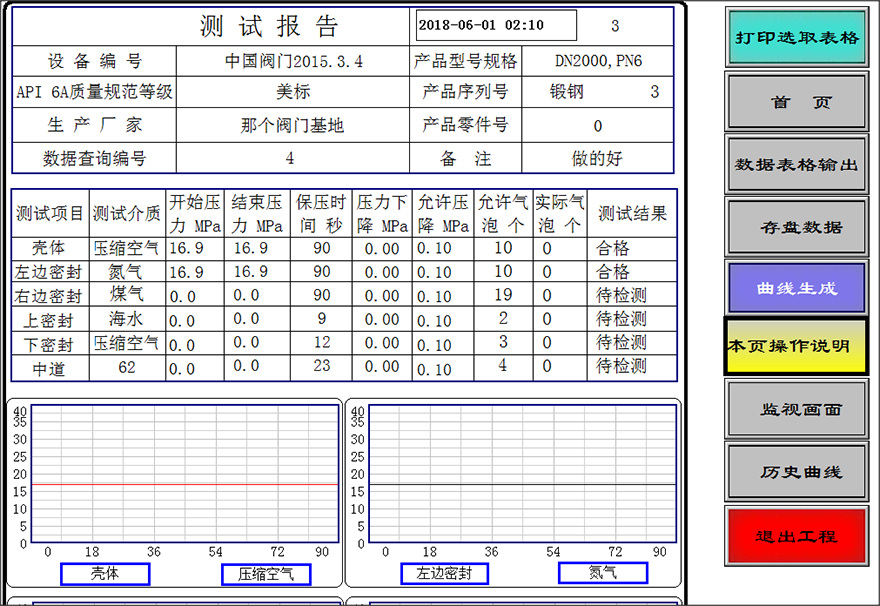
7. Historical curve lookup is available, allowing for the review of real-time curves from past tests through the historical curve dialog.
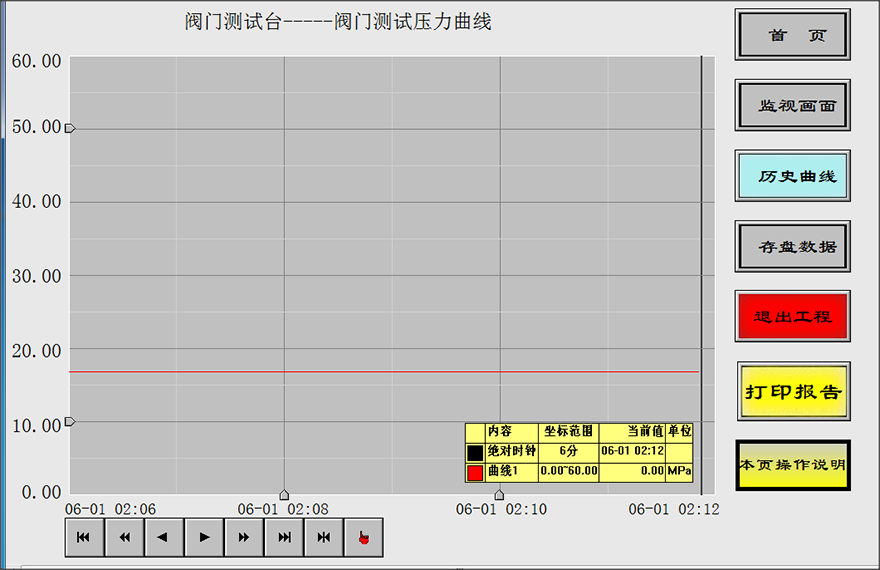
Click the red icon below to precisely locate pressure-time curves within a specific time period by using the time filter.
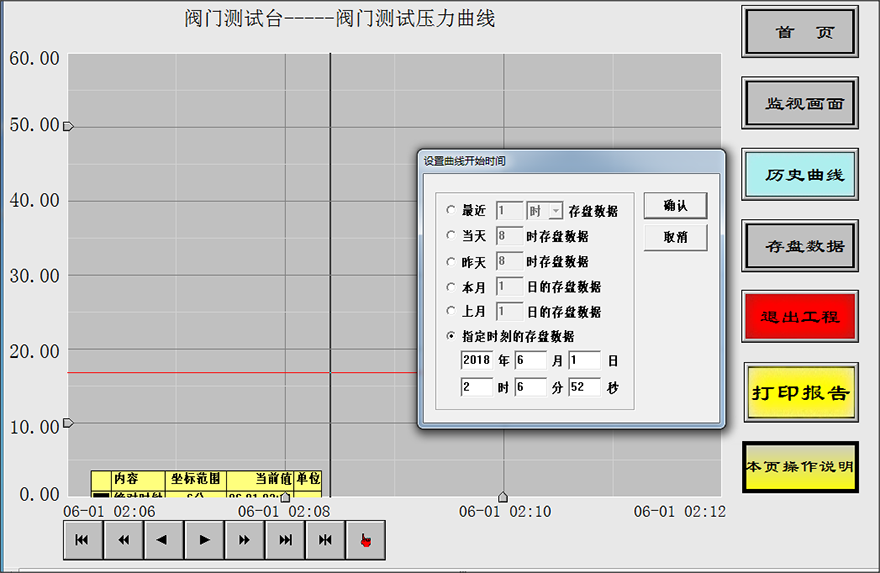
If you have any confusion during the software usage, refer to the internal operation instructions as much as possible.


