
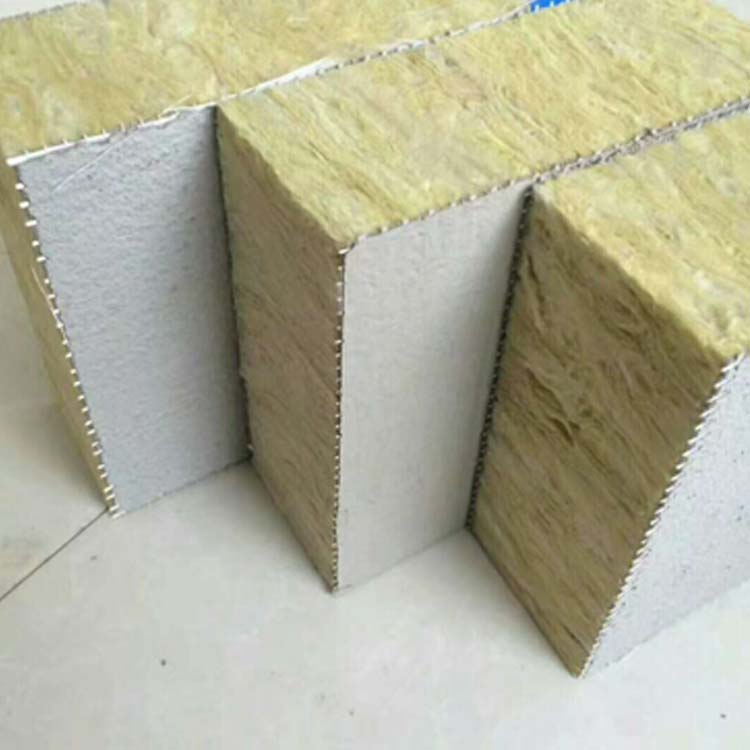
 Rockwool board
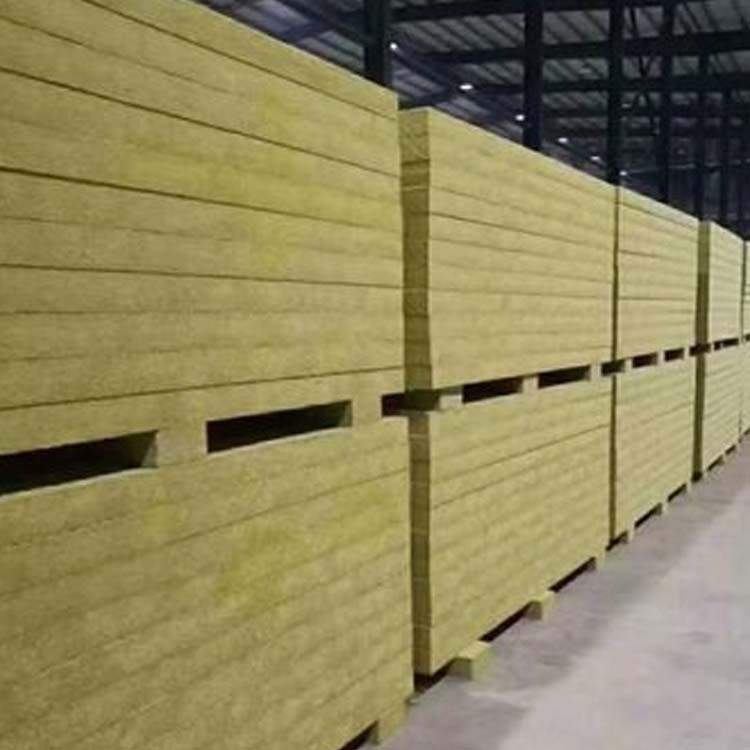 Rockwool board
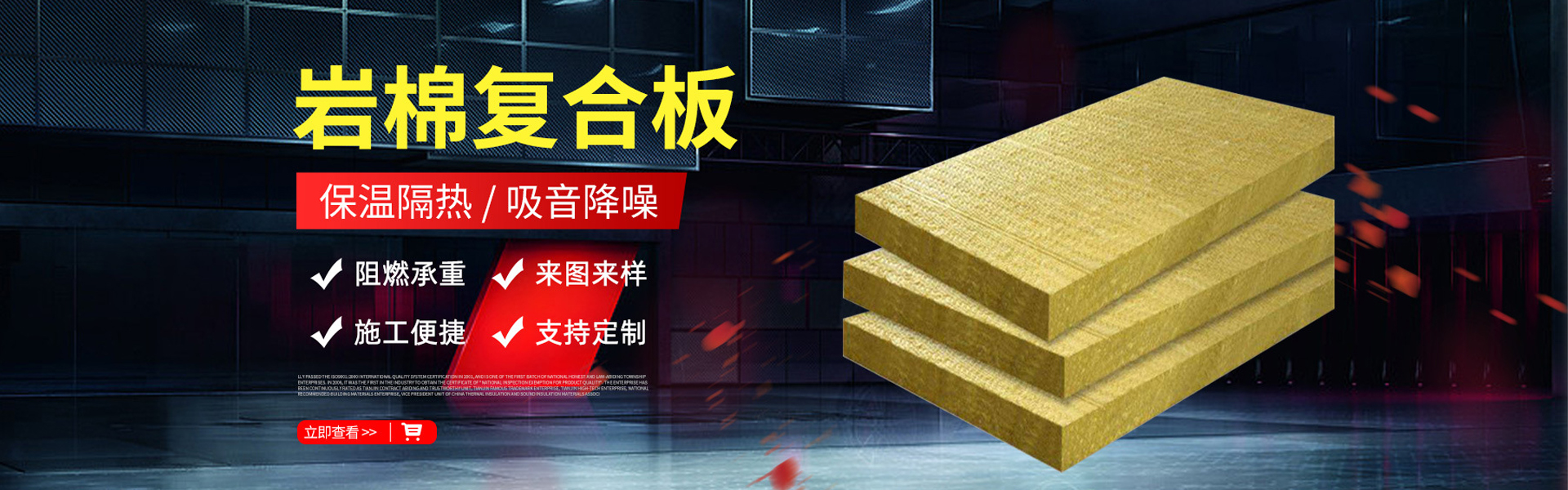
 Rock wool board
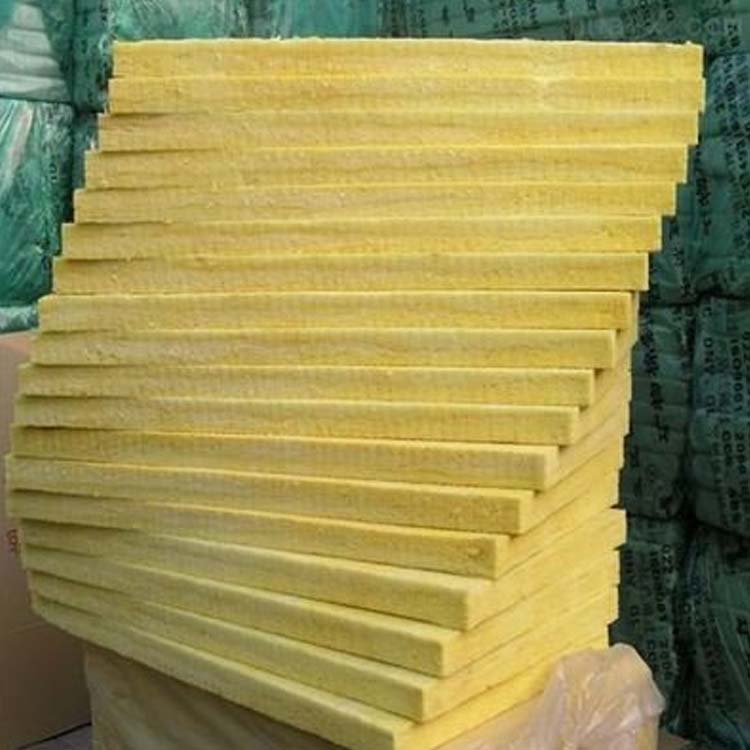 Rock wool board
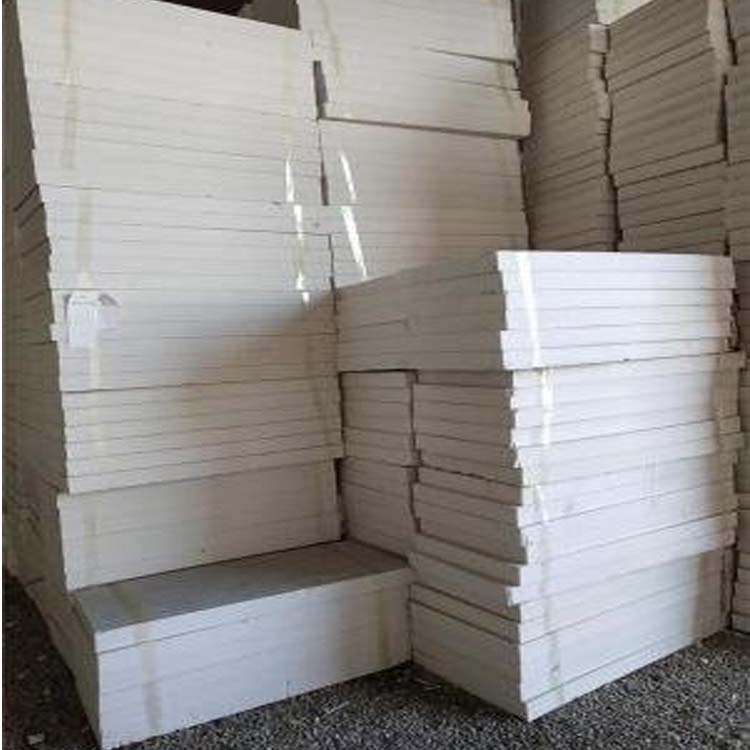 Expanded Polystyrene (EPS) Board
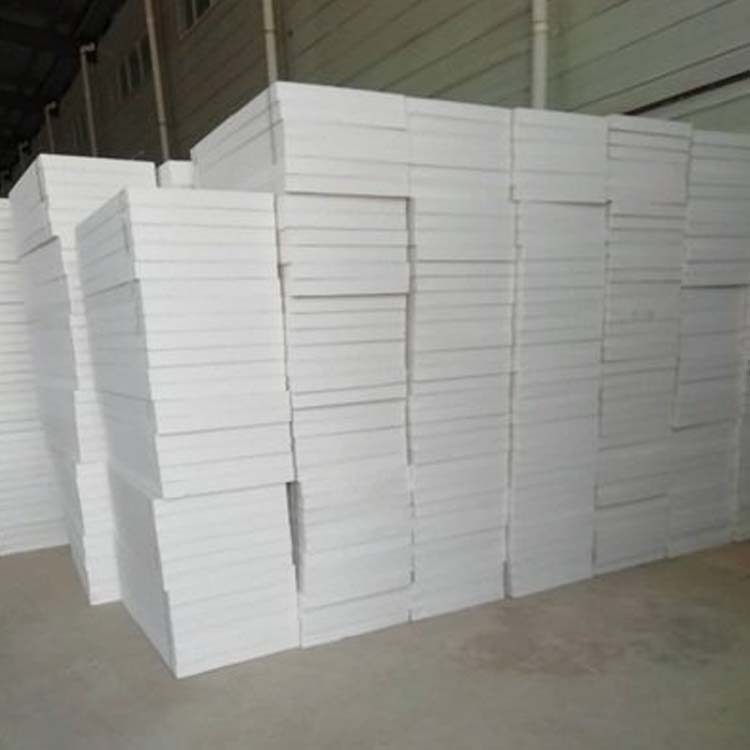 Expanded Polystyrene (EPS) Sheets
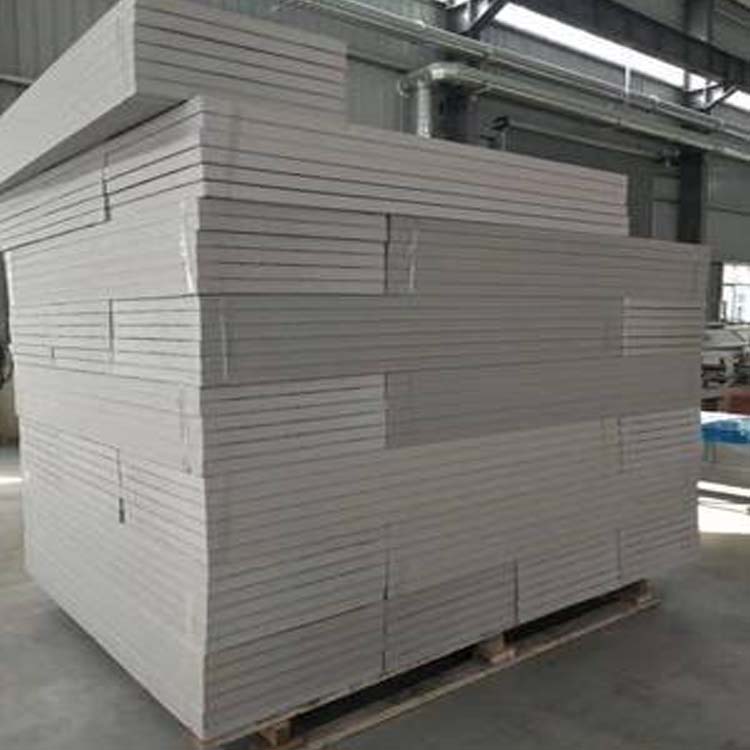 Expanded Polystyrene (EPS) Sheets
Product Details

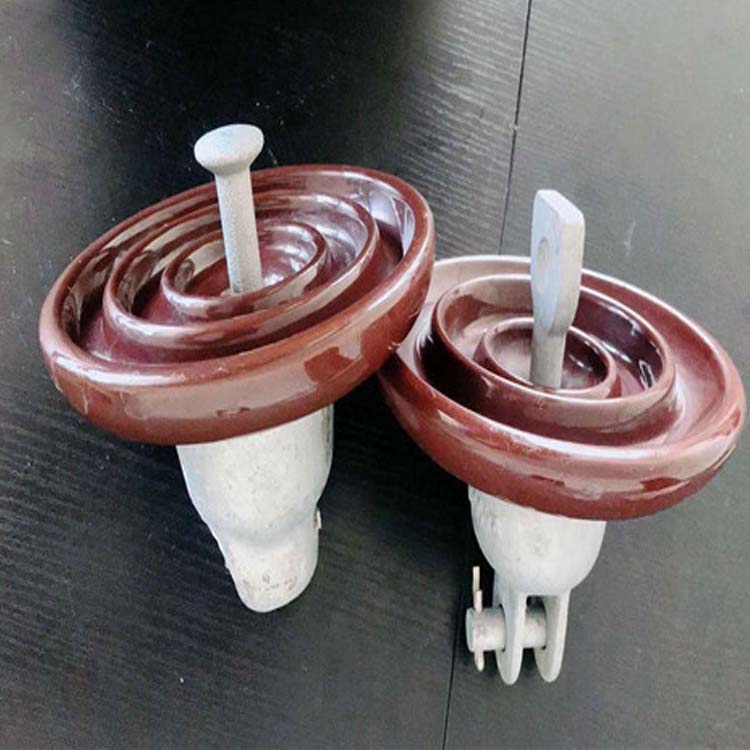
Composite Insulators, Glass Insulators, Porcelain Insulators, Electrical Hard...


产品Price 4.00/Piece
最小起订Quantity:1 Piece 供货总Quantity: 9999 Piece


Standard Glass Insulator: |
|
Composite needle insulator: |
20 cm |
Composite Suspended Insulator: |
20 cm |
Detailed Description Insulators are made by bonding a porcelain piece with upper and lower metal attachments using an adhesive. Elastic pads are placed between the porcelain piece and the metal attachments at the bonding contact areas. The porcelain bonding sections feature structures such as sandblasting, embossing, and grooving to ensure mechanical strength, prevent loosening, and twisting. The porcelain surface is evenly coated with white glaze, and the metal attachments are painted with gray magnetic paint. The main structure of insulator porcelain components includes cavity partition (penetrable) and solid (non-penetrable) structures. The joint-glued pillar insulators are generally of non-penetrable solid structure. The latter structure enhances safety and reliability compared to the former, reducing maintenance and testing efforts. The insulator porcelain pieces come in two shapes: with more or fewer棱. The multi-棱 shape increases the surface distance, offering better electrical performance than the fewer-棱 shape. All products except the gradually being phased-out extruded-jacketed pole insulators are multi-棱. Internal rubber-encased structure, due to metal accessories being sealed into the porcelain piece holes, it correspondingly increases the insulation distance and improves electrical performance. At the same time, it reduces the space occupied during installation. However, since internal rubber encasement is not beneficial for enhancing mechanical strength, insulators with higher mechanical strength requirements are best used with combined encasement (i.e., upper accessories with internal encasement and lower accessories with external encasement). The disc-shaped suspension porcelain insulator for high-voltage overhead transmission and distribution lines is used for insulation and fixation of conductors. Generally, it is assembled into insulator strings for use on lines of various voltage levels. Standard insulators are suitable for general areas; increasing the number of insulator pieces can also enhance the anti-fouling performance if appropriate. Suspended porcelain insulators are made by bonding porcelain components, iron caps, and steel bases with a cement silicate adhesive of no less than 525 grade. The iron caps and steel bases have a thin layer of cushioning applied to the surfaces in contact with the adhesive, and the top of the steel base features an elastic pad. The porcelain surface is typically glazed with white or brown glaze, or other glazes as required. Both the iron caps and steel bases are fully hot-dip galvanized. Push-pull type elastic locking pins for spherical connections come in W and R styles, both made of tin bronze, brass, and austenitic stainless steel, offering good elasticity and corrosion resistance, and easy assembly and disassembly. Cylinder and camelback-shaped opening pins for slot connections are used, with the former surface being hot-dip galvanized and the latter made of brass. The above elastic locking pins, cylinder pins, and other zero insulators are divided into spherical and slot types according to the connection method. Standard and anti-fouling insulators of the same strength grade, with identical ball socket connection dimensions, are interchangeable.

Phone Consultation