
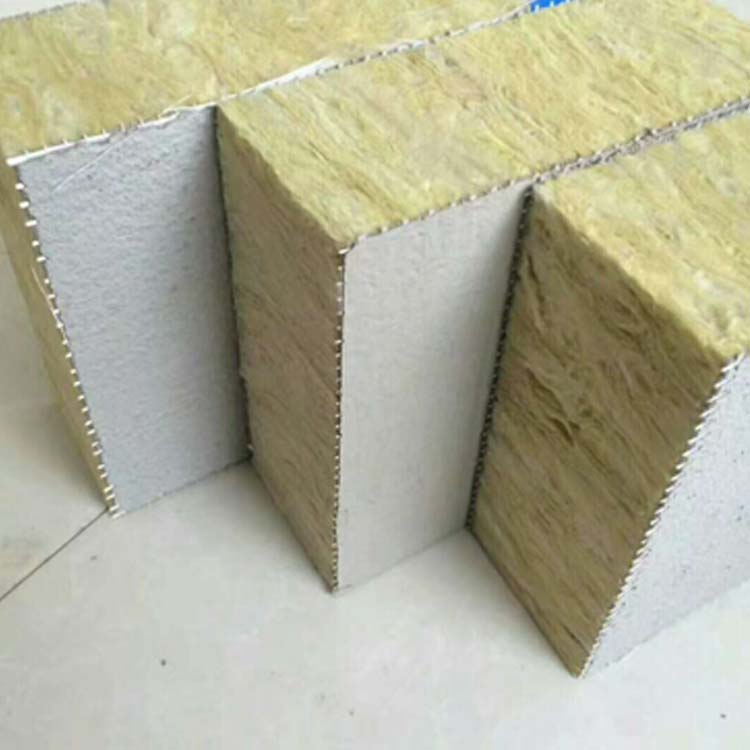
 Rockwool board
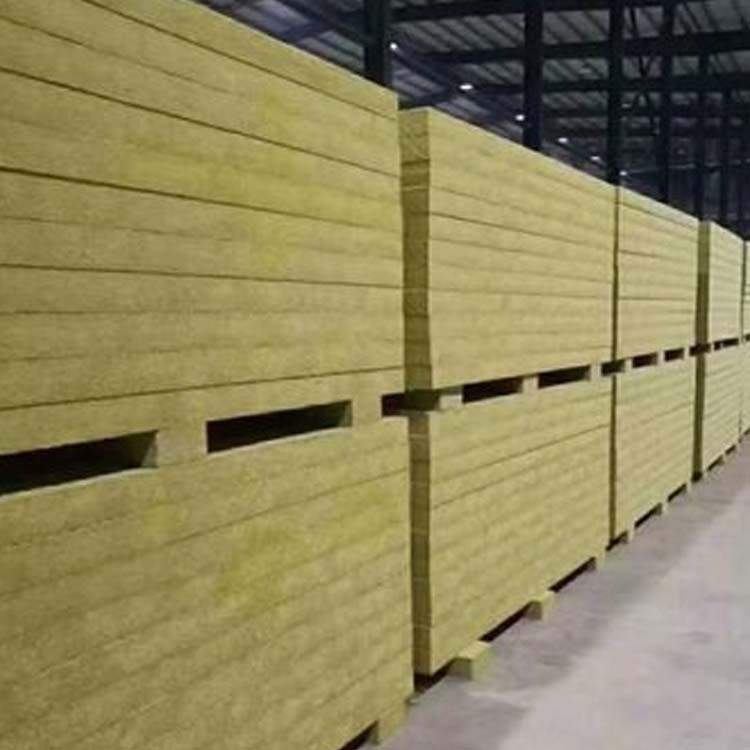 Rockwool board
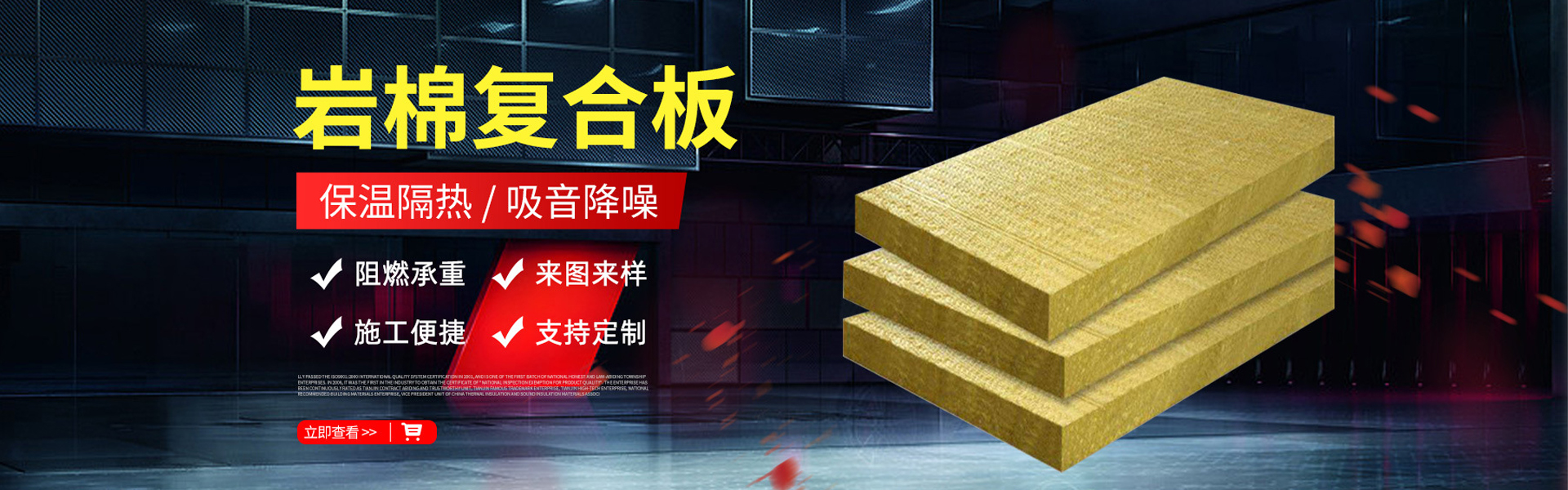
 Rock wool board
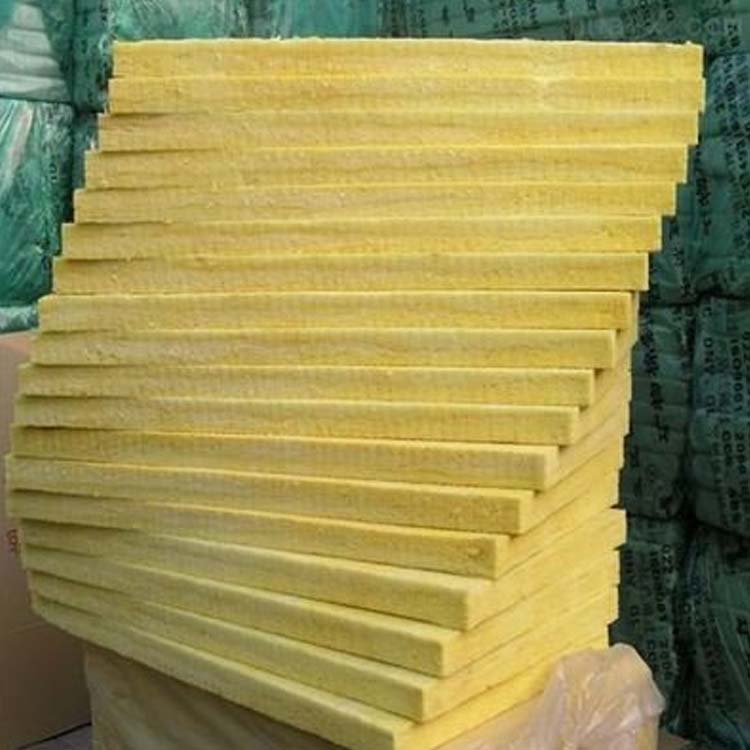 Rock wool board
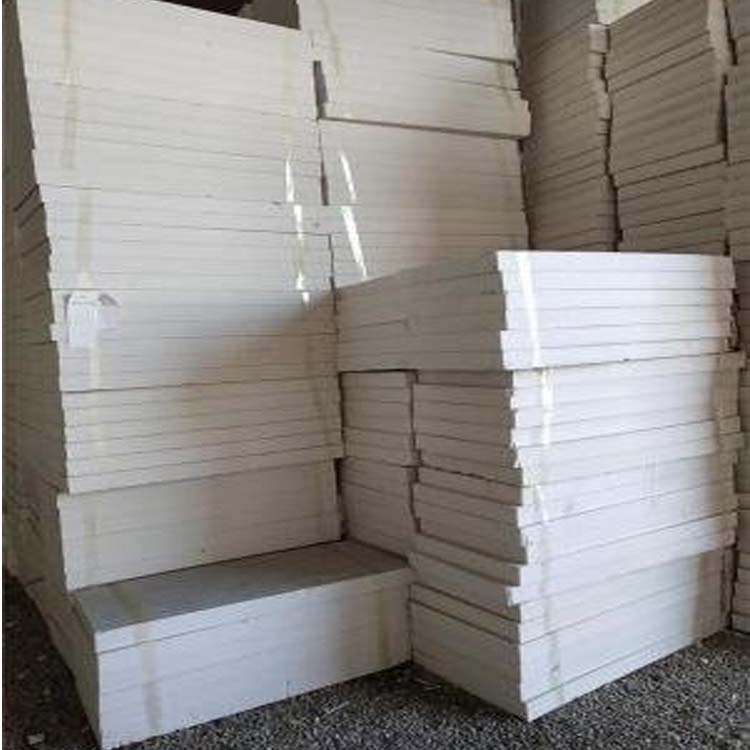 Expanded Polystyrene (EPS) Board
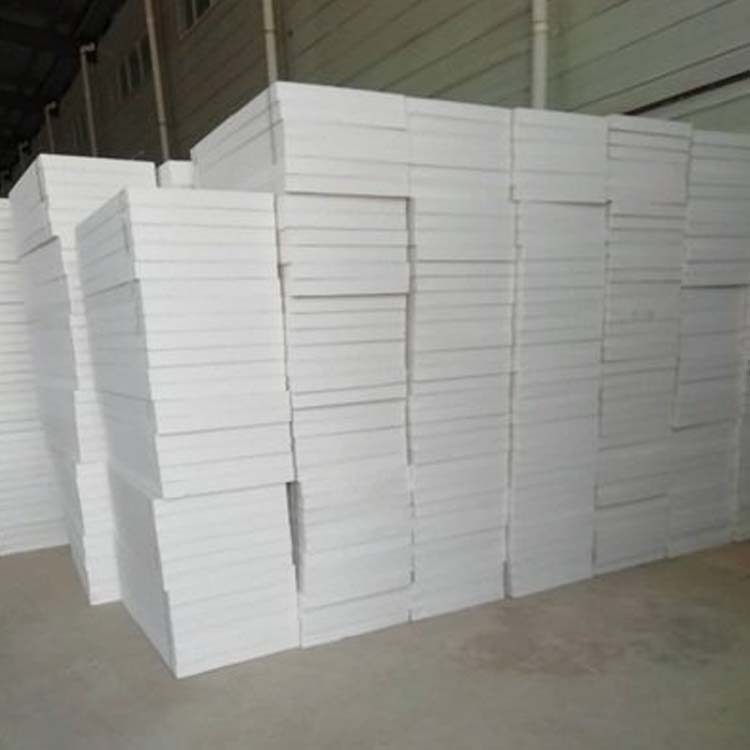 Expanded Polystyrene (EPS) Sheets
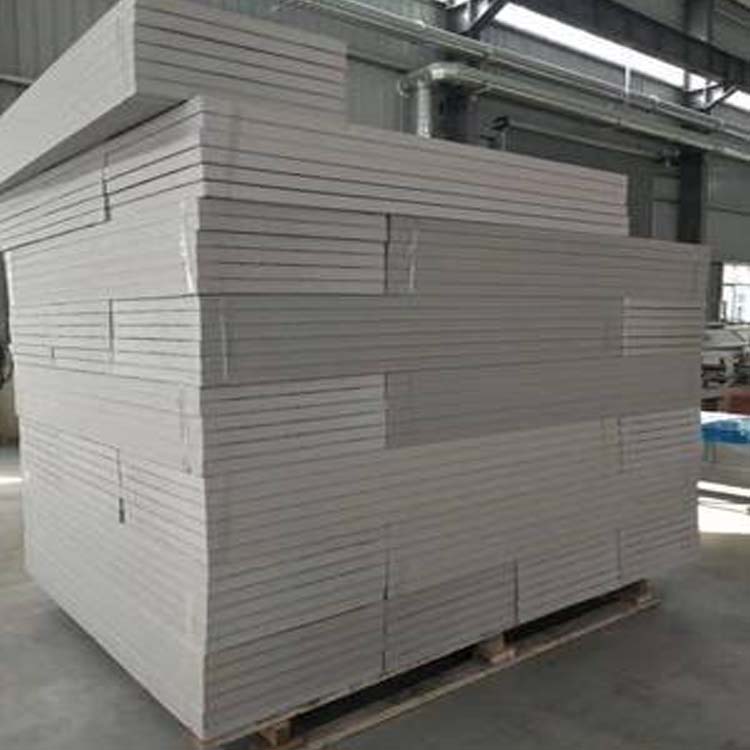 Expanded Polystyrene (EPS) Sheets
Product Details

Composite Insulators, Glass Insulators, Porcelain Insulators, Electrical Hard...


产品Price 4.00/piece
最小起订Quantity:1 piece 供货总Quantity: 9999 piece


Standard Glass Insulator: |
|
Composite needle insulator: |
20 cm |
Composite Suspended Insulator: |
20 cm |
Product Description and Usage Instructions: P, PQ High-Voltage Line Pin-Type Porcelain Insulators I. Overview Pin-type insulators are an older type of insulator used in high-voltage transmission and distribution lines. Due to their simple manufacturing, low cost, easy installation, and ability to reduce tower height (since they are installed vertically with the grounding part below), they are widely used in overhead power lines for three-phase power systems with nominal voltages of 6 to 35kV and a frequency of 100Hz, in both ordinary and polluted areas, serving as insulation and support for conductors. The needle insulator is composed of an insulating element and a steel foot, a type of rigid insulator where the insulating element is rigidly mounted on the supporting structure by a steel foot fixed inside the insulator. The insulator can be made up of a single element or multiple insulating components connected together. The insulating elements of the porcelain insulator are porcelain pieces, typically coated with brown glaze or white glaze on the surface. The attachment of the porcelain piece and the foot can be separable or permanent (as in needle insulators with adhesive feet). Insulators are categorized into two types based on structural design: glue-mounted and zinc-threaded connection. The glue-mounted type involves directly gluing the porcelain piece to the cement and the base, with a deep groove pressed into the porcelain section of the steel base to prevent loosening. An elastic pad is placed between the top of the steel base and the porcelain piece. The zinc-threaded connection type first glues the porcelain piece to a zinc screw sleeve with cement, and then connects the screw sleeve to the steel base via threading. The zinc screw sleeve serves as a buffer and facilitates the replacement of the porcelain piece. There are also types that use mechanical connections via porcelain threads. The old model needle-type porcelain insulators specified in the GB1000-1981 standard are divided into five grades according to rated voltage: 6, 10, 15, 20, and 35 kV. Each grade is further categorized into two specifications based on steel foot type: iron pole straight foot and wood pole straight foot. The new model needle-type porcelain insulators specified in GB/T1000.2-1988 standard have a rated voltage of 10kV, which are categorized into three types according to applicable environmental conditions: General Type, Reinforced Insulation Type 1 (Medium Pollution), and Reinforced Insulation Type 2 (Heavy Pollution). To reduce radio interference, edge glaze insulators are provided above the side slots, with the upper conductive glaze on models containing the letter "B".

Phone Consultation