
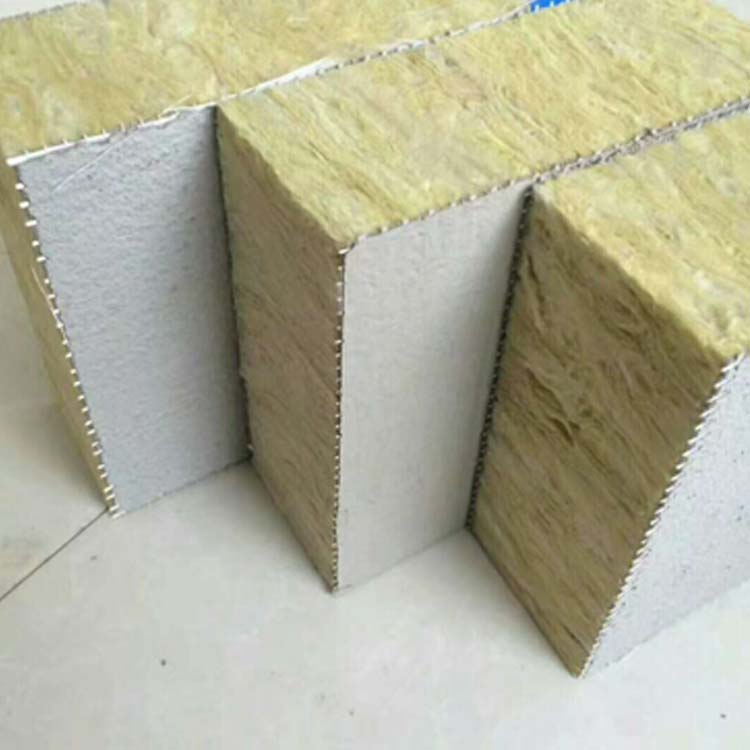
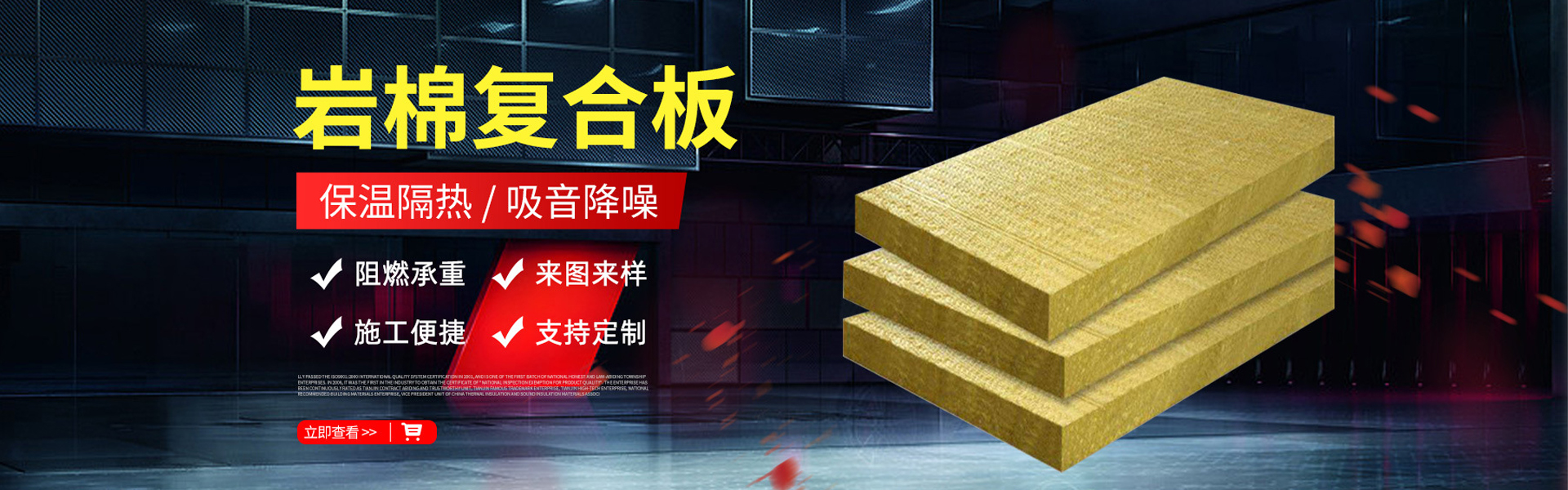
 Rockwool board
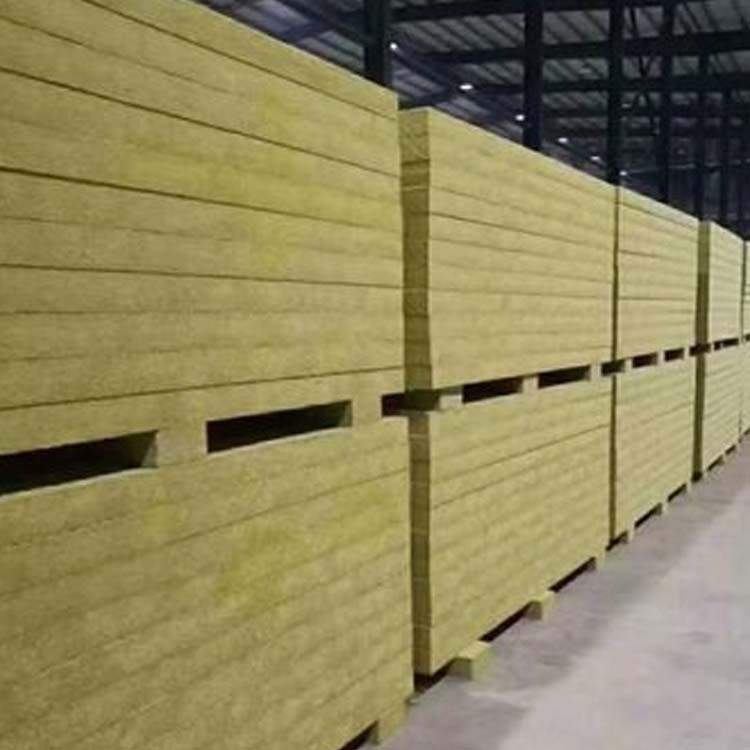 Rockwool board
 Rock wool board
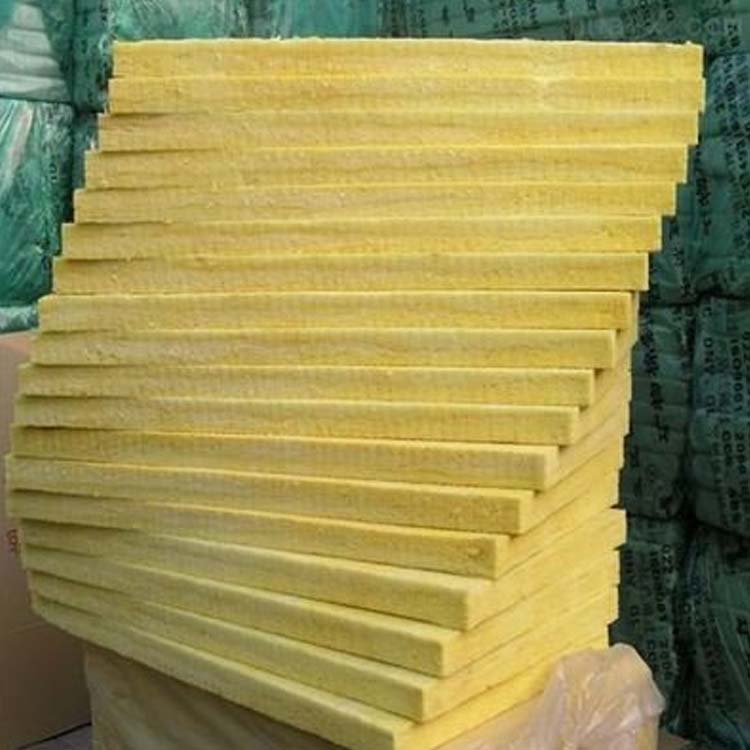 Rock wool board
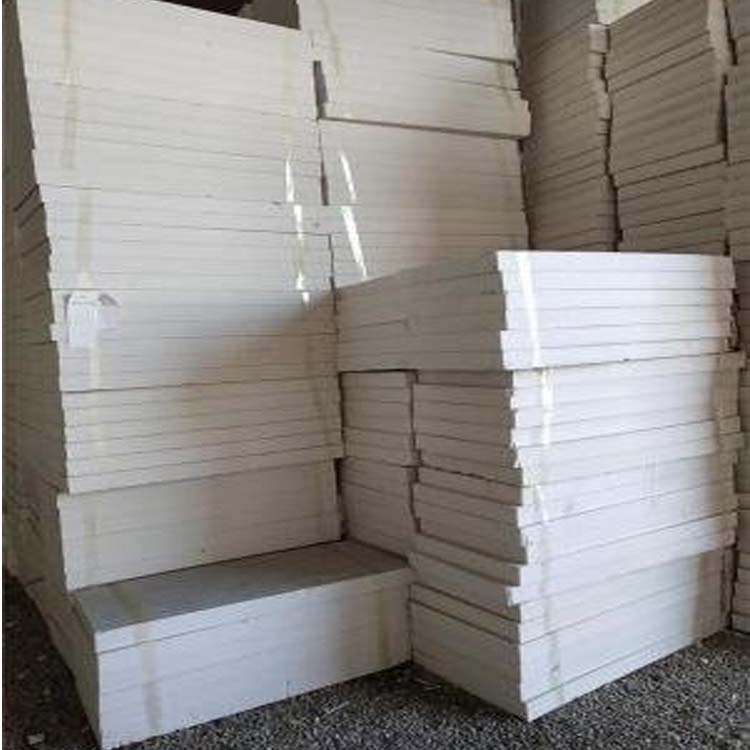 Expanded Polystyrene (EPS) Board
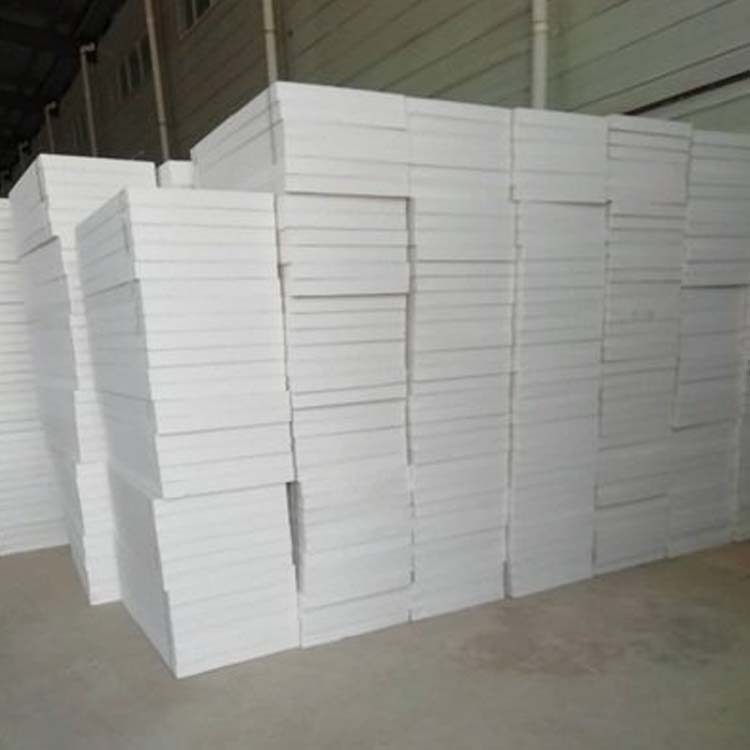 Expanded Polystyrene (EPS) Sheets
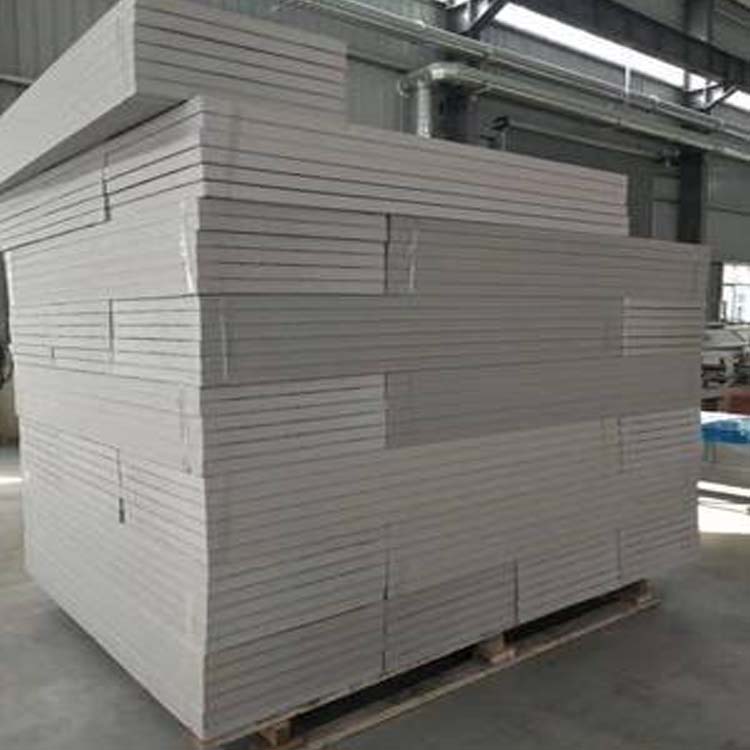 Expanded Polystyrene (EPS) Sheets
Product Details

Composite Insulators, Glass Insulators, Porcelain Insulators, Electrical Hard...
产品Price 4.00/Piece
最小起订Quantity:1 Piece 供货总Quantity: 9999 Piece


Standard Glass Insulator: |
|
Composite needle-shaped insulator: |
20 cm |
Composite Suspended Insulator: |
20 cm |
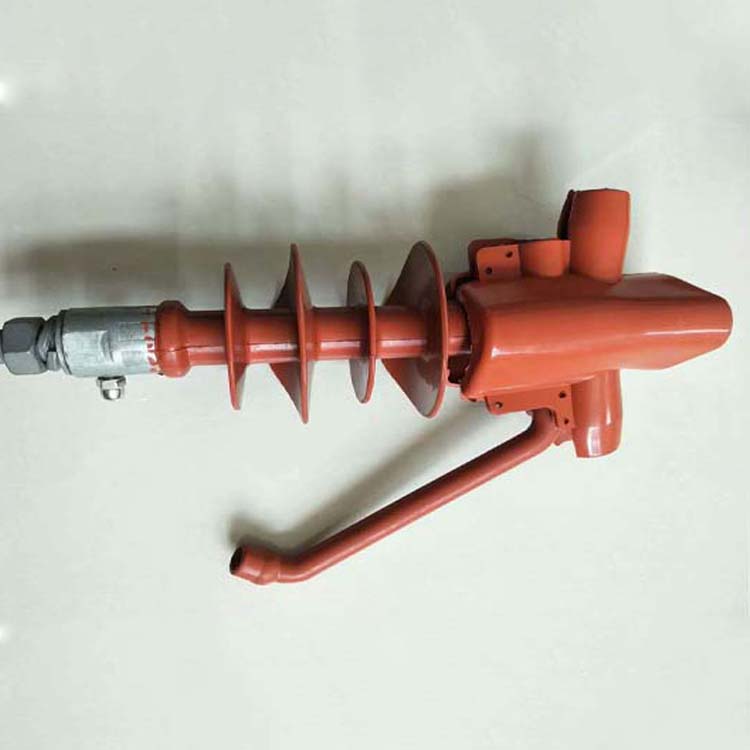
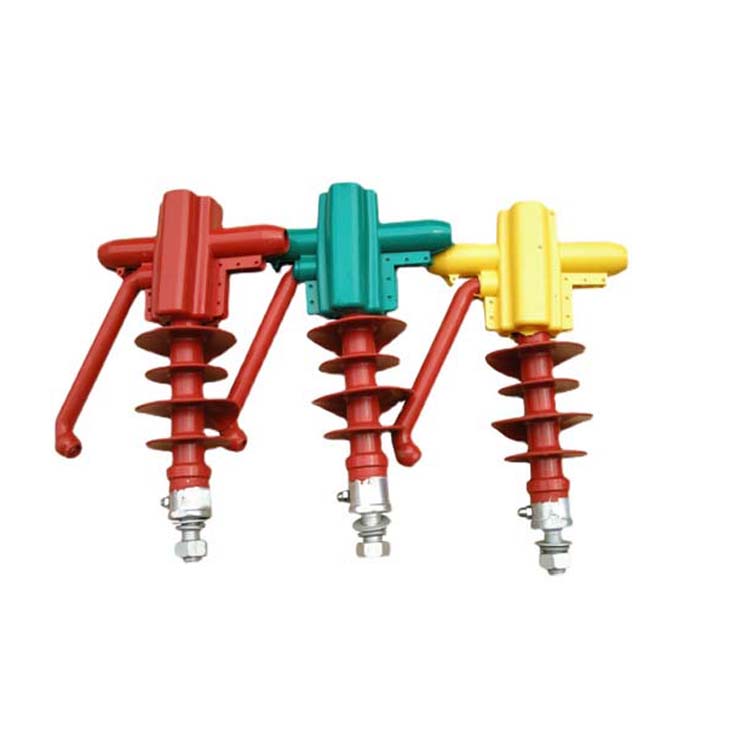
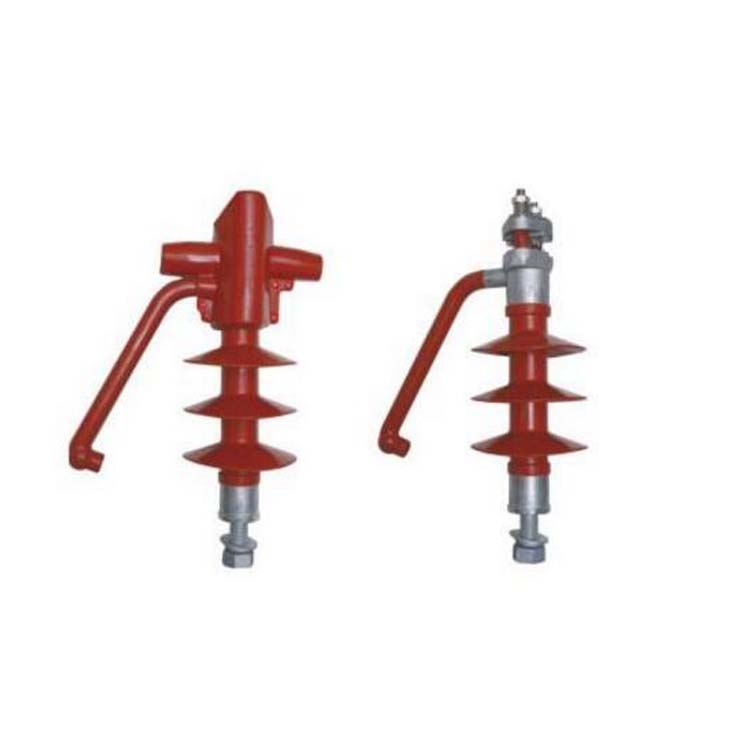
Structural Features: A. This product is available in two types: piercing and non-piercing (insulation stripping), primarily composed of insulated sheath, aluminum alloy clamping hardware, composite insulators, arc-stick, and lower steel foot. The structure can be seen in Figure 1. B. The arc rod and clamp wire fittings are assembled and connected as a unit. When lightning strikes, a flashover discharge occurs between the arc rod and the lower steel foot, forming a short-circuit path. The continuous power frequency arc then moves to burn between the arc rod and the steel foot, protecting the wire from burning. Since the arc rod bypasses the canopy skirt and is adjusted to the optimal discharge gap, the discharge effect is improved and the insulation canopy skirt is prevented from burning. The C.FEG-12/5 model features a piercing-type spike tooth structure, with removable spike teeth, offering options for stripping or non-stripping usage. The spike teeth are made of a copper alloy with higher strength and better electrical properties than aluminum, and are electroplated on the surface to prevent oxidation during the bonding of copper and aluminum, allowing either copper or aluminum wiring to be used. The piercing design does not require the removal of the wire insulation, preventing water entry and corrosion of the wire core, making installation and construction extremely convenient and significantly reducing the labor intensity for the workers. E. Insulators made of composite materials offer superior insulation performance compared to PS-15 porcelain insulators, featuring a larger creepage distance. This enhances the insulator's anti-fouling level, meeting the extensive anti-fouling requirements of our customers. F. The insulation shield is made of silicone rubber, offering excellent insulation, aging resistance, and flame-retardant properties. G. A unique structure has been considered to prevent birds from causing short-circuit hazards to overhead conductors. H. Resists burning from approximately 5 cycles of industrial frequency high current arcs 3. Installation Method: Counterfeiting will be pursued. A. The wire groove of the lightning arrester insulator should be aligned with the parallel direction of the conductor when mounted on the crossarm. Tighten the steel foot nut, similar to the traditional insulator installation method, and position the arc rod away from the crossarm (further from the crossarm); the arc rod should face in one direction, ideally towards the load side. B. The piercing-style wire connection method is as follows: set the torque value of the torque wrench according to the wire cross-section and weather temperature to 26-32Nm, and tighten the 2 pressure nuts alternately and symmetrically with the torque wrench. A visual inspection is sufficient, just ensure the root of the piercing teeth is barely visible, then tighten the locknut to prevent the pressure nuts from loosening. C. Non-penetrating wire clamping method: Strip a section of insulation wire (about 65-80mm) and insert it into the insulation clamp wire fitting. Tighten the locking nut with a wrench to press the wire securely in place; the insulation sheath is assembled on the outside of the wire clamp fitting.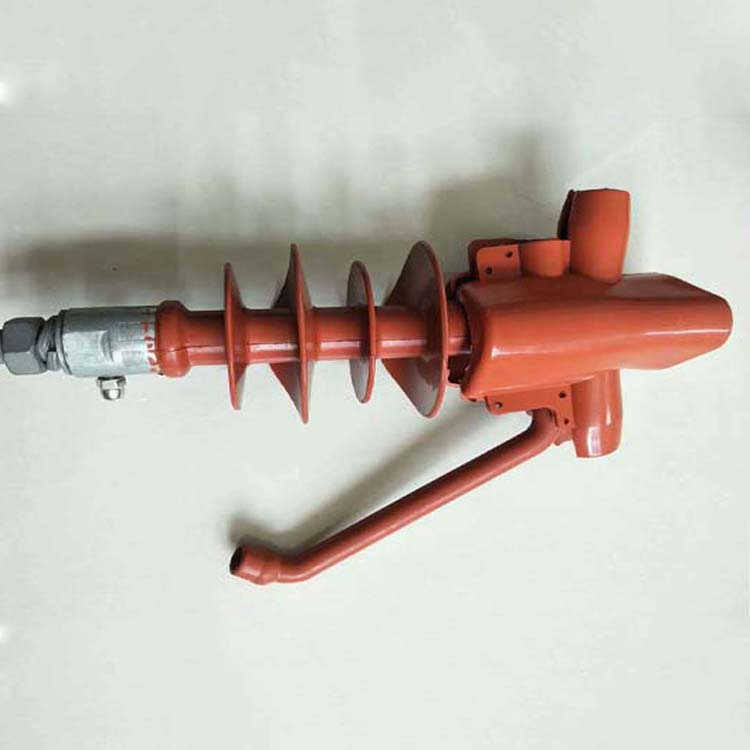

Phone Consultation