
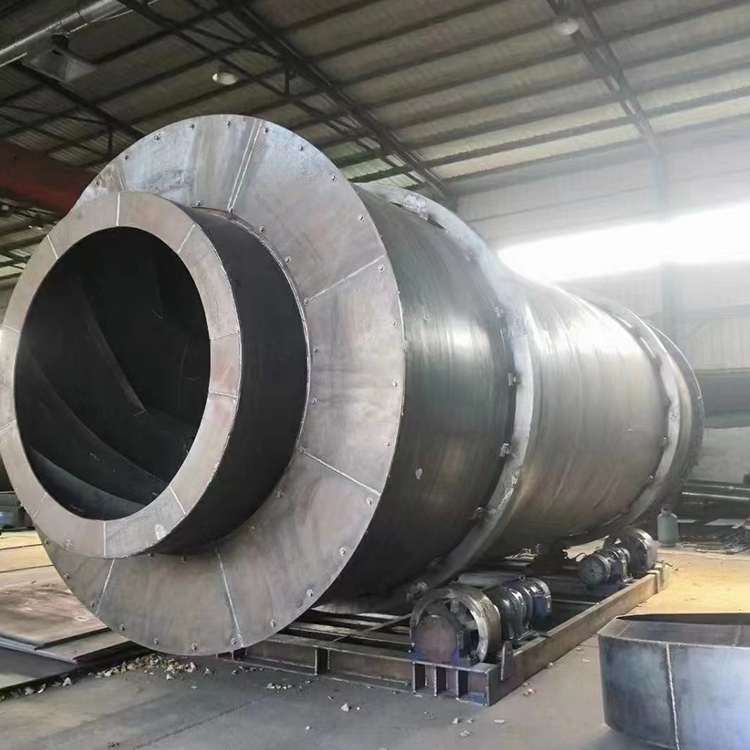
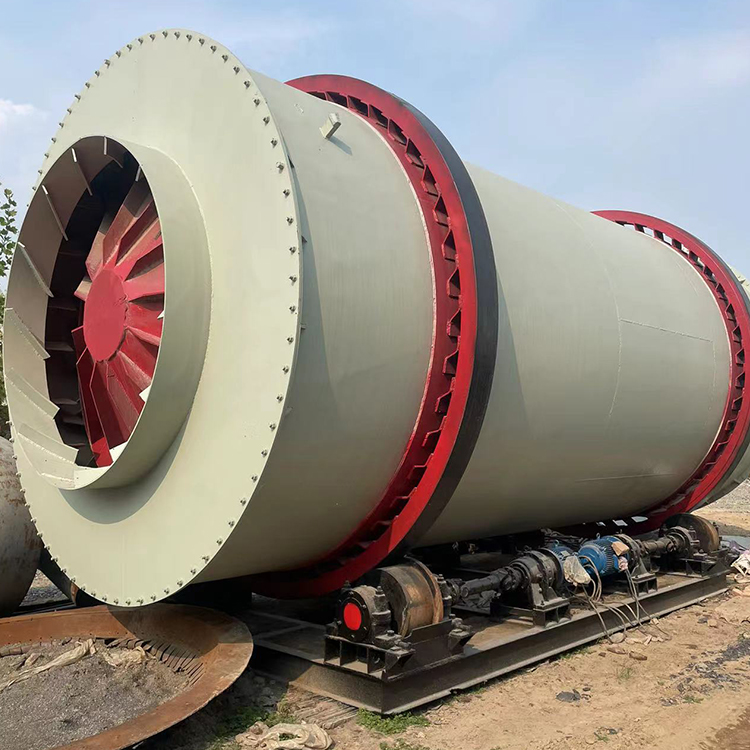
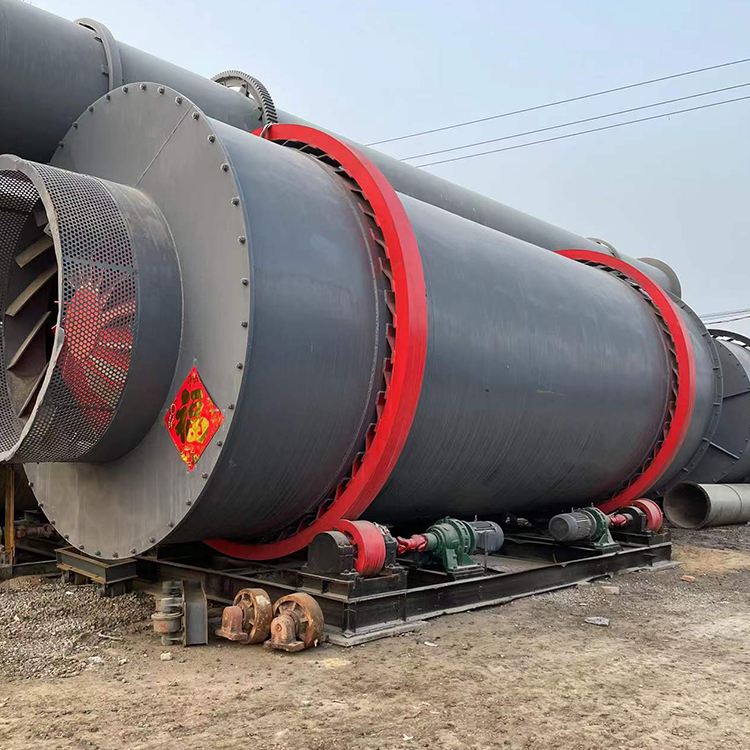
River sand drying machine
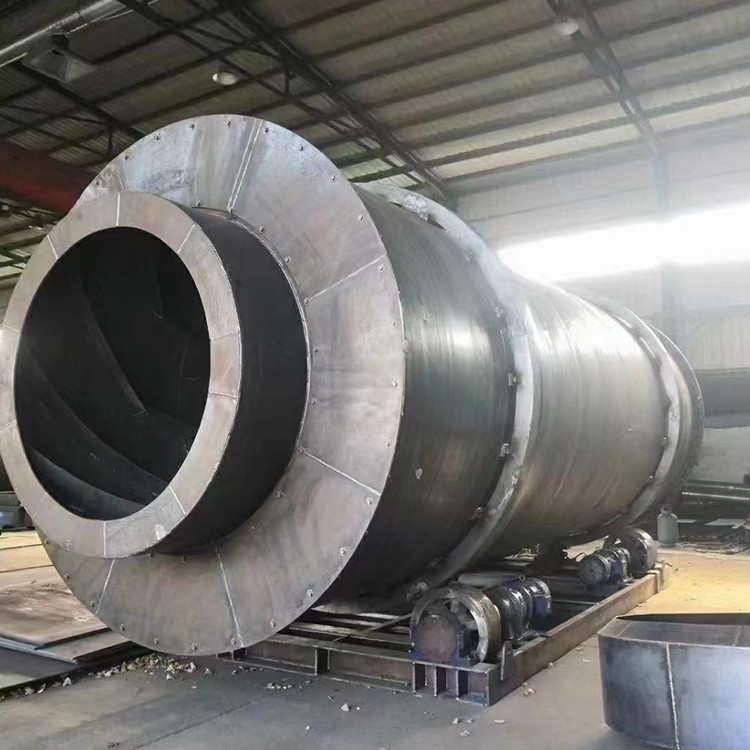
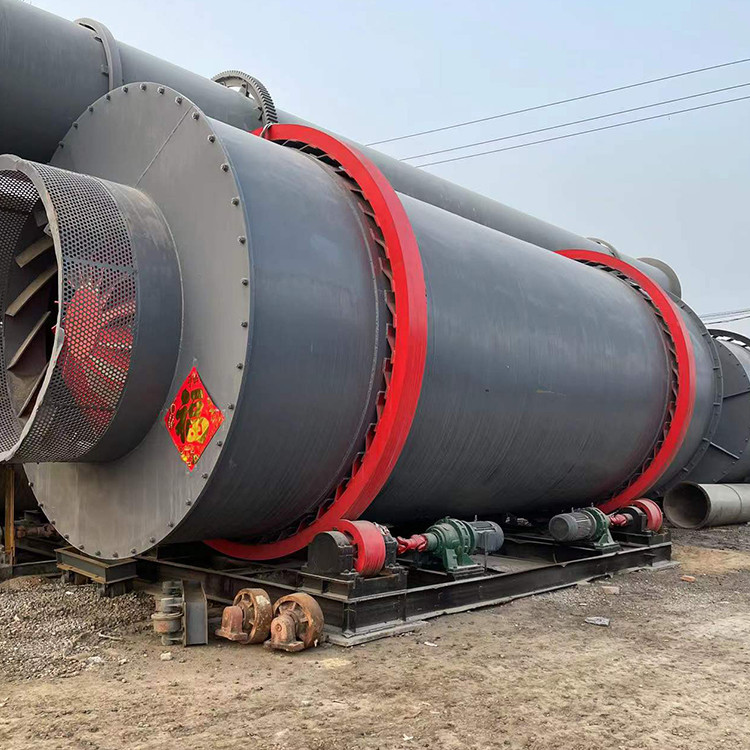
Product Introduction: River sand dryer is a dryer for handling large quantities of materials, generally suitable for granular materials, and can also be used to dry sticky paste-like materials or materials with high moisture content by partially blending them.
Application Fields: Mining, construction materials, metallurgy, chemical industry, etc.
Applicable Materials: Sand, river sand, slag, coal gangue, quartz sand, etc.
Performance Features
1. The sand drying machine features a sleeve structure for rapid material drying.
2. The design of the cylinder features self-insulation, achieving a thermal efficiency of over 80%.
3. The product features exquisite construction and smooth operation.
4. Excellent drying effect, coal consumption per ton of dry material less than 8 kg.
5. Fuel suitable for kerosene gas. Can dry material powder with particle sizes under 20mm.
6. Reduces land occupation by approximately 50% compared to single-tube dryers, cuts civil engineering investment by around 50%, and lowers electricity consumption by more than 60%.
7. Easily adjust the desired final moisture content to meet customer requirements.
8. Low exhaust temperature, extended filter equipment usage time.
9. No need for large and small gears to rotate; use tugwheel rotation instead.
10. Material discharge temperature below 60 degrees. Continuous production and packaging available.
Operating Principle
Material enters the inner layer of the river sand dryer through the feeding device. Under the scraper in the inner layer, the material is continuously lifted and scattered in a spiral motion to achieve heat exchange. The material moves to the other end of the inner layer and enters the middle layer for countercurrent drying. In the middle layer, the material is repeatedly lifted and falls in a two steps forward, one step back manner. The material in the middle layer absorbs both the heat emitted by the inner drum and the heat of the middle drum, thereby extending the drying time and reaching a dry state. Then, the material falls from the other end of the middle layer into the outer layer, where it moves in a rectangular multi-loop manner within the drum. Material that has achieved the drying effect is quickly propelled out of the drum by the hot air, while wet material that has not reached the drying effect cannot move quickly due to its own weight. The material is fully dried within this rectangular scraper, thereby achieving the drying purpose.